
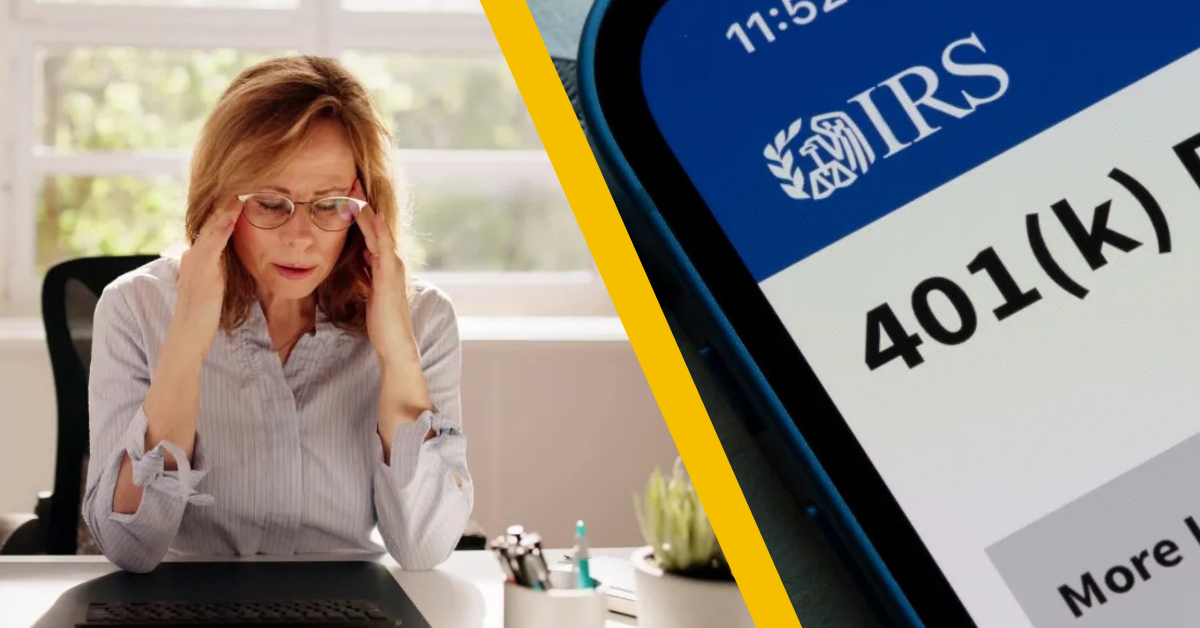
The first year of retirement seems surreal when you’re in it. Most people spend decades working and preparing for retirement. Finally getting there can feel exciting, but a bit stressful. Suddenly, you go from a steady paycheck and a clear idea of your monthly income to managing your 401(k) and your withdrawals.
Many people regret mismanaging their 401(k) funds in their first year of retirement, which can affect their financial fitness for years. Here is more about this mistake many retirees make and how to avoid it.
The top retirement regret: withdrawing too much, too soon
One of the biggest regrets new retirees have is withdrawing too much in their first year. Typically, retirees plan to live on less in retirement, with the hope that they’ll meet other goals that make that possible, such as paying off their mortgages.
Financial experts typically recommend the 4% rule, which suggests withdrawing 4% of your total retirement portfolio in your first year. However, a report from Charles Schwab says that the 4% rule might not work for everyone.
Shopping for cheaper auto insurance? Enter your zip code here to get started.
Why the 4% rule might not work for all retirees
Though the 4% rule has been standard for decades, experts at Schwab say it can be problematic because it assumes a 30-year retirement, which not everyone will need. It also applies to a specific portfolio mix: 50% stocks and 50% bonds.
Finally, it doesn’t account for taxes or fees, which might require a larger withdrawal.
Why a drawdown strategy is necessary for retirement
Many retirees regret over-withdrawing in their first year because they didn’t make a drawdown strategy. Over-withdrawing can be harmful for several reasons. For example, if you retire early and are under age 59.5, you could face a 10% early withdrawal penalty. If you’re over age 59 1/2 and withdraw too much, it could also increase your income taxes by pushing you into a higher tax bracket.
When making a drawdown strategy, consider what you’ll do in the event of a market downturn early in retirement. Over-withdrawing in your first year, especially during economic upheaval, can negatively impact your future withdrawals, too.
RMD changes may impact your withdrawal strategy
Another consideration for many retirees is the required minimum distribution (RMD) age. As of 2026, the RMD age is 73, whereas in previous years, it was 72. Many retirees choose to leave money invested in their 401(k)s as long as possible and withdraw only when required by law. This is possible if you have other types of retirement income, such as a pension, Social Security, IRA accounts, or small business or rental income.
If you’re not sure what order to withdraw from your retirement accounts, speak to a licensed financial planner who can help you find out whether or not you’re on track for retirement and how much you should withdraw the first year.
Unexpected extra costs that may impact your retirement
Most people don’t overwithdraw during their first year of retirement because they’re indulgent. They do it because retirement sometimes costs more than people realize.
Take healthcare, for example. According to Fidelity, 65-year-olds retiring in 2026 will spend about $185,000 on healthcare and medical expenses during retirement. Predicting your healthcare needs can be challenging, and unexpected expenses or diagnoses can derail even the best retirement plan.
A few simple ways to maximize your retirement income
If you’re concerned about your nest egg or you’d like more income in retirement, many retirees do go back to work, even on a part-time basis. According to a 2025 Resume Builder survey, as many as one in eight retirees are likely to head back to work, whether because they feel like they need a sense of purpose or because their finances require it.
Your first year of retirement will be one of transition. Ideally, practice living on the income you plan to have in retirement a few years prior to leaving the workforce. This can help you learn to monitor your expenses, live on a budget, and simplify your bills.
If you find that you miss working or the camaraderie of having co-workers, working part-time may help. Additionally, turning a hobby into a business, helping to watch grandchildren, or volunteering are other ways to find fulfilling work that doesn’t drain expenses.
Retirement News: Almost 80% of Americans fear a retirement age increase — here’s the real reason why
Don’t discount the impact of 401(k) fees
When you’re planning your withdrawal strategy, one way to determine which funds to keep and which funds to allow to compound is by looking at the fees. Unfortunately, 401(k) fees and fund fees can be hard to find. Financial companies typically deduct their fees before you earn money on your investments, so it’s easy to miss the impact they have.
By taking the time to understand the fees in your retirement portfolio, you can better understand which funds you’d like to keep and which you might prefer selling first.
Here’s where to go to ask retirement planning questions
If you’re in your first year of retirement, you don’t have a human resources department to turn to for questions about your 401(k) plan. However, you can call your 401(k) plan provider and roll your 401(k) into an IRA at a brokerage firm, which will have customer service representatives available to help.
You can also work with a financial planner, who can advise you on which accounts to draw from first, how much you should withdraw, and how to make your retirement funds last.
Bottom line
Many people try to ensure their retirement plan is stress-free. After working for a lifetime, having full days to do whatever you please seems like a dream.
However, the first year of retirement can be a time of transition, and sometimes retirees overwithdraw from their 401(k)s. That’s one of the biggest regrets people have when they retire, and something younger workers can learn from.
Subscribe Today
Unlock the Best Banking Deals and Bonuses
From high-yield savings accounts to cashback checking and sign-up bonuses, we bring you the best banking offers to grow your money smarter.