
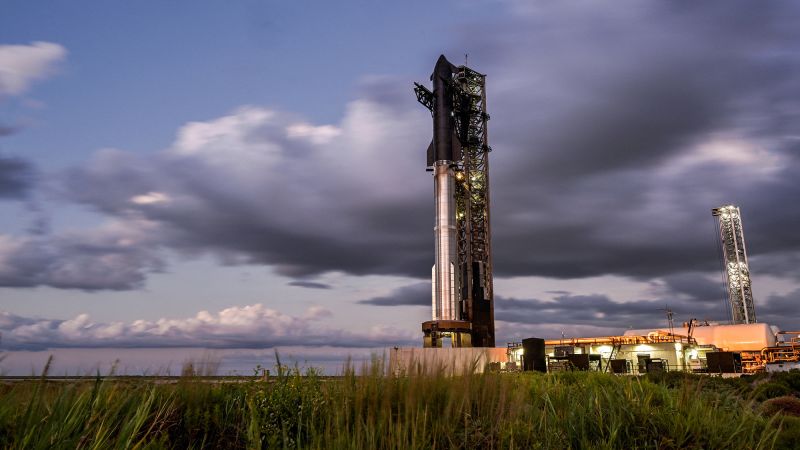
NASA is banking on SpaceX getting Starship ready in time to land its astronauts on the moon during a mission slated for mid-2027.
That effort, called Artemis III, is at the heart of the US government’s plans to beat China — its biggest rival in the new space race — to the lunar surface.
And public officials, space industry leaders and lawmakers from both sides of the aisle have been putting mounting emphasis on the importance of this goal.
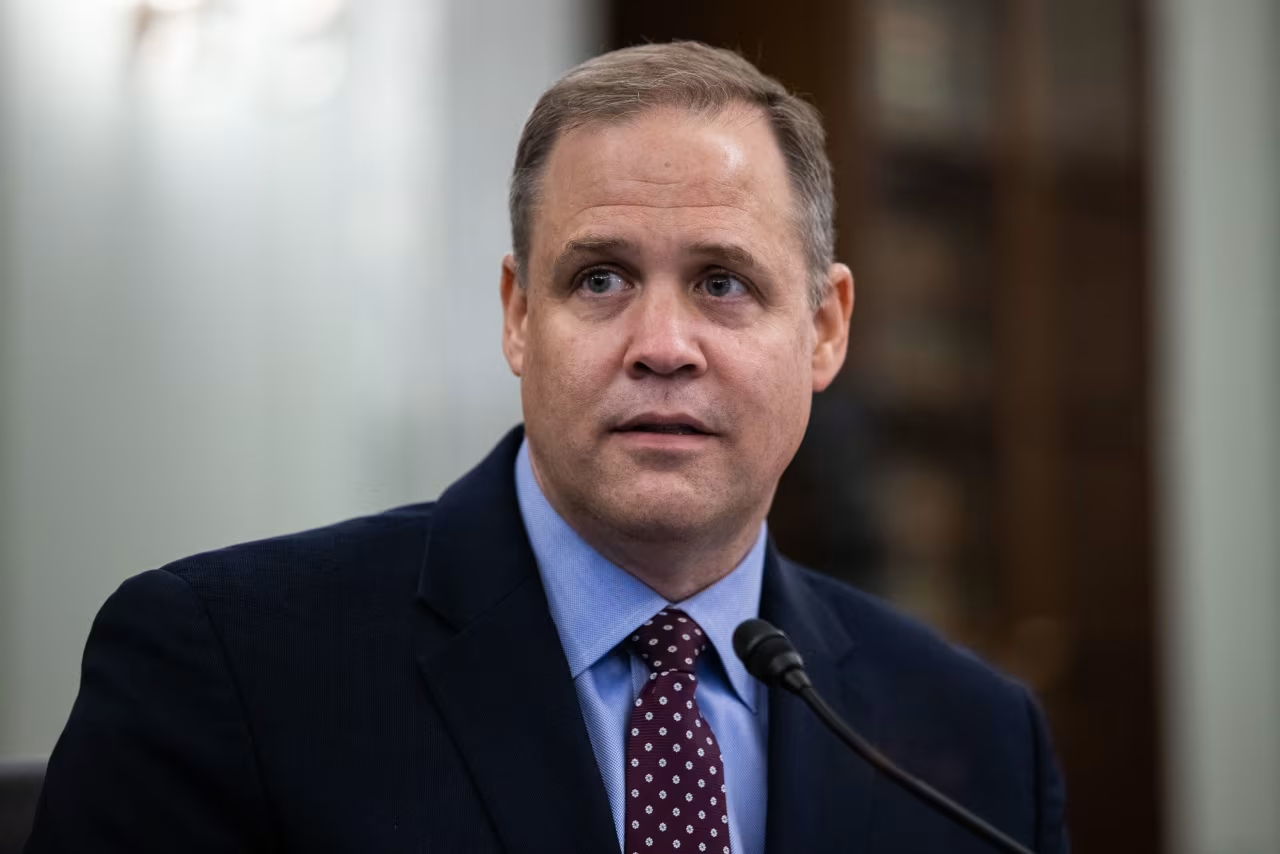
Not everyone is happy about SpaceX’s involvement. Former NASA administrator Jim Bridenstine, who led the agency during Trump’s first term, said at a Senate hearing in September that he disagreed with the space agency’s decision to give SpaceX the $2.8 billion contract for Artemis III.
“This is an architecture that no NASA administrator that I’m aware of would have selected had they had the choice,” Bridenstine said, referring to the decision to use Starship as the vehicle that will land astronauts on the moon, which was made in 2021 when NASA was without a Senate-confirmed leader.
It’s a problem. It needs to be solved. And that puts us as a nation at risk of not being the first on the moon.
Former NASA administrator Jim Bridenstine
That sentiment has since been echoed in various corners of the space world.
During a September meeting of NASA’s Aerospace Safety Advisory Panel, member Paul Hill, who visited SpaceX’s Starship development facilities in August, said the timeline for Starship readiness is “significantly challenged.”
The ASAP panel expects the vehicle will be “years late” to the 2027 deadline, Hill said.
So far, however, there are no signs that NASA intends to change its plans.