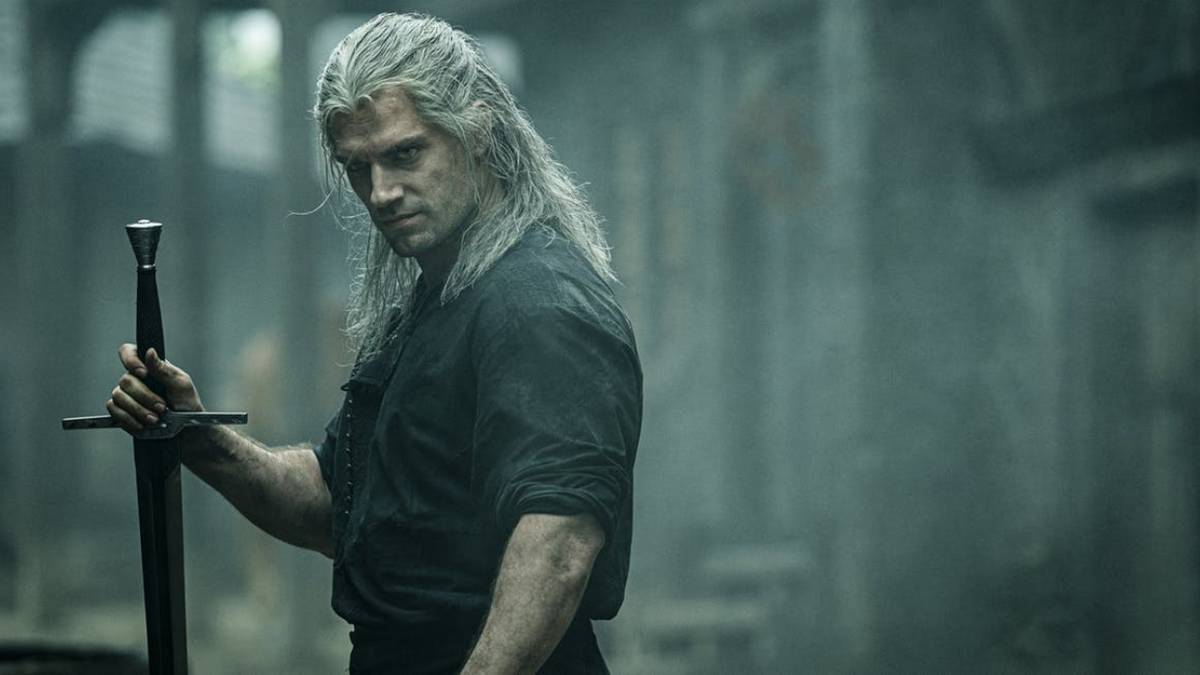
When The Witcher first premiered on Netflix in 2019, it was lauded as the next potential Game of Thrones. The HBO series had just concluded with the consensus that no one was happy with the ending. The Witcher could be a new start and had the bonus of a finished book series. The series was adapted from Polish writer Andrzej Sapkowski’s immersive series, pulled from Slavic lore. The books became so popular that they were later used as inspiration for the highly successful CD Projekt Red’s series of video games. Witcher III: The Wild Hunt won Game of the Year when it was released and is still considered one of the best games in recent memory.
Adapting The Witcher in the first Western live-action series was a tall order, and expectations were high. Especially after the dismal conclusion of Game of Thrones, early reactions to The Witcher weren’t necessarily fair. Though the casting of Henry Cavill as the iconic Geralt of Rivia was inspired and his commitment to the role was beyond reproach, fans objected to the first season of the series. Whether it was due to burnout from high expectations or the changes made from the books, the jury was in and was not pleased. Even so, time should vindicate the first season of The Witcher as a complex and satisfying season of television.
Viewers Complained About the Different Timelines
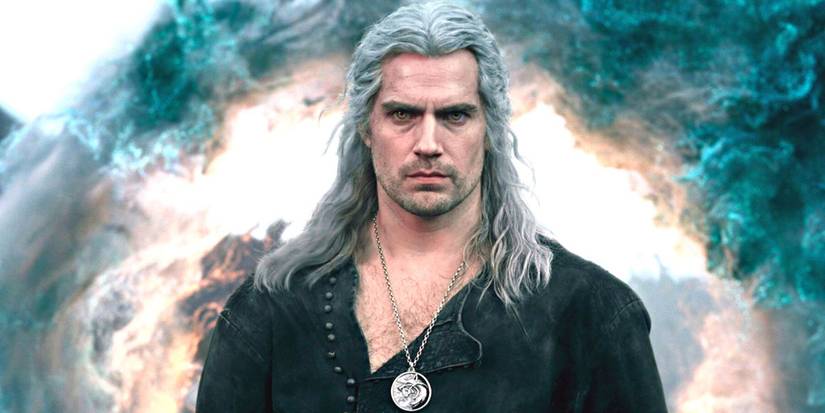
Henry Cavill as Geralt in The Witcher stands in front of circular teal cloudsImage via Netflix
With a complex world like Andrzej Sapkowski’s, any series would have to have a concrete plan to explain the lore. The author’s world is more unique than many fantasy series, with an intricate system of magic that all started with the Conjunction of the Spheres. In a world only referred to as The Continent, magic was not always a reality.
Hundreds of years ago, another world collided with this one, which unleashed magic, monsters, and other beings. Dangerous creatures like Werewolves, Botchlings, and Leshings covered The Continent with no way for humans to fight them. They devised an ingenious plan to mutate young boys to allow them to withstand the onslaught of these creatures. They achieved immortality and other abilities, but they were also looked down upon by society.
Witchers, as they were called, possessed magical abilities and used these abilities to hunt down monsters. Rising anti-magical sentiment and the judgment that Witchers charged money for their work caused them to be regarded as freaks. Geralt was one of these Witchers, hailing from the School of the Wolf. He remained neutral in his endeavors and generally cared about the monsters that would terrorize villages. Nonetheless, Witchers were called mutants and were believed to have no emotions.
All of these facts and more had to be established in The Witcher Netflix series, as well as explain the human conflict of the Northern kingdom of Nilfgaard on a campaign to dominate The Continent and the strange mystery of Ciri’s lineage. To do this, the creatives behind the scenes spent a few episodes devoted to each character and set up the stakes of the world.
As the series progressed, however, it soon became clear that these episodes were not necessarily taking place at the same time. In fact, there were three different eras that were cleverly plotted together to make a cohesive story. Geralt and Yennefer of Vengerberg did not age, which may have caused some confusion at first, but there were some clear roadmarks to lead viewers in the right direction — if only they were paying attention.
The Law of Surprise Gave the Game Away
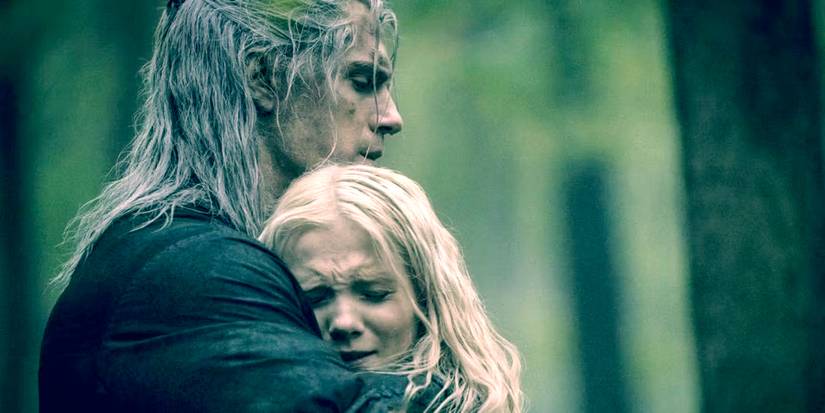
Geralt (Henry Cavill) hugs Ciri (Freya Allen) after they meet in The WitcherImage via Netflix
The first big clue was the saga of Renfri, a princess whom Geralt encountered in the first episode. Born under an eclipse, she was one of many young girls who allegedly possessed mutations. The sorcerer Stregobor was sure that these girls were the personification of evil and sent to murder them all. Geralt deals with this intrigue in his typical fashion, but it would not be the last time that viewers heard about Renfri.
When Princess Cirilla was introduced, her castle’s mage Mousesack told her a story about the cult that wanted to rid the world of these cursed girls, which happened decades before Ciri was even born. This was the first indication that the series was skipping around.
Later on in the series, Geralt encountered a Striga, which ended up being the result of an incestuous union between King Foltest and his sister. At that point, Foltest was a middle-aged man, full of regret. In Yennefer’s storyline, she took great pains to be a sorceress, and at one celebration, viewers see a young Foltest who was already obsessed with his sister.
The big reveal happened when Geralt mistakenly called upon the Law of Surprise as payment for one of his deeds. For viewers who had not been paying attention, this was confirmation that Geralt had lived a long time before encountering Ciri. Geralt found his way to Cintra at a feast to find the young Pavetta a husband. After helping her, Geralt was awarded “that which you already have but do not know,” which became Pavetta’s unborn daughter, Ciri.
This made it clear in no uncertain terms that The Witcher had used different timelines to not only set up the rules of the world, but also indicate how Ciri had become so important to Geralt. Geralt, who for such a long time tried to avoid his destiny and not accept Ciri as his own, only caused himself further pain. Geralt’s life truly started when he took on his role as a surrogate father figure.
This culminated at the end of Season 1 when, through destiny, Ciri and Geralt finally met in the woods. The relationship between these two people is the bedrock that The Witcher was founded on, and even when the series faltered in later seasons, it vindicated the show. Geralt and Ciri were the emotional compass of The Witcher, and it could not have happened without these interweaving timelines setting up one of the best moments. On a streaming platform that pumps out the same thriller over and over with only a few exceptions, viewers were not ready to experience this intricate design.
Netflix Was Not the Right Place For The Witcher
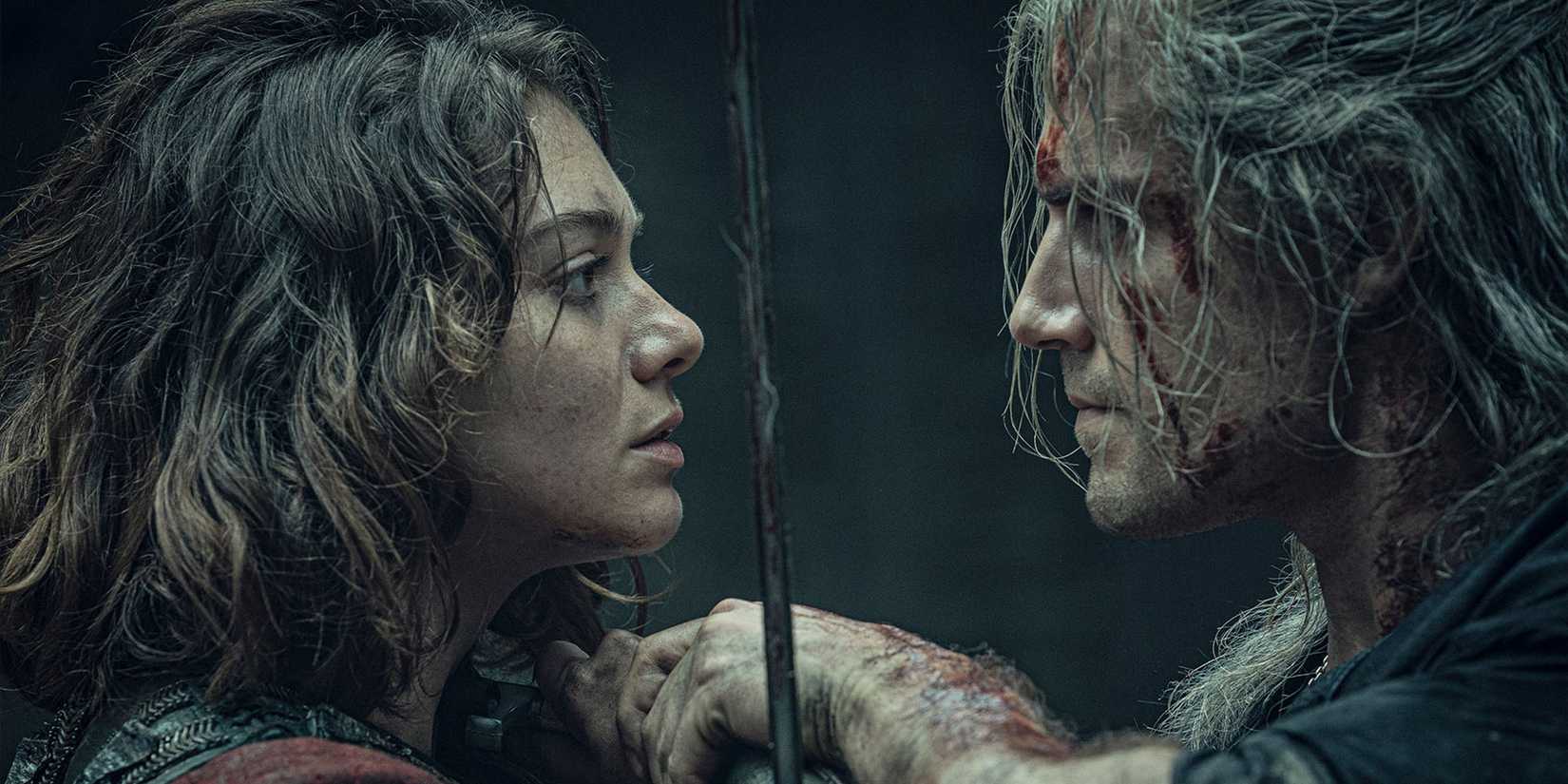
Henry Cavill and Anya Chalotra in The Witcher.Image via Netflix
Familiar and fan-favorite series like Stranger Things are fairly straightforward and land within Netflix’s brand. Though fantastical, the D&D-inspired show was always on a linear timeline that was geared more towards teens. If The Witcher was meant to be the next big fantasy show, Netflix was not the place for it. The streaming platform has been notorious for canceling big-budget fantastica shows, no matter how well they resonate with audiences. Stranger Things and Squid Game are the big outliers in this pattern. Netflix does have shows that are more mature and violent, but it does not have the reputation for high-brow storytelling.
The Witcher would have been better suited to appear on HBO, where another series successfully pulled off a similar twist. When the first season of Westworld premiered in 2016, critics and viewers praised the reveal at the end of the season that William and The Man in Black were the same. Westworld even set in place a complex maze that was a cerebral device, forcing Dolores to become sentient.
Netflix’s fantasy series was nowhere near this complicated. Even though three separate stories were happening concurrently, The Witcher did not ask that viewers put them in a precise order. It was merely a device to communicate that the characters were on a longer timeline than it may have seemed. It also put into context how long Geralt had been on his own before finally accepting another person into his heart.
Had The Witcher aired on HBO, it likely would have gotten a much better reception. Themes in the series were also much better suited for the more mature network. Andrzej Sapkowski’s works have relevant themes that would appeal to a modern viewer. Magical beings in this world are treated with disgust, which is a clear reference to how refugees are treated in the real world.
Witchers are spat on as they walk down the road, but Elves have it much worse. After the Conjunction of the Spheres, Elves were thrust into this new world and were immediately the subject of genocide. Their giant castles were torn down, and their children were killed to stop the spread of their race. Unlike many fantasy series that hold Elves to a high standard, this world showed real-world ramifications if magic were ever introduced into society.
The world of The Witcher is so rich with fleshed-out characters and important metaphors that it is tragic to see the series die on a streaming platform. Henry Cavill’s tenure as Geralt came to an end after Season 3, which was a strange turn when the actor had fought to get the part so hard in the first place. In Season 4, Cavill was recast, which was a controversial move. Cavill was iconic, and seeing Liam Hemsworth take up the mantle as Geralt may be a hard pill to swallow.
Some fans will always wonder if, in another world, The Witcher became the next best show on a network like HBO. The early decision to make the world intricate and compelling was correct, no matter how many viewers criticized it. The Witcher Season 1 has the most rewatch value out of any of the seasons and should be vindicated in the future if viewers just give it a chance.
Release Date
December 20, 2019
Network
Netflix
Showrunner
Lauren Schmidt Hissrich
Directors
Stephen Surjik, Charlotte Brändström, Edward Bazalgette, Loni Peristere, Louise Hooper, Bola Ogun, Alex Garcia Lopez, Gandja Monteiro, Sarah O’Gorman
Writers
Haily Hall, Clare Higgins, Javier Grillo-Marxuach, Jenny Klein, Tania Lotia


Anya Chalotra
Yennefer of Vengerberg