
Suddenly, he decides to dump all these issues to inexplicably concentrate on the romantic portions involving Harish Kalyan and Athulya Ravi, who plays a lawyer. Shanmugam gets too indulgent in these segments. These scenes were poorly conceived, poorly timed, and poorly executed. The two takeaways from these sequences is that it ends soon enough, and the viral ‘Beer Song’ composed by Dhibu Ninan Thomas. Unfortunately, the viral number was visually unimpressive. As a spillover effect, the film quickly transitions into the main plot to compensate for lost time and rushes toward an abrupt interval that feels out of place.
It is due to this writing choice that the second half gets overstuffed with information when it ideally should have been spread across both halves. There are minimal to no distractions in the second half, with the screenplay getting into Vada Chennai-esque and Kaththi-esque spaces. We could embrace the logical conveniences at this point, as it brings along with it a sense of clarity to the narrative. The final 30 minutes mostly work because of this. Shanmugam pulls off the feat of making Harish Kalyan’s heroic acts believable, and it contributes to a much-better second half.
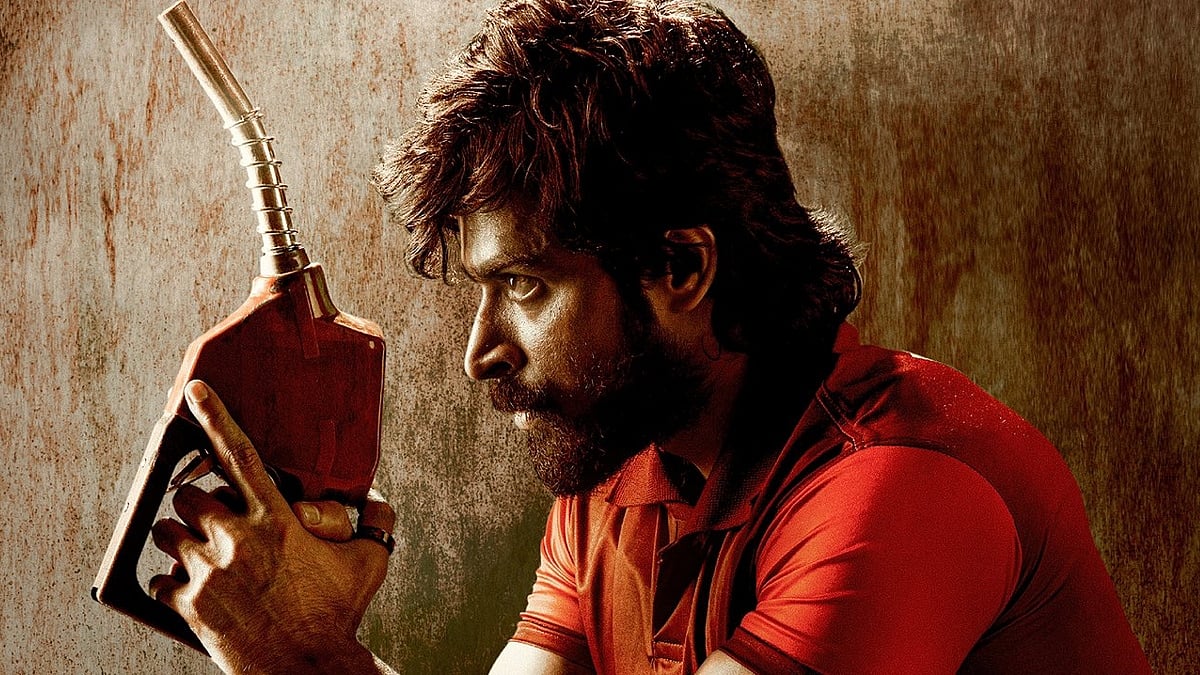
The delays Diesel faced in the release were a blessing in disguise. Not only the performance in a specific film, but also the precedents set by an actor determine a role’s authenticity. Had Diesel been released before Lubber Pandhu and Parking, chances of viewing Harish Kalyan as a commercial star would have been slim. With an opening song and the one-against-the-system trope, the change in the release order has made Diesel look like a proper launchpad for Harish Kalyan’s stardom. Although he initially struggles to carry this film, he ultimately manages to succeed. The supporting cast, including Vinay Rai, Sai Kumar, and Sachin Khedkar, performed their roles competently. Thankfully, Diesel has avoided the usual tropes that go into making the antagonist look menacing. It rather focuses on the evil deeds, adding more credence to the subject. Athulya and Ananya, except for the preclimactic scene, were wasted.
Diesel is a movie that requires caution regarding its expectations, and it succeeds in parts. The genuine efforts to showcase the struggles in fishermen’s livelihood and their living are also worth plaudits. But the poor writing choices create a disconnect between commercial appeal and the story’s needs. Such preferences are markedly bad that their effect lingers throughout the film, and under its weight, what should have been an exceptional film ends just as a passable one.