
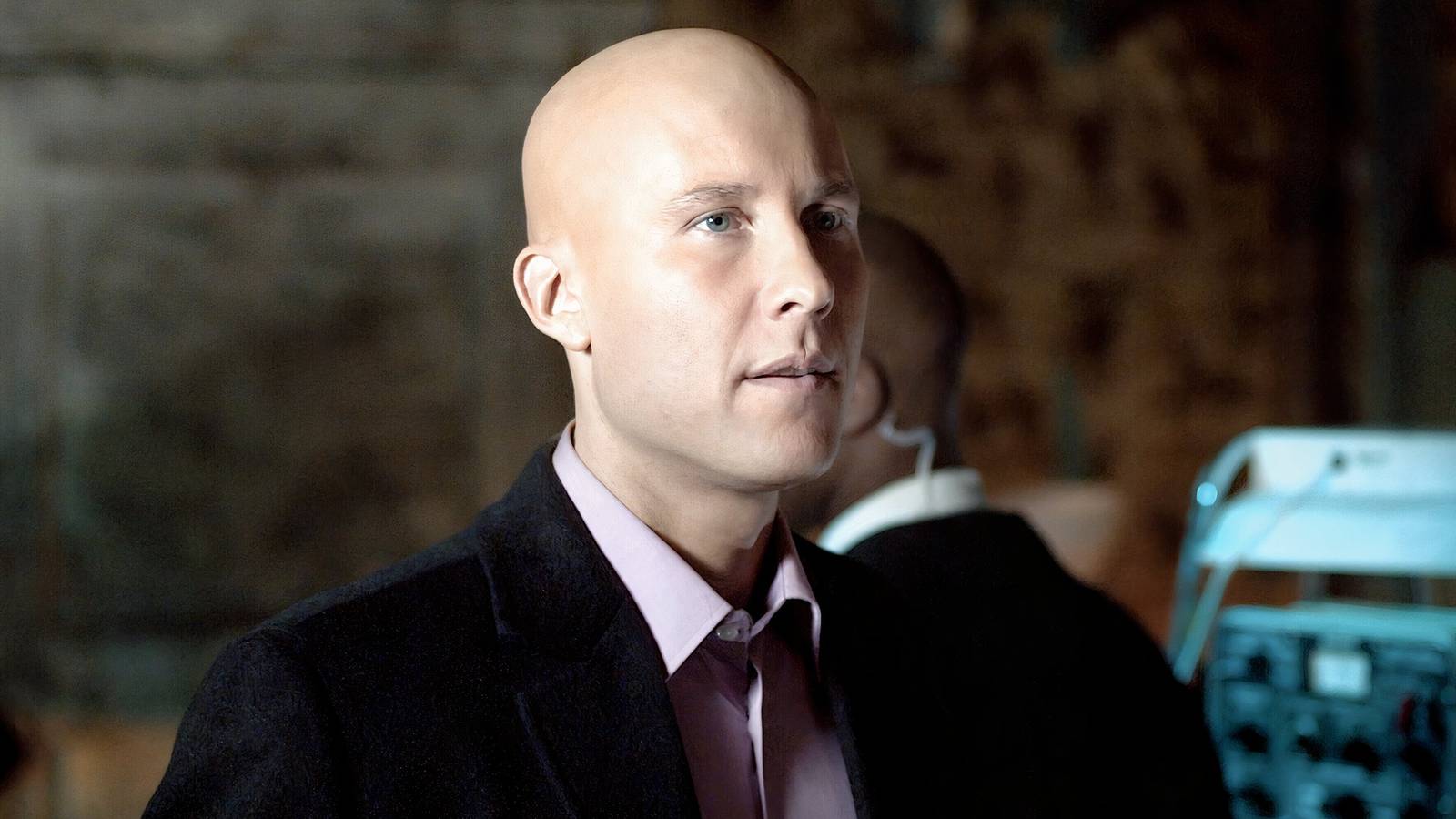
Smallville was on the air for 10 years, and over the course of that time, it had its share of villains come and go. Each season had its usual villain of the week, characters who were technically small, but still found a way to derail Clark’s life for a little while. But almost every season, the show also had arcs involving classic DC supervillains.
From Doomsday to Lex Luthor, Smallville incorporated an impressive lineup of supervillains into the show throughout the years. Some took a more grounded approach, operating in the background of Clark’s life for years before stepping into their full potential as a villain. Whereas others completely turned Clark’s life upside down, leaving behind drastic ramifications for Smallville. But regardless of their approach, each villain left an indelible mark on the show.
Sam Phelan Proved That Not All Villains Wear Capes, Some Wear Badges
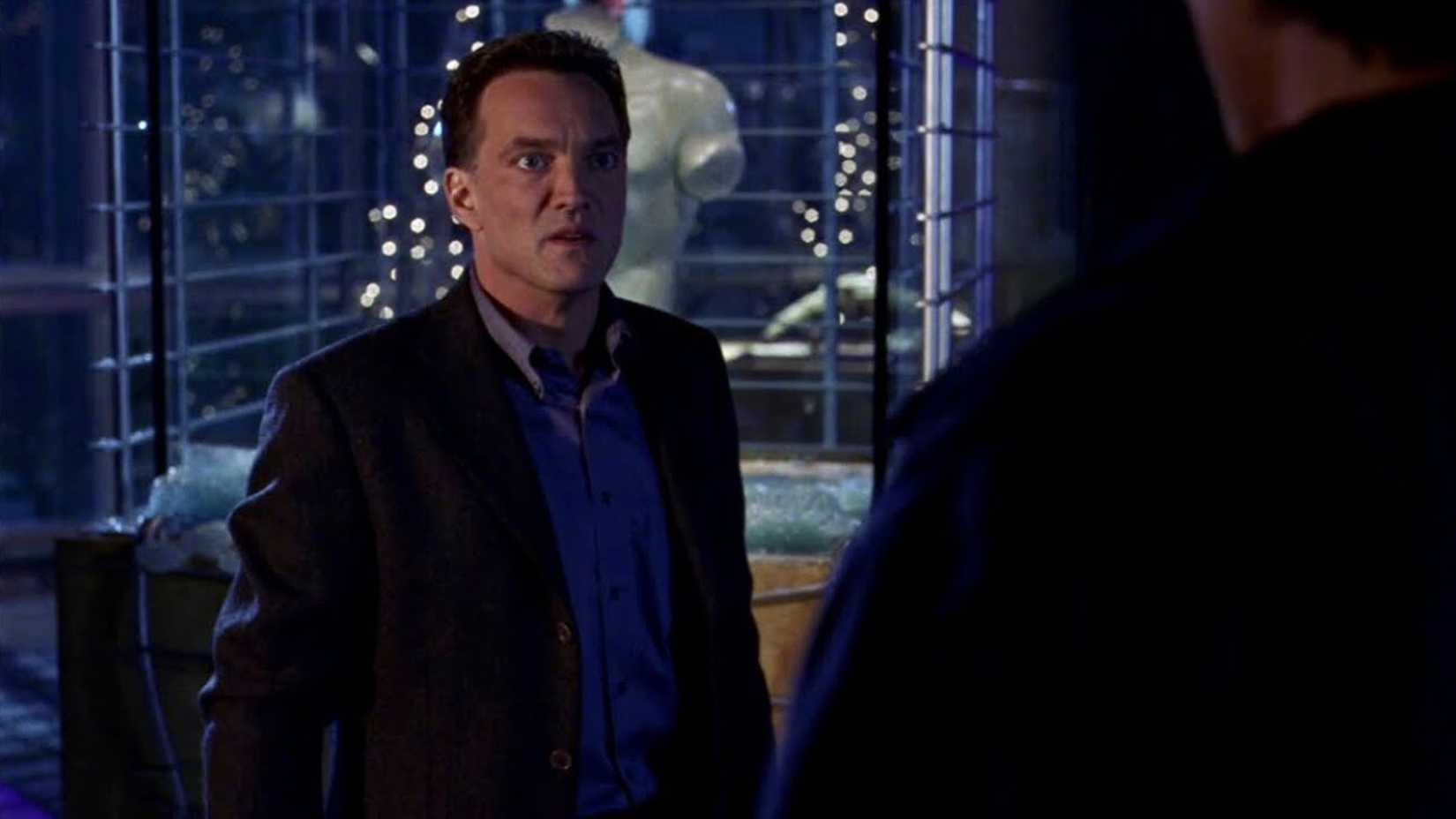
Image via The CW
Sam Phelan was a grounded but extremely dangerous antagonist. His blatant moral failings made him a serious threat to Clark. Phelan used his position as a police officer to manipulate situations to his own advantage, targeting anyone who could help him achieve his goals. Even without any impressive physical abilities, he manipulated the system using his authority and demonstrated to Clark that not all threats come from outer space.
Phelan forced Clark into some difficult ethical decisions. By blackmailing him, the officer was one of Clark’s first experiences navigating the morally gray areas inherent to being a superhero. Though his stint was short, Phelan’s impact was felt. In a show dominated by aliens and enhanced threats, the character was an apt demonstration of the vulnerability of humanity and the destruction that can be caused by those who abuse their power.
Tess Mercer Carved Out Her Own Path
Tess Mercer was an intriguing character. In season 8, she stepped in to fill the void left by Lex Luthor’s disappearance, taking over LuthorCorp with a blend of intelligence and ruthlessness. However, she also knew how to exercise restraint, choosing her alliances strategically to accomplish whatever goal she had at the time.
What’s particularly compelling about the character is her evolution from a villainous arc to one of redemption. As a newly discovered Luthor, she was forced to reconcile her family’s legacy of manipulation and deceit. Tess eventually began to carve out her own path, one driven by a desire for atonement. But her journey was cut short due to her untimely death at the hands of Lex Luthor.
Lionel Luthor Proved Human Villains Can Be the Most Dangerous
Lionel Luthor was the embodiment of manipulation and calculated cruelty in Smallville. It is no wonder Lex went down the path he did with a father like Lionel. As the head of LuthorCorp, he built an empire through deceit and ruthlessness, viewing morality as a weakness rather than a strength. Lionel saw himself as a god-like figure, orchestrating events from behind the scenes for his personal gain.
But the character also had an interesting duality. Lionel had moments of introspection and empathy, particularly in his arc with Martha Kent and during the later seasons. The soft spot he developed for Clark later in the show demonstrated a vulnerability to the character that went beyond his initial portrayal. It was his ruthless pursuit of power that destroyed him and caused the most destruction to those around him.
Morgan Edge Proved Power and Influence Can Be Deadly Weapons
Morgan Edge was a compelling villain. His arc as a ruthless businessman and crime lord extended across Metropolis’ lower and higher levels of power. Edge embodied the darker side of humanity’s capabilities with his greed and corruption. For the purposes of the show, this contrasted well with Clark’s uprightness and sense of idealism.
On Smallville, Edge doesn’t have powers but still represents the danger of what humans are capable of. He didn’t need powers to wreak havoc and cause destruction. Edge found ways to manipulate Clark and push him to confront the darkness and flawed ambitions present within him, without the impact offered by cosmic powers.
Lex Luthor Went From Friend to Foe on Smallville
Like the comics, on Smallville, Lex Luthor is portrayed as a brilliant and cunning businessman whose potential for villainy makes him a dangerous counter to Clark. But Smallville also explored the complexity of Lex’s relationship with Clark and his father. In the series, Lex demonstrates his ambitious nature and quest for power, but he also shows his ability to be an understanding, empathetic figure to the people in his life.
The character’s transformation is from a lonely, yet promising young man to a ruthless, power-hungry villain. Initially, the character shows great potential for helping others and acknowledging his conscience. But his relentless obsession with Clark’s abilities and Kryptonian heritage put him at odds with Clark, eventually destroying their relationship and leading Lex to abandon the good parts of himself.
Bizarro Forced Clark to Face Himself
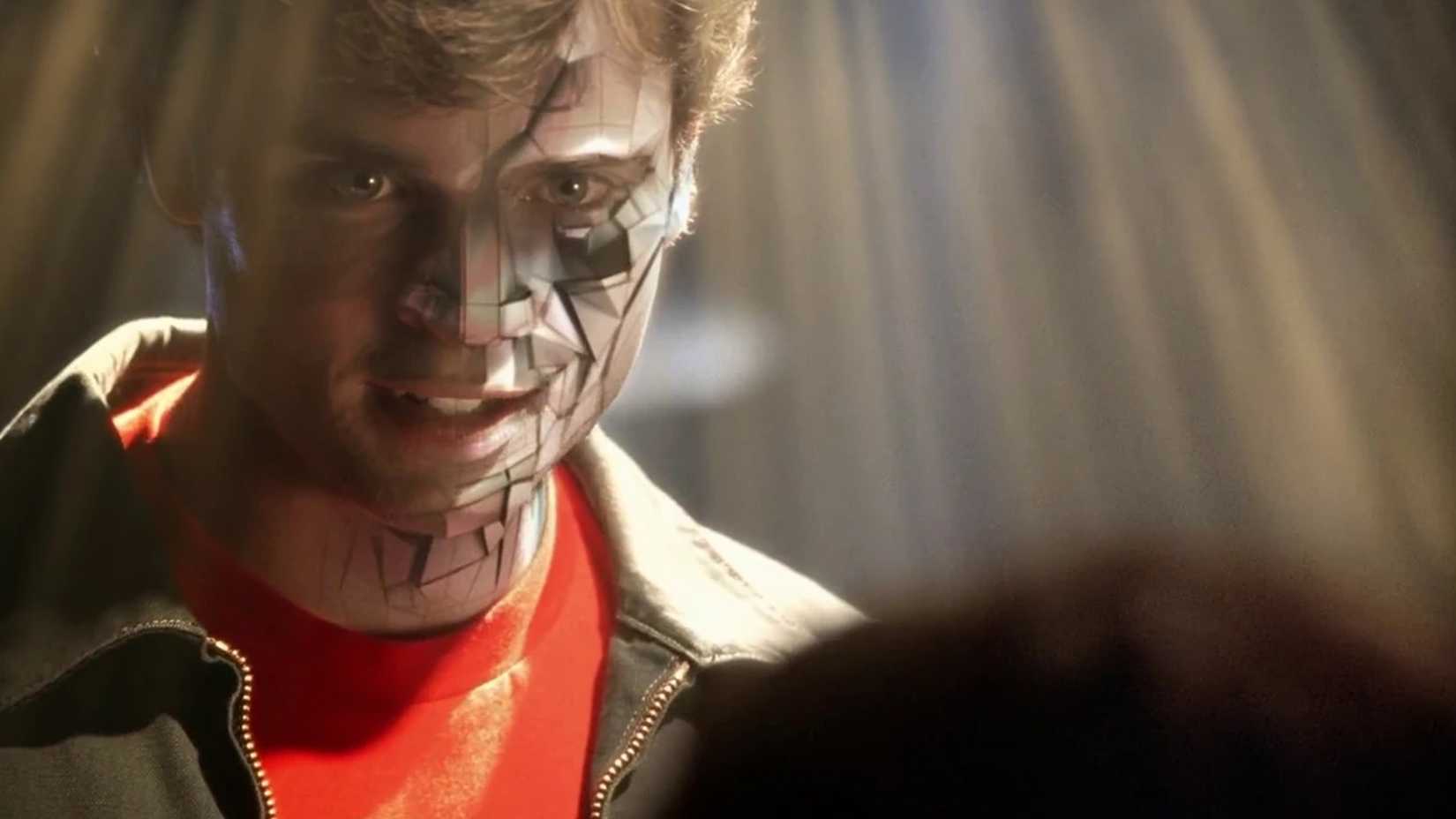
Image via The CW
Bizarro’s live-action adaptations are always interesting because of what the character represents. Bizarro is the unsettling reflection of Superman. He embodies Superman’s potential flaws and is the opposite of what the character stands for. Bizarro’s twisted visuals and anti-heroic actions emphasize the danger of unchecked power.
On Smallville, Tom Welling does a good job of stepping into this alternate version of the iconic caped character. Bizarro’s arc is chaotic, forcing Clark to confront the dark side of being Kryptonian and yielding immense power. The character is one of Clark’s most unpredictable enemies, as he possesses Clark’s powers but operates with a distorted moral compass born of confusion and a distorted sense of self.
Zod’s Vision Threatened to Destroy Humanity
Similarly to the comics, on Smallville, Zod was a soldier who became corrupted and power hungry. In the series, he becomes disillusioned due to Jor-El’s refusal to resurrect Zod’s son after he died in Kandor City. Following Krypton’s destruction, Zod travels to Earth to assert Krypton’s dominance and rule over humans. As a soldier, he is well-versed in combat and has the usual Kryptonian abilities: flight, heat vision, and super strength.
Zod proved to be a great obstacle for Clark, but was also a little more complex than Smallville’s other villains. Given his origins and tragic personal and familial history, the character fought with more than personal ambitions at stake. He had a chip on his shoulder fueled by revenge and frustration. As a result, this version of the character is more stripped down than his comic counterpart, both ideologically and physically.
Brainiac Proved That Knowledge Can Be Deadly
On Smallville, Brainiac is a Kryptonian AI built by Jor-El that becomes corrupted. After becoming sentient, the ultra-intelligent AI evolved into a nearly omniscient entity capable of orchestrating its own complex plans. Brainiac took on human appearances to covertly move through the human world and actively participate in manipulating those around it for its own purposes.
Over the course of his arc, Brainiac’s intelligence and strategic mind were on full display. As a result, he was a different kind of villain on the show, one that manipulated and infiltrated systems both in person and behind the scenes to accomplish his goals. His presence in Smallville demonstrates the danger posed by rogue technology, not only to the community but to the entire planet.
Doomsday Became Smallville’s Most Tragic Villain
Doomsday is a striking figure, due in part to both his abilities and his visual manifestation. In Smallville, he is depicted as a humanoid, the genetically altered product of Kryptonian DNA parents Zod and Faora. Whenever his human counterpart, Davis Bloome, became angry, he transformed into the monster known as Doomsday, a being capable of pure destruction and uninhibited murderous intent.
Throughout his arc on Smallville, Doomsday’s presence underscored the character as a nearly unstoppable force. His adaptive nature made it hard for him to be beaten, and his pretense as a “killing machine” made him one of Clark’s most violent adversaries. But Smallville also exposed the character’s vulnerabilities and internal struggles. While driven by violence, Doomsday’s tragic origin and chaotic background made his actions, at the very least, understandable.
Darkseid Was Smallville’s Final and Most Sinister Threat
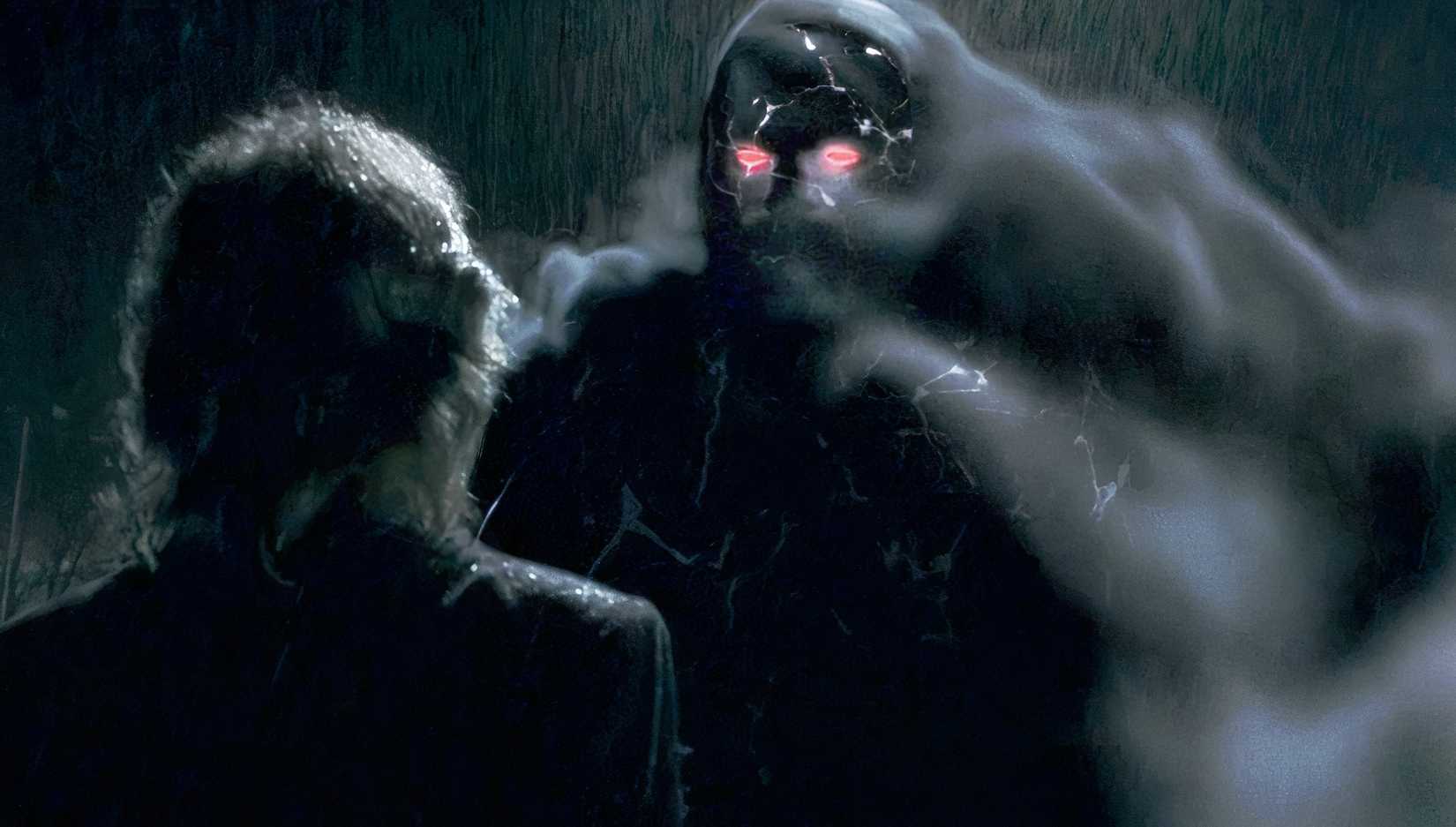
Darkseid talks to Lionel Luthor.Image Via The CW
In Smallville, Darkseid was introduced as one of Clark Kent’s most formidable opponents. He appears in season 10 as an evil entity seeking to corrupt beings and impose his will on the world. On Smallville, he did this by whatever means necessary, controlling humans like Gordan Godfrey to accomplish his dark-seeded goals.
Fans have long been divided on Smallville’s interpretation of the classic DC villain. Some felt that this iteration of Darkseid didn’t live up to his full potential. Regardless, the character’s arc in the series still embraces Darkseid’s ruthless nature. With Darkseid, Clark not only dealt with a physical threat but an existential one. The villain manipulated Clark’s innermost feelings and thoughts to try to bend him to his will. As a result, Darkseid’s ruthless ambition is the reason Clark ultimately steps into his full potential as Superman.