
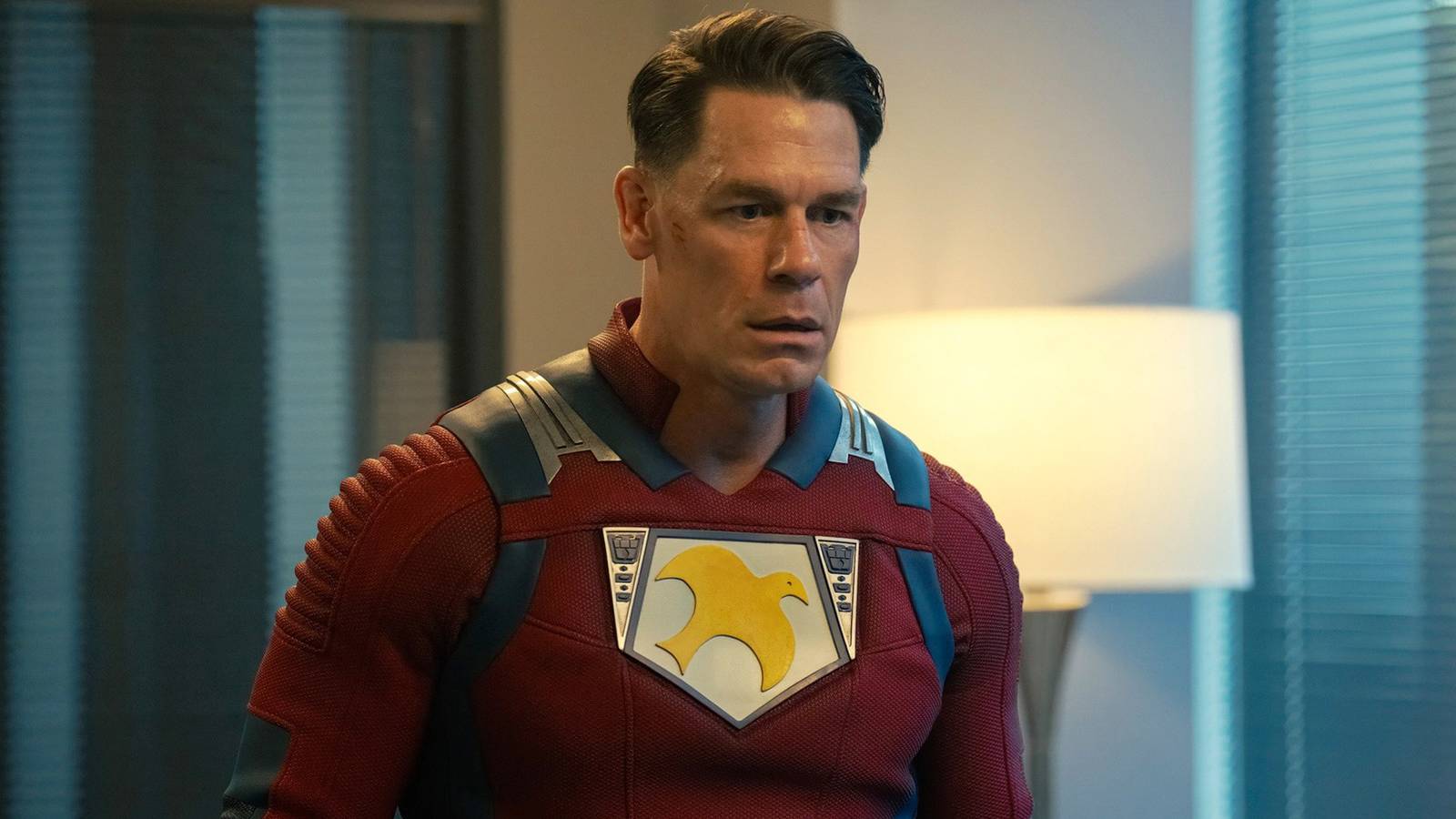
The Season 2 finale of Peacemaker has drawn a good deal of criticism from fans, with the episode being the lowest-rated episode of the first two seasons on IMDB. If people don’t like an episode, that’s totally fair enough. I certainly don’t begrudge anyone if a TV episode didn’t resonate with them. If you dislike it, then that’s fine by me. However, I think that it’s one thing to dislike an episode, and it is another thing to misrepresent a major aspect of the episode, and I think that’s happening repeatedly with the Peacemaker Season 2 finale.
Whatever you may think about the finale of the season, with Peacemaker being held as the first prisoner in the prison dimension known as Salvation, it is not a cliffhanger. The season had a clear beginning, a clear middle, and a clear ending. If there was never another season of Peacemaker, or if the character never appeared in another program or film, the Season 2 finale would have served as a true ending. It would be a DOWNBEAT ending, to be sure, but there is a very large difference between a downer ending, and a cliffhanger ending.
Why isn’t Peacemaker’s Season 2 finale a cliffhanger ending?

John Cena as Chris Smith in a field on PeacemakerImage via DC Studios
One of the most famously bittersweet series finales in TV history is the Angel Season 5 finale, “Not Fade Away.” In that episode, after a season of playing along with the demonic law firm of Wolfram & Hart, Angel reveals his plans to take down the Senior Partners, beginning with eliminating the Circle of the Black Thorn (the main cabal on Earth serving the Senior Partners). By splitting up, and attacking each of them at the same time (thus preventing any one of them from warning the others), Angel and his associates kill them all, but not without Wesley dying in the process. Lorne also left the team after he and Lindsey completed their mission, as Angel had given Lorne a secret side mission of betraying Lindsey, and killing him. Lorne agreed, but insisted that that would be the last time he would work with Angel.
After they all succeeded, the Senior Partners retaliate by sending an army of demons to kill them, even including a DRAGON. The remaining heroes are much worse off for the wear (with Gunn, in particular, in pretty rough shape). However, they all follow Angel into battle against the demons, with Angel saying one last line, “Let’s go to work,” before they charge into their seemingly suicidal battle.
So, would you call that a cliffhanger ending? Of COURSE not, right? It’s just a bittersweet ending. But I think people have associated anything being left unresolved as being a “cliffhanger,” and that’s not the intent of the term.
Speaking of Joss Whedon shows, a year earlier, Spike was seemingly killed in the finale of Buffy the Vampire Slayer. At the time, Joss Whedon knew that he was going to revive Spike, and bring him over to Angel, but that doesn’t make the ending of Buffy a cliffhanger. We all know that James Gunn plans to pick up Peacemaker in the future of the DC Universe, and more specifically, he plans to pick up the use of Salvation. That doesn’t mean that Peacemaker Season 2 didn’t have a clear ending. It just had an ending that could be picked up at a future point if Gunn wants to do more with the concept (and we all know he WILL do more with these concepts).
Why is Peacemaker’s Season 2 ending a true ending to the season?
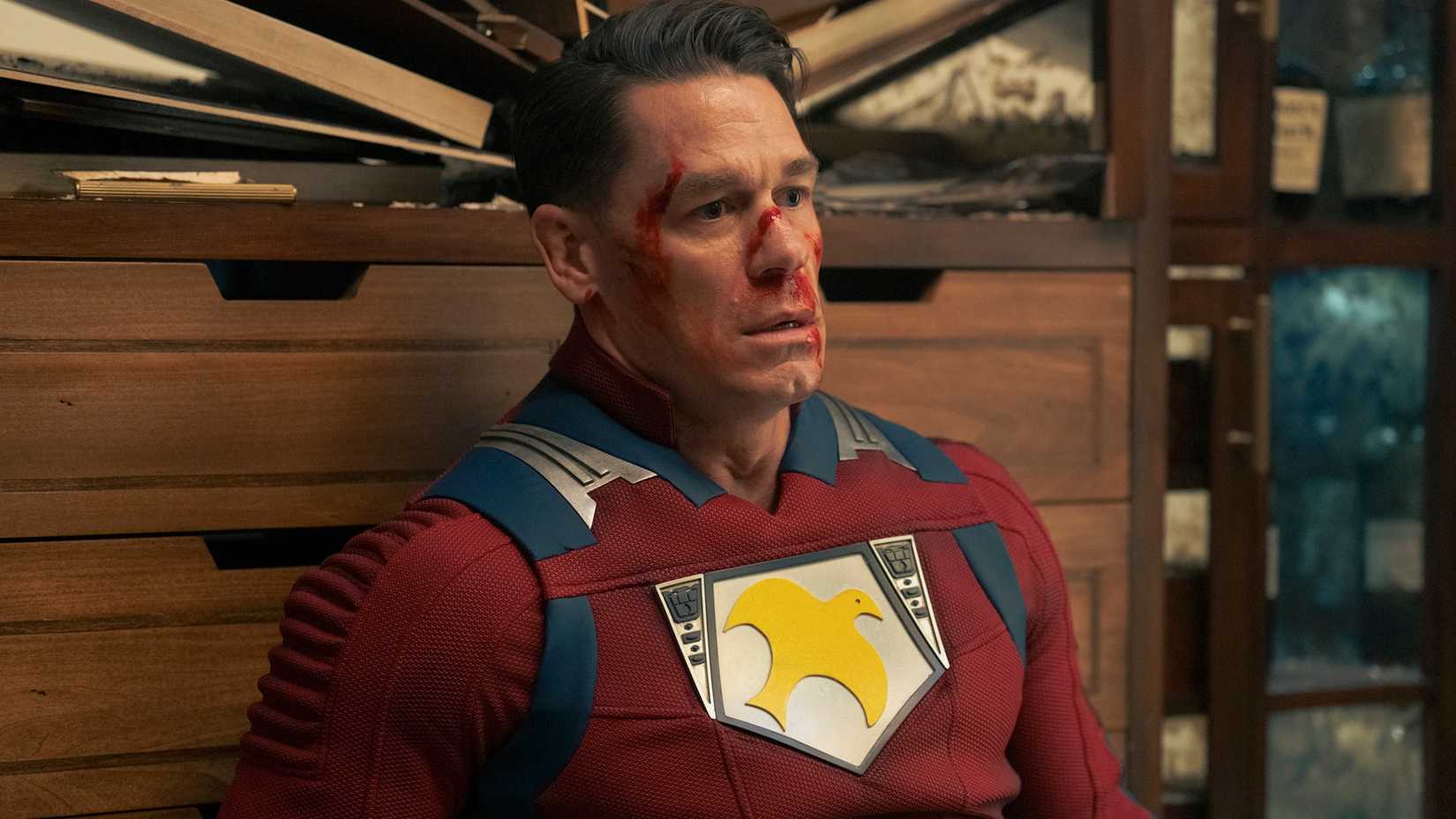
Image via DC Studios
In the first season of the series, Peacemaker finally proves himself as a superhero who could (and did) save the entire planet. And yet, as we saw in Season 2, that doesn’t erase the trauma that Christopher Smith went through, and it doesn’t erase the bad things that Christopher Smith has done, either.
If Season 1 was all about redeeming the name “Peacemaker,” then Season 2 was all about the man behind the mask, and we saw him still dealing with all the trauma that he held in Season 1 (his memories of killing his brother, and then killing his dad at the end of the season, plus, of course, killing Rick Flag Jr. in the Suicide Squad movie). He tried to retreat from the trauma by going to another universe where his father and brother were still alive, and he was so obsessed with the idea of “erasing” the trauma that he failed to see that the other universe was ruled by Nazis.
However, while Chris is responsible for driving some of the negative resuls of the plot by his actions (like killing RIck Flag Jr., thus causing Rick Flag Sr. to want revenge on Chris), he is also responsible for bringing the 11th Street Kids together, and it is through their bond that all of them work through their various traumas, as well, and end the season in a much better place as Checkmate. We see Chris celebrate with Emilia Harcourt at the Foxy Shazam concert, and if the season ended there, that would be fine.
It didn’t end there. Even as Chris grew as a person in this season, he was still the guy who murdered Rick Flag Jr., and his past actions took him from his seemingly happy ending, and ended up in Salvation, with Rick Flag Sr. getting some measure of revenge on his son’s murderer. How is that not a complete story? That’s plainly a complete story! Chris kills Rick Flag Jr., Rick Flag Sr. captures him and puts him in prison.
The fact that Peacemaker’s story will probably continue in other DC films doesn’t make Season 2 not a complete story. The existence of The Kingdom doesn’t make Kingdom Come not a complete story. James Gunn’s entire DC Universe could end with Peacemaker Season 2, and it would still be a complete story, just a bittersweet one with a downbeat ending. If you don’t like downbeat endings, that’s totally fine, but that doesn’t make it a cliffhanger.