
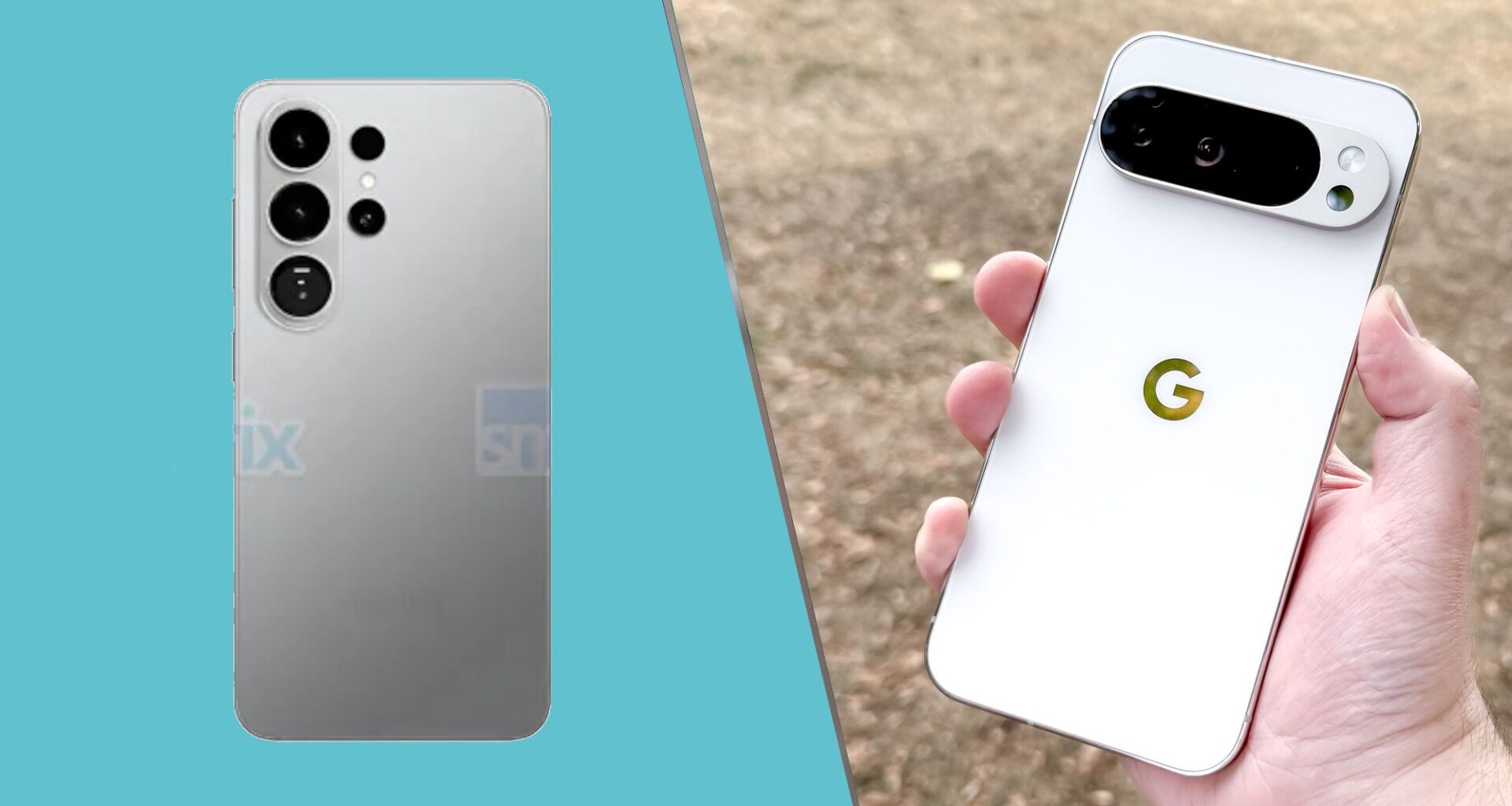
When it comes to Android phones the big question that’s always being asked is who has the better offering, Google or Samsung? With the Google Pixel 10 Pro XL already on sale, and the Galaxy S26 Ultra coming early next year, we’re going to have to decide which phone is going to be the king of Android flagships.
While the Pixel 10 Pro XL didn’t quite have as many upgrades as we’d have liked, it’s still an incredible phone to have — with hardware and software you can’t get elsewhere right now. Super-bright display, long-lasting battery, Qi2 wireless charging, and the best AI features Google has to offer.
You may like
Samsung Galaxy S26 Ultra vs Google Pixel 10 Pro XL: SpecsSwipe to scroll horizontallySamsung Galaxy S26 Ultra vs Google Pixel 10 Pro XL: Specs
Galaxy S26 Ultra (rumored)
Pixel 10 Pro XL
Display
6.9 inches QHD+ (120Hz)
6.8 inches
CPU
Snapdragon 8 Gen 5 / Exynos 2600
Tensor G5
RAM
16GB
16GB
Storage
256GB, 512GB, 1TB
256GB, 512GB, 1TB
Rear cameras
200MP main, 50MP ultrawide, 12MP 3x telephoto, 50MP 5x telephoto
50MP main, 48MP ultrawide, 48MP 5x telephoto
Front camera
12MP (f/2.2)
42MP
Battery
5,000 mAh
5,200 mAh
Colors
Titanium Silverblue, Black, Bray and Whitesilver
Obsidian, Porcelain, Moonstone, and Jade
Samsung Galaxy S26 Ultra vs Google Pixel 10 Pro XL: Price & release date
(Image credit: Tom’s Guide)
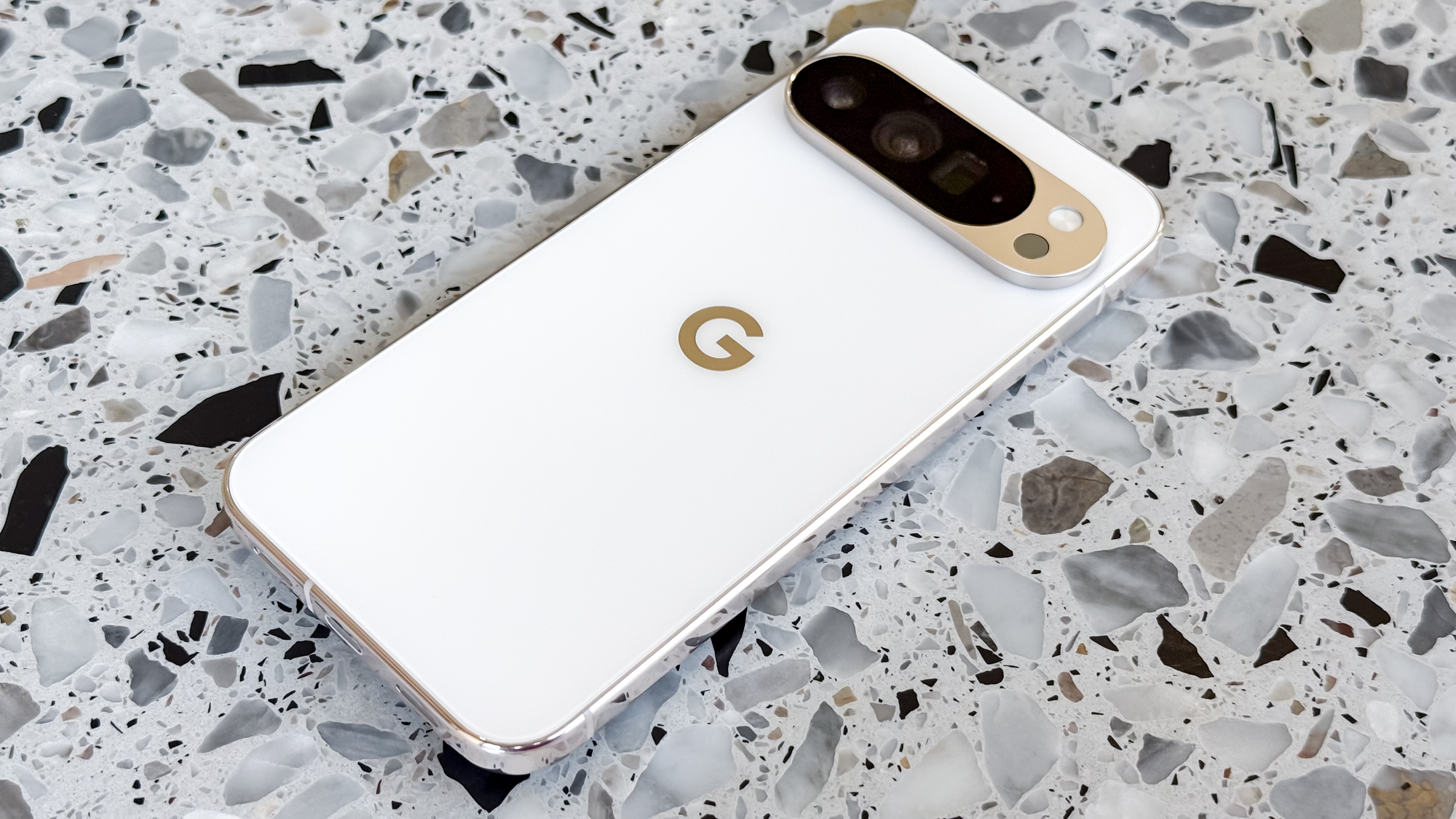
While the Pixel 10 Pro XL is available now starting at $1,199, which is pretty expensive as far as Google phones go, the Galaxy S26 Ultra is likely to be more expensive. The S25 Ultra starts at $1,299, and we can’t see its successor getting any kind of price cut at launch.
In fact there are rumors that the phone may get even more expensive, as Samsung faces a bigger bill for actually building the Galaxy S26 series. There’s also the constant threat of tariffs affecting the price of the phone in the U.S., a situation that always seems to be confusing and in flux.
We won’t know for sure until Galaxy Unpacked next year, but it’s safe to say that it’s still going to be the pricier of the two phones. As for Galaxy Unpacked, that’s rumored to be taking place towards the end of February — and likely means we can expect the S26 Ultra to be released in early March.
Samsung Galaxy S26 Ultra vs Google Pixel 10 Pro XL: Design & Display
(Image credit: @IceUniverse on X)
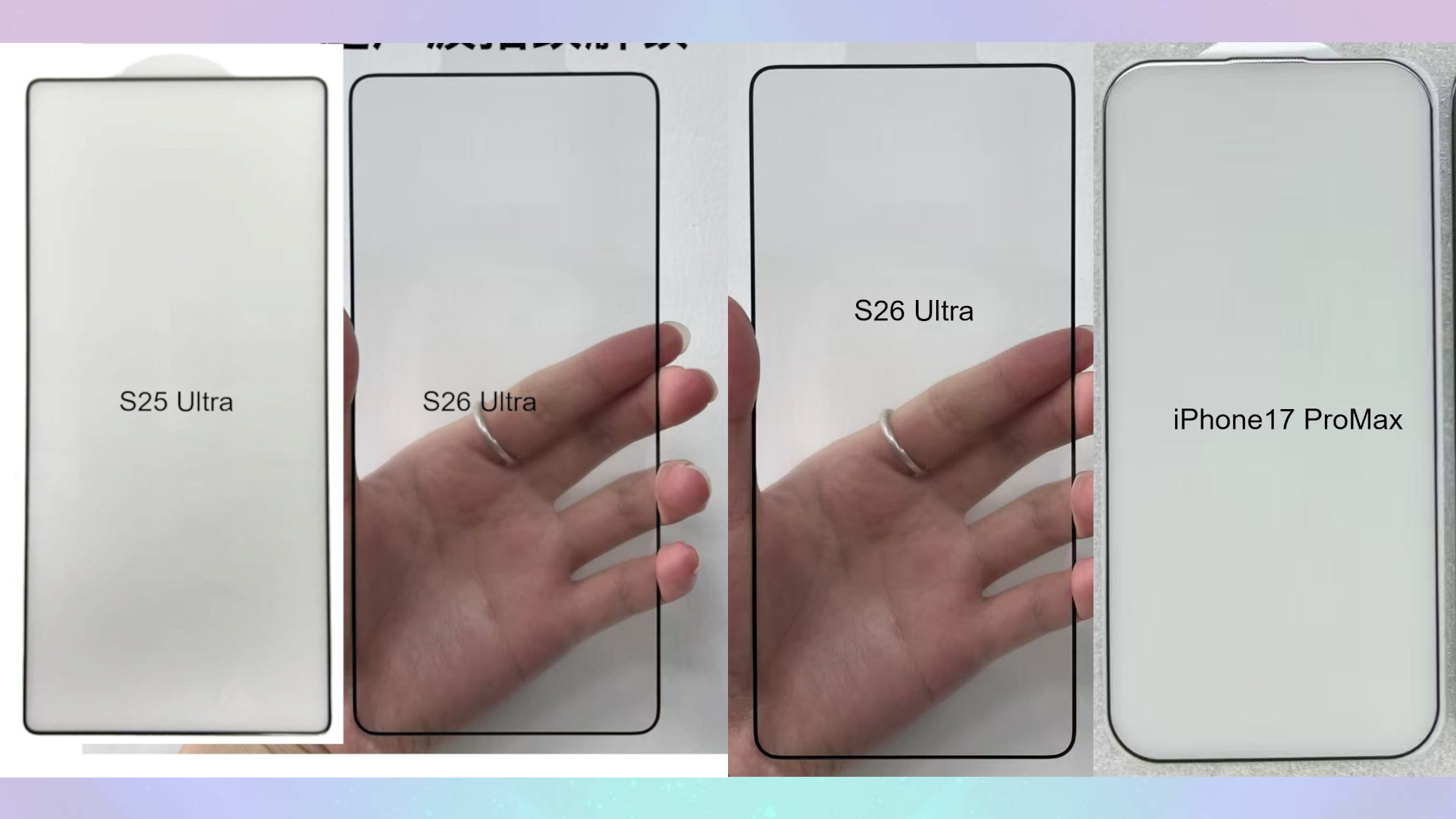
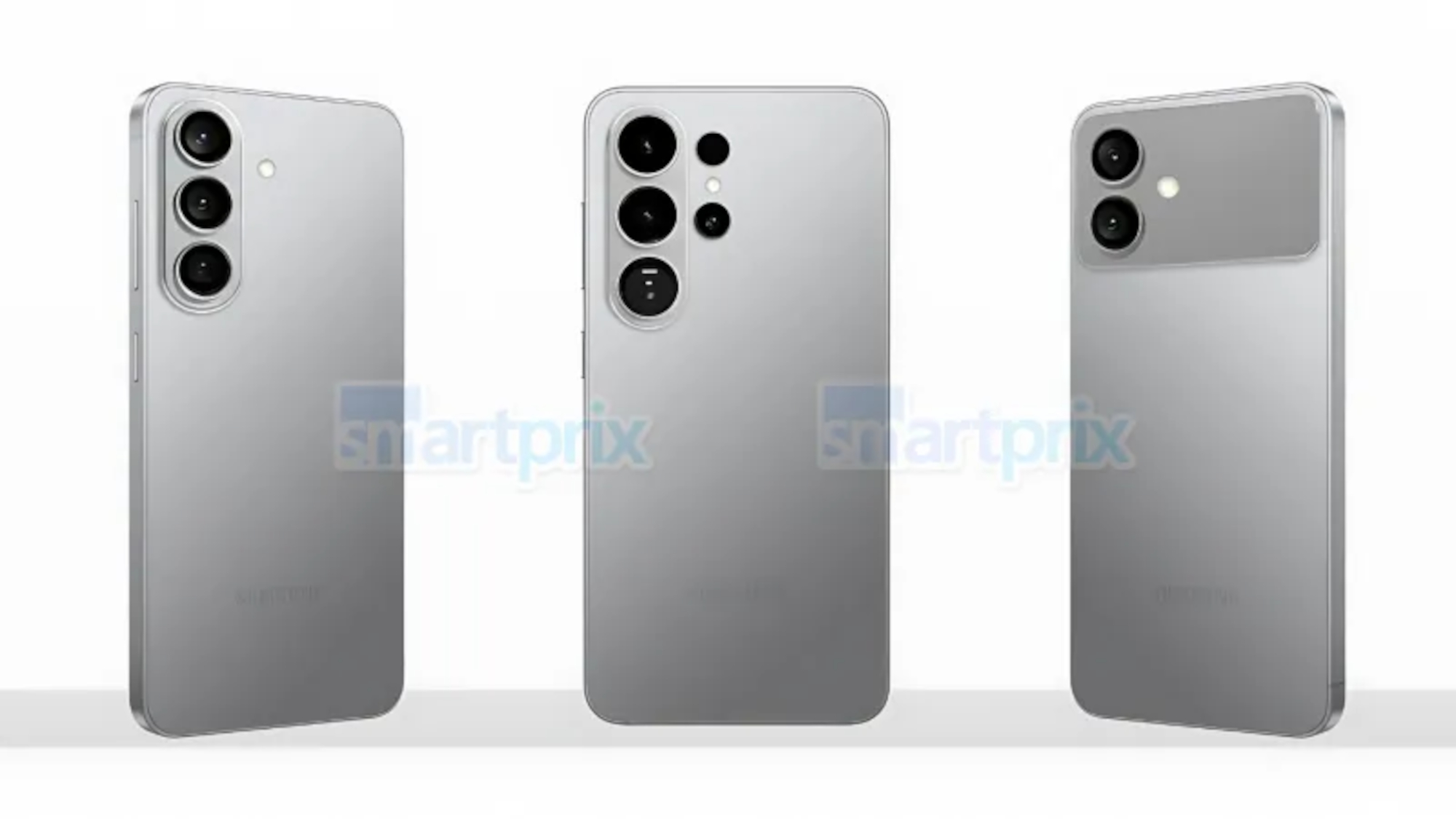
We don’t expect a whole lot to change with the Galaxy S26 Ultra’s design, and even the most recent leaked renders suggest that it will be maintaining that curved-iPhone-inspired look with rounded edges. The same look the Pixel 10 Pro XL has, and the only major difference between them is the layout of the rear cameras.
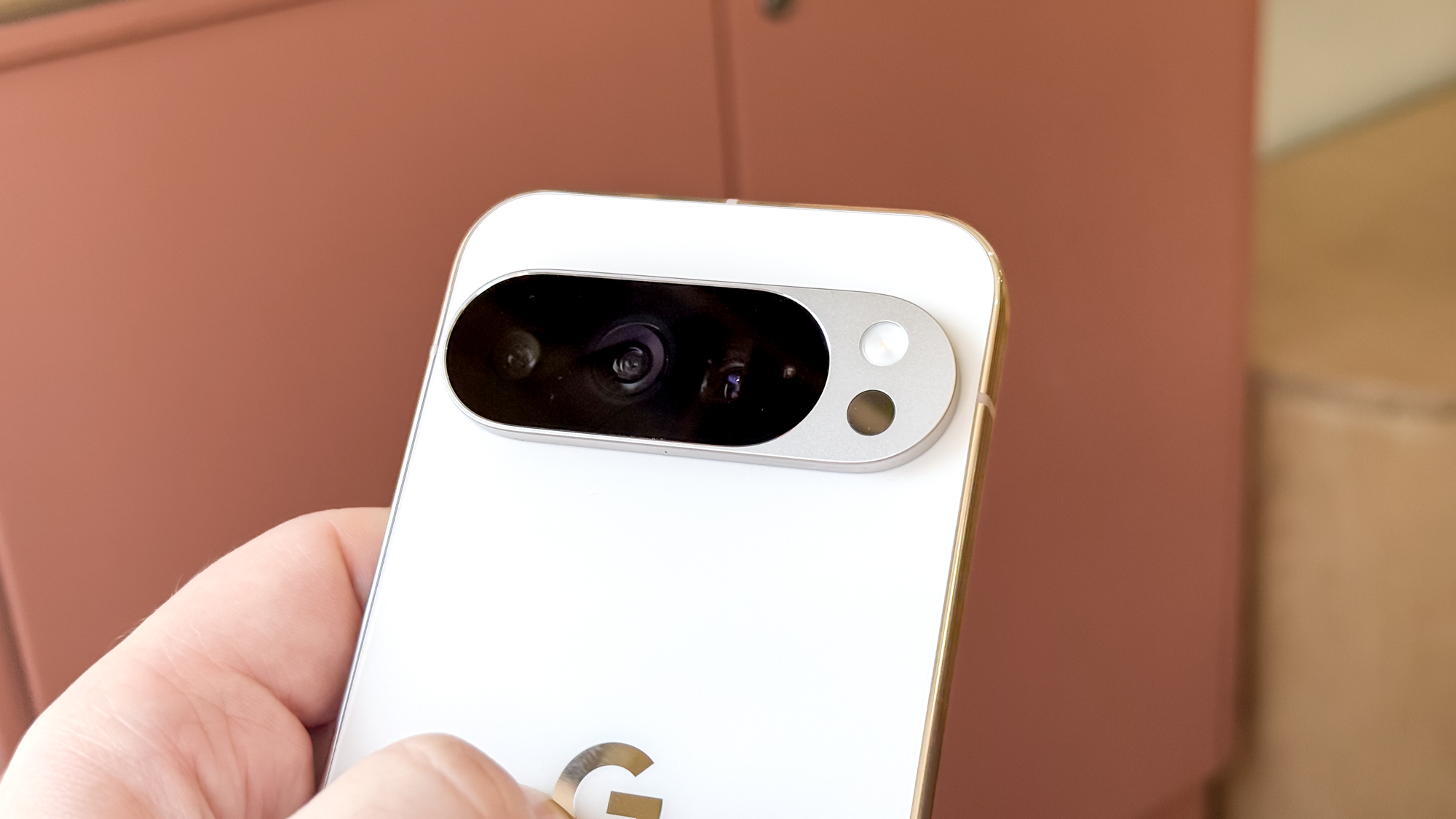
Google employs a full-width camera bar that protrudes from the back of the phone, while Samsung has a much slimmer camera bump — not to mention four rear lenses.
The major benefit the Pixel 10 Pro XL has is its Super Actua display, which ended up being the brightest display we’d ever tested at 2,555 nits. Meanwhile, the S25 Ultra hit just 1,860, which isn’t nearly as impressive or useful. One way Samsung may catch up is by employing M14 OLED panels in the S26 Ultra, which is the same tech Google uses.
You may like
M14 panels offer much higher brightness, which could give Samsung that much-needed boost. However, since Apple also uses M14 panels, and the iPhone 17 Pro Max hit 1,899 nits in our testing, simply having an M14 won’t be enough on its own.
Other leaks include the possibility of an under-display selfie camera, and it’s unclear whether the S Pen will be making a comeback. Some have speculated that Samsung could remove the digitizer layer to reduce thickness, but there have also been reports that Samsung is dissatisfied with the alternatives. Considering the S Pen is one of the few unique features of the Ultra Galaxy phones, it would be a shame to scrap it like Samsung did with the Galaxy Z Fold 7.
Samsung Galaxy S26 Ultra vs Google Pixel 10 Pro XL: Cameras
(Image credit: Tom’s Guide)
There’s bound to be a lot of disparity between the cameras on Galaxy S26 Ultra compared to the Pixel 10 Pro XL. If only because of what Samsung’s flagships have included before — with extra hardware like the 200MP main camera and the second telephoto lens. Meanwhile, the Pixel 10 Pro XL has a 50 MP main lens, 48MP ultrawide and 48MP telephoto lens with 5x optical zoom — plus 100x SuperRes Pro Zoom with AI enhancement,
Considering the Galaxy S25 Ultra is the best camera phone you can buy we’d expect that the S26 Ultra would be able to match that — and perform better than the Pixel 10 Pro XL in a head-to-head shootout.
Upgrades slated for next year’s Galaxy include a variable aperture, which hasn’t been seen since the Galaxy S10. There are also claims that the Ultra will also utilize an f/1.4 aperture with the ability to take 47% more light into the camera — improving picture quality and low-light photography in the process.
The secondary telephoto lens is slated for some kind of upgrade, and the current opinion is that the 10MP telephoto lens will rise to 12MP — with the same 3x magnification as normal.
Samsung Galaxy S26 Ultra vs Google Pixel 10 Pro XL: Performance
(Image credit: SmartPrix)
We don’t even need to benchmark the Galaxy S26 Ultra to confirm that it’s going to destroy the Pixel 10 Pro XL on the performance side of things. For starters, the Galaxy S25 Ultra’s performance figures are leagues ahead of what Google’s Tensor G5 has to offer, and those numbers are only going to get bigger with the launch of the Snapdragon 8 Gen 5 Elite.
Google’s always maintained that the Tensor chips are built for AI, security and photography — and we can’t deny that they seem to perform more than adequately with those tasks. Then again, Qualcomm has a big focus on AI with the flagship Snapdragon chips, and Samsung handles its security in-house with Knox. So those raw figures still mean Samsung regularly comes out on top.
The real question is how performance is going to compare with the Exynos 2600 chipset instead. Samsung is rumored to be adding its own 3nm chipset to Galaxy S26 models outside North America. In the past, this only happened with the base and Plus models, but rumor has it that the Ultra could receive the same treatment. Historically, the performance of Exynos chips has been slightly weaker compared to Qualcomm chips, though the divide is nowhere near as great as that between Qualcomm and Tensor — so either way, Samsung should come out on top in the benchmarking tests.
What will be interesting to see is how much RAM Samsung puts into the Galaxy S26 Ultra. More RAM means better on-device AI capabilities, which is why Google has opted for 16GB of RAM on recent flagships — including the Pixel 10 Pro XL. Meanwhile, the Galaxy S25 Ultra comes with 12GB as standard.
We have seen one report that suggests that Samsung may opt for 16GB of RAM next year, which certainly makes sense — even if it’s reserved for models with higher levels of storage. That has been known to happen in the past.
Samsung Galaxy S26 Ultra vs Google Pixel 10 Pro XL: Software & AI
(Image credit: Shutterstock)
Google and Samsung have a pretty strong alliance when it comes to AI, which means that Galaxy flagships always come with the latest and best features from Google Gemini — plus a few extra developed in-house by Samsung itself. That could include integration with Perplexity AI, which is rumored to be getting baked into Bixby.
That’s not to say that the S26 Ultra will feature all the same new AI enhancements as the Pixel 10 Pro XL. Some of those features are kept reserved for Pixel phones, thanks to their reliance on Tensor chipsets. Since Samsung doesn’t use Tensor chips, it means those AI features are firmly off limits.
It’s unclear which new Pixel 10 XL AI features will actually be on offer to Samsung, and it certainly has a lot of them. Conversational Editing is a personal favorite, since it lets you ask Google Photos for specific edits — rather than having to do it yourself. I could see this making a jump to Galaxy phones, even if it’s not the same AI features as Google has to offer.
The fact that you can make edits via prompts is so helpful that Samsung would be stupid not to try and push its own version. The same goes for Magic Cue, which uses on-device AI to surface useful pieces of information when it thinks you need them — such as appointments and upcoming deliveries. Again, this is something Samsung likely has planned for, even if it’s rolled into the Now Brief features rather than utilizing Google’s own system.
Samsung already has its own 100x zoom with AI enhancements, and I suspect that the Galaxy S26 Ultra will offer its own improvements to that process. If only to boost the overall quality of the final image and better compete with the Pixel 10 Pro XL’s, frankly, super impressive results.
Samsung Galaxy S26 Ultra vs Google Pixel 10 Pro XL: Battery
(Image credit: Tom’s Guide)
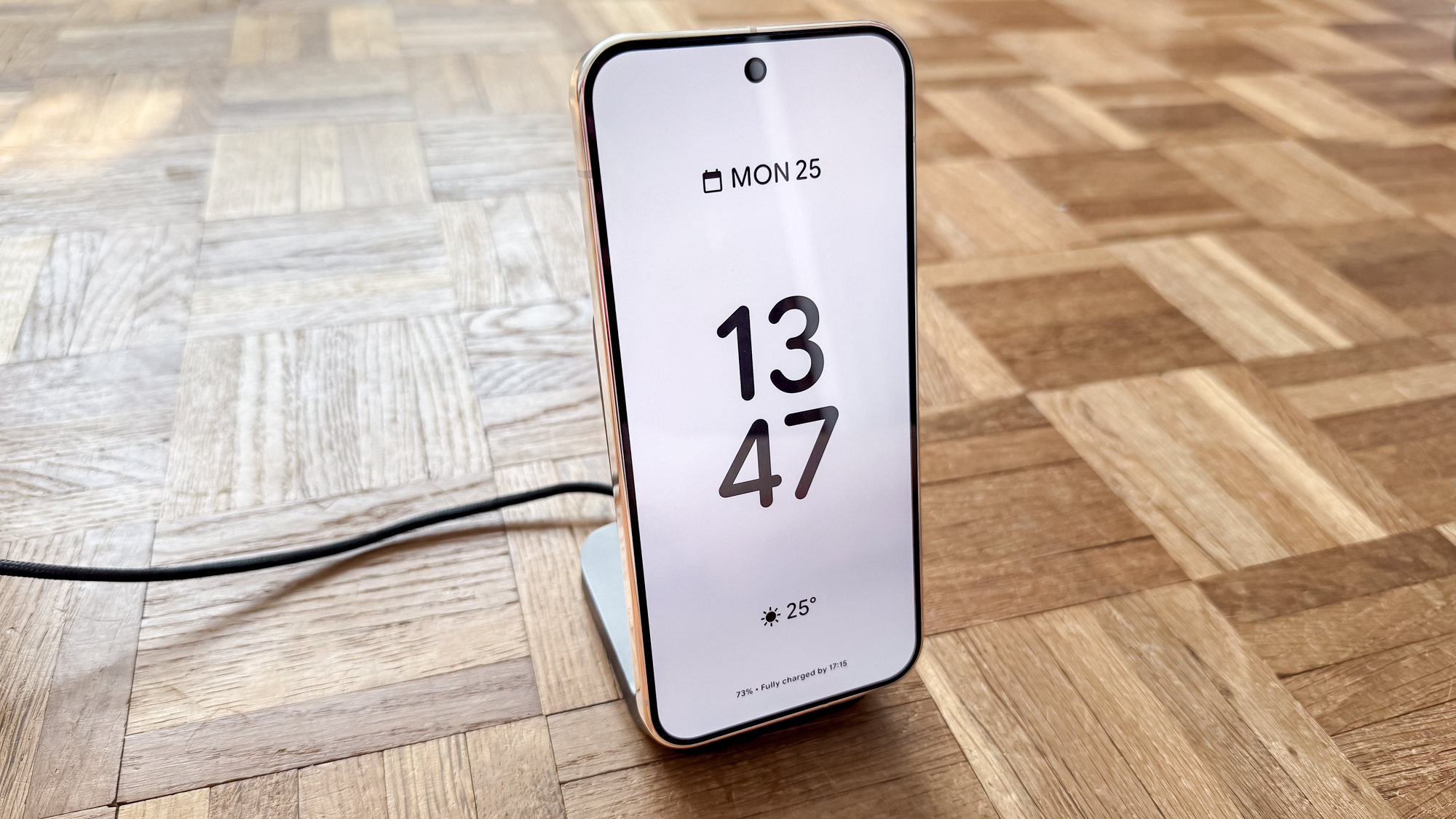
Like the performance, there’s no denying the Galaxy S26 Ultra will outperform the Pixel 10 Pro XL in battery life. While the 10 Pro XL did last an impressive 14 hours and 20 minutes, the likes of the Galaxy S25 Ultra and iPhone 17 Pro Max exceeded 17 hours during testing. We expect that the Galaxy S26 Ultra should follow their lead.
This is even though the S25 Ultra actually has a slightly smaller battery, with a 5,000 mAh power pack compared to Google’s 5,200 mAh. It just goes to show how important energy efficiency is in the grand scheme of things.
We are looking at some upgrades with the Galaxy S26 Ultra, though. While the 5,000 mAh battery is expected to stick around for another couple of years, it’s rumored that Samsung may reduce its physical size by adopting silicon-carbon battery chemistry — which allows more battery capacity in a smaller area.
It’s also claimed that we may see wired charging speeds increase from 45W to 60W. Whether wireless charging will get the proper Qi2 experience, with magnets, is still unclear. Google added this to all Pixel 10s, and the XL model came with the advantage of Qi2.2, which boosted wireless charging speeds to 25W.
Samsung Galaxy S26 Ultra vs Google Pixel 10 Pro XL: Outlook
(Image credit: SmartPrix / Tom’s Guide)
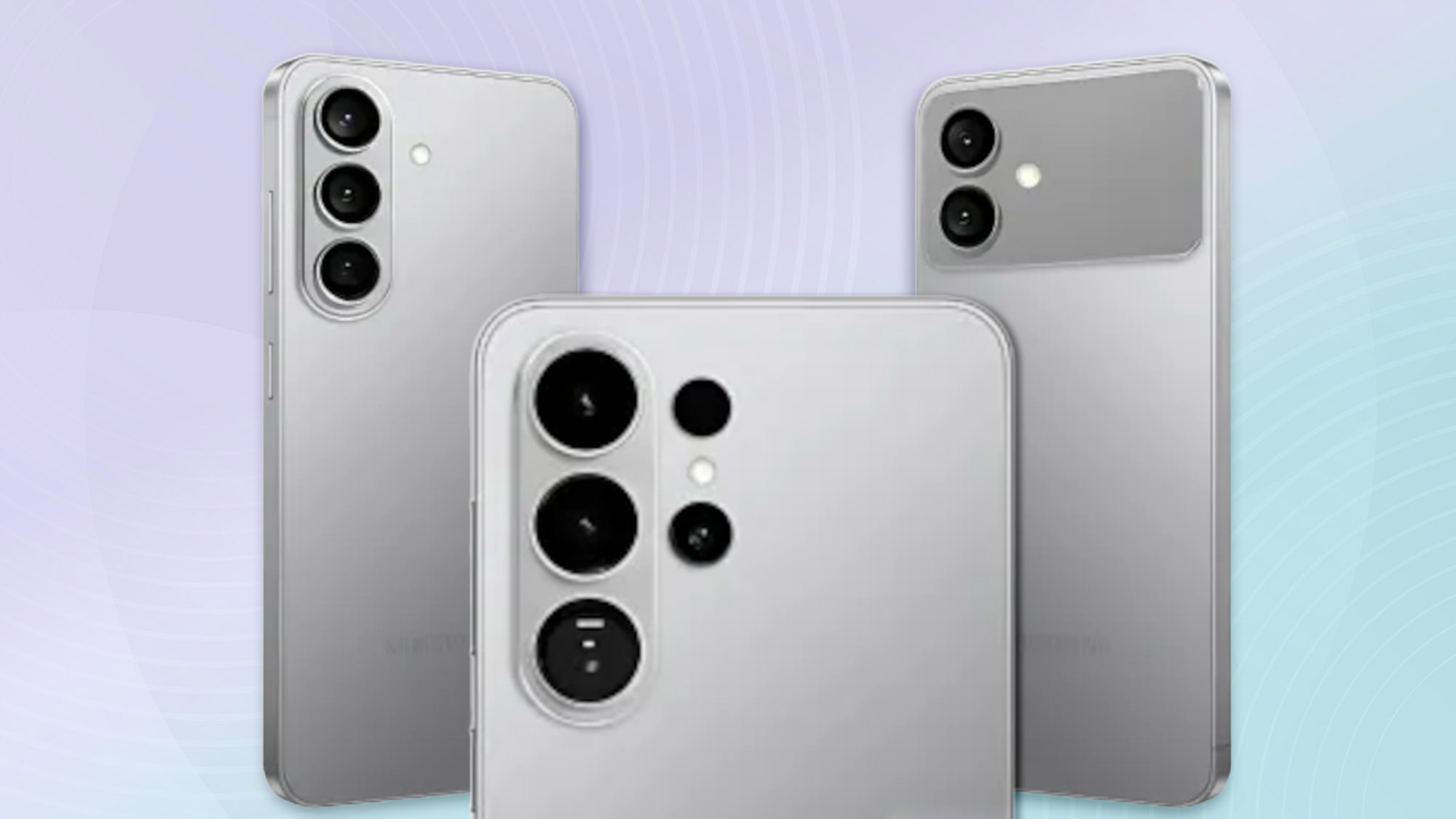
The Samsung Galaxy S25 Ultra has been the Android phone to beat, and unless Samsung really drops the ball with the Galaxy S26 Ultra it’s likely to take over that position after launch. While it will likely offer more than the Pixel 10 Pro XL in several key areas, Samsung is going to have to go after the areas where Google excels.
That’s going to mean the company will be taking a hit if prices increase by too much, or if it doesn’t have enough to take on Google’s AI prowess head-to-head. Then again, with core features like the cameras, battery life and performance almost guaranteed to shine as bright as the Pixel 10 Pro XL’s display, it definitely has what it takes to maintain dominance. But we won’t know for sure until next year, after the new phone actually arrives.
Do you prefer Samsung’s phones or are you a member of Team Pixel? Let us know in the comments box below.

Follow Tom’s Guide on Google News and add us as a preferred source to get our up-to-date news, analysis, and reviews in your feeds.
More from Tom’s Guide