
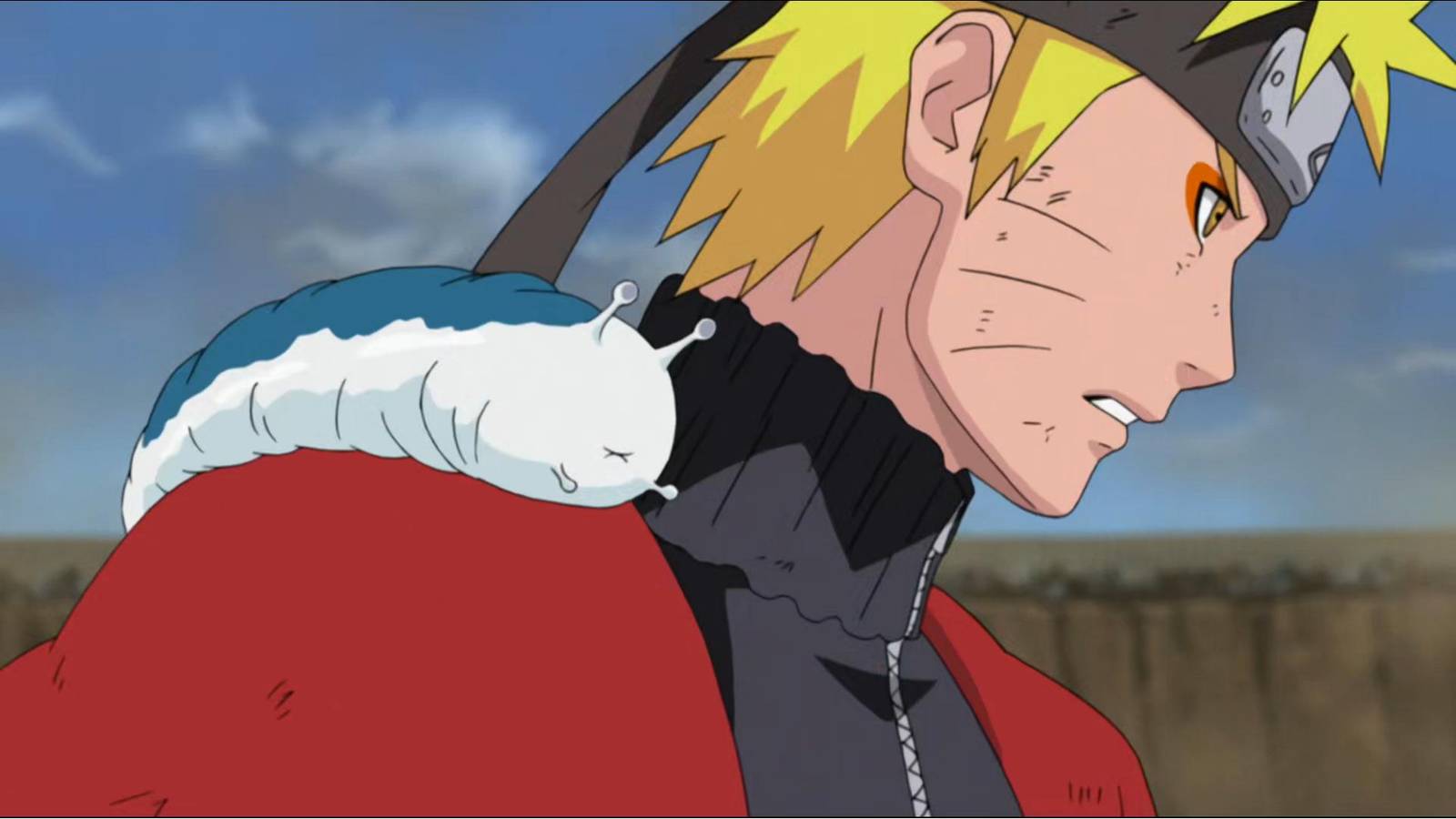
Naruto is among the greatest shonen of all time, but even die-hard fans like me have to admit that the tale of Naruto Uzumaki is one of the most hypocritical stories ever told. When the first version of Naruto was published in 1997, two years before it began serialization, I doubt that Masashi Kishimoto imagined that his work would become a best-selling manga.
The trajectory of Naruto, the character, mirrored the success of the franchise in many ways. Once a hopeless kid with seemingly no aptitude to become a ninja, Naruto Uzumaki would eventually take part in the Fourth Great Ninja War and help create a new Shinobi World in which the cycle of hate identified by Nagato was no more. However, as beautiful as Naruto’s journey was, it was also painfully hypocritical.
Naruto Proved Neji Right
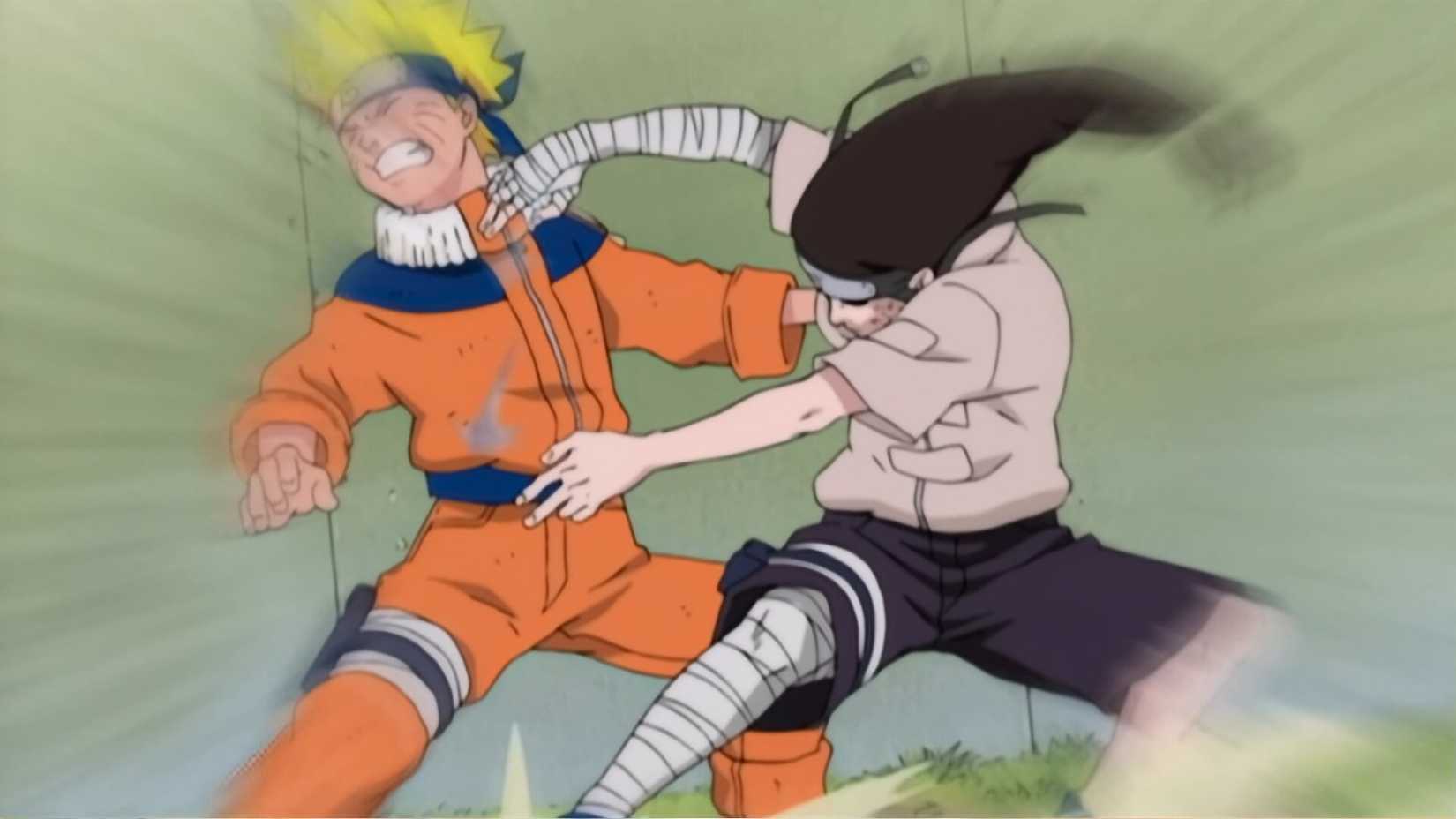
Neji fights Naruto
It can be unfair to judge earlier Naruto arcs by what happened much later in the story. The manga had numerous retcons, from Gaara’s teapot demon becoming a Tailed Beast in Part 2 to Danzo’s very existence. Still, it is hard not to think about how Naruto eventually proved Neji right.
Born into one of the Hyūga’s branch houses, Neji grew up believing that everyone’s fates are decided when they are born. Accepting that you cannot run away from your destiny was how Neji was able to cope with the death of his father, Hizashi Hyūga, who sacrificed himself for Hiashi. Naruto, on the other hand, believed that there was no such thing as fate and that everyone could carve their own path.
Naruto vs. Neji is one of the best fights in the series, not just because it was incredibly fun and intense, but also because it was a clash of ideas. Neji’s views were insulting to Naruto, just like Naruto’s optimism sounded laughably naïve to Neji. The result could not have been more poetic – Naruto won by using a jutsu that he had failed dozens of times in the academy.
“If Naruto was always meant to fight Sasuke and save the shinobi world, Neji had a point after all.”
The outcome of Naruto vs. Neji proved that hard work could beat talent, and that even a loser like Naruto could defeat a genius like Neji. The problem is that Naruto turned out not to be an ordinary ninja, but rather the reincarnation of one of the grandsons of an alien goddess who brought chakra into our world.
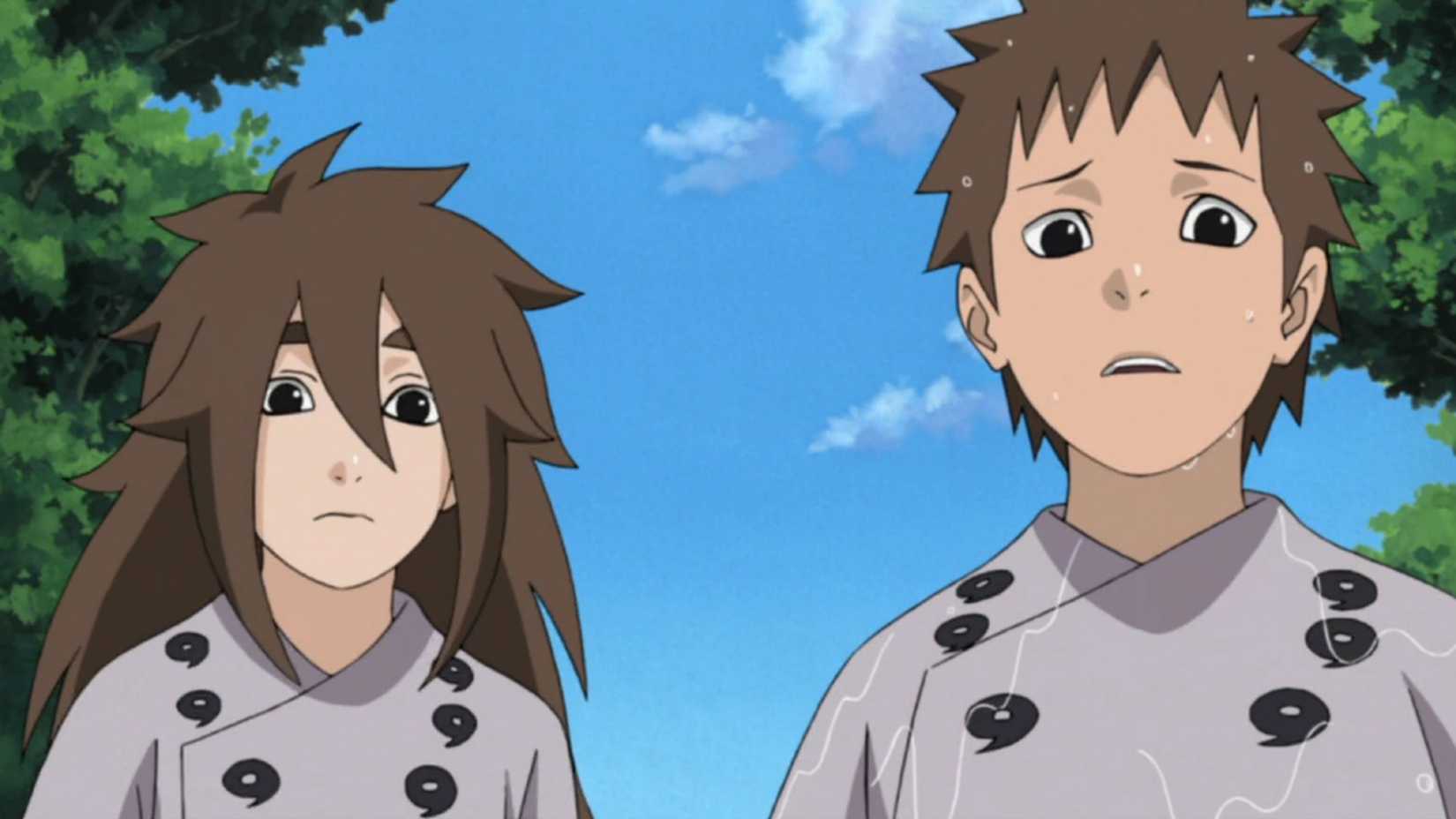
Ashura and Indra as kids in Naruto Shippuden
Naruto was never an ordinary kid – we knew that long before Kaguya and the Ōtsutsuki were a thing. Most fans figured out early on that Naruto was the son of the Fourth Hokage, not to mention that he carried the power of the Nine Tails inside him. Even still, during Part 1 and some of Shippuden, Naruto was the underdog.
It was during the Fourth Great Ninja War that things started to get weird. The more we learned about the Sage of Six Paths, the less special Naruto and Sasuke seemed to be. Rather than two shinobi whose journeys were affecting the entire world, Naruto and Sasuke were revealed to be part of an old cycle that began with Ashura and Indra.
If Naruto was always meant to fight Sasuke and save the shinobi world, Neji had a point after all. Suddenly, fate was a thing in the Naruto universe, and neither Naruto nor Sasuke could run from it.
Kishimoto Had A Complicated Relationship With Fate
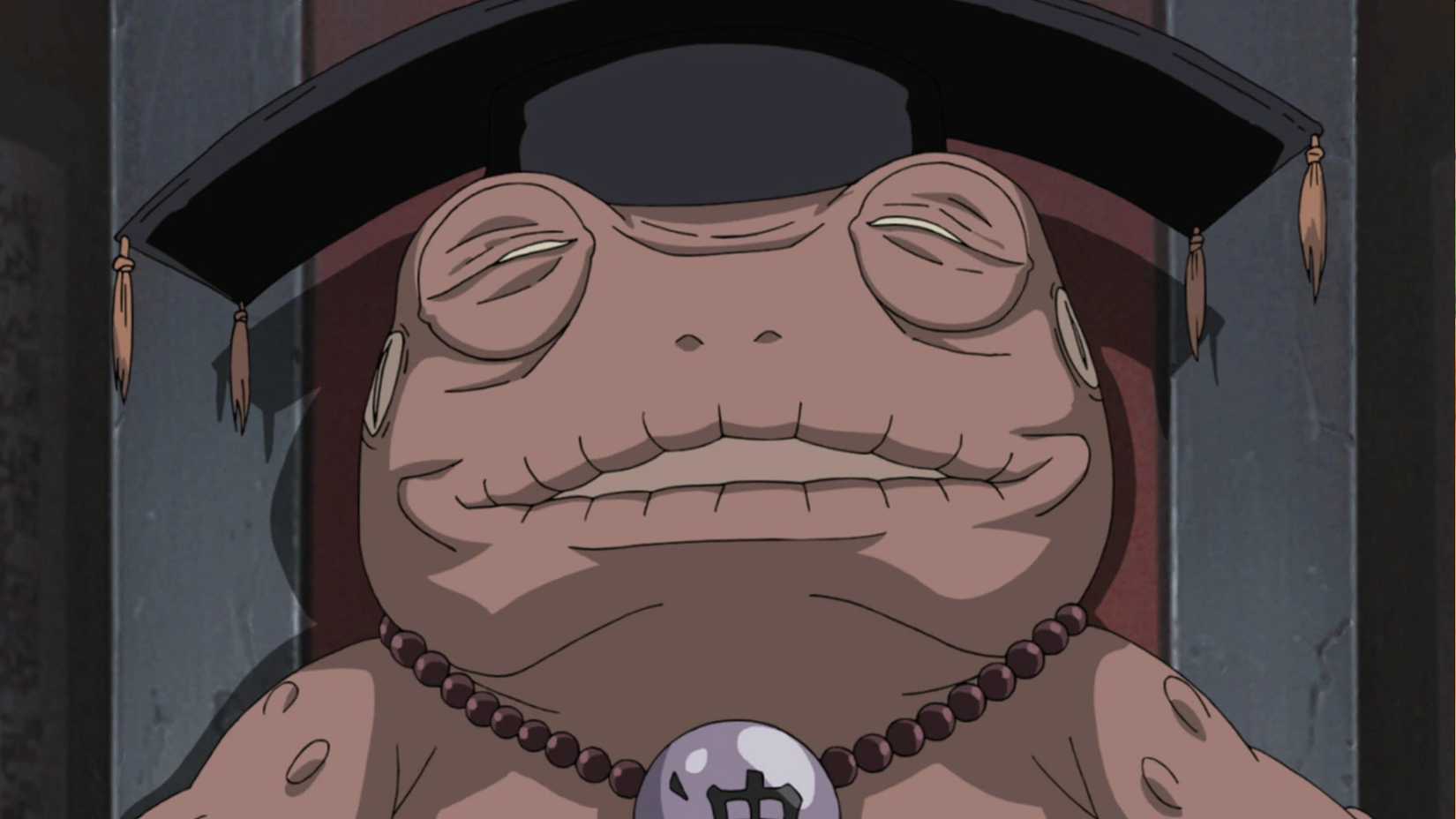
The Sage Toad in Naruto Shippuden
Naruto was always a story about cycles – Naruto, Sasuke, and Sakura each being trained by one of the Legendary Sannin is a perfect example of that. However, Naruto Shippuden went beyond these thematic parallels and brought actual, tangible destiny into the story. Jiraya was given a prophecy that one of his students was going to either save or destroy the shinobi world, raising questions about the existence of free will in Naruto.
The Great Toad Sage’s prophecy never bothered me as much as the Ōtsutsuki storyline did. Prophecies are always complicated and can get misinterpreted after all. To this day, I’m not even sure whether Naruto was indeed the Child of the Prophecy, or if all of Jiraya’s apprentices played their role in creating this better world.
Naruto was still the master of his own fate during the Pain arc. He is the one who promised to find the answer Nagato couldn’t find, no matter how long it would take. Yet once the concepts of chakra reincarnation and the eternal battle between Ashura and Indra were introduced, it was hard to say how much agency Naruto really had.
There Was Beauty In Naruto’s Hypocrisy
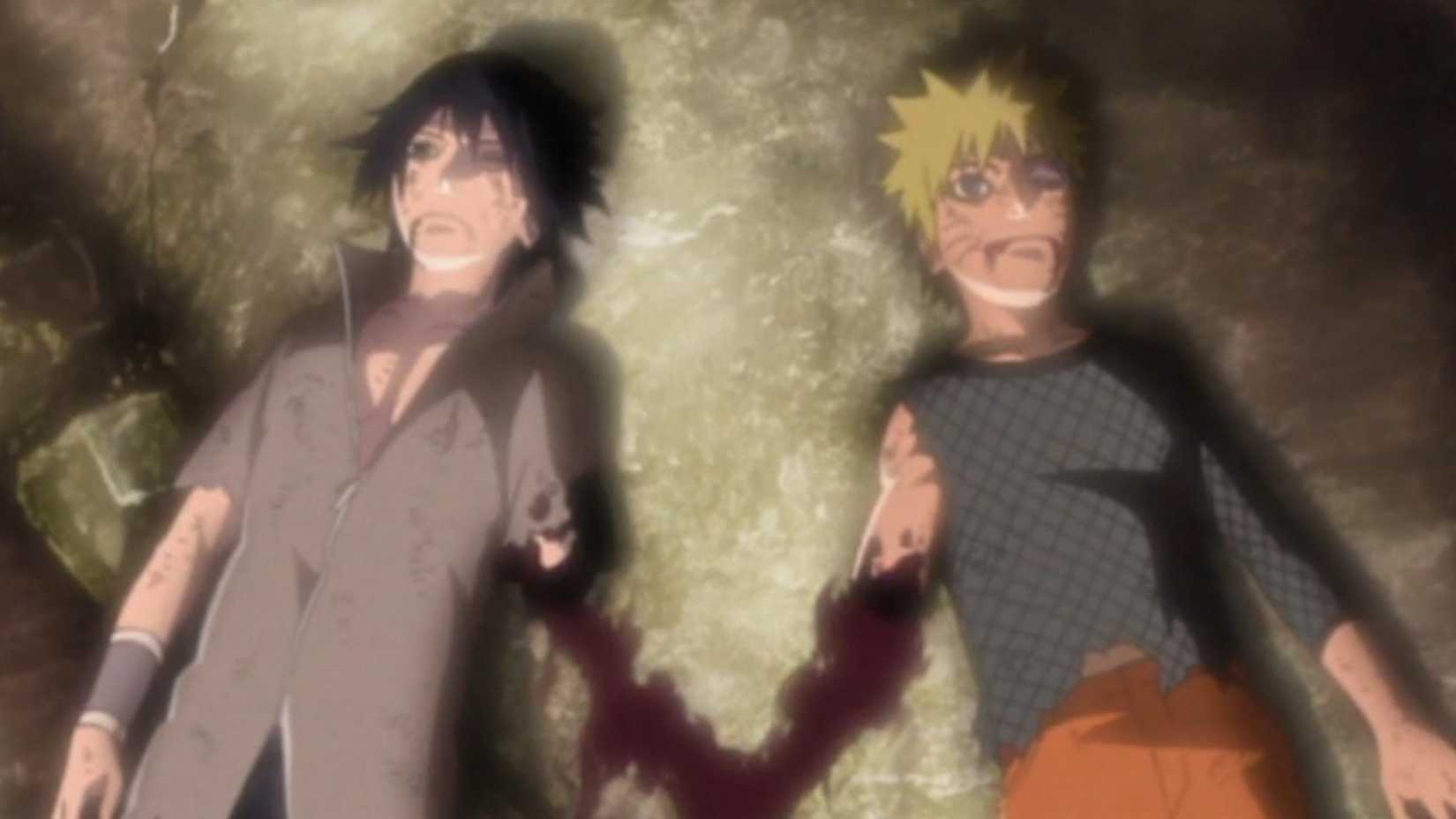
Sasuke and Naruto at the end of their fight
The Kaguya arc may have been very hypocritical, but that didn’t make Naruto’s story retroactively worse. There was beauty in Naruto’s hypocrisy, particularly in how oblivious Naruto Uzumaki was to everything. Even if the forces of destiny were acting, Naruto didn’t know about them and would not have cared about them if he did.
Naruto’s main character followed his own ninja way, regardless of what fate had in store for him. It does bother me how Naruto and Sasuke’s stories were partially just a repetition of what happened to Madara, Hashimara, and all the other descendants of Ashura and Indra. However, Naruto ultimately broke that cycle by saving Sasuke instead of simply defeating him, and that is what matters.
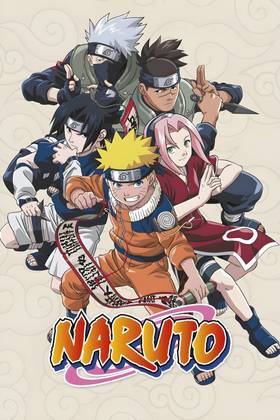
Naruto (2002) TV Show Poster
First Film
Naruto the Movie: Ninja Clash in the Land of Snow
Latest Film
Boruto: Naruto the Movie
First Episode Air Date
October 3, 2002
Cast
Junko Takeuchi, Maile Flanagan, Noriaki Sugiyama, Chie Nakamura, Kazuhiko Inoue, Nana Mizuki, Hideo Ishikawa, Yûko Sanpei