
The Marvel Cinematic Universe is undoubtedly one of the most successful film franchises of all time. Though no longer at the height of its popularity, the MCU has shown no signs of stopping any time soon, with upcoming films like Spider-Man: Brand New Day and Avengers: Doomsday sure to rake in hundreds of millions of dollars for Disney. However, less than two decades ago, the MCU’s success was anything but certain.
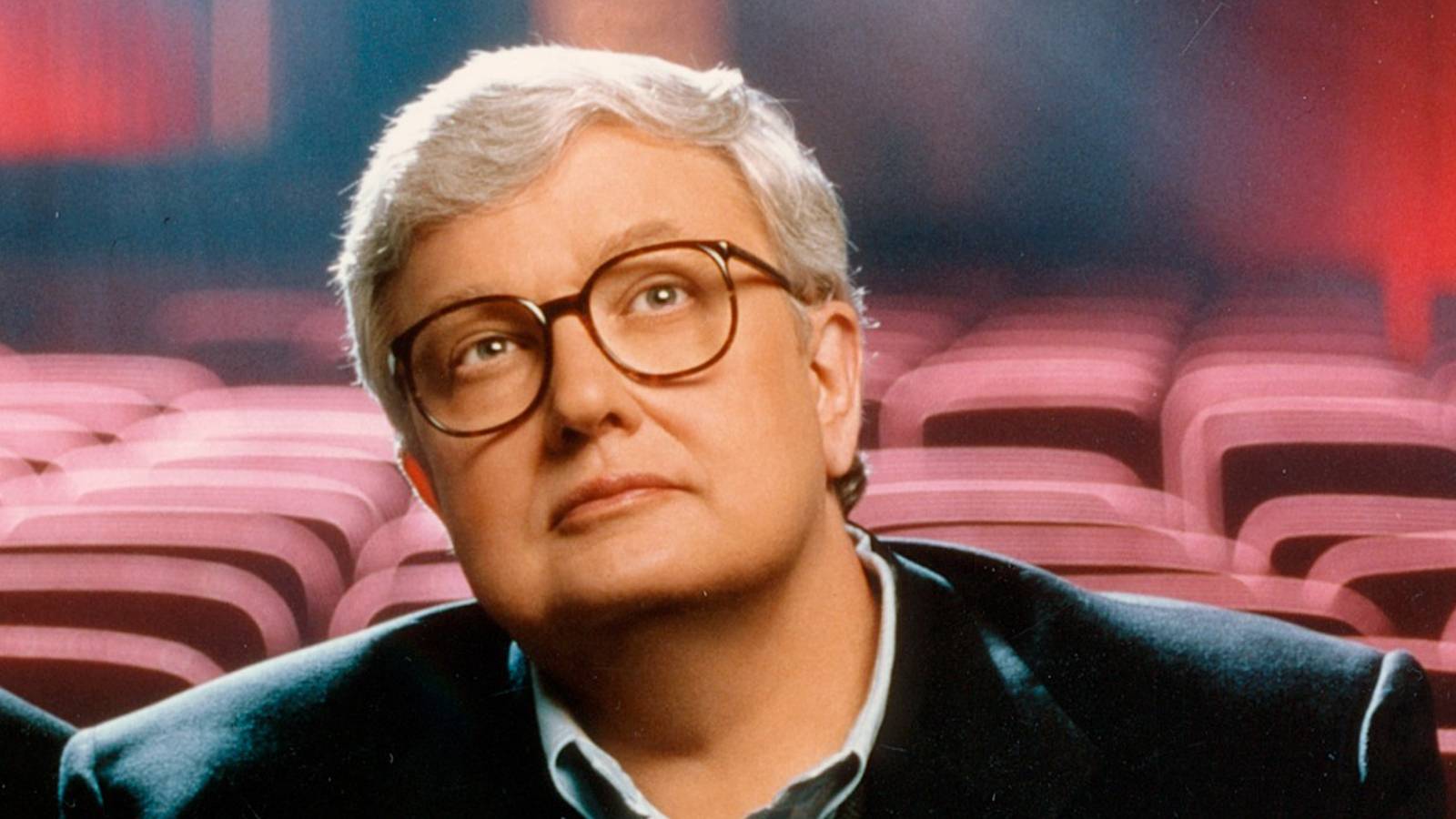
Marvel’s interconnected film universe was a risky experiment that could have fallen apart as a result of just one or two box office bombs. In its nascent years, the MCU heavily relied on word of mouth from critics and general audiences alike to maintain momentum. Before his death in 2013, respected film critic Roger Ebert reviewed all six films that made up Phase One of the MCU, and he only awarded a perfect four-star score to a single entry: Jon Favreau’s Iron Man.
The First Installment of the MCU was Roger Ebert’s Favorite
Going into Iron Man, Ebert knew almost nothing about the main character, believing he may be a robot rather than a human in a suit of armor. Ebert had heard good things about Robert Downey Jr.’s performance as Tony Stark, but his expectations were otherwise tempered, and Iron Man far exceeded them. He called it an “ingenious” film that stood out from the swathe of other superhero stories in the 2000s. Ebert’s love of Iron Man stemmed from two main factors, one of which has ironically become a major issue for the MCU over time.
The first was how realistic the film felt, both in terms of its state-of-the-art visual effects and its character writing. Ebert wrote that most superhero films only showed “the surface of the illusion,” while Iron Man showed “the reality of the illusion.” Everything from the tactile way in which the pieces of Tony’s armor locked together to the very human relationships that he had with characters like Pepper Potts, James Rhodes and Obadiah Stane helped ground the fantastical elements at the film’s core. Stark Industries’ internal conflicts made it feel like a “functioning corporation” rather than a mere backdrop for the film’s events.
Ebert especially appreciated that Obadiah did not “come onscreen waving flags and winking at the camera to announce he is the villain,” instead beginning as a “voice of reason” for the more hot-headed Tony. The modern MCU includes aliens, wizards and gods, but it built up to such things slowly. Iron Man took place in a setting very similar to the real world, with just a bit of futuristic technology to make the Arc Reactor and Iron Man suit possible. This helped ease audiences into a superhero universe that would go on to have far greater depth than any that came before or since.
Iron Man Laid the Groundwork for the MCU

Image via Disney
The second aspect of Iron Man that Ebert so enjoyed was its comedic tone, especially regarding the protagonist’s laid-back personality. He noted that Tony lacked the “psychic weight and gravitas” of most superheroes, instead acting “irreverent, quirky, self-deprecating, [and] wise-cracking.” It stood in contrast to “how seriously most superhero movies [took] themselves” in this period.
Tony’s flippancy was entertaining, but it was also indicative of his character. He started the film as a billionaire celebrity without a care in the world, and even though he grew more responsible once he became a superhero, his attitude remained largely unchanged. Tony treated a showdown with a supervillain as casually as he would a magazine interview or shareholders’ conference. This was a breath of fresh air that Ebert and many other viewers enjoyed at the time, but what was once subversive has become the norm for the superhero genre.
Nearly every superhero now quips like Tony, and dramatic or deeply emotional moments are usually undercut by jokes. This can lessen viewers’ investment in the events of the films, and it can also homogenize characters. Ebert warned against this very thing in his review; he wrote, “It’s prudent, I think, that Favreau positions the rest of the characters in a more serious vein. The supporting cast wisely does not try to one-up him… What a horror show it would have been if they were all tuned to Tony Stark’s sardonic wave length.”
Audiences now yearn for the sincerity on display in films like Sam Raimi’s Spider-Man trilogy. Luckily, the MCU seems to be moving in that direction. Though not without humor, The Fantastic Four: First Steps was an earnest film that avoided poking fun at tropes or acknowledging the ridiculousness of some of its core concepts, which was a nice break from the trend started by Iron Man. Hopefully, this means that the MCU will not become the horror show Ebert foresaw.
Cast
Chris Evans, Robert Downey Jr., Tom Holland, Paul Rudd, Chris Hemsworth, Mark Ruffalo, Jeremy Renner, Scarlett Johansson
Latest Film
The Marvels
Upcoming Films
Marvels, Deadpool & Wolverine, Captain America: Brave New World, Thunderbolts*
Latest TV Show
Echo