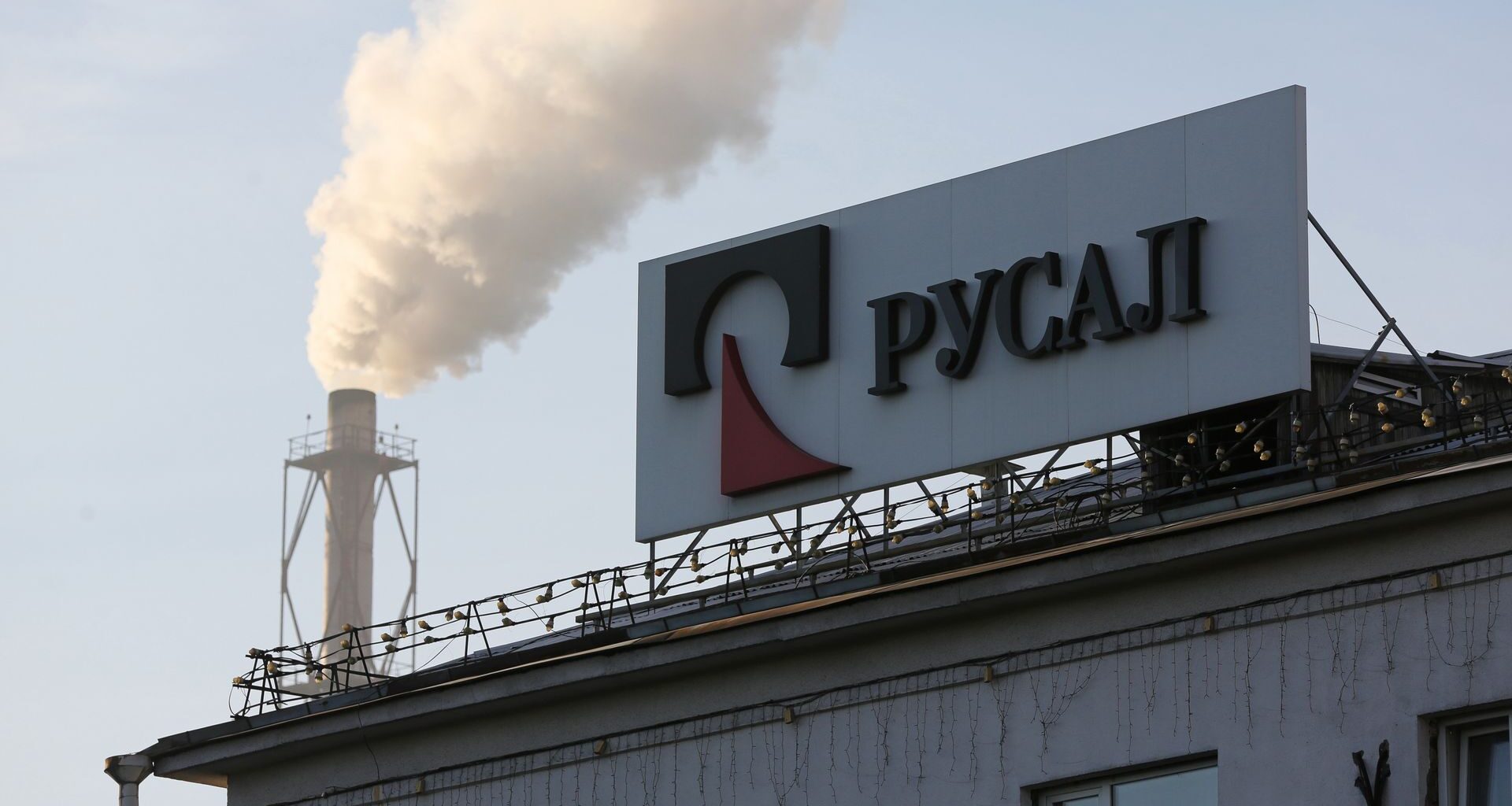
Russia’s largest silicon plant, Kremniy, will halt production on Jan. 1, 2026, due to collapsing demand and rising competition from cheaper imports, Russian mining giant Rusal told state news agency RIA Novosti on Nov. 17.
The shutdown underscores the mounting pressure on major Russian industrial producers as the economy slows, exports fall, and domestic demand stagnates.
Kremniy, located in east-central Irkutsk Oblast, is the country’s largest refined silicon producer with a yearly capacity of 34,000 metric tons. Rusal said imported silicon has become significantly cheaper than domestic output, undercutting the plant’s competitiveness.
“Due to global silicon overproduction and the growth of silicon imports at dumping prices to Russia, the Kremniy plant is forced to suspend production,” the company told RIA Novosti.
Supplies from abroad continue to grow, while Russian silicon faces weak demand in global markets.
The cost of war: Is Russia running out of money to continue the fight?
Rusal said it notified the Irkutsk Oblast authorities about the upcoming shutdown and expressed hope that officials will assist in managing the “social consequences” for workers.
The company’s second facility, Kremniy Ural, which has a capacity of 27,000 metric tons, will continue operating but at a reduced rate. Rusal previously announced it would cut silicon production by 35% in 2025, down to 35,000 metric tons, due to growing pressure from Chinese producers.
Russia’s domestic market can absorb roughly 45,000 metric tons of silicon per year. At full capacity, Kremniy and Kremniy Ural must export a portion of their combined output — a challenge as international buyers shift away from Russian suppliers.
Rusal, one of the world’s largest aluminum producers, is controlled by Oleg Deripaska, a billionaire long seen as part of the business elite sustained by Russian President Vladimir Putin’s patronage system.
At least a dozen Russian companies across multiple sectors have already shortened the workweek to reduce labor costs, as industrial output continues to weaken and export revenues decline.