
Science Desk
20 November 2025, 11:07 AM IST
Kissing may date back 21 million years, shared by humans, great apes and even Neanderthals.
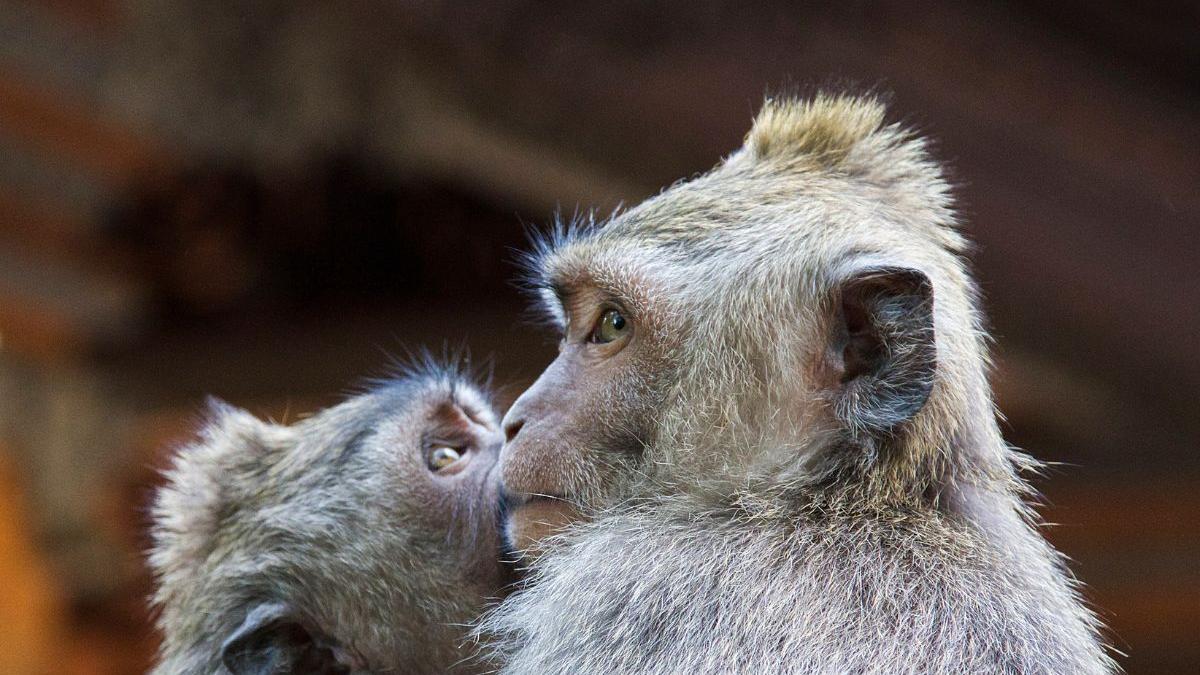
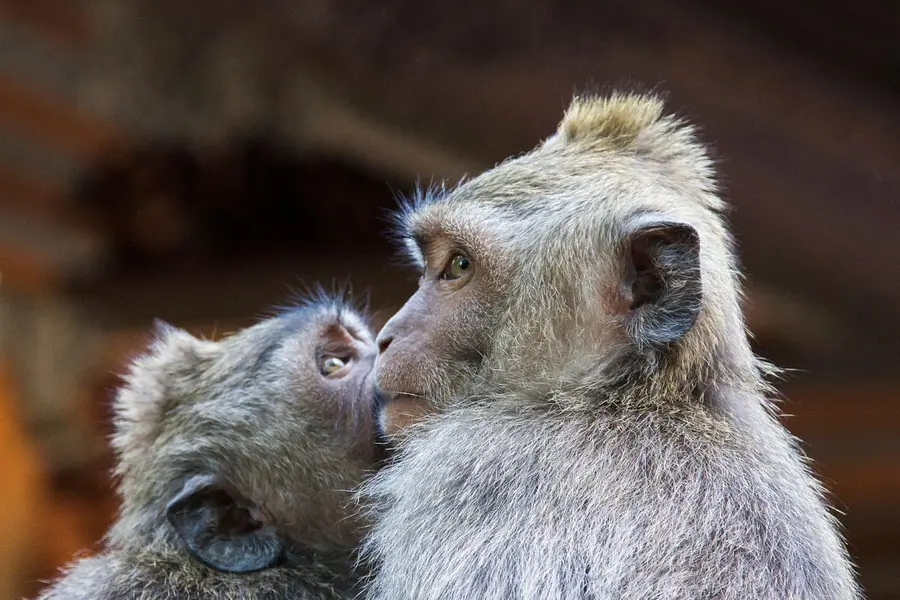 Representational image
Humans aren’t the only ones who kiss—monkeys do it, polar bears do it, and now research suggests that the practice may go back more than 21 million years. Scientists have reconstructed the evolutionary history of kissing and found that the common ancestor of humans and other great apes likely engaged in this intimate behaviour.
The study, published in the journal Evolution and Human Behaviour, even suggests that Neanderthals may have kissed—and that humans and Neanderthals could have shared smooches with one another.
Kissing has long been something of an evolutionary mystery. While it has no obvious survival or reproductive purpose, it is widespread not only in human societies but also across the animal kingdom. By identifying similar behaviours in other species, researchers were able to build an “evolutionary family tree” and estimate when kissing first appeared.
To make meaningful comparisons, the team had to define what counts as a kiss in scientific terms. According to their study, a kiss is non-aggressive, mouth-to-mouth contact “with some movement of lips or mouthparts and no transfer of food”.
BBC quoted lead researcher Dr Matilda Brindle, an evolutionary biologist at the University of Oxford, as saying, “Humans, chimps, and bonobos all kiss. From that, it’s likely that their most recent common ancestor kissed.” She added, “We think kissing probably evolved around 21.5 million years ago in the large apes.”
The study also found kissing-like behaviour in animals as varied as wolves, prairie dogs, polar bears—who are “very sloppy, lots of tongue”—and even albatrosses. By focusing on primates and apes in particular, researchers were able to trace the origins of the human kiss.
Neanderthals, our closest ancient human relatives who went extinct around 40,000 years ago, were likely no strangers to kissing. Previous research on Neanderthal DNA has shown that modern humans and Neanderthals shared an oral microbe—a type of bacteria found in saliva. BBC quoted Dr Brindle as explaining, “That means that they must have been swapping saliva for hundreds of thousands of years after the two species split.”
While the study sheds light on when kissing evolved, the reason why remains a mystery. Current theories suggest it may have developed from grooming behaviours in ape ancestors or as a way for individuals to assess health and compatibility with a partner.
Dr Brindle hopes the research opens the door to a deeper understanding of the behaviour. BBC quoted her as saying, “It’s important for us to understand that this is something we share with our non-human relatives. We should be studying this behaviour, not just dismissing it as silly because it has romantic connotations in humans.”
Subscribe to our NewsletterGet Latest Mathrubhumi Updates in EnglishFollow
Disclaimer: Kindly avoid objectionable, derogatory, unlawful and lewd comments, while responding to reports. Such comments are punishable under cyber laws. Please keep away from personal attacks. The opinions expressed here are the personal opinions of readers and not that of Mathrubhumi.