
Why you can trust Android Central
Our expert reviewers spend hours testing and comparing products and services so you can choose the best for you. Find out more about how we test.
When I reviewed the POCO F7 Ultra, I called it the best bargain of 2025. The combination of hardware, design, and battery life made it a great choice, but where the device truly stood out was the cameras. POCO always struggled in this area, but the F7 Ultra proved that the brand could deliver a phone with terrific cameras.
With the F8 Ultra, POCO is once again changing just about everything. The phone has an all-new design, and the denim texture that the brand is using at the back is unique — and it feels wonderful. There’s a much bigger 6,500mAh battery, a bigger AMOLED panel, and new cameras at the back, including a dedicated 5x lens.
While just about everything on the phone has changed from the F7 Ultra, what’s still the same is the focus on value — the F8 Ultra costs a lot less than other phones that have the same hardware. Having used the phone for just over two weeks, I don’t understand why you need to buy any other phone.
POCO F8 Ultra: Pricing and availability
(Image credit: Apoorva Bhardwaj / Android Central)
POCO unveiled the F8 Ultra and F8 Pro at a launch event in Bali, Indonesia on November 26, 2025. Both phones are going on sale globally, and they will be available in India, the U.K., and other key markets where POCO has a presence. The F8 Ultra is available in 12GB/256GB and 16GB/512GB editions, and POCO is selling the device in Denim Blue and Black models.
There’s also the F8 Pro, and that device is sold in 12GB/256GB and 12GB/512GB variants, and you get Titanium Silver, Blue, and Black models. POCO is raising the prices this year, but it isn’t by much, so that’s good to see. This is what the F8 Ultra and F8 Pro cost:
POCO F8 Ultra (12GB/256GB): $729 / $679 (early bird pricing) / £749 / £599 (early bird pricing)POCO F8 Ultra (16GB/512GB): $799 / $729 (early bird pricing) / £799 / £649 (early bird pricing)POCO F8 Pro (12GB/256GB): $579 / $529 (early bird pricing) / £549 / £449 (early bird pricing)POCO F8 Pro (12GB/512GB): $629 / $579 (early bird pricing) / £599 / £499 (early bird pricing)
As with every launch, POCO has decent incentives if you’re buying either device in the initial weeks of availability. Alongside the phones, POCO debuted the POCO Pad X1 at $399, and the tablet has plenty of great new features. There’s also the Pad M1 at $329, with this model featuring a huge battery. I’m focusing on the phones this time, but I’ll have plenty to talk about regarding the Pad X1 and M1 shortly.
Swipe to scroll horizontally
Category
POCO F8 Ultra
POCO F8 Pro
Display
6.9-inch 120Hz AMOLED, 2608×1200, 2560Hz PWM, 2000 nits HBM
6.59-inch 120Hz AMOLED, 2510×1156, 2560Hz PWM, 2000 nits HBM
OS
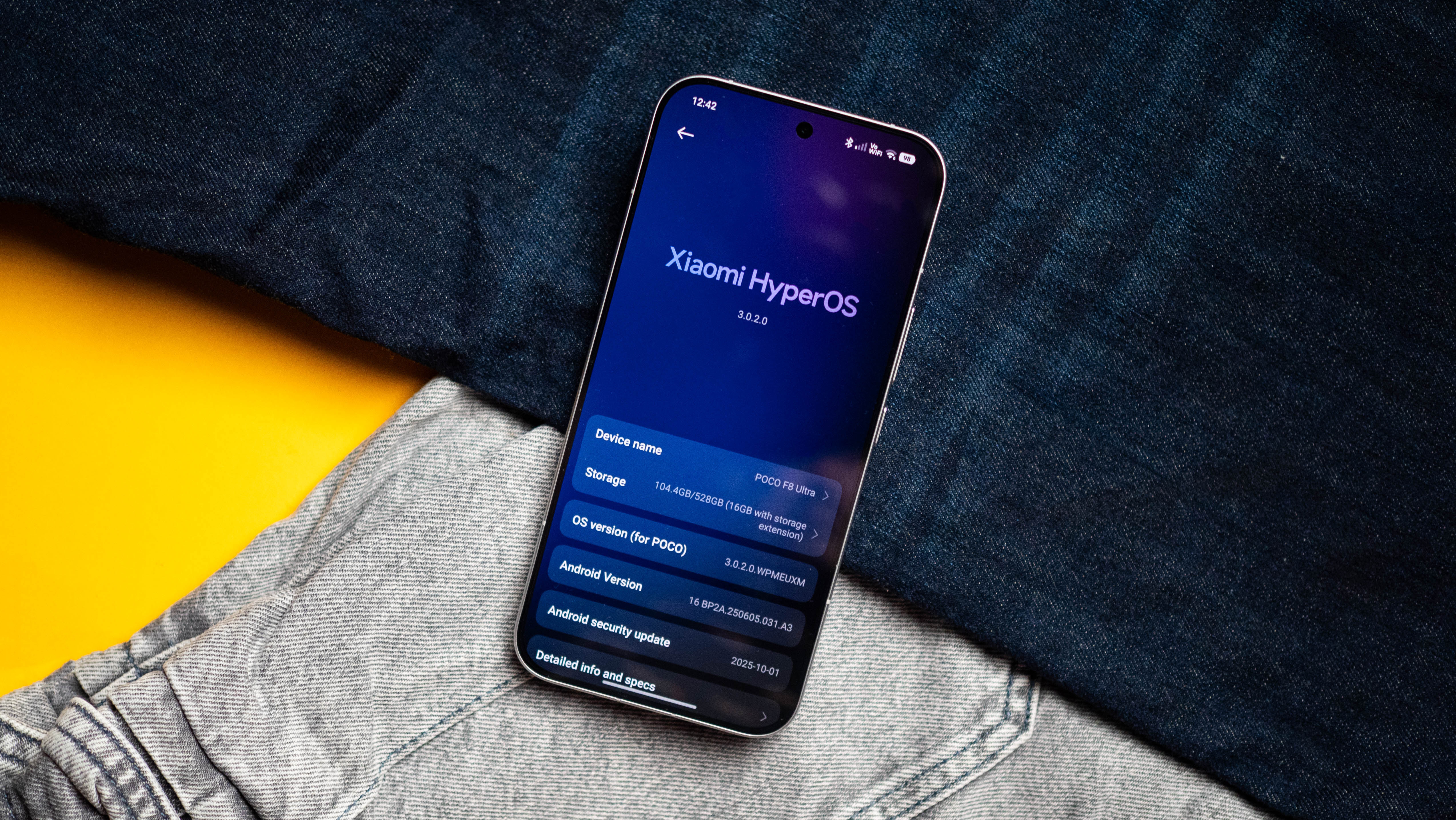
HyperOS 3.0.2.0, Android 16
HyperOS 3.0.2.0, Android 16
Chipset
Qualcomm Snapdragon 8 Elite Gen 5, 3nm
Qualcomm Snapdragon 8 Elite, 3nm
RAM
12GB/16GB LPDDR5X
12GB LPDDR5X
Storage
256GB/512GB UFS 4.1
256GB/512GB UFS 4.1
Rear camera 1
50MP f/1.6 Light Fusion 950, 1/1.31-inch sensor, OIS
50MP f/1.6 Light Fusion 800 OmniVision OVX8000, 1/1.55-inch sensor, OIS
Rear camera 2
50MP f/3.0 telephoto, 5x optical zoom, OIS
50MP f/2.2 telephoto, 2.2x optical zoom
Rear camera 3
50MP f/2.4 wide-angle lens
8MP wide-angle lens
Front camera
32MP f/2.0
20MP f/2.0
Ingress protection
IP68 dust and water resistance
IP68 dust and water resistance
Connectivity
Wi-Fi 7, Bluetooth 6.0, global 5G bands, NFC, dual-band GPS
Wi-Fi 7, Bluetooth 5.4, global 5G bands, NFC, dual-band GPS
Security
Ultrasonic in-screen sensor
Ultrasonic in-screen sensor
Audio
USB-C, 2.1 stereo sound with subwoofer, Sound by Bose
USB-C, stereo sound, Sound by Bose
Battery
6500mAh, 100W charging, 50W wireless charging
6210mAh, 100W charging
Dimensions
163.33 x 77.82 x 7.9, 220g
157.49 x 75.25 x 8.0, 199g
Colors
Denim Blue, Black
Titanium Silver, Blue, Black
POCO F8 Ultra: Design
(Image credit: Apoorva Bhardwaj / Android Central)
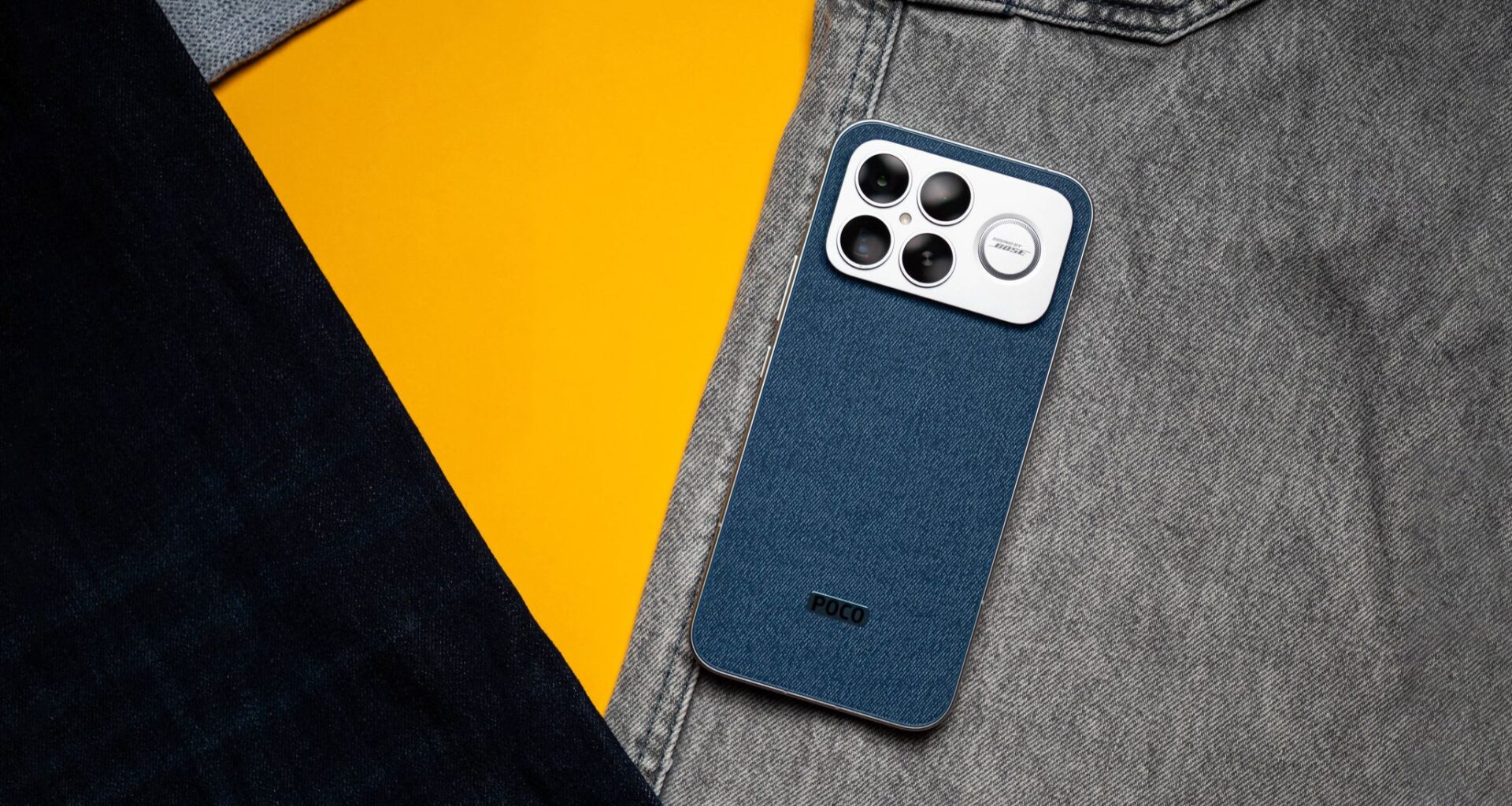
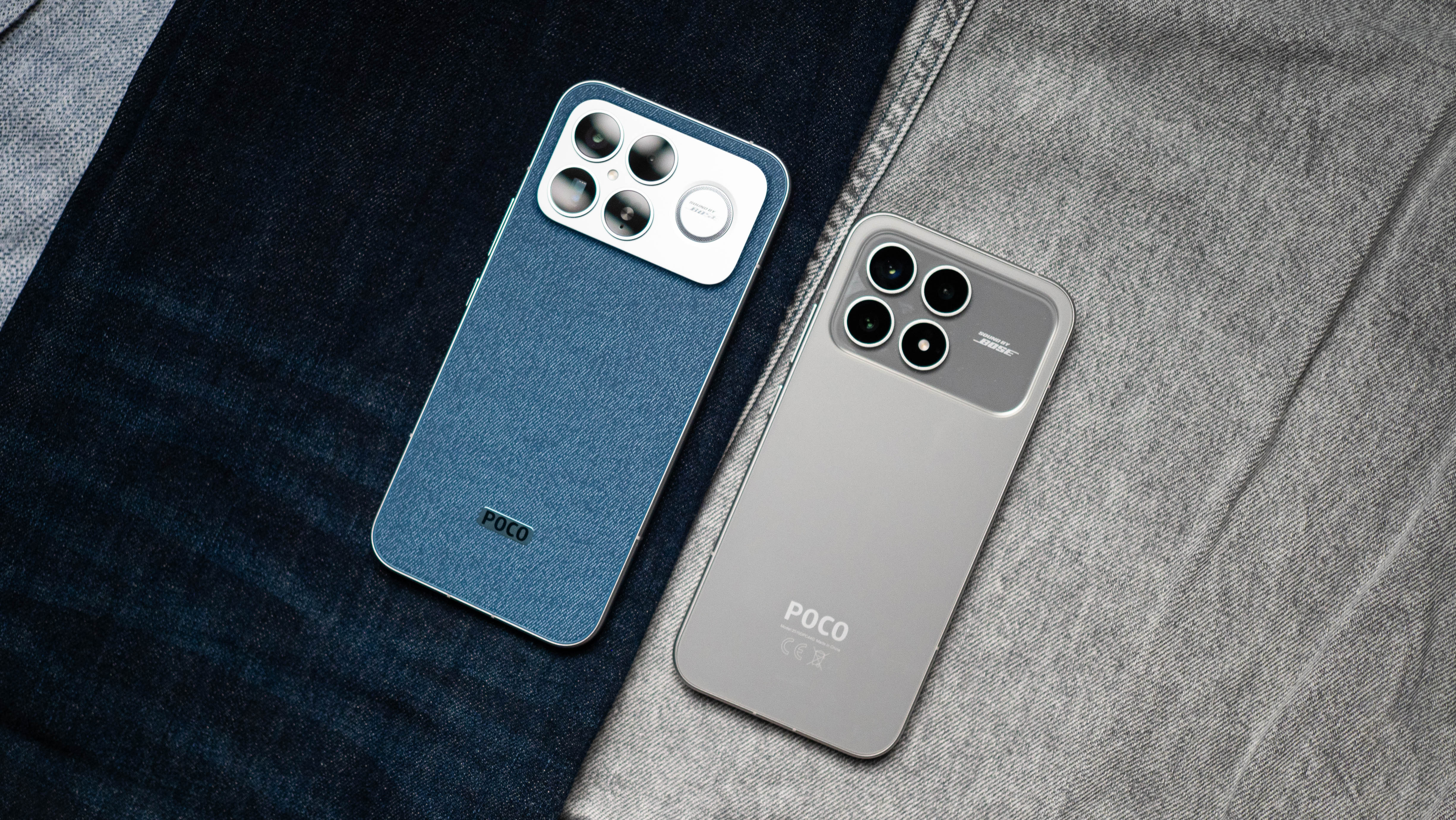
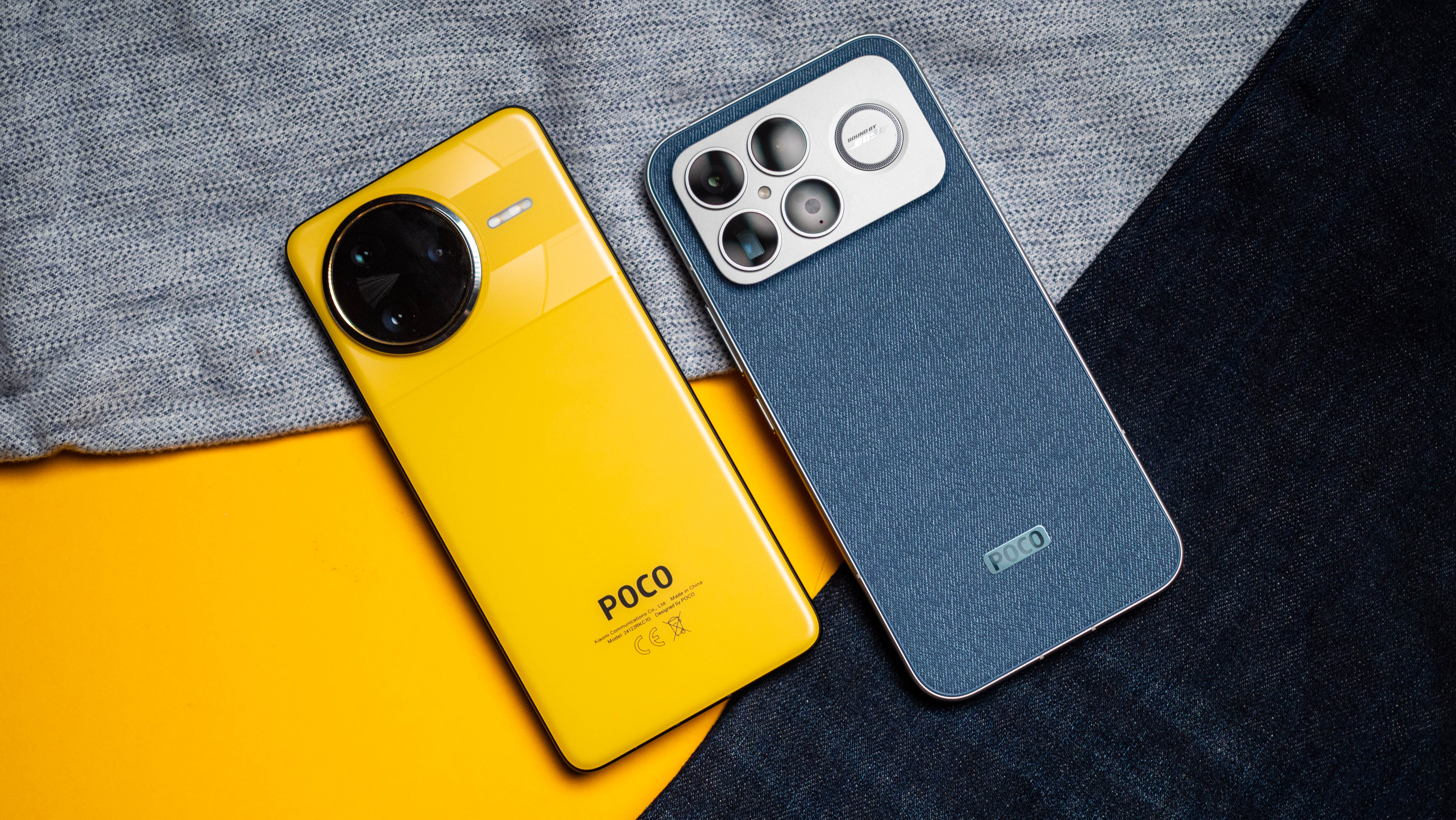
POCO caters its products to a younger audience, so it’s no wonder that the brand constantly refreshes its design. The F7 Ultra had a familiar yellow aesthetic with bold styling, and the F8 Ultra switches things up in a good way. The design is much more mainstream, and the device itself looks quite elegant.
(Image credit: Apoorva Bhardwaj / Android Central)
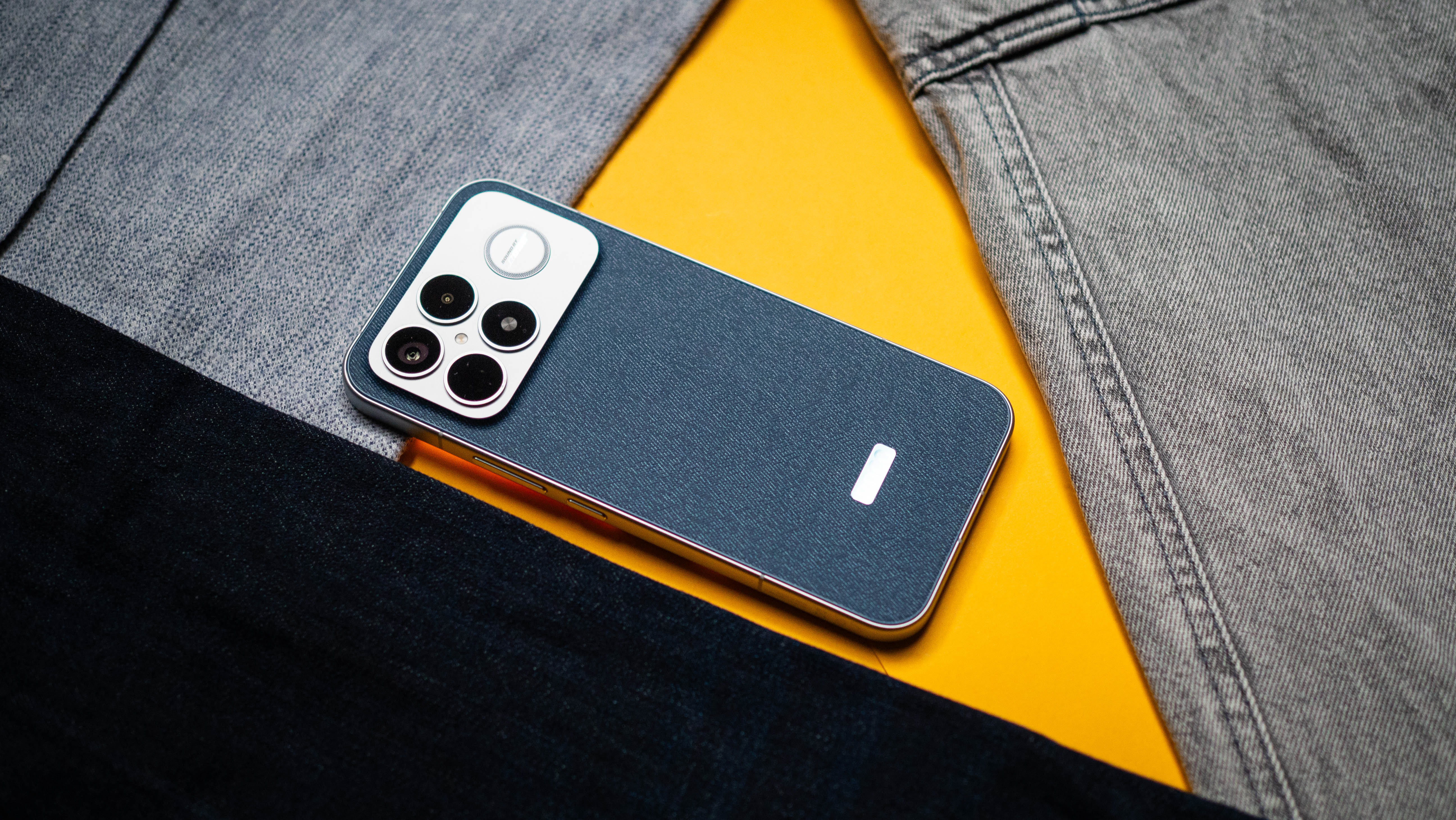
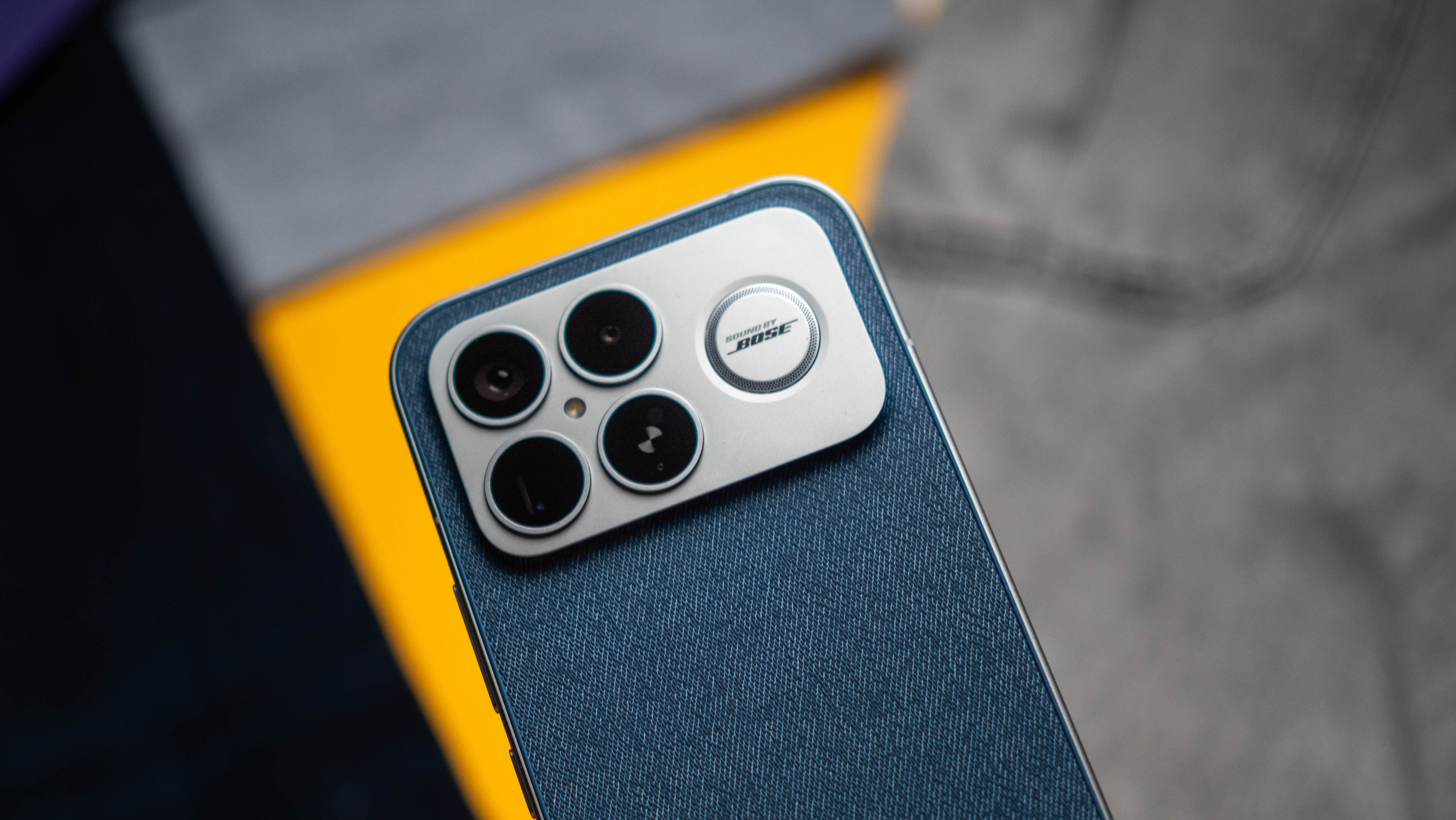
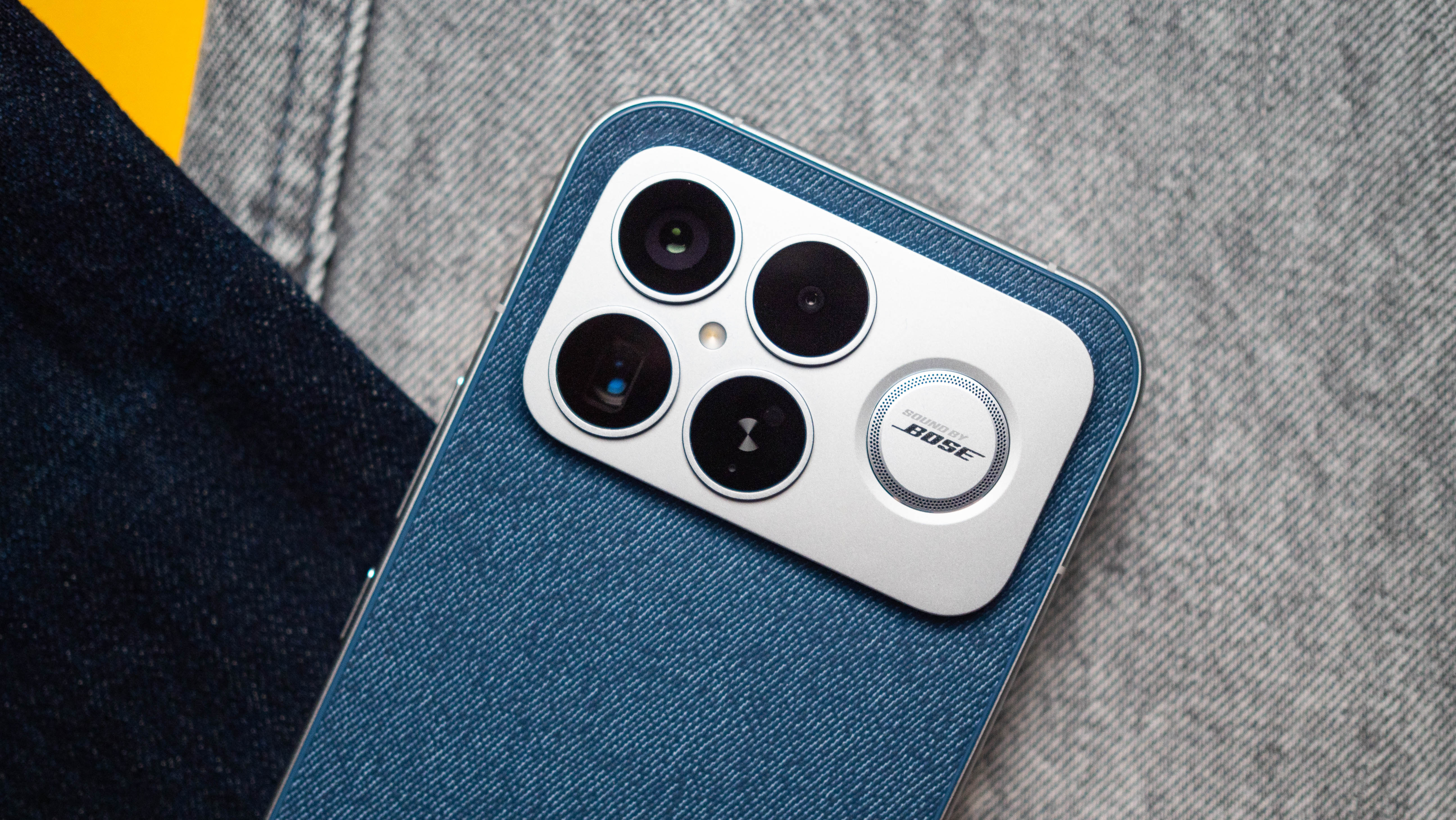
While the F7 Ultra had a rounded camera island, it’s good to see the F8 Ultra once again use a wider island with a rectangular design. It’s made out of metal and differentiates the design pretty well, and notably, there’s a subwoofer next to the cameras, with Bose branding. The camera island is raised slightly, but even then, it doesn’t protrude much from the chassis — at least nowhere as much as the Find X9 Pro or Vivo X300 Pro.
(Image credit: Apoorva Bhardwaj / Android Central)
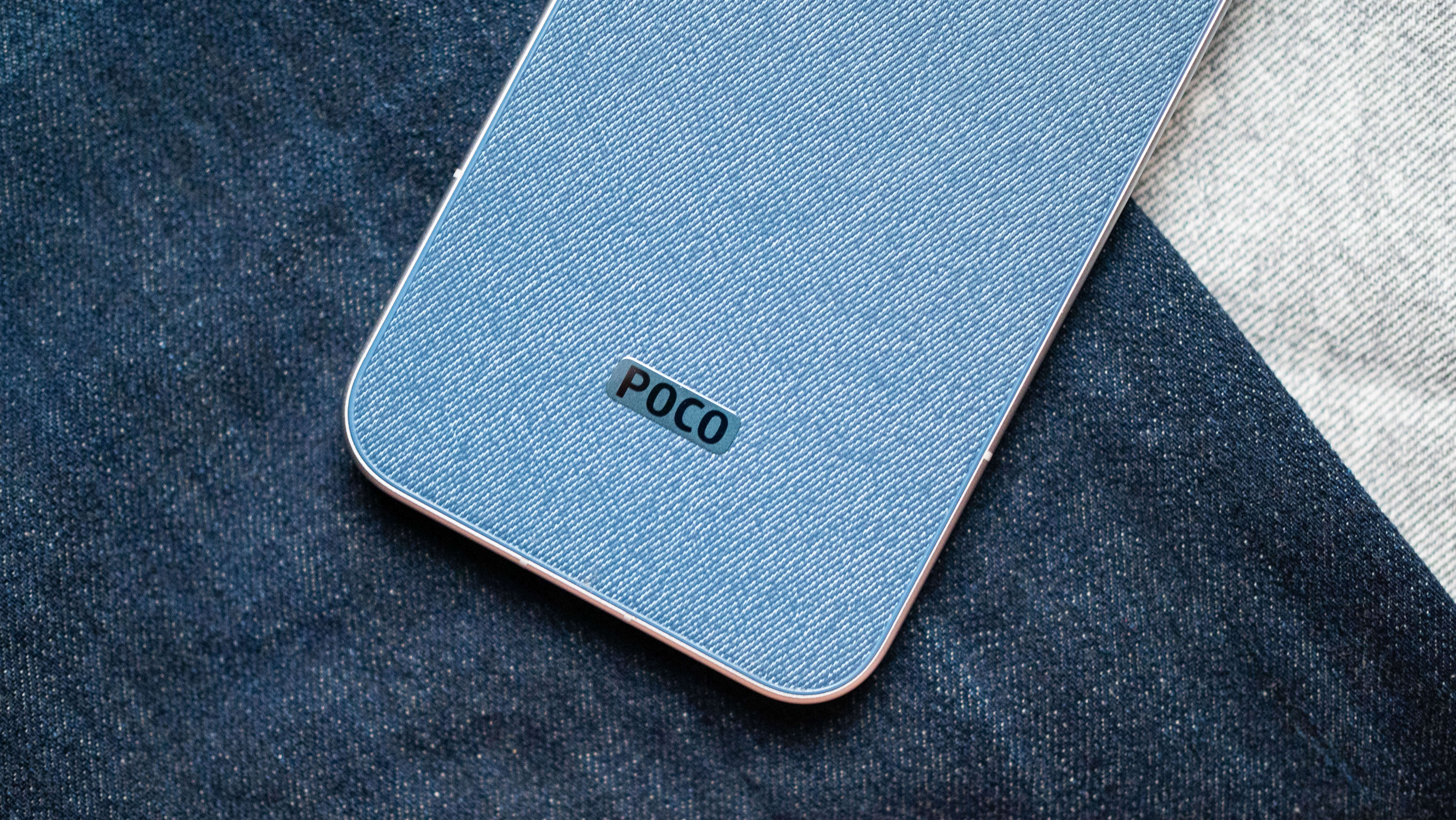
The wider camera bar means there’s absolutely no wobble when using the phone on a table, and I like that. Where the design particularly stands out is the denim texture at the back; it just makes holding and using the device that much easier, and the overall feel is much better than the usual frosted glass designs most brands use these days.
Image 1 of 4
 (Image credit: Apoorva Bhardwaj / Android Central)
 (Image credit: Apoorva Bhardwaj / Android Central)
 (Image credit: Apoorva Bhardwaj / Android Central)
 (Image credit: Apoorva Bhardwaj / Android Central)
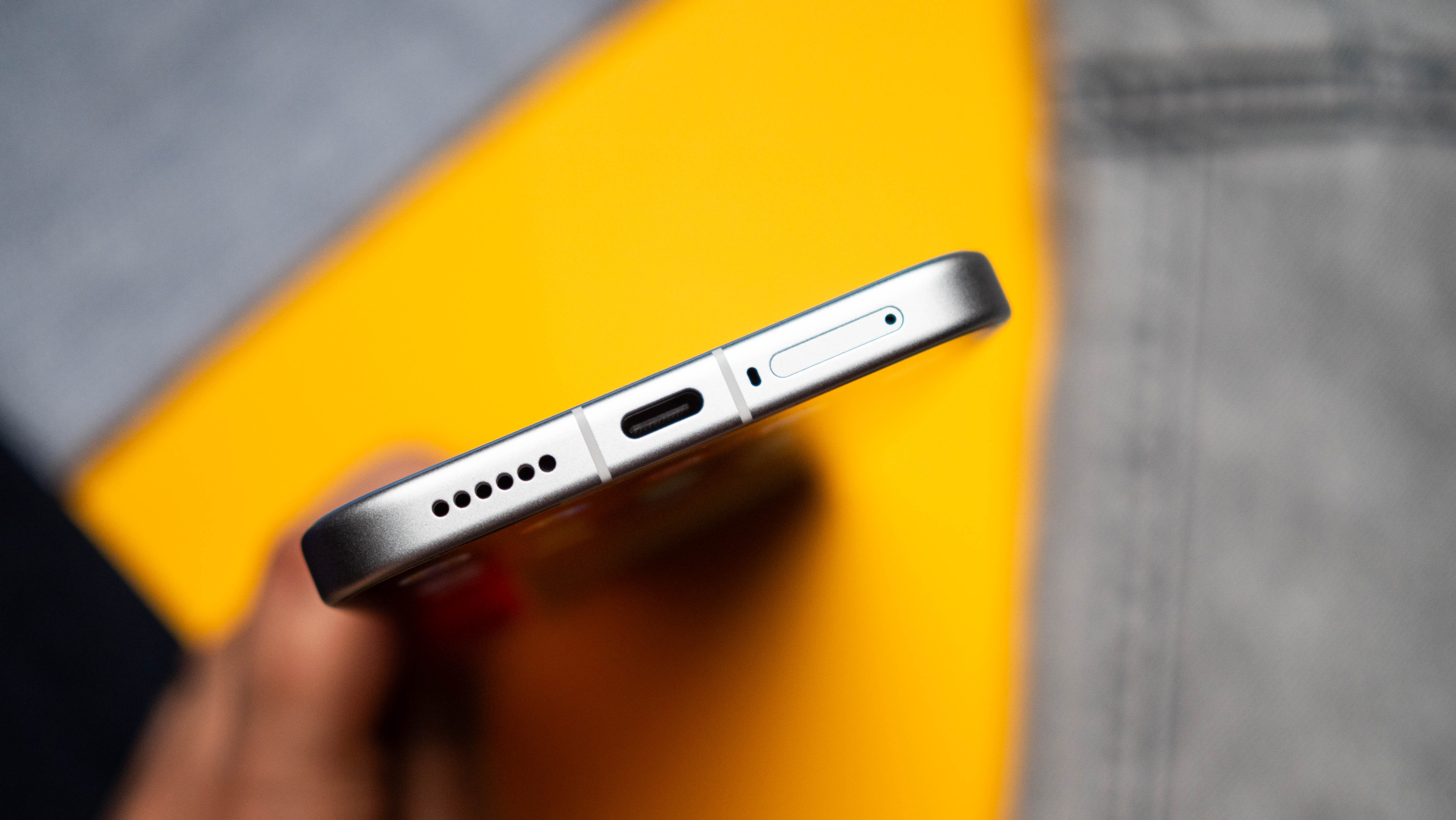
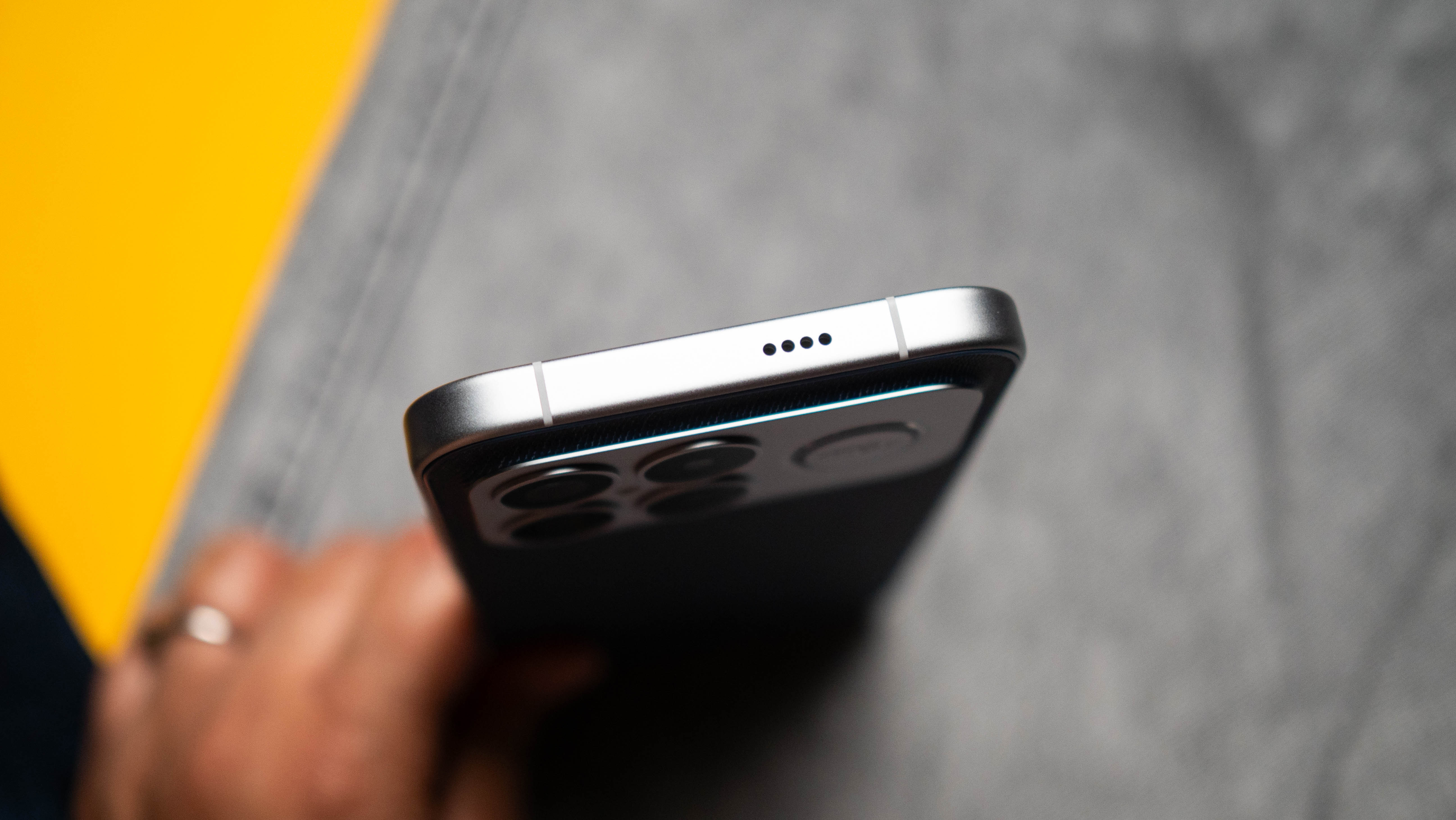
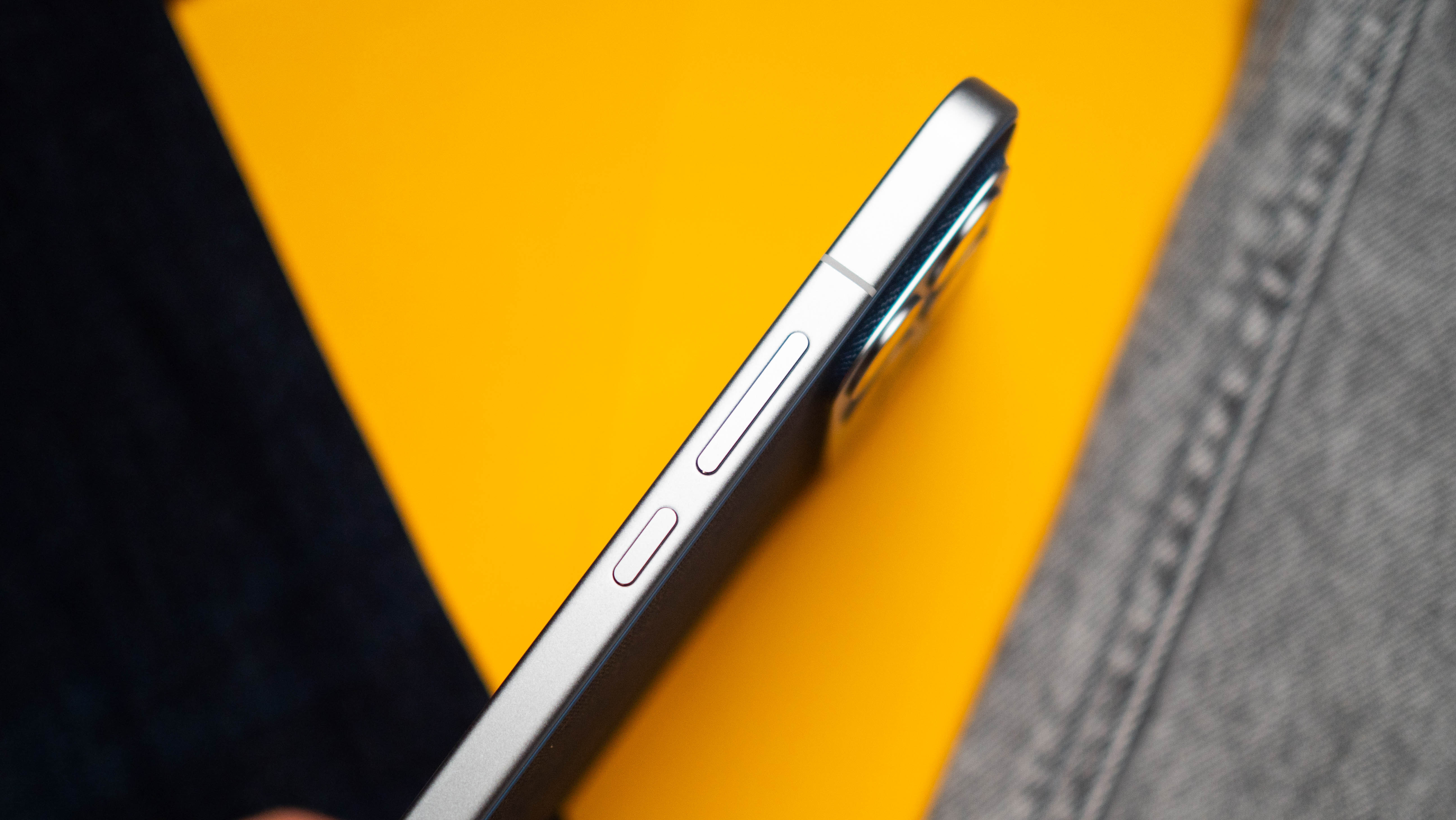
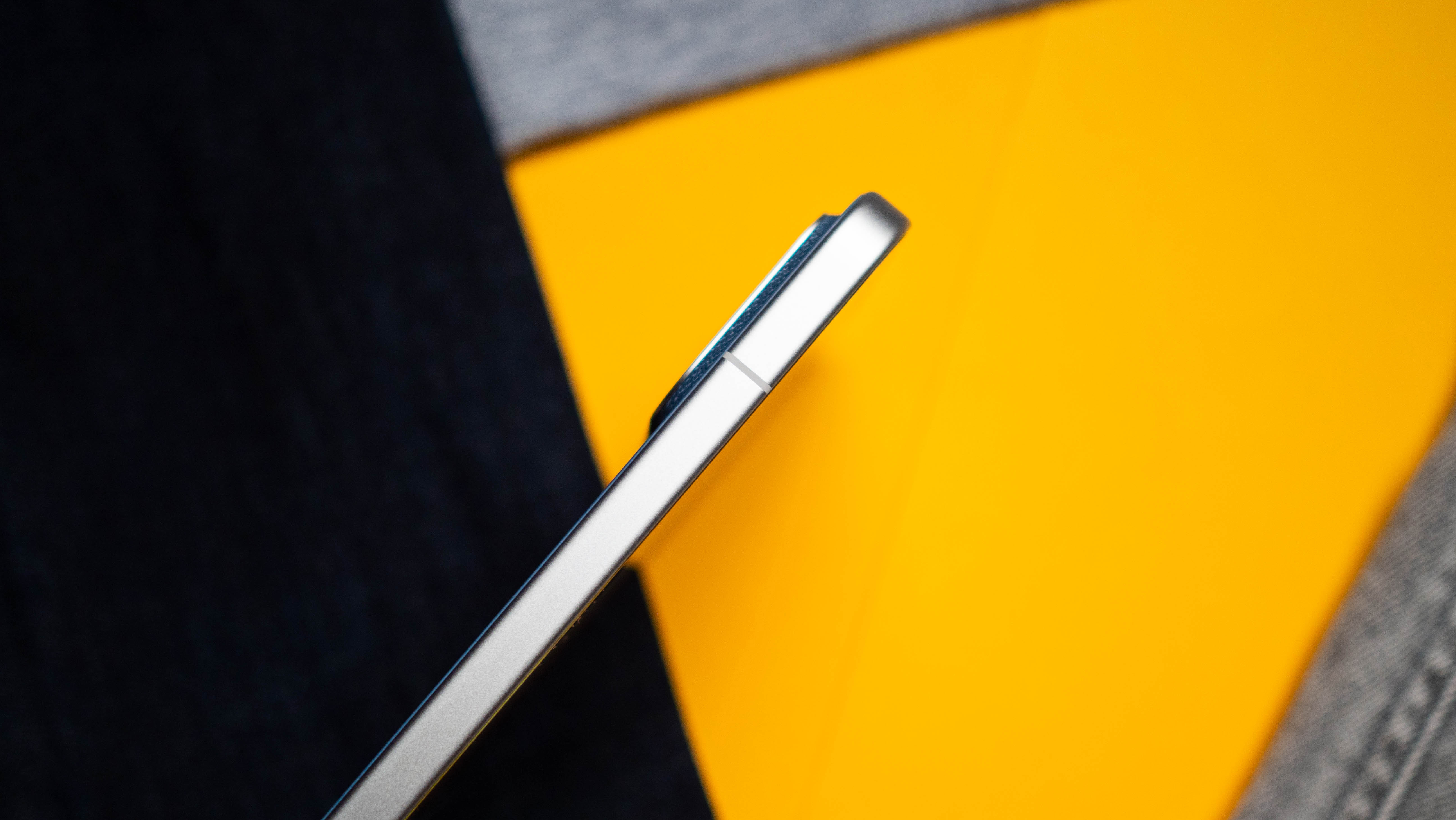
Coming in at 220g, the F8 Ultra isn’t too heavy, and POCO did a good job with weight distribution. The aluminum mid-frame and rounded edges along with the denim finish at the back ensure the phone has great usability, and even though it has a huge 6.9-inch panel, it isn’t unwieldy to hold in the least.
(Image credit: Apoorva Bhardwaj / Android Central)
Another thing I like is the addition of an ultrasonic fingerprint sensor this year; it’s just better to use than an optical module, and I didn’t see any issues in this area — the positioning is good too. Similarly, the phone gets IP68 dust and water resistance, and it handles all weather conditions without any problems.
POCO F8 Ultra: Display
(Image credit: Apoorva Bhardwaj / Android Central)
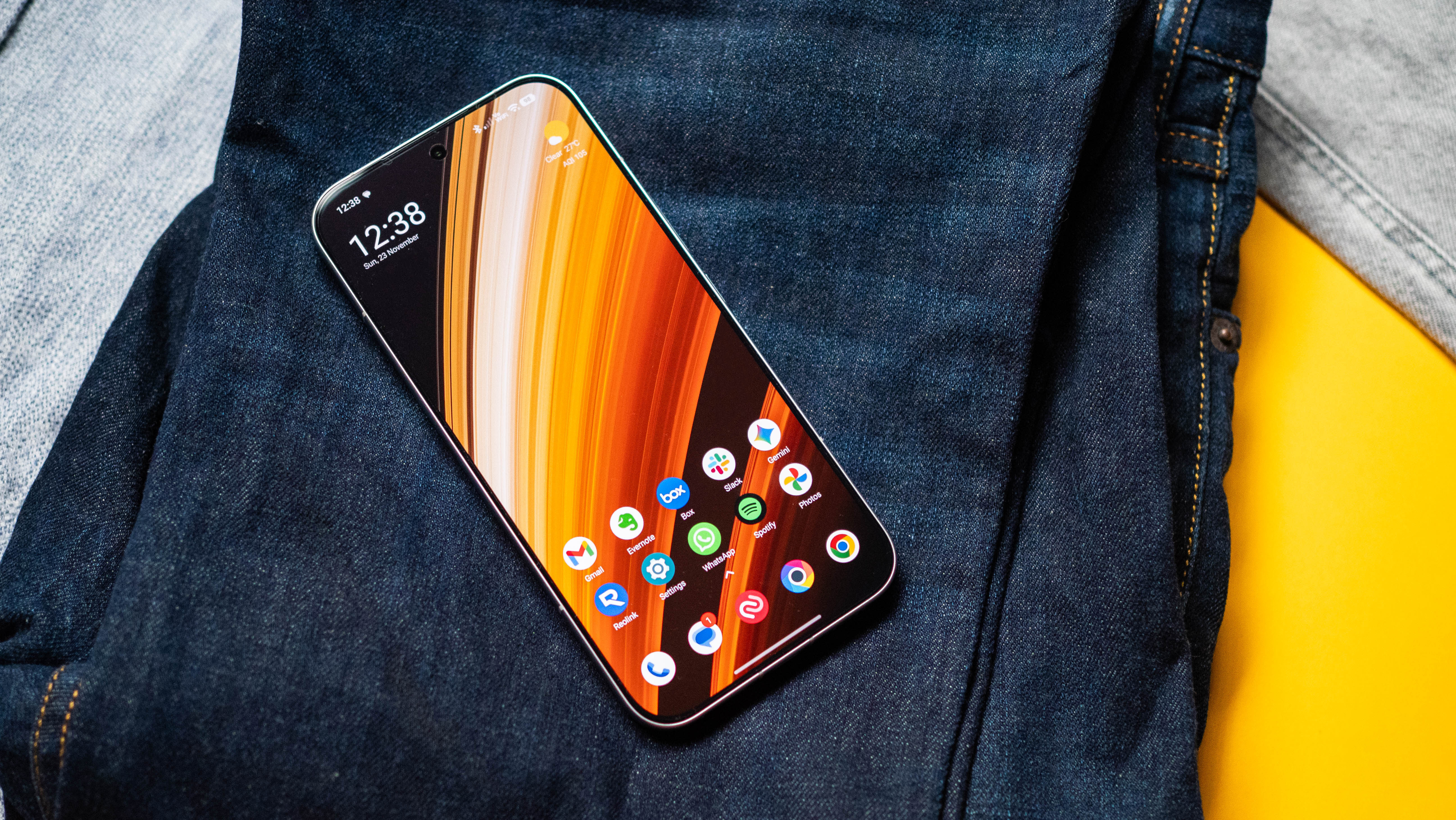
POCO went with a massive 6.9-inch 120Hz AMOLED panel this time around, and the result is that the F8 Ultra is a bit wider than most devices. However, that doesn’t affect usability, but the phone has a lower resolution; it gets 2608 x 1200, with its predecessor featuring a QHD+ panel.
This isn’t a big issue in daily use as you still get a vibrant panel with good colors and detail, and if anything, POCO’s new VisionBoost D8 does a better job with HDR content. The chip is built on a 12nm node, and you’ll need to enable the dual-core visual setting to see the difference; think of it as a dedicated module that enables better HDR and smoother motion when viewing content on the phone.
(Image credit: Apoorva Bhardwaj / Android Central)
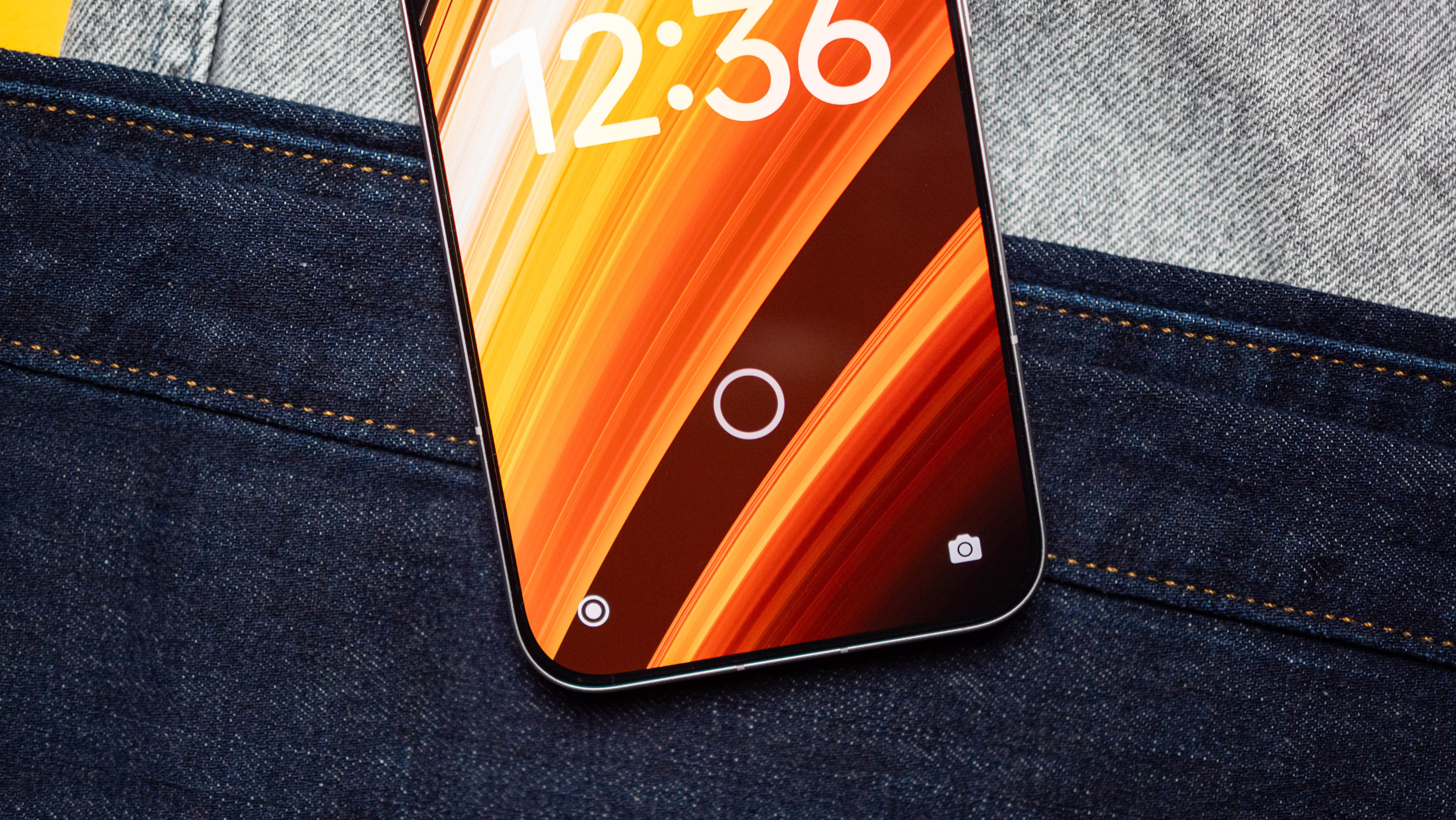
The bezels are thinner, but they’re not uniform, with the bottom bezels slightly bigger. I didn’t see any problems with brightness levels, and the F8 Ultra did a good job while going out and about in Bali. At the other end of the scale, the phone goes down to 1 nit, making it comfortable to use at night. This is a bigger deal in my use case, and I noticed the difference against the F7 Ultra in this area. I’m just glad that POCO is joining BBK brands in bringing this feature to its devices.
What I also like about the device is that it gets identical stereo channels — similar to Xiaomi phones from several years ago — and the sound quality is pretty great in its own right. Add a dedicated subwoofer, and the F8 Ultra has better onboard sound than any other phone I used.

(Image credit: Apoorva Bhardwaj / Android Central)
You’re better off with a dedicated speaker as the micro-driver and sound cavity housed within the phone can’t produce meaningful bass, but even then, having three channels in total gives you a much better sound than regular phones. POCO says the 2.1-channel sound was “rebalanced through psychoacoustic tuning that retained precision and clarity,” and you even get different sound modes.
The phone does a great job when it comes to gaming; it handles demanding games without breaking a sweat, and while you don’t necessarily get high-refresh gaming in many titles, I didn’t see any issues in visually-demanding titles.
POCO F8 Ultra: Hardware and battery
(Image credit: Apoorva Bhardwaj / Android Central)
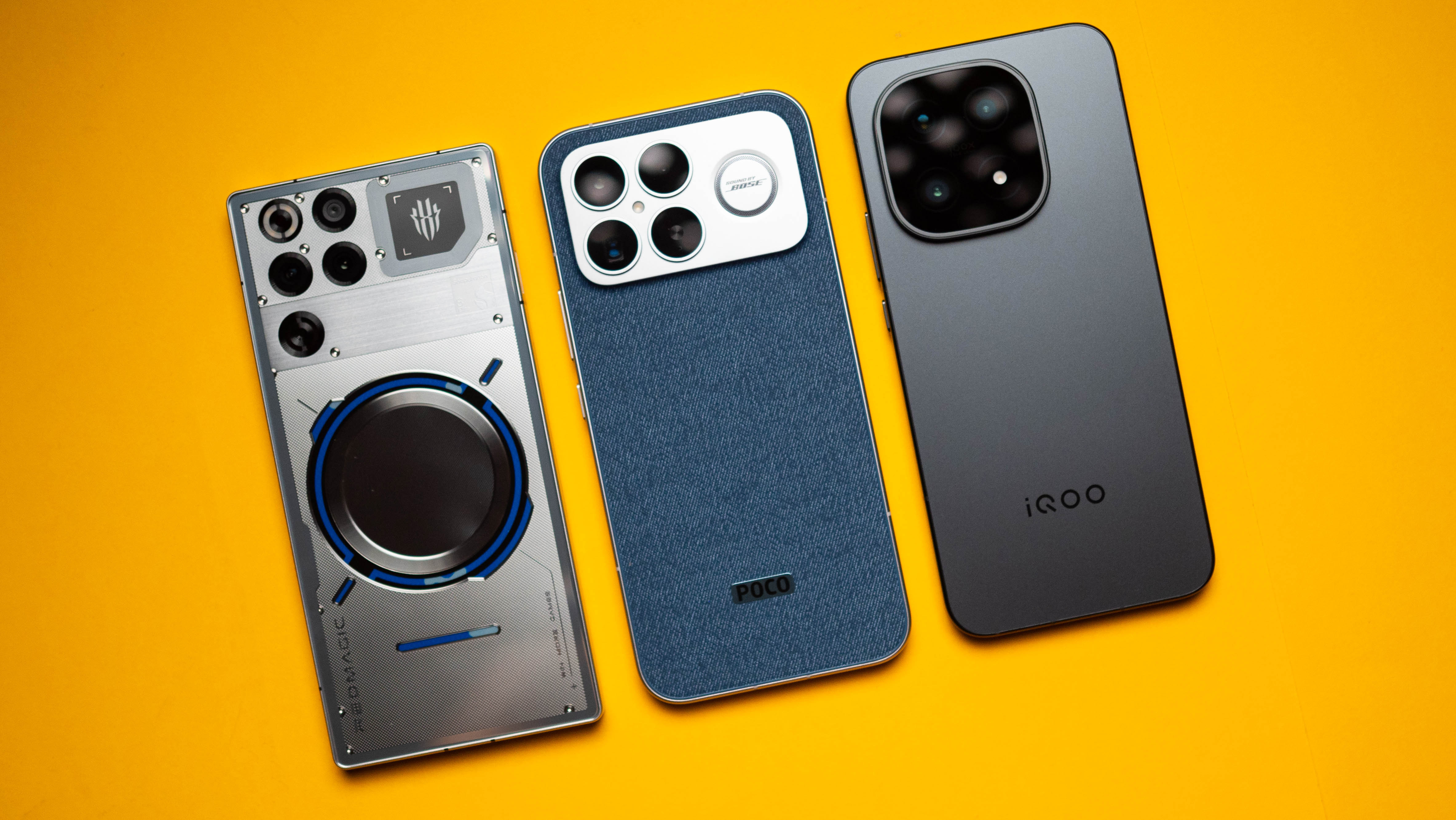
POCO is really making a name on the back of powerful hardware, and the F8 Ultra is no different; it has the latest Qualcomm silicon and all the other extras you’d want to see in a late 2025 flagship. If anything, the phone feels familiar to the Redmagic 11 Pro that I recently reviewed in that it also has terrific hardware, and doesn’t cost anywhere as much as regular flagships.
Anyway, the F8 Ultra is one of the fastest phones you can buy now, and it handles demanding tasks without any hassle whatsoever. I didn’t see any slowdowns or lag in the two weeks I used the phone, and in fact, this hasn’t proved to be a problem on pretty much any phone I used in 2025 — other than the Galaxy A56.
Swipe to scroll horizontally
Category
POCO F8 Ultra
POCO F8 Pro
Vivo X300 Pro
Geekbench 6 (single-core)
3439
1384
3391
Geekbench 6 (multi-core)
10006
6127
10085
3DMark Wild Life Extreme (score)
6112
5868
6546
3DMark Wild Life Extreme (FPS)
36.6
35.14
39.2
3DMark Solar Bay (score)
10709
10178
13588
3DMark Solar Bay (FPS)
40.72
38.7
51.67
There’s just one issue though: overheating. Now, this isn’t something unique to the F8 Ultra, but affecting all phones powered by Qualcomm this year. Given that the chipset runs hotter, it’s inevitable that the phone gets hot during extended gaming sessions. It gets uncomfortable to hold in such scenarios, and there is noticeable throttling when you push the phone to your limits, but I see it as a good thing, because otherwise, it would heat up so much that you couldn’t even hold it.
On that note, I wasn’t able to run any 3DMark stress tests on the device as I got a “Device Overheated” halfway through, and the F8 Ultra basically shut down after that. That said, this was only an issue when tunning synthetic workloads, and it didn’t prove to be a problem in regular gaming situations.
(Image credit: Apoorva Bhardwaj / Android Central)
Elsewhere, you get the usual connectivity options: Wi-Fi 7, Bluetooth 6.0, a decent selection of 5G bands (that varies by region), eSIM connectivity, NFC (again, in select markets), and a good vibration motor. I didn’t see any issues while making calls or connecting to my home network, nor while connecting a host of accessories over Bluetooth.
The F8 Ultra comes with a 6,500mAh battery, and while that’s a considerable increase over its predecessor, it isn’t quite as large as some of the other phones I used in recent weeks, notably the Find X9 Pro and its monstrous 7,500mAh battery that lasts two days. Even then, the F8 Ultra manages to last a day and a half comfortably, and with heavy use, I still got a day’s worth without having to worry about the battery running out.
The phone has 100W charging, but the biggest issue with this is that POCO doesn’t include a charger in the box. That’s annoying to say the least, but as I had a 120W Xiaomi charger on hand, I used that with the device.
POCO F8 Ultra: Cameras
(Image credit: Apoorva Bhardwaj / Android Central)
POCO is using a trio of 50MP cameras on the F8 Ultra, with the main lens once again made by OmniVision, this time the OV50M. The 50MP f/1.7 lens has OIS, and POCO dubs this the Light Fusion 950 module. It’s joined by a 50MP OmniVision OVX9500 wide-angle lens, and POCO is once again using the 50MP Samsung JN5 telephoto with OIS, going up to 5x optical zoom.
The zoom lens does a better job this time around, and I like the quality of shots it delivers at 5x. However, I would have preferred a 3x zoom factor, as that is what I got used to on most phones, and not having that proved to be a limitation — particularly when taking portrait shots. You get 4K60 video on all the sensors, but the video quality isn’t quite as noteworthy as the Find X9 Pro or Vivo X300 Pro.
Image 1 of 23
 (Image credit: Harish Jonnalagadda / Android Central)
 (Image credit: Harish Jonnalagadda / Android Central)
 (Image credit: Harish Jonnalagadda / Android Central)
 (Image credit: Harish Jonnalagadda / Android Central)
 (Image credit: Harish Jonnalagadda / Android Central)
 (Image credit: Harish Jonnalagadda / Android Central)
 (Image credit: Harish Jonnalagadda / Android Central)
 (Image credit: Harish Jonnalagadda / Android Central)
 (Image credit: Harish Jonnalagadda / Android Central)
 (Image credit: Harish Jonnalagadda / Android Central)
 (Image credit: Harish Jonnalagadda / Android Central)
 (Image credit: Harish Jonnalagadda / Android Central)
 (Image credit: Harish Jonnalagadda / Android Central)
 (Image credit: Harish Jonnalagadda / Android Central)
 (Image credit: Harish Jonnalagadda / Android Central)
 (Image credit: Harish Jonnalagadda / Android Central)
 (Image credit: Harish Jonnalagadda / Android Central)
 (Image credit: Harish Jonnalagadda / Android Central)
 (Image credit: Harish Jonnalagadda / Android Central)
 (Image credit: Harish Jonnalagadda / Android Central)
 (Image credit: Harish Jonnalagadda / Android Central)
 (Image credit: Harish Jonnalagadda / Android Central)
 (Image credit: Harish Jonnalagadda / Android Central)
The main 50MP camera takes fabulous photos in daylight situations, with vibrant colors along with good dynamic range and white balance. Colors tend to be a little saturated at times, but it isn’t anywhere as exaggerated as what you get on Samsung phones, and overall, I like the tuning of the cameras this generation.
The wide-angle lens is pretty good too, even though it has an 18mm focal length instead of the usual 14mm that you get with most other phones. With the main lens at 23mm, the area covered by the wide-angle isn’t that much more. Anyway, the lens itself is great in daylight situations, and it held up much better than I imagined in low-light scenarios with little to no artificial light.
Image 1 of 15
 (Image credit: Harish Jonnalagadda / Android Central)
 (Image credit: Harish Jonnalagadda / Android Central)
 (Image credit: Harish Jonnalagadda / Android Central)
 (Image credit: Harish Jonnalagadda / Android Central)
 (Image credit: Harish Jonnalagadda / Android Central)
 (Image credit: Harish Jonnalagadda / Android Central)
 (Image credit: Harish Jonnalagadda / Android Central)(Image credit: Harish Jonnalagadda / Android Central)
 (Image credit: Harish Jonnalagadda / Android Central)
 (Image credit: Harish Jonnalagadda / Android Central)
 (Image credit: Harish Jonnalagadda / Android Central)
 (Image credit: Harish Jonnalagadda / Android Central)
 (Image credit: Harish Jonnalagadda / Android Central)
 (Image credit: Harish Jonnalagadda / Android Central)(Image credit: Harish Jonnalagadda / Android Central)
Similarly, the tele lens is terrific. It produces detailed shots at 5x and 10x, and my only issue with this sensor is that there’s no 3x mode with portrait shots. Having to use the tele lens as a portrait shooter is annoying as a result, but it’s a minor inconvenience.
Overall, the F8 Ultra has the best camera system that POCO has delivered by a long way. While it doesn’t quite hold its own against the Find X9 Pro or Vivo X300 Pro, it is able to measure up to the Pixel 10 and Galaxy S25, and that’s a huge deal.
POCO F8 Ultra: Software
(Image credit: Apoorva Bhardwaj / Android Central)
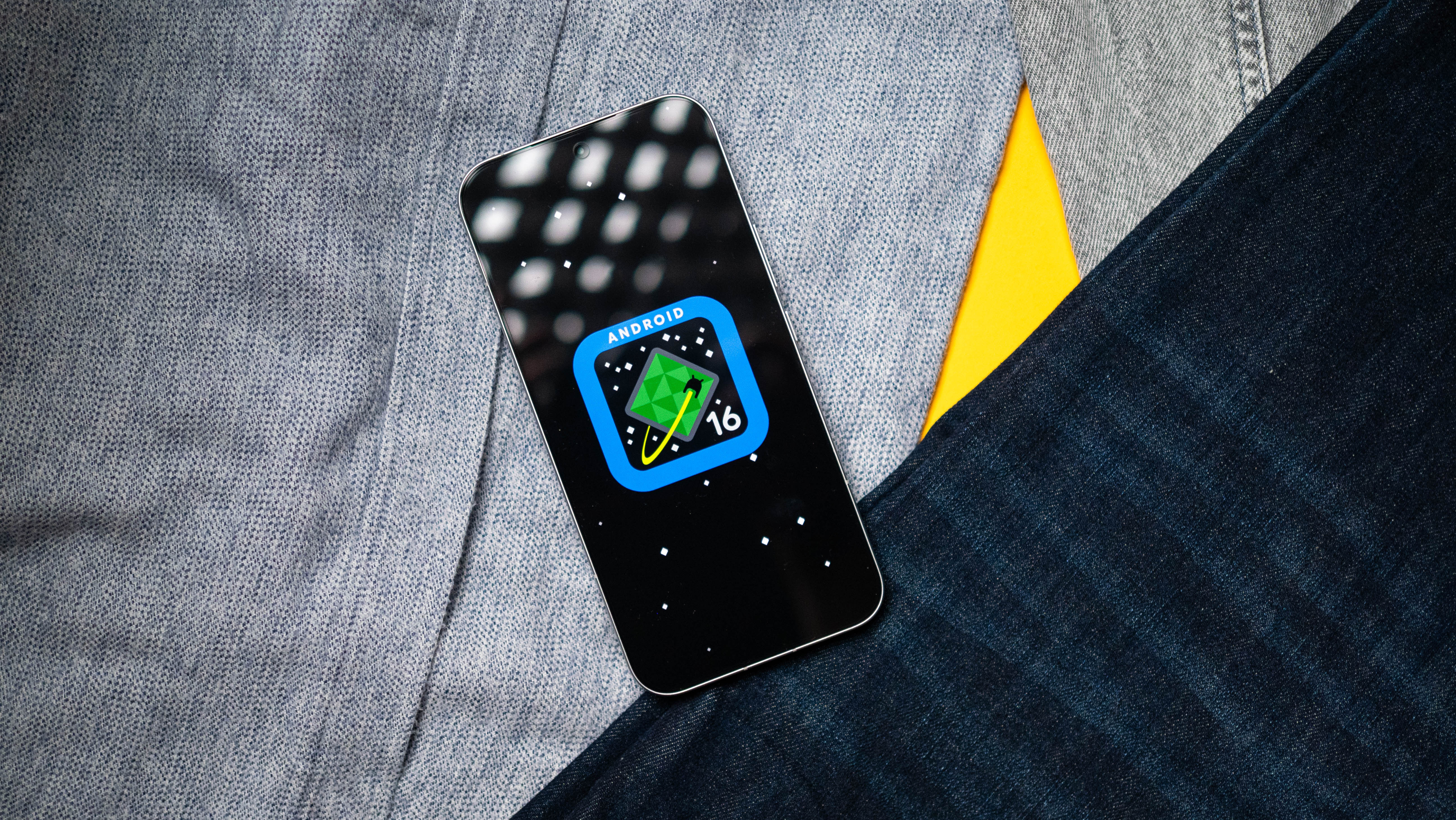
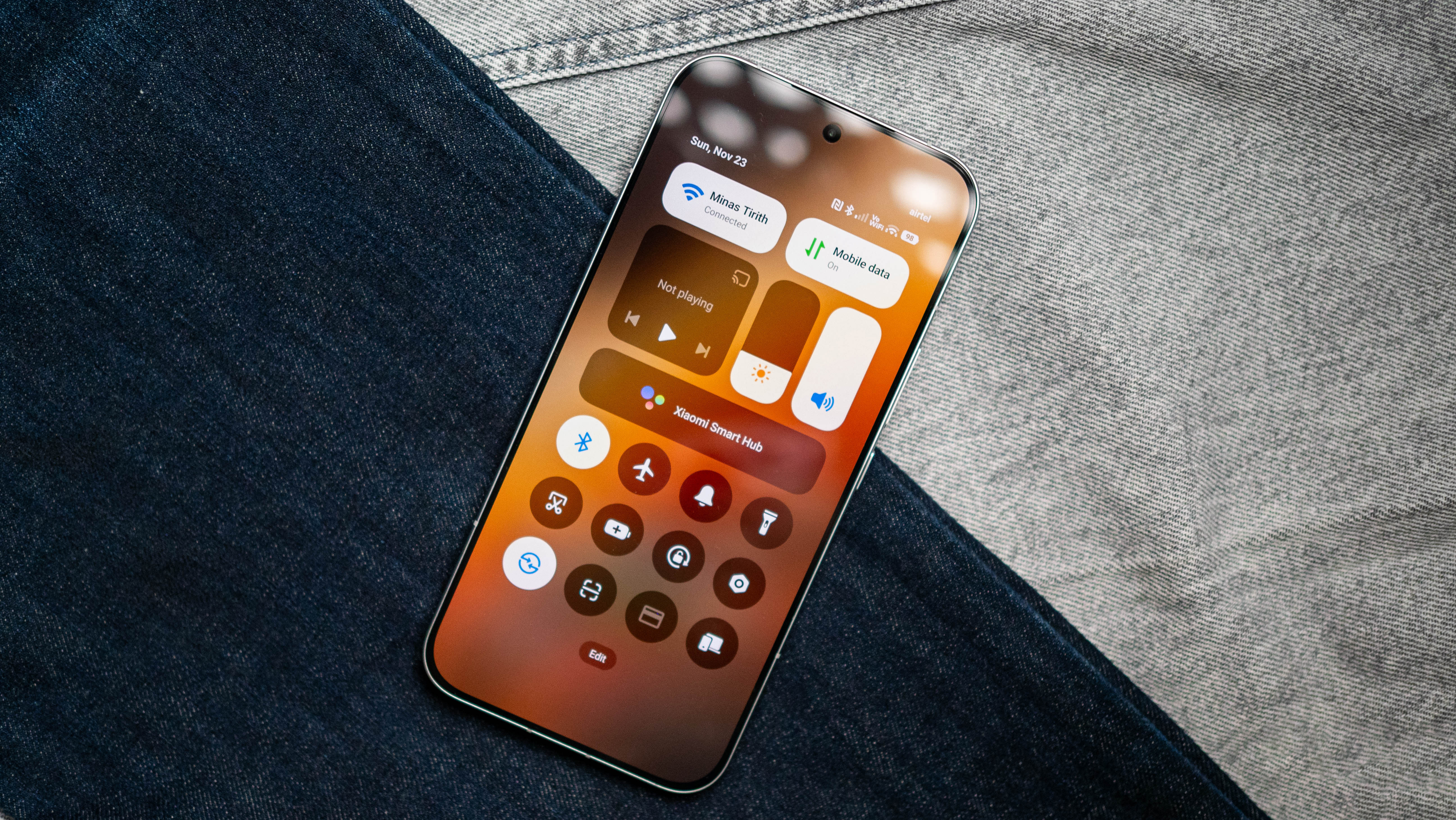
The phone comes with HyperOS 3 based on Android 16 out of the box, and the interface itself will be immediately familiar if you’ve used a Xiaomi or POCO phone. There isn’t a whole lot new with the UI in general, but to POCO’s credit, the phone is optimized to take advantage of the hardware.
While other Chinese manufacturers are emulating iOS 26, leading to UI designs with plenty of translucent effects, Xiaomi hasn’t seen the need to do so with its software. It’s admirable that Xiaomi is continuing to provide a familiar UI, but it has been clear for a while that its software needs an overhaul, but the brand doesn’t seem to get the message.
(Image credit: Apoorva Bhardwaj / Android Central)
The result is that the software on the F8 Ultra doesn’t feel quite as modern as its Chinese rivals. Don’t get me wrong, you still get plenty of useful features, and there’s a lot I like about Xiaomi’s software. It’s just that it badly needs a visual overhaul, and Xiaomi continues to drag its feet.
On that note, the F8 Ultra will get four Android OS updates, but given Xiaomi’s inability to roll these out on time, you’ll have to wait quite a bit to get your hands on future Android releases.
POCO F8 Ultra: The alternatives
(Image credit: Apoorva Bhardwaj / Android Central)
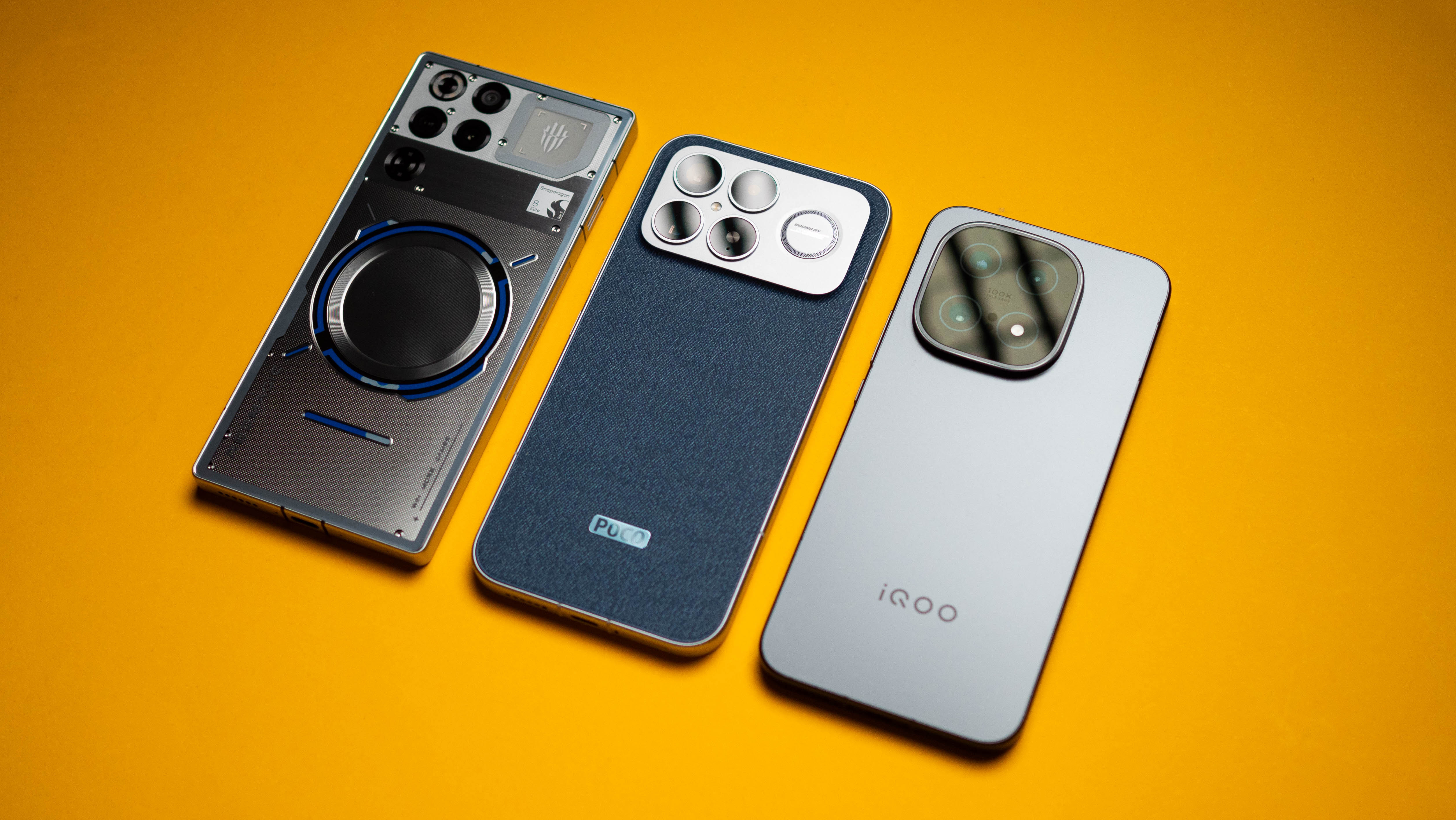
The Redmagic 11 Pro follows a similar ethos as the F8 Ultra, delivering the best possible hardware. The 11 Pro isn’t billed as an all-rounder, but it is the fastest gaming phone I tested, and it gets liquid cooling as well, which is just plain cool. I like the design of the 11 Pro better, and it lasts longer too. But there’s no doubt that the F8 Ultra has much better cameras.
Another alternative is the iQOO 15. I tested the phone alongside the F8 Ultra, and found it to be just as good. I prefer iQOO’s software to that of the POCO, and the iQOO 15 has much better battery life. The F8 Ultra has a slender edge with the cameras, and it should undercut the iQOO 15 to a meaningful degree.
POCO F8 Ultra: Should you buy it?
(Image credit: Apoorva Bhardwaj / Android Central)
You should buy this if:
You want the best phone internals money can buyYou need a phone with great battery life and fast chargingYou want a gaming phone that will last several yearsYou want good cameras
You shouldn’t buy this if:
You need clean software with timely updates
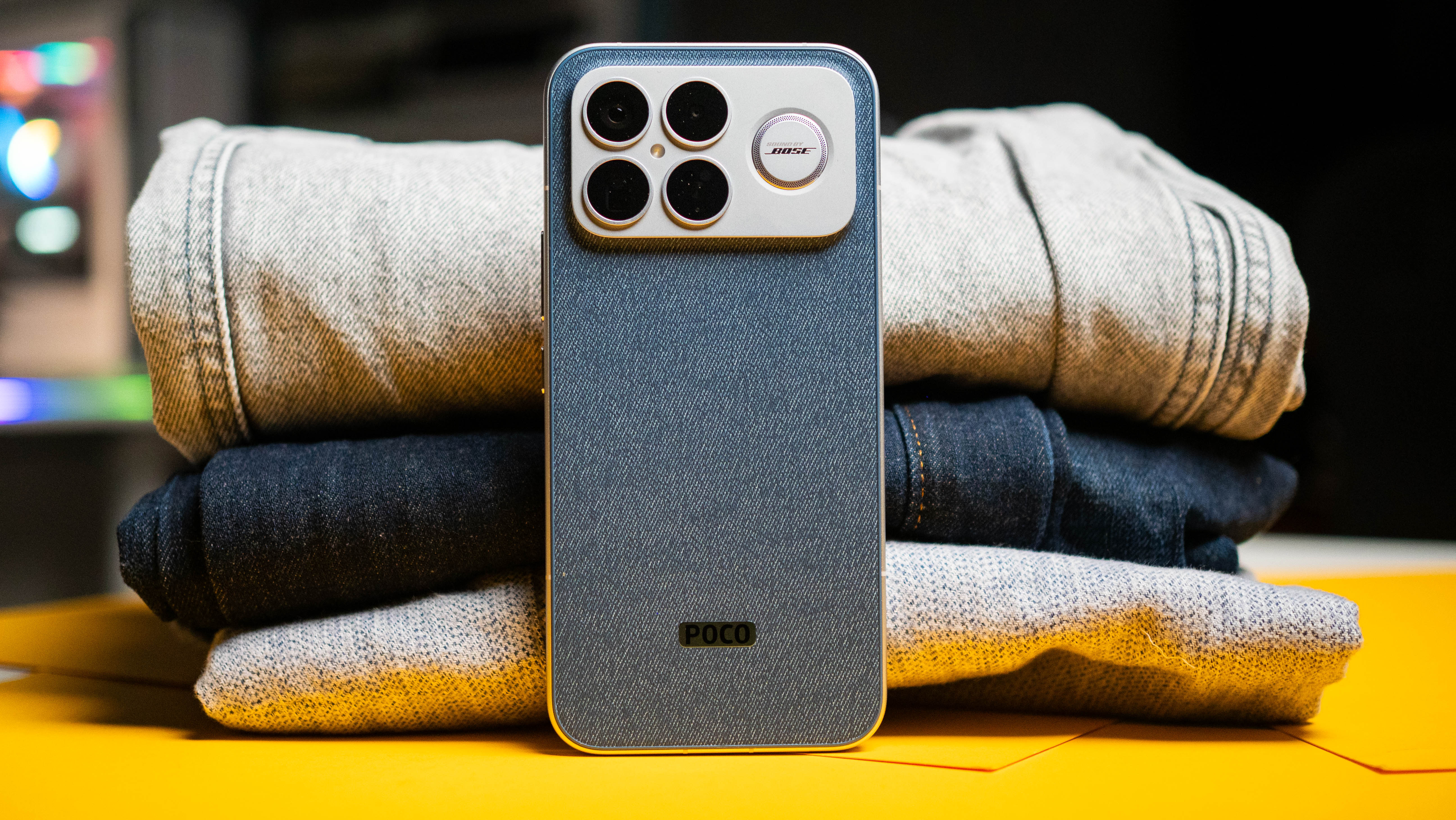
Although the F8 Ultra is launching just eight months after its predecessor, it comes with meaningful upgrades. The cameras take better photos, and the addition of a 5x lens gives the phone greater versatility. The design itself is cleaner this time around, and I really like the denim finish — I’d like to see this make its way to Xiaomi’s global phones at some point.
The panel may be seen as a downgrade, but that isn’t actually the case in daily use, and it has better color vibrancy and gets brighter. The phone isn’t short on power, and if anything, the lack of console-quality games on Android is the limiting factor in this area. I like that there’s a bigger battery, and even on travel days, I had no issues getting the phone to last well over a day.
Overall, I think the F8 Ultra is one of the best phones to buy if you want flagship-tier internals but don’t want to shell out in excess of $1,000. While cameras have always been the biggest drawback in the past, that is no longer an issue, and the F8 Ultra is an astonishingly good all-rounder. Basically, this is the best phone you can get in the vicinity of $700.