
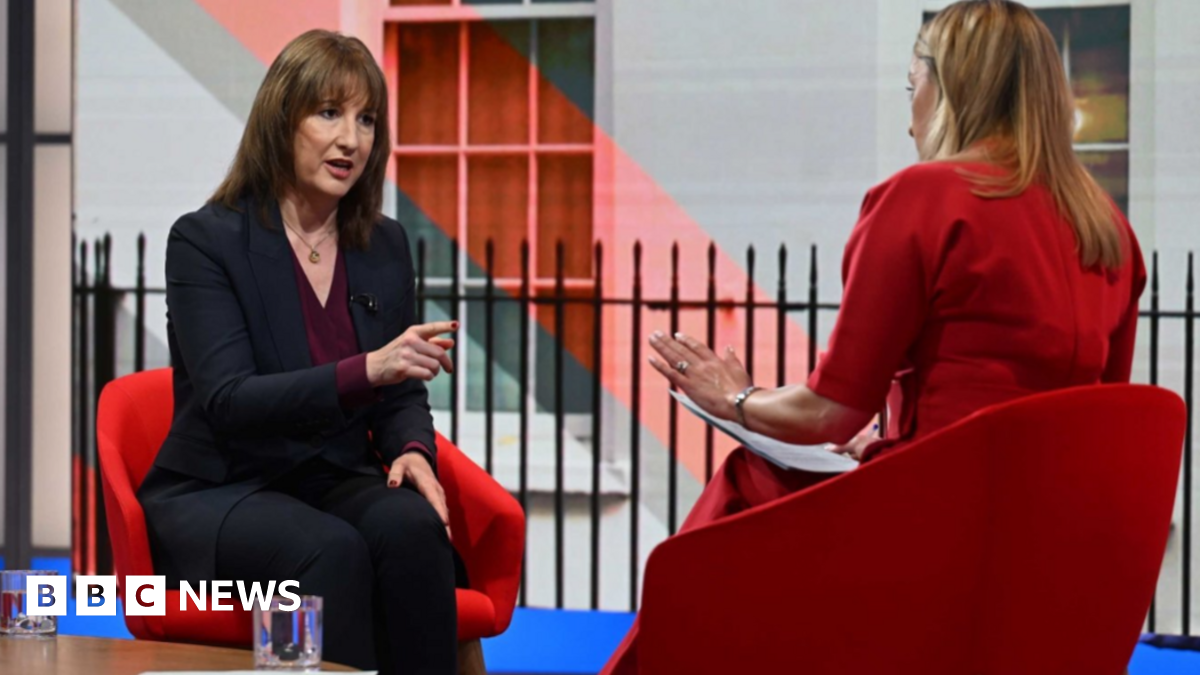
When pressed on the issue on BBC One’s Sunday with Laura Kuenssberg, Reeves said she did not “accept” she had been misleading.
Badenoch, also appearing on the programme, said she was not satisfied with the chancellor’s denial, however.
The Conservatives have accused the chancellor of giving an overly pessimistic impression of the public finances as a “smokescreen” to raise taxes, with Badenoch claiming Reeves had “lied to the public”.
But Downing Street has denied the accusations and Prime Minister Sir Keir Starmer is expected to back Reeves’ budget decisions in a speech on Monday, saying the chancellor’s decisions would help tackle cost of living pressures and lower inflation.
Reeves was asked by Kuenssberg if she could be trusted, responding that she could.
Kuenssberg then outlined what the chancellor said in a speech on 4 November, when Reeves indicated there was less cash than previously forecast due to a productivity downgrade, and she was likely going to need to raise taxes as a result.
Reeves explained that, despite what critics were saying, “I didn’t have an extra £4bn to play with” but instead that the OBR figures had been downgraded from £9.9bn headroom in spring to £4.2bn in the autumn.
Headroom is the term for money left over after the government meets its expected budget costs under its own fiscal rules, providing a financial buffer for unexpected costs.
“I clearly could not deliver a budget with just £4.2bn of headroom,” she said, as that would have been “the lowest surplus any chancellor ever delivered”, and she would “rightly” have been facing criticism for the headroom being too small.
She said: “I was clear that I wanted to build up that resilience and that is why I took those decisions to get that headroom up to £21.7bn.”