
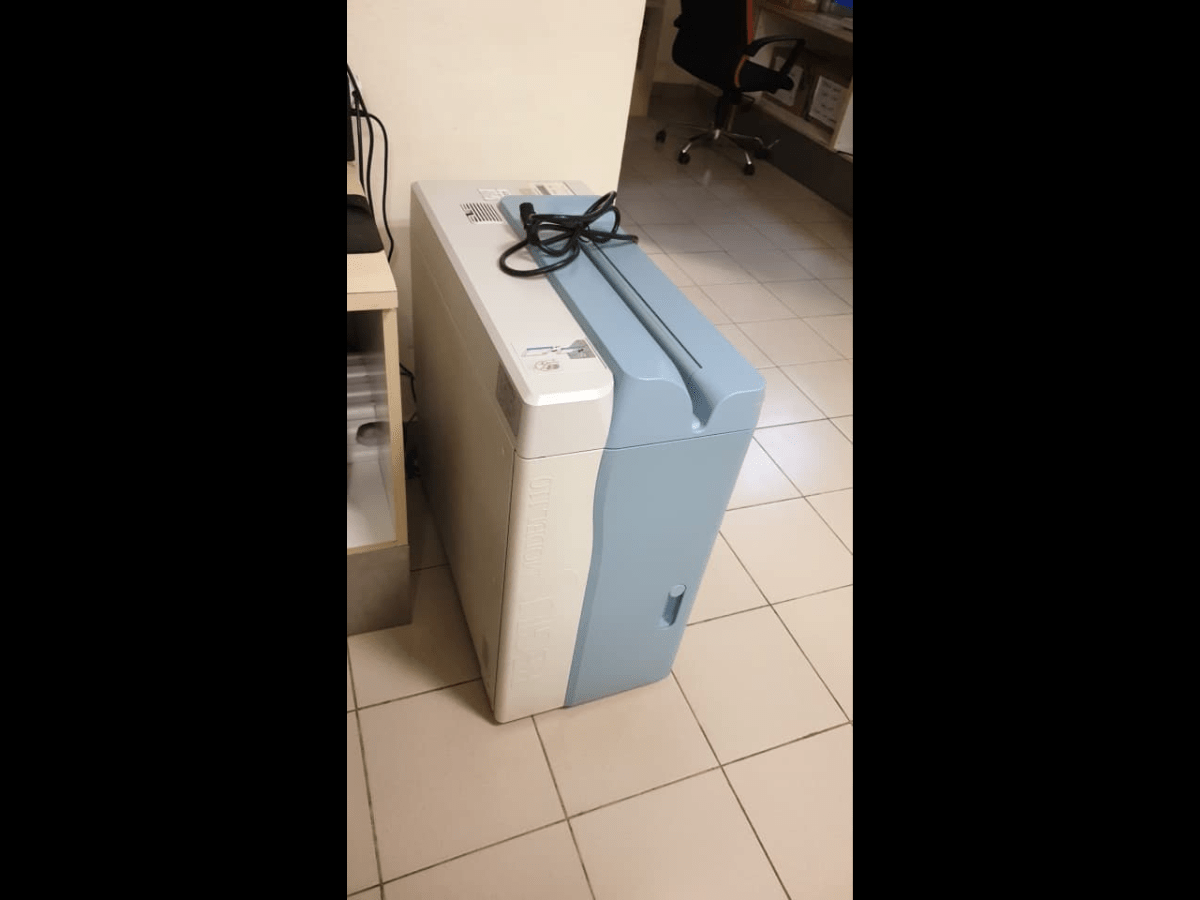
For the past two weeks, the only X-ray machine serving the district of Telupid, placed in Telupid Klinik Kesihatan, has been non-operational. In most states in Peninsular Malaysia, such a breakdown might be considered a routine technical problem, easily absorbed by neighbouring clinics or hospitals within short distances. Thanks to the speedy action by local clinic administrators, repair works are in process – however patients still suffer the consequences and I will elaborate here.
In Sabah, where health care facilities are separated by vast geography and limited transport networks, a single equipment failure instantly compromises access to essential diagnostic services for an entire region. This is not merely a technical issue; it exposes long-standing structural weaknesses in federal support for Sabah’s health care system.
Telupid sits in a central position between Sandakan and Kota Kinabalu, functioning as a crucial intermediate health care hub for rural populations spread across a very wide geographical area. Based on catchment patterns commonly used by the Ministry of Health, a clinic of Telupid’s size typically serves a primary radius of under 30 km (Telupid town and surrounding villages) comprising roughly 15,000 to 20,000 people; a secondary radius of 30 to 70 km (including Tongod, Pamol, Kiabau, Deramakot and Batu 32) covering another 20,000 to 25,000 individuals; and a tertiary radius extending up to 70 to 120 km touching interior Beluran and parts of Kinabatangan, with an estimated population of 15,000 to 20,000.
In total, between 50,000 and 65,000 people rely on Telupid for basic radiographic services. When this X-ray machine breaks down, the entire region effectively loses access to imaging.
The consequences are far-reaching. X-rays are not a luxury; they are fundamental to managing trauma, diagnosing fractures, confirming pneumonia, detecting tuberculosis, and evaluating chronic lung disease. Sabah, which consistently reports one of the highest TB burdens in the country, cannot afford any disruption in radiographic access.
Under normal circumstances, Telupid handles approximately 30 to 40 X-ray patients per day, translating into a backlog of nearly 300 to 500 cases over two weeks, not including the many undiagnosed or delayed cases that never even make it to the clinic.
Without local imaging, patients are forced to travel to Ranau Hospital (70 to 90 km away) or Hospital Duchess of Kent in Sandakan (110 to 130 km away), journeys that are costly, time-consuming, and often unmanageable for elderly patients, labourers, mothers with young children, and individuals without reliable transport options. A single X-ray can cost a villager RM150 to RM200 in transportation fees, alongside lost income and a full day of travel.
Imagine a labourer losing a full day’s income to confirm a wrist fracture.
This disruption also strains the wider health care system. Referral hospitals like Ranau and HDOK suddenly absorb the extra burden, contributing to overcrowding, longer waiting times, and inefficiencies. Ambulances, which should be reserved for urgent transfers, may be redirected simply to facilitate routine imaging.
Emergency triage becomes compromised as suspected fractures, pneumonias, or TB cases must be assessed without radiographic confirmation, increasing the risk of mismanagement and unnecessary referrals. In hospitals, delays in imaging lead to longer patient stays and reduced bed turnover, intensifying congestion in emergency departments and wards.
The underlying issue is not the broken X-ray machine itself, but rather the chronic underinvestment in Sabah’s health infrastructure. Sabah faces a nationwide-low doctor-to-population ratio, persistent shortages of technical and biomedical engineering personnel, outdated equipment far beyond their intended lifespan, and procurement systems that move far too slowly to support the realities of East Malaysian health care.
The challenges mirror the broader infrastructural neglect Sabah faces: roads that take years to complete, water supplies that remain inconsistent, electricity that is unreliable, and schools that lack basic facilities. Health care, regrettably, is no different.
This breakdown should serve as a wake-up call for federal policymakers. Sabah urgently requires a dedicated diagnostic resilience fund to ensure that rural clinics have both primary and backup imaging equipment. Procurement pathways for East Malaysia must be decentralised, with decision-making authority and budget control closer to the facilities that understand the ground realities.
The Ministry of Health should establish a specialised rural biomedical task force with rapid-response capacity for East Malaysia, rather than relying on slow, centralised repair cycles. Furthermore, the promised health reform under the White Paper must include explicit equity indicators for Sabah and Sarawak, ensuring that East Malaysia’s geographical challenges and population distribution are reflected in federal resource allocation. Equity does not mean uniformity; it means proportional investment based on actual need.
Recent Sabah election results have already signalled public dissatisfaction. Pakatan Harapan’s losses cannot be divorced from the broader perception that the federal government has not delivered meaningfully for Sabahans, especially in essential services like health care. When things like this happen, it sends a clear message to the rakyat: Sabah is still treated as peripheral rather than integral.
As a specialist who has served more than a decade in the public system, I have seen how Sabah’s health care survives not because the system is strong, but because its people are resilient. Doctors drive hours to run outreach clinics. Nurses stretch limited resources with creativity and compassion.
Paramedics troubleshoot faulty equipment with whatever tools they have. Administrators chase procurement approvals tirelessly, often for months. Yet even the most dedicated health care workers cannot compensate indefinitely for structural deficiencies.
Sabah deserves better — not in the distant future, not after another committee is formed, and not after another cycle of bureaucratic delays. It deserves decisive investment now. A single X-ray machine should never determine the health care access of 60,000 people. Yet today, in Telupid, it does. And that should concern every minister and policymaker responsible for Malaysia’s health care future.
If Malaysia is serious about equitable development, then Sabah must no longer be the last to receive and the first to be forgotten.
The author is a specialist doctor serving in Sabah in the Ministry of Health. CodeBlue is granting the author anonymity because civil servants are prohibited from writing to the press.
This is the personal opinion of the writer or publication and does not necessarily represent the views of CodeBlue.