
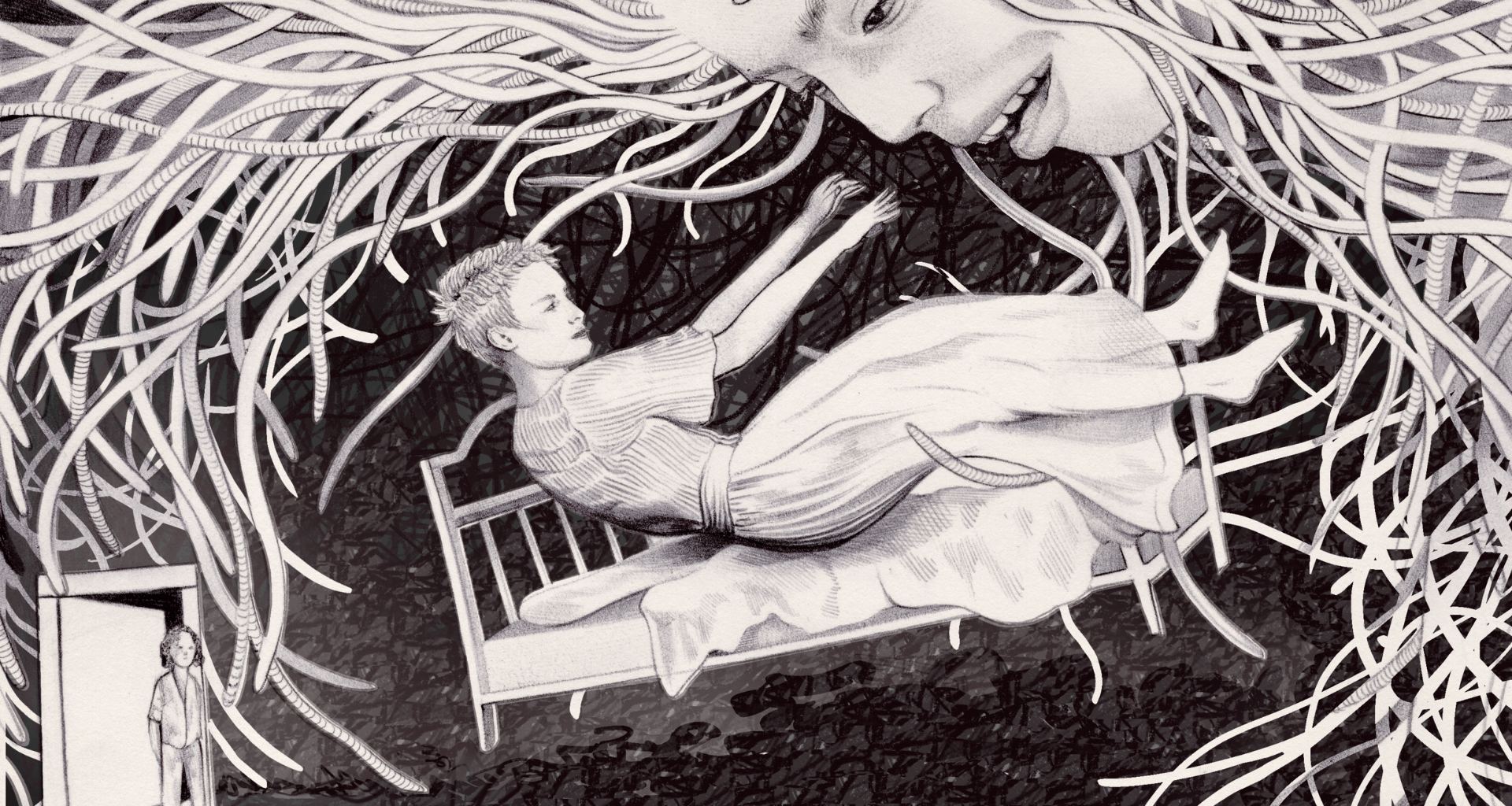
The AI will see you now
“I feel like my friends are drifting away…”
“I’m really sorry you’re feeling that way. Do you have a sense of why it’s happening, or is it more of a feeling that’s just been building up?”
“More of a feeling…”
“That makes sense. Sometimes it’s not about a specific event, but just a shift that happens over time. Are you noticing it in particular situations or with specific friends, or does it feel more general?”*
And so the exchange unfolds, each fresh entry eliciting concern and kindness that draws the user deeper into a secure cocoon.
Tens of thousands of similar conversations are playing out on screens glowing in darkened rooms, dimmed in bright MRT carriages, and in the myriad other public and private spaces we inhabit. They’re part of a quiet shift across the island. Young people, so often technology’s earliest adopters, are turning to artificial intelligence (AI) tools not just for career advice, travel itineraries or productivity hacks, but for comfort too. High costs and the lingering stigma around therapy continue to make it hard for youth to seek help, and these bots are standing in as their emotional first responders. What are some of the pros and cons of embracing generative AI for mental health advice? And how might we better navigate these still uncharted waters?
For subscribers only
Subscribe now to read this post and also gain access to Jom’s full library of content.
Subscribe now
Already have a paid account? Sign in
You might also like

What does the 38 Oxley Road saga reveal about us as a people?
Our natural tendency to allocate money (or any resource) into little mental “jars” has profound implications for how we spend and save.

Deterrence and public opinion are used as justification for retaining the death penalty. We interrogate both notions, as we argue for abolition.
In the 1970s, as female flight attendants in the West were fighting gender discrimination, Singapore Airlines and Thai Airways were building brands around their sexualised female icons. Are we willing to accept sexism when it subsidises “the nation”?
The practice of farming in Singapore has gone through several waves of transformation. What are today’s urban farmers trying to achieve?
You’ve successfully subscribed to Jom
Welcome back! You’ve successfully signed in.
Great! You’ve successfully signed up.
Your link has expired
Success! Check your email for magic link to sign-in.