
The book’s title refers to a scene in Almost Famous, Crowe’s semi-autobiographical masterpiece inspired by this period. His onscreen avatar is being consoled over the phone by rock critic Lester Bangs, a real-life mentor of Crowe’s played in the film by Philip Seymour Hoffman: “The only true currency in this bankrupt world is what you share with someone else when you’re uncool.”
At the peak of his career in journalism, Crowe didn’t drink or take drugs, never had a girlfriend, and frequently checked in with his mother from the road. By most metrics, he was never the “coolest” person in the room. But to a generation of wannabe journalists who saw themselves in the scrappy music nerd at the center of Almost Famous, Crowe will forever be something of a golden god.
The Uncool almost reads like a novelization of the film, with numerous stories, details, and quotes (“It’s all happening…”) that fans will immediately recognize. But as much as Crowe’s memoir is about the decade of music that defined him, it’s also a loving tribute to his mother, Alice, who died in 2019 at the age of 97.
“My mom always pushed me to write what was in my heart,” Crowe says. “And this book is about how it feels to love something so much that it drives you a little crazy.”
With The Uncool now a New York Times best-seller, Vogue caught up with the 68-year old writer-director to chat about some of the stories that inspired his memoir, as well as his next film: a Joni Mitchell biopic he plans to make—and release—in 2026.
Vogue: What first compelled you to write a book centered around these experiences?
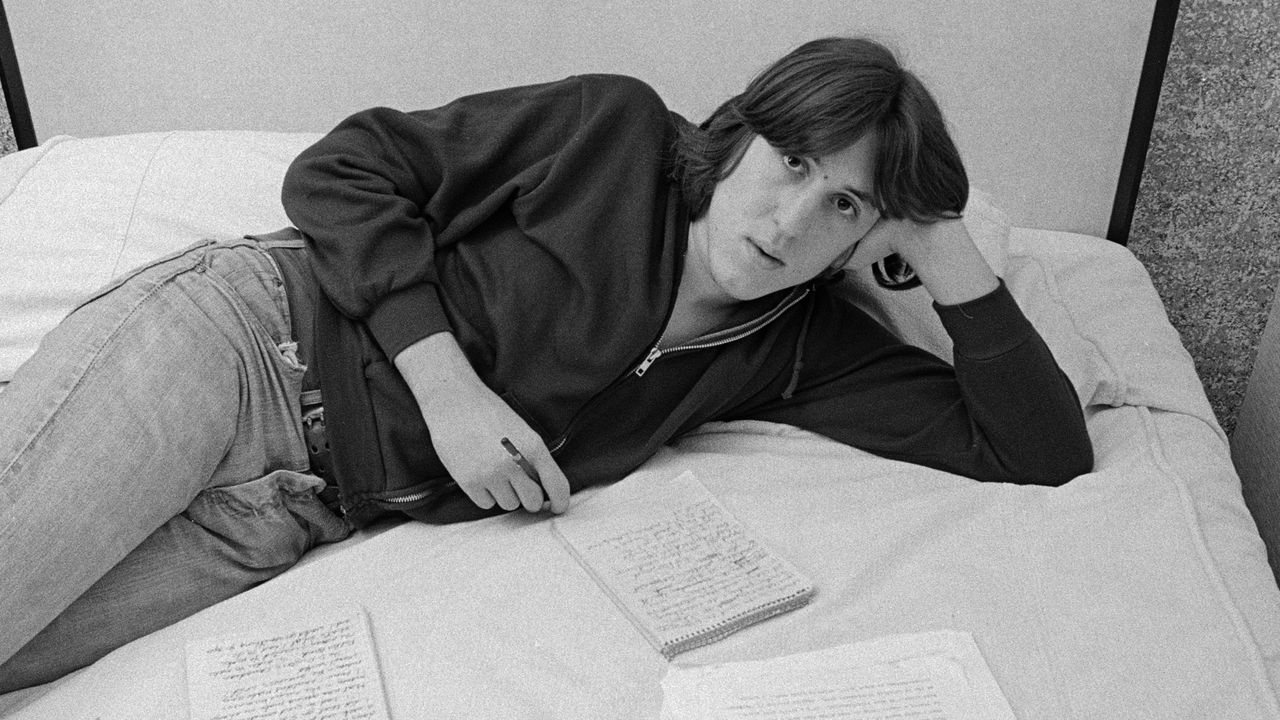
Cameron Crowe: It started when I re-read Patti Smith’s book Just Kids. It’s quite diaristic, and you never feel like it was written for the world to appreciate. I love that it stops where it does, so you only get hints of what she’ll get up to later in life. It’s mostly about this youthful phase before she became a public figure, and I thought about what my version of that could look like. I’m always writing just to get stuff out of my system, and I’ve been trying to get back into analog habits like writing on yellow legal tablets. I began writing longhand late at night, and the stories just started pouring out.
.jpg)
A collection of cassette tapes from Crowe’s interview sessions with David Bowie.
Photo: Cameron Crowe
What was your process, as far as digging through your archives and deciding which stories to share?