
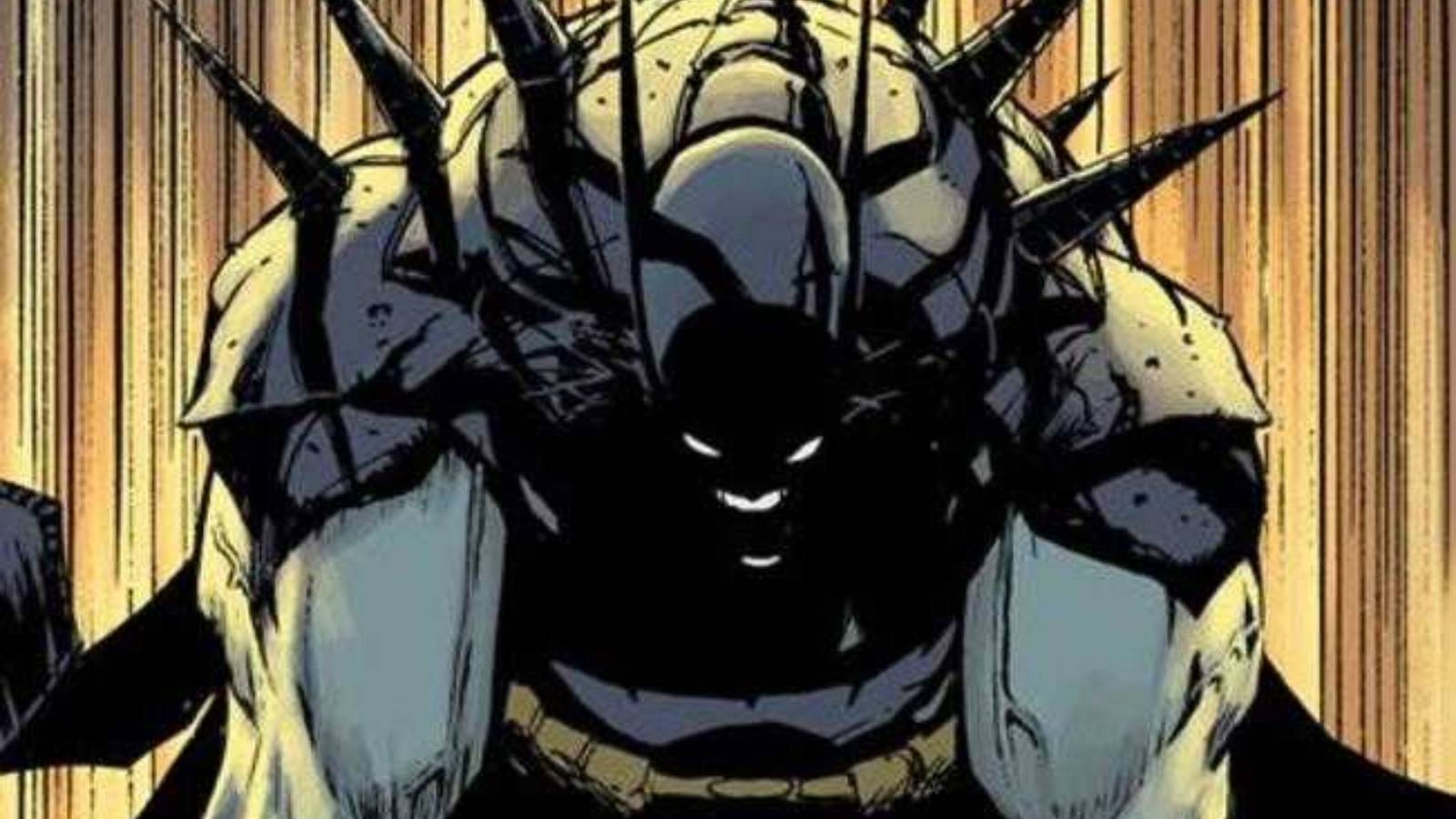
The following contains major story spoilers for Absolute Batman.
Of all DC characters, Batman has unquestionably had some of the most reinterpretations and redesigns. For almost 90 years, Batman has endured as one of the most popular characters in DC’s enormous pantheon and has received countless iterations in every medium and continuity imaginable to further explore the recesses of Bruce Wayne and his niche corner of the DC universe.
This is debatably why Absolute Batman has garnered the overwhelmingly positive reception that it has. Absolute Batman sustains enough of a tether to the iconography readers know, but upturns and upends every facet of Batman, making for a novel yet intimate origin story worth telling that bleeds into Bruce Wayne’s young adult life, compounded by companions both old and new and a rogues’ gallery that is as striking as it is haunting.
A Brand-New, Topsy-Turvy Bat-Family
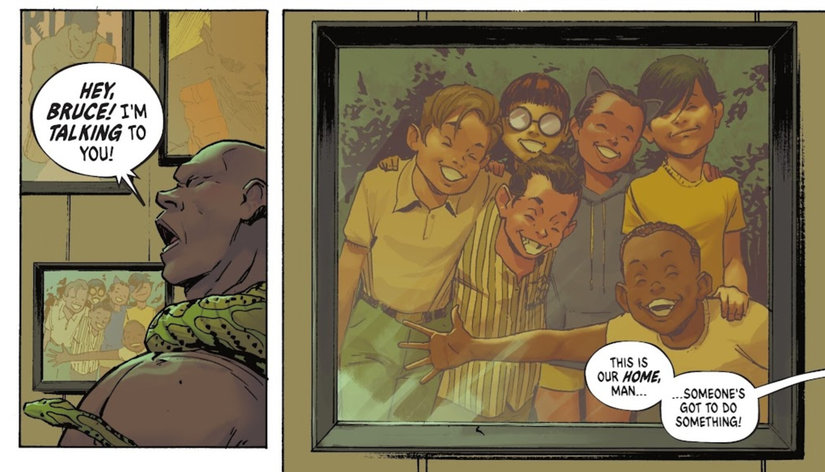
Batman has had complicated relationships with those under his wing, colloquially known as the Bat-Family. Each run or continuity has also liked to select key Bat-Family characters as Batman’s companions instead of simply dumping all of them in, such as which Robins he would raise and at what point in his crime-fighting career he would finally allow more individuals to join him in his crusade.
In what is more of an atypical approach—unsurprisingly so, for a book this radical—Absolute Batman’s Bruce cherishes friendships and begins his vengeful journey with an abundance of companions: Oswald Cobblepot, Harvey Dent, Edward Nygma, Waylon Jones, and Selina Kyle. Plus, as much as Bruce is redefined in Absolute Batman, Batman’s rogues’ gallery is equally reinterpreted, if not more so.
Batman and Catwoman’s relationship as adults will be familiar, yet their relationship as children creates a novel foundation for it; likewise, Alfred Pennyworth is quite a different shade in Absolute Batman as an M16 agent who had no prior relation to the Waynes. Of course, characters who are ordinarily villains now portrayed as allies is one of the biggest deviations in the narrative, and it is Bruce’s relationships with them that are undoubtedly the beating heart of Scott Snyder and Nick Dragotta’s Batman series.
Interestingly, it looks like Snyder could possibly be establishing Harley Quinn as Absolute Batman’s Robin, all while Dick Grayson has been introduced briefly as an EMT who dislikes Batman.
A Death In The Family… But Not A Mother’s Death
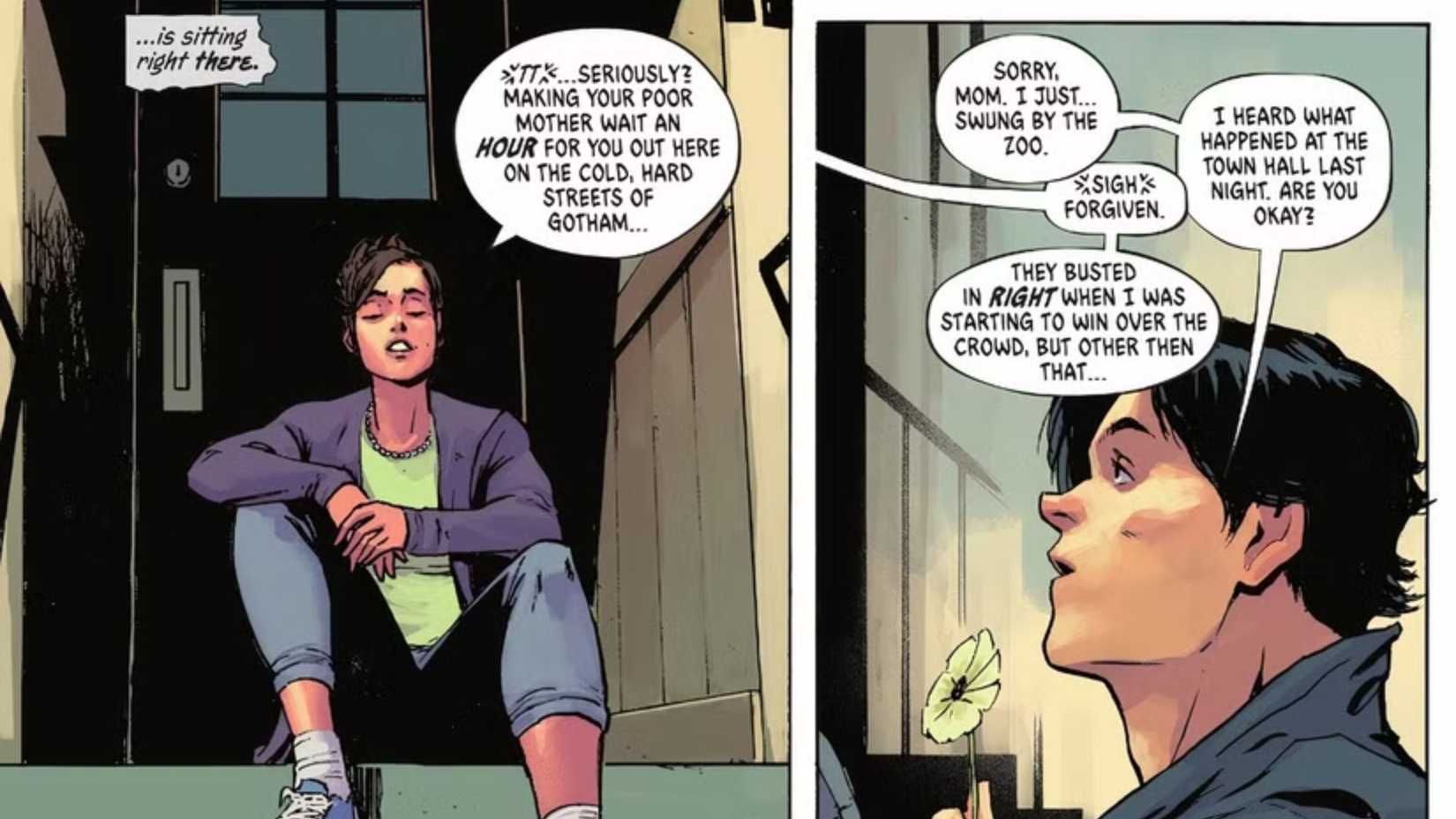
A key difference between Absolute Batman’s origin story and the standard Batman origin story is that only Thomas Wayne is killed. Rather, Martha is alive and well—as well as anyone living in Gotham City can be—and a Deputy Mayor who is close friends with Jim Gordon.
So, while Bruce is hardly a lesser Batman with one less dead parent than the character normally has, it’s neat that he has her as a rock in his life. Now, if Snyder ever wants to create a ripple in Bruce’s life unlike any other, all he has to do is put her life or well-being in jeopardy.
No Money? No Problem
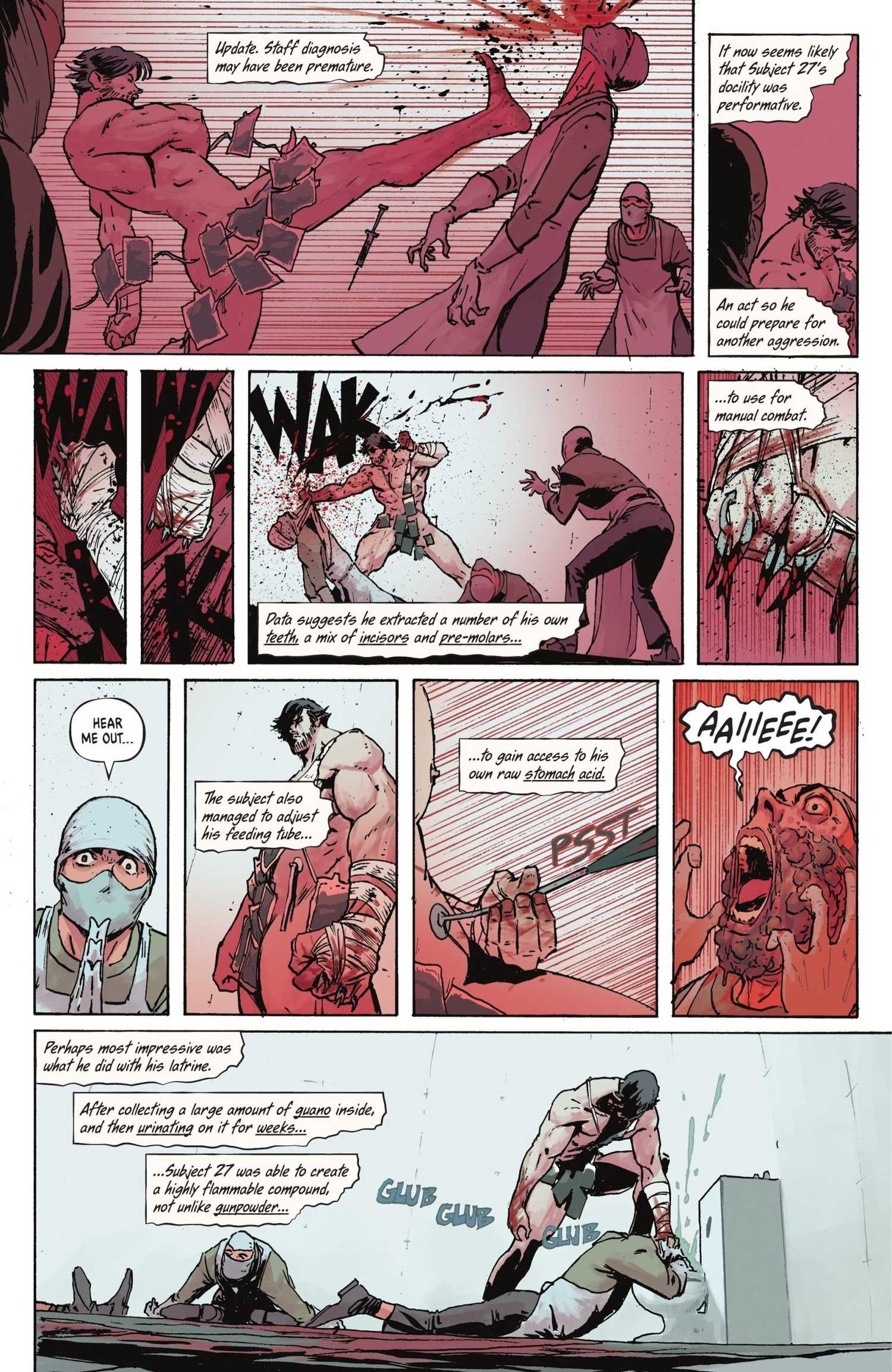
Bruce’s status as the World’s Greatest Detective has never been intrinsically tied to the wealth he obtained as a member of the Wayne family. Still, his inheritance is a convenient excuse for how Bruce might have procured and produced all the equipment and infrastructure that he has.
Absolute Batman’s Bruce Wayne, on the other hand, does not come from money, though it doesn’t deter or challenge his ability to create eclectic Batsuit gadgetry, no matter how makeshift or rudimentary it may appear. Indeed, Batman’s gigantic “dump truck” alone expressly illustrates how creative and well-equipped he can be without a manor or a butler.
Gory ‘Non-Lethal’ Combat, And Batman Enjoys It, Too
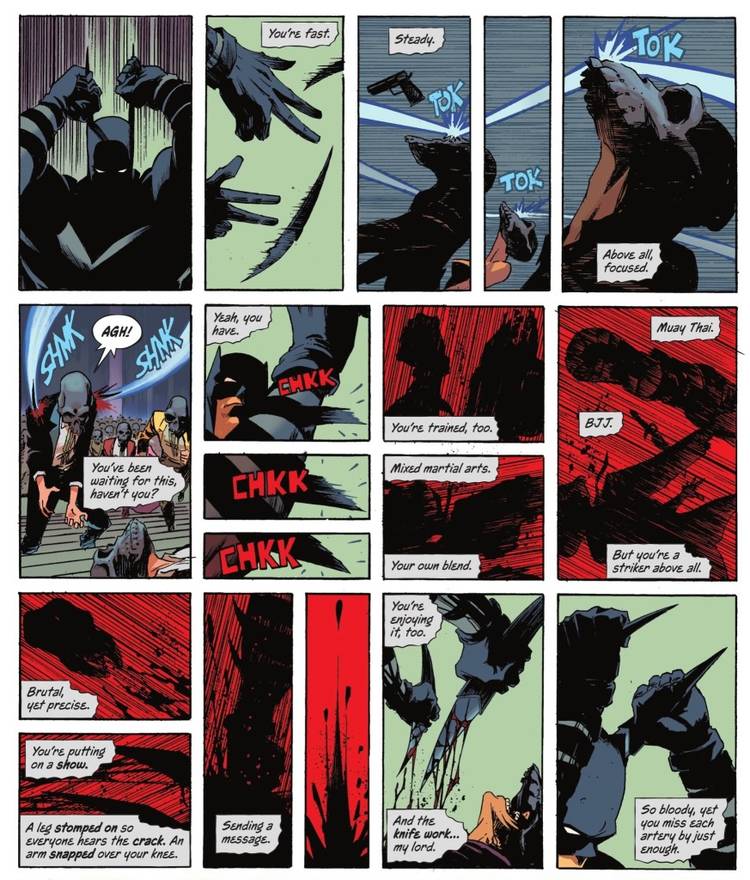
It’s perennially discussed whether various iterations of Batman actually enjoy the pain they inflict on criminals, whether he, the GCPD, or Gotham City’s residents would deem such violence appropriate or necessary. However, Batman’s unsympathetic wisecracking and deliberate use of nearly lethal weaponry does suggest he thoroughly enjoys indulging in graphic violence, and such a theory is supported explicitly by Alfred’s thought bubble narration in Absolute Batman’s debut issue.
It’s certainly nontraditional for Batman to lop a Party Animal’s hand off (as well as impaling that same Party Animal on shoulder spikes), for instance, or employ “a chemically concentrated version of vinegar… to turn the salt water into hydrochloric acid,” melting at least one Party Animal’s toes off. He’s technical and skilled enough not to outright murder anyone, but he stretches that boundary to about as close as any version of Batman ever has.
Visiting Joe Chill At Blackgate Penitentiary
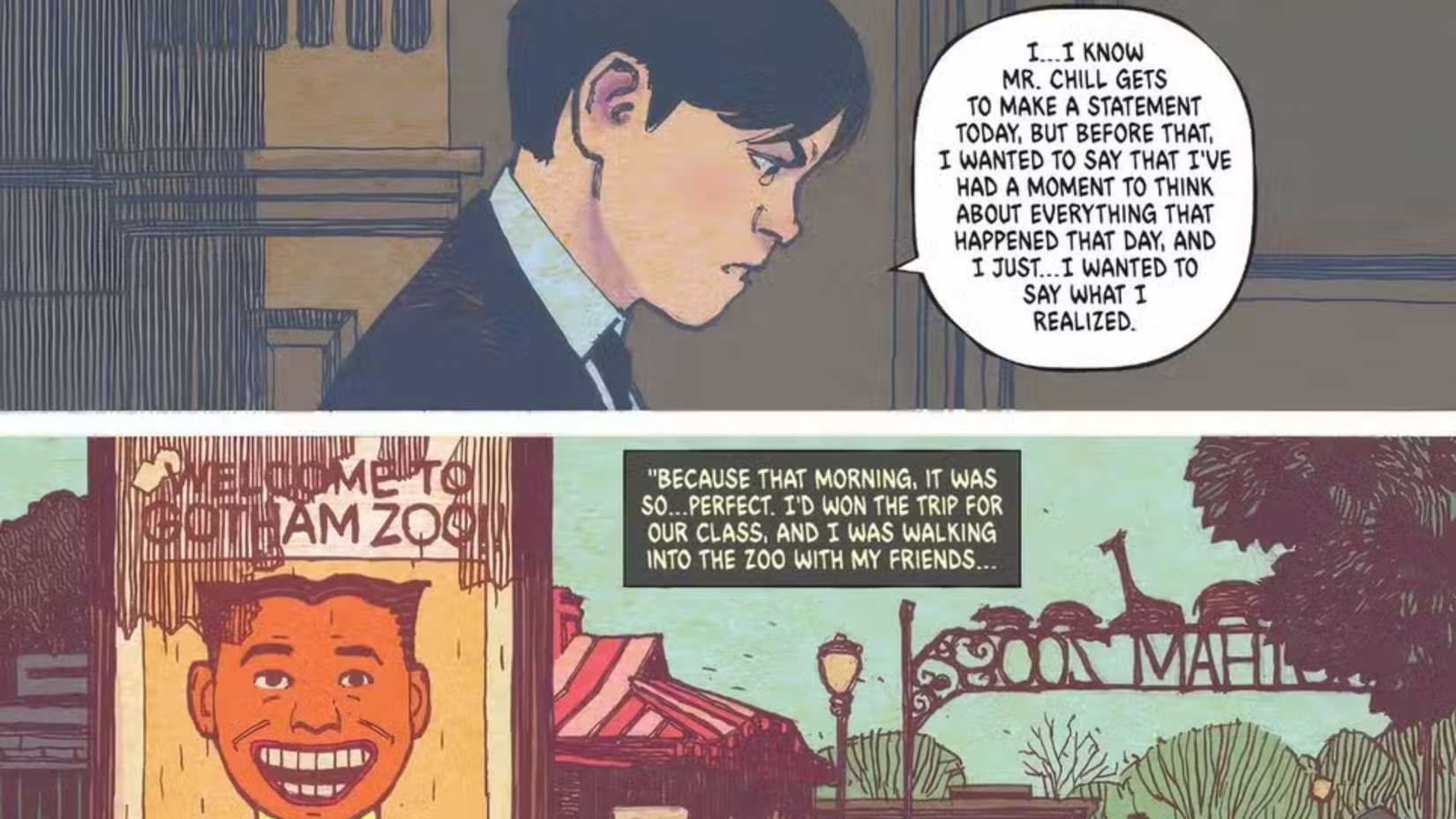
Regardless of the medium, the livelihood and whereabouts of Joe Chill, Bruce’s parents’ killer, depend on the continuity or series. In Absolute Batman, it’s revealed during Alfred’s investigative research into Batman that Bruce visits Joe at Blackgate Penitentiary, though Pennyworth admits to not knowing what they speak about.
This is a narrative thread that may or may not have already seen its closure in Absolute Batman #4, so it’s anyone’s guess where that relationship could lead or if the character will be shelved for the foreseeable future.
That said, it’s highly intriguing that Absolute Batman’s Joe Chill committed a mass shooting at the Gotham City zoo. Bruce uses him as a means of perspective for why a criminal might do what they do, let alone what could have made Joe turn out the way he did, lending layered context to Bruce’s character.
Arkham Asylum is Now Cheekily ‘Ark M’
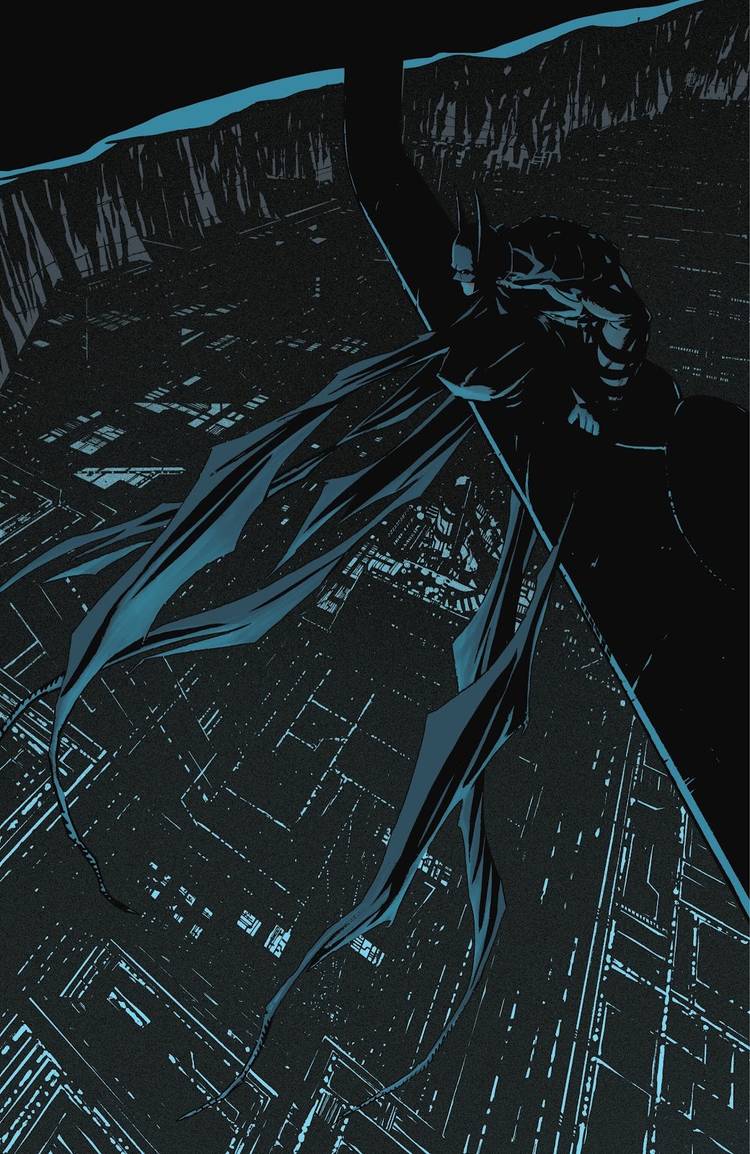
Several Absolute Batman Easter eggs lean heavily on name-drops or dialogue that not-so-subtly tease something from the larger, well-known umbrella of Batman mythology. Clayface, Poison Ivy, and Man-Bat have all been teased and/or referenced, for example, but another plain allusion is Absolute Batman’s Ark M itself.
It’s explained that Arks are black site prisons established throughout the world, with Ark M on Gotham City’s outskirts. A clear reference to Arkham Asylum, the psychiatric institution for the criminally insane, Ark M is no refuge for the mentally ill and has already had a harrowing impact in Absolute Batman with unending potential for the future of the series.
Bane Nearly Breaking The Bat
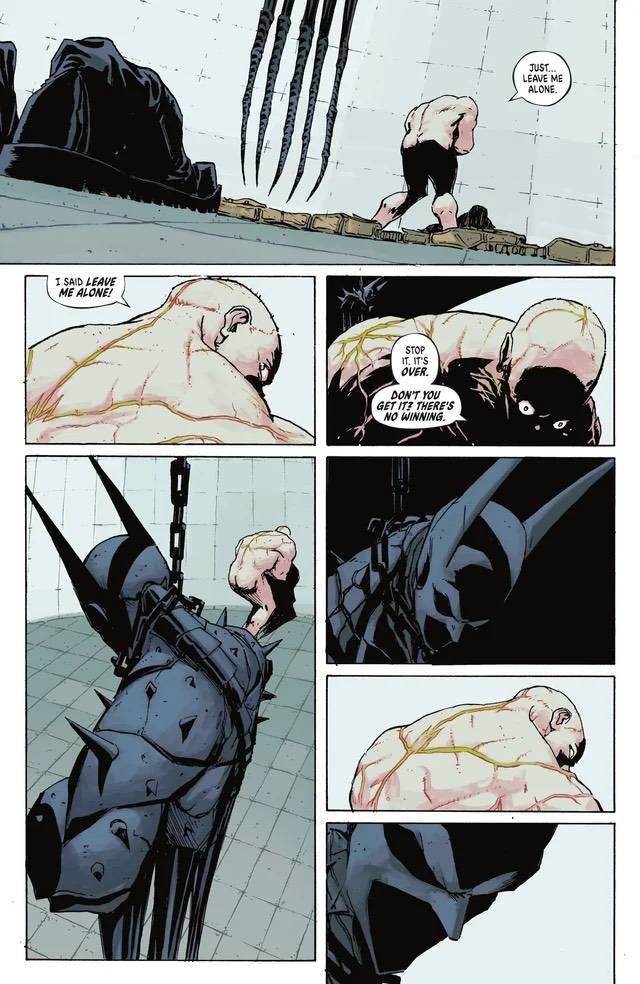
A singular page set during Bruce’s months-long tenure as a ‘patient’ at Ark M provides a disturbingly insightful glimpse into the character’s fracturing psyche. This page could truly encapsulate Batman’s mantra, emphasizing Bruce’s compulsion to wear the cape and cowl in a quiet interaction between himself and the hanged costume.
An Actual Superpower, Courtesy Of A Venom Enhancement
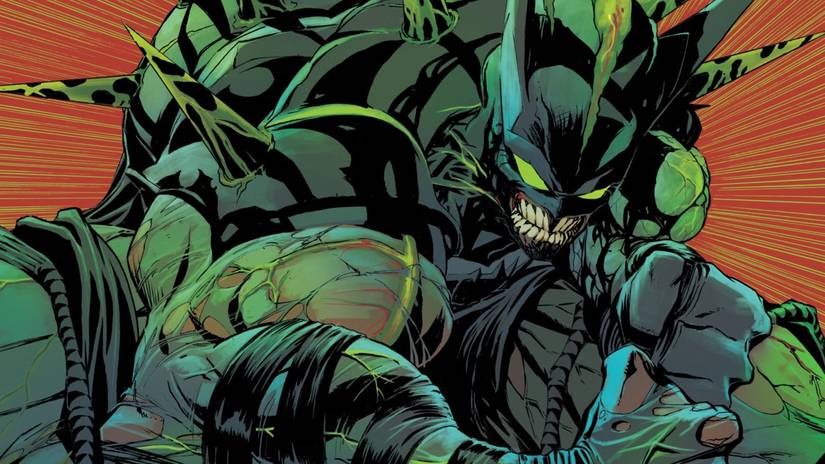
While held captive and tortured at Ark M, Bruce is fitted with a Venom delivery system, similar to Bane’s. As Pennyworth describes it:
“There’s a delivery system woven into your spine and brain. All loaded with that compound ‘Venom.’”
The possible applications of Bruce innately tapping into his system’s Venom reservoir are fascinating. If he eventually succumbs to it, it would not only grant him superhuman strength and regeneration but also allow him to amplify his cognitive capabilities to a superhuman extent.
Bruce has managed to resist embracing Venom despite initially wishing to wield it in his Veteran’s Arena showdown against Bane, but Snyder surely wouldn’t have decided to surgically implant and infuse a Venom delivery system into Bruce’s anatomy and not inevitably have him revel in monstrous Bane-esque abilities in the future.
Created by
Bob Kane, Bill Finger
Latest TV Show
Batman: The Brave and the Bold