
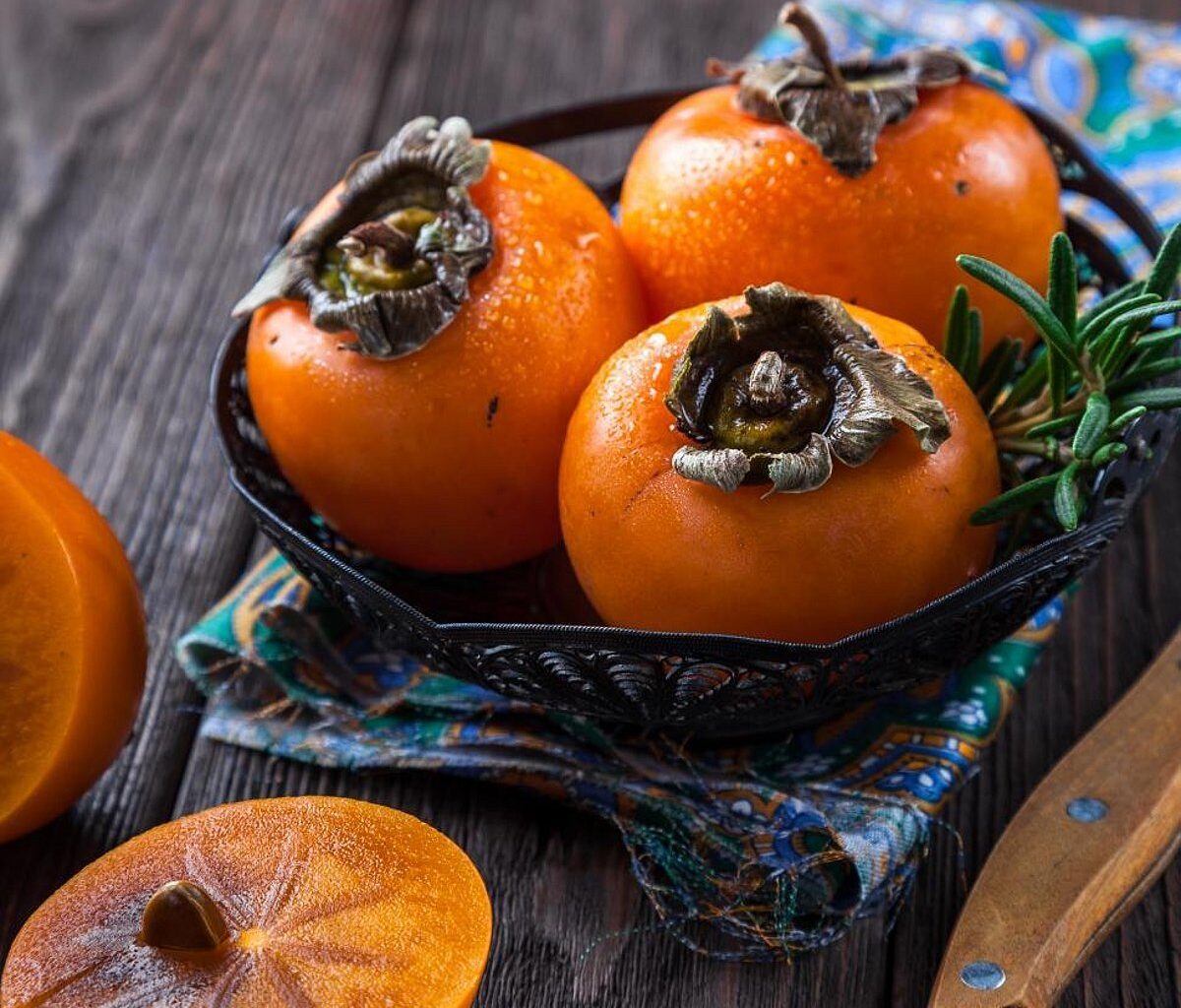
Its peel is particularly nutrient-dense, offering higher concentrations of minerals like manganese, iron, zinc, potassium, copper, calcium, and magnesium compared to the pulp. Persimmon is also rich in ascorbic acid (vitamin C), polyphenols, and tannins — key contributors to its antioxidant capacity. These compounds have been linked to benefits in cardiovascular health, cholesterol management, and diabetes prevention.
Carbohydrate levels vary among cultivars such as Japanese, Fuyu, Chocolate, and Japones, typically ranging between 17-19 g per 100 g of fruit. In processed forms, like peeled pulp, carbohydrate concentration can increase significantly, with glucose and fructose making up around 90% of total sugars. Protein content, though modest, also varies widely across cultivars, reported between 0.64-6 g per 100 g.
Organic acids like malic acid, succinic acid, and citric acid influence the fruit’s flavour profile. The balance of these acids contributes to the characteristic sweetness of ripe persimmons and the astringency found in certain varieties.
Why persimmon is gaining hype?
As consumers gravitate toward natural, antioxidant-rich foods, persimmon stands out for its potent phytochemistry. Its bioactive compounds have opened new research avenues in diet-based strategies for managing lifestyle diseases. Although fresh persimmon is seasonal, its potential extends far beyond direct consumption. In India and worldwide, persimmon pulp, ready-to-serve beverages, ice creams, and even persimmon wine are emerging as innovative products that help retain nutrients while extending shelf life. However, despite its versatility and strong health credentials, persimmon remains underutilised, a gap that the current wave of interest may soon close.