

Listen to this article
Estimated 3 minutes
The audio version of this article is generated by AI-based technology. Mispronunciations can occur. We are working with our partners to continually review and improve the results.
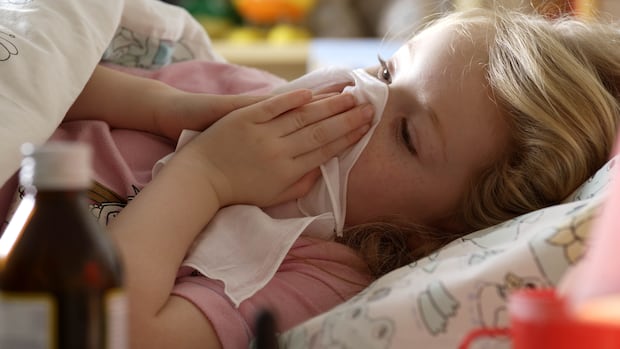
‘Tis the season for flu transmission.
Quebec’s public health director Dr. Caroline Quach is warning of a particularly virulent strain of influenza A, known as H3N2, that is spreading “a little bit like wildfire.”
Speaking on Radio-Canada’s Tout un matin, Quach said flu season began much earlier than usual this year, with the number of cases increasing abruptly and expected to peak during end-of-year festivities and gatherings.
“The reason we’re a little bit more worried is that the virus has mutated and therefore managed to escape both vaccination and antibodies that we may have produced in the past,” she said, explaining why it’s so contagious.
In Ontario, the flu is being blamed for the deaths of three children between the ages of five and nine, prompting concern among parents.
“Every year there can be deaths associated with the flu, and it’s always worrisome when it involves young children who have no risk factors,” Quach said. She added, however, that she didn’t know the specifics surrounding the deaths in Ontario.
In Quebec, Quach confirmed that children are being particularly hard hit.
“We currently see that 50 per cent of children with symptoms who are tested are positive for the flu, so that’s quite a high positivity rate of 50 per cent,” she said.
That’s compared to a positivity rate of 26 per cent as of last week in the general population.
Quach reiterated the importance of getting an annual flu shot, saying it was available to everyone in Quebec.
“It’s not a complete cure-all, but it does reduce the risk of complications,” she said.
WATCH | What you need to know about Quebec’s flu season: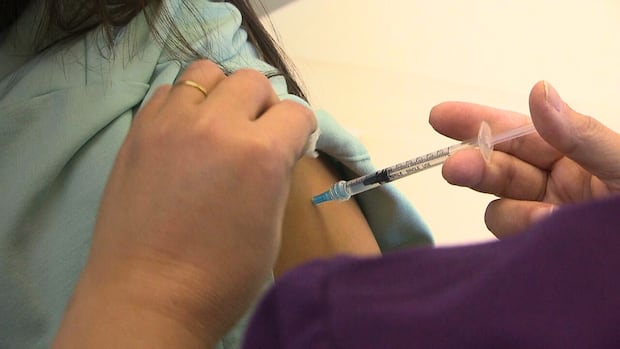
Severe flu season started early in Quebec. Here’s what you need to know
Quebec’s public health data shows flu cases began rising weeks earlier compared to last year. Experts say the strain has mutations — making it prone to a higher level transmission.
Quach also reminded Quebecers about practising good hygiene to prevent the spread of infections, including handwashing, coughing in your elbow, wearing a mask in public and avoiding close contact with people who are vulnerable.
“When you’re sick, particularly when you have a fever, stay home,” she said, adding people should use their judgment in assessing risk levels.
People shouldn’t be taking medicine and pushing through just so they can attend a party, she warned.
“If you’re feeling sick and you’re thinking you’d be better off in bed, then stay in bed.”
Meanwhile, regional health authorities in the Quebec City region are urging those with mild symptoms to avoid going to the ER.
Instead, the hospital centre, known as CHU de Québec-Université Laval, says it is better to seek a consult with other primary care resources such as testing centres, where vaccinations and prescriptions can also be obtained.