
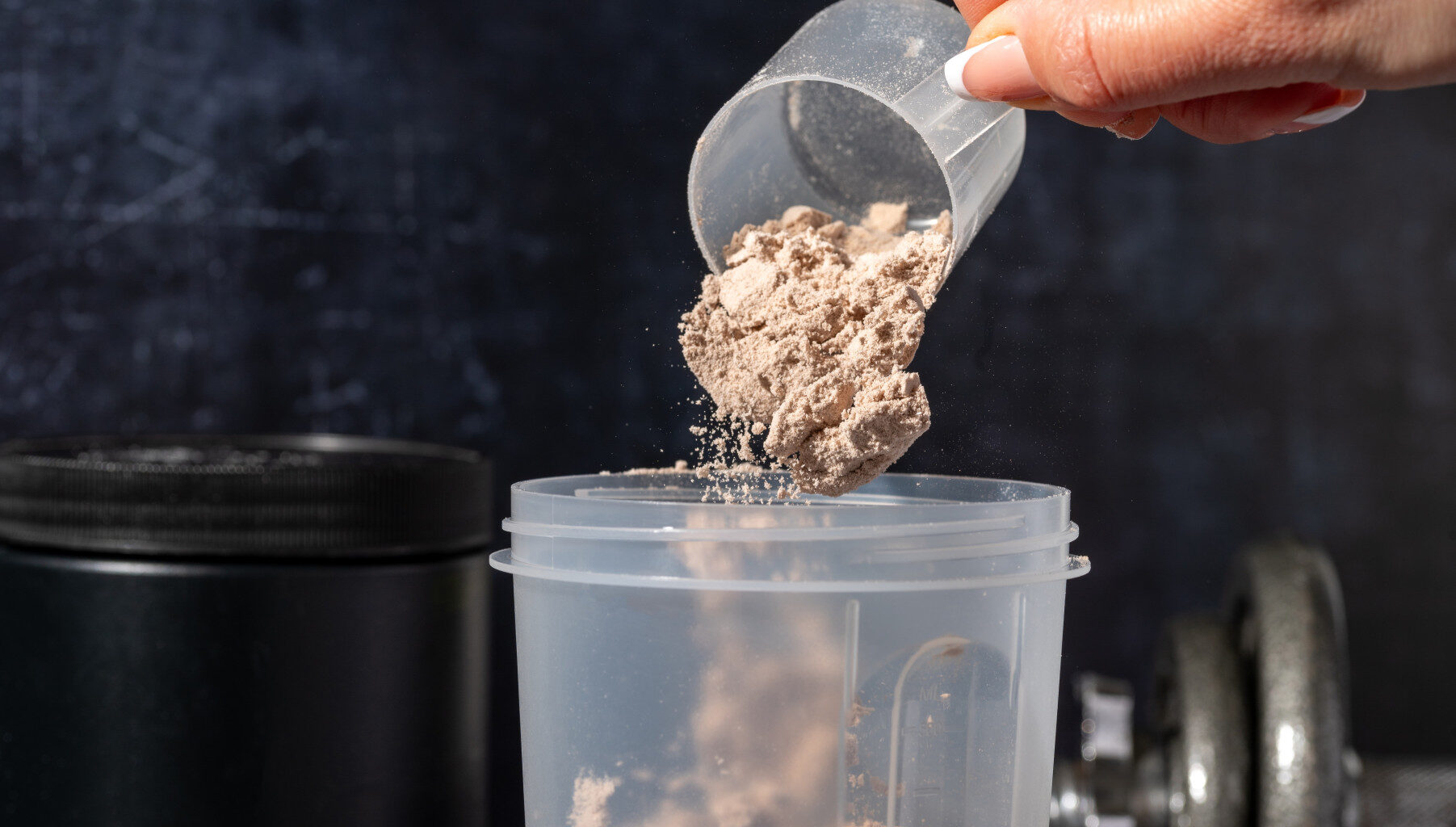
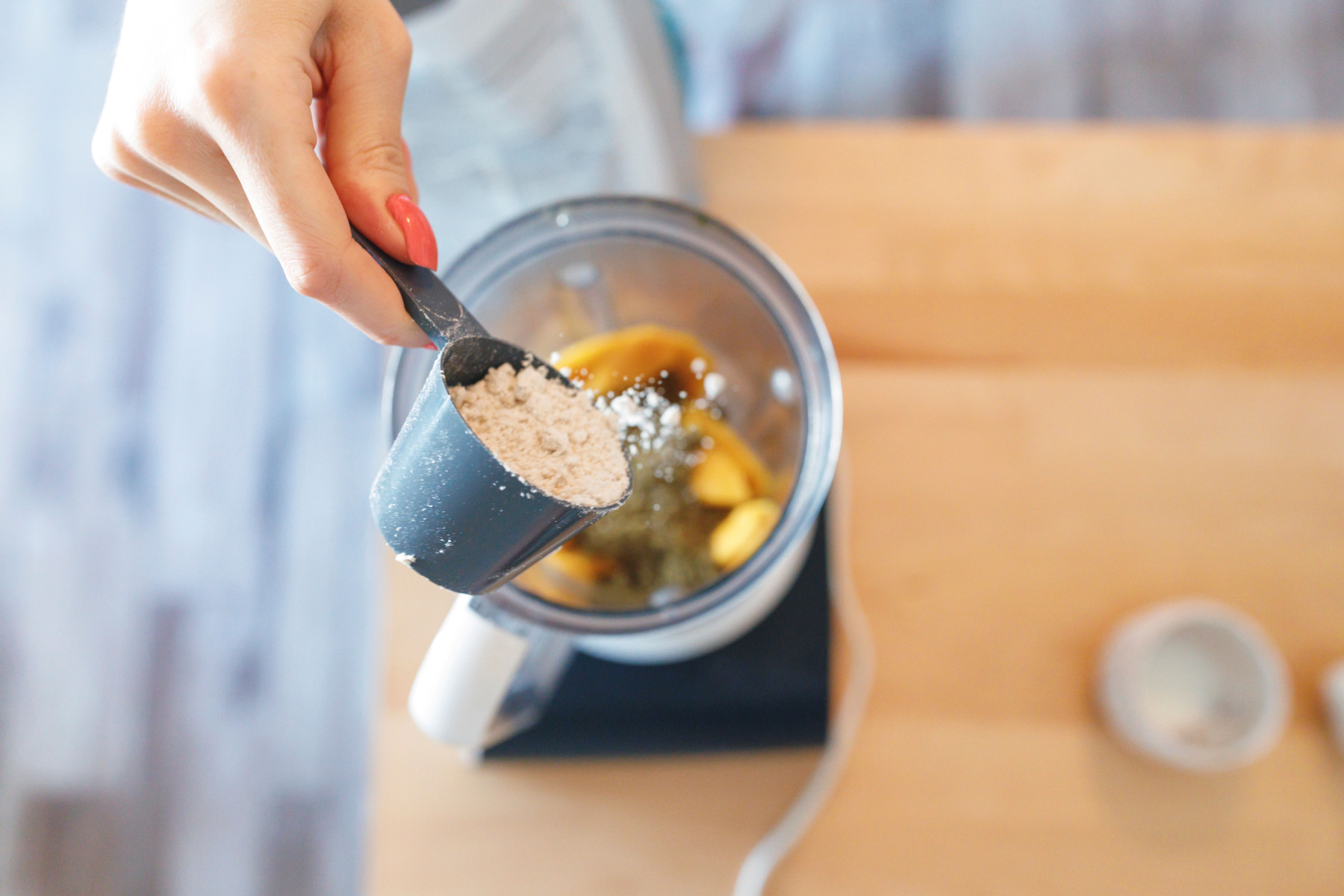
scoop of protein powder
A recent Consumer Reports investigation has found that many protein powders and shakes contain troubling amounts of lead.
A study of 23 protein products suggested that many powders could have risk due to lead contamination. The experts reviewed dairy, beef and plant-based protein supplements, including powders and ready-to-drink shakes. Testing showed that plant-based and chocolate flavors had the highest lead levels. Dairy-based options typically had lower lead levels but were not completely safe.
According to Nicole O’Neill, a dietitian with OSF HealthCare, there is no way to avoid small amounts of lead in products. “The concern is lead as a heavy metal probably shouldn’t be in our bodies,” says O’Neill. “Sure, makes all kinds of sense. There are systems in place in our bodies that there’s things that we can do to mitigate that. But if you’re eating a protein shake daily and it has a significant amount of lead in it, that could be problematic.”
The investigation is based on what some experts say is a conservative maximum daily dose level of 0.5 micrograms per day, which was set by California’s Proposition 65, a law that protects the state’s drinking water sources from being contaminated with chemicals known to cause cancer, birth defects or other reproductive harm.
Experts like O’Neill say there isn’t really a safe level of exposure to lead. It can impact any organ and can cause neurological disorders ranging from behavioral problems to brain damage. It can also impact kidney function and high blood pressure.
Lead is found in the soil virtually anywhere in the world. “If you do a lot of gardening, lead is in the dirt,” says O’Neill. “If you work in a garage, lead can be in the batteries or the paint. If you’re renovating a home, it’s going to maybe be in the paint or some of the other building materials.”
Who needs protein?
O’Neill says if you examine the topic of lead and how much is too much, the underlying question is, do you even need a protein shake in the first place?
A healthy adult probably doesn’t need a protein shake, she says. Same goes for young children. “People who need a protein shake are people who just don’t eat enough, they have a poor appetite, or they’re just never hungry in the morning,” says O’Neill. “People who are trying to build muscle, like an athlete, especially a younger athlete who’s trying to really bulk up, food is always going to be a better option.”
The best sources of protein include beef, pork, chicken, turkey and fish. Eggs are good, and so is Greek yogurt. Other options are tofu, nuts, seeds and beans.
O’Neill says if you decide to use a supplement with protein powder, go with a whey-based vanilla and don’t rely on it every day.
“My biggest gripe with a protein shake is it’s pretty one dimensional,” says O’Neill. “You drink it down, it’s gone. Whereas food, you chew it, it takes a little bit more time and you get some actual satisfaction out of it.”
If you’re struggling getting enough protein in your diet, O’Neill suggests talking to your provider or a dietitian. “You need protein,” she adds. “If you find yourself in a position where you need more protein, you’re not getting enough, a protein shake does make sense.”
Regarding the Consumer Reports investigation, O’Neill says more information is needed before going into a full-blown panic over lead in protein powder. But if you are concerned, take some time researching companies to see if they do lead testing on certain products. You can find options that are third-party tested or NSF certified for sport.
‘;