
Click here for more articles by Kormedi.com.
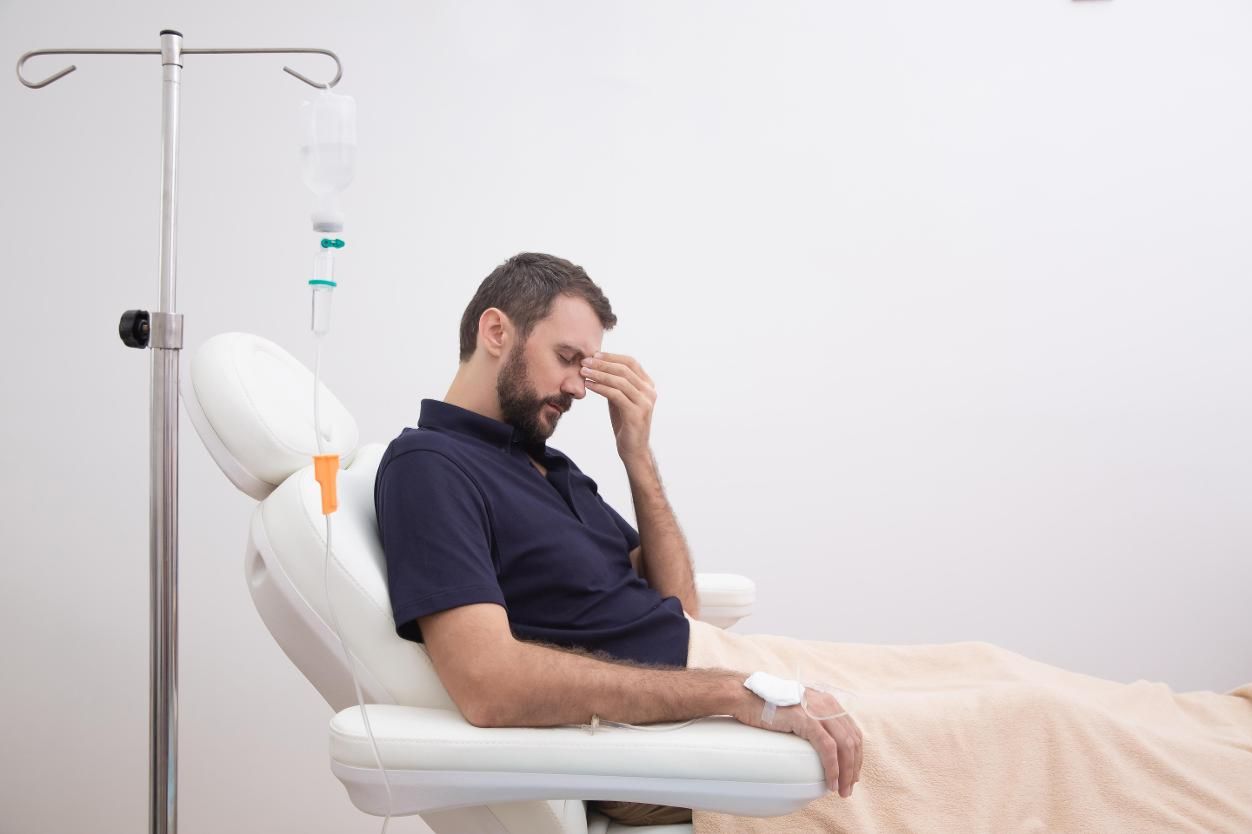
Following allegations that comedian Park Na-rae received illegal medical treatment from a so-called “injection aunt,” public attention has quickly shifted to the IV nutrient drips she was reported to have received. While IV infusions are commonly marketed for fatigue recovery or skin care, interest has spiked in so-called hangover IV drips, given Park’s well-known drinking habits.
Online communities have been flooded with questions like, “After seeing the Park Na-rae case, I’m curious if a hangover IV really sobers you up immediately?” and “Are hangover drips actually that effective?”
Despite the name, hangover IV drips are not fundamentally different from standard glucose infusions used to combat fatigue. Many local clinics mix glucose solutions with electrolytes and vitamins and promote them as “hangover injections” or “hangover recovery drips.” A product often nicknamed the “licorice injection,” Hishiphagen-C, is also frequently used for this purpose and is widely promoted for fatigue relief and liver function support.
Do these IV drips really make a hangover disappear? Cho Soo-hyun, a professor of family medicine at Chung-Ang University Hospital, says the issue can be broken down simply.
Q. Are hangover IV drips more effective than hangover drinks sold at pharmacies or convenience stores?
A. The effects can be faster. IV drips deliver fluids, glucose and electrolytes directly into the bloodstream. Alcohol increases urination, which leads to the loss of body fluids as well as electrolytes such as sodium and potassium. Heavy drinking can also interfere with glucose production during alcohol metabolism, causing blood sugar levels to drop. These changes lead to dizziness, tremors, fatigue and general weakness. An IV drip can quickly replenish the fluids, glucose and electrolytes lost after heavy drinking, so people often feel better more quickly.
Q. Some people say hangover IV drips barely worked for them. Why does the effect differ from person to person?
A. Individual physical condition and recovery time play a big role. By the time some people reach a clinic, enough time may have passed for dehydration or dizziness to improve naturally. In many cases, drinking water or electrolyte beverages and getting adequate rest can relieve dehydration and fatigue even without an IV. IV treatment should be tailored to a person’s specific condition rather than used routinely.
Q. In what cases can hangover IV drips be harmful rather than helpful?
A. People with diabetes, high blood pressure or a history of cardiovascular disease need to be especially cautious. The glucose in IV drips can sharply raise blood sugar levels. Sudden spikes can negatively affect the heart or brain in high-risk patients. People taking diuretics may develop electrolyte imbalances after IV treatment. Those who already have electrolyte abnormalities may experience sudden changes in electrolyte levels, which can damage major organs such as the brain or heart. Blood tests and a review of current medications should be done before receiving any IV infusion.
This article from Kormedi.com, Korea’s top health care and medical portal, is translated by a generative AI system and edited by The Korea Times.