
K-pop’s longest-running concert brand pushes ahead with February event and China broadcast despite venue conflicts, canceled overseas shows and criticism over governance
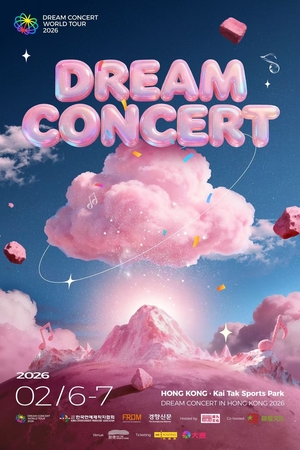
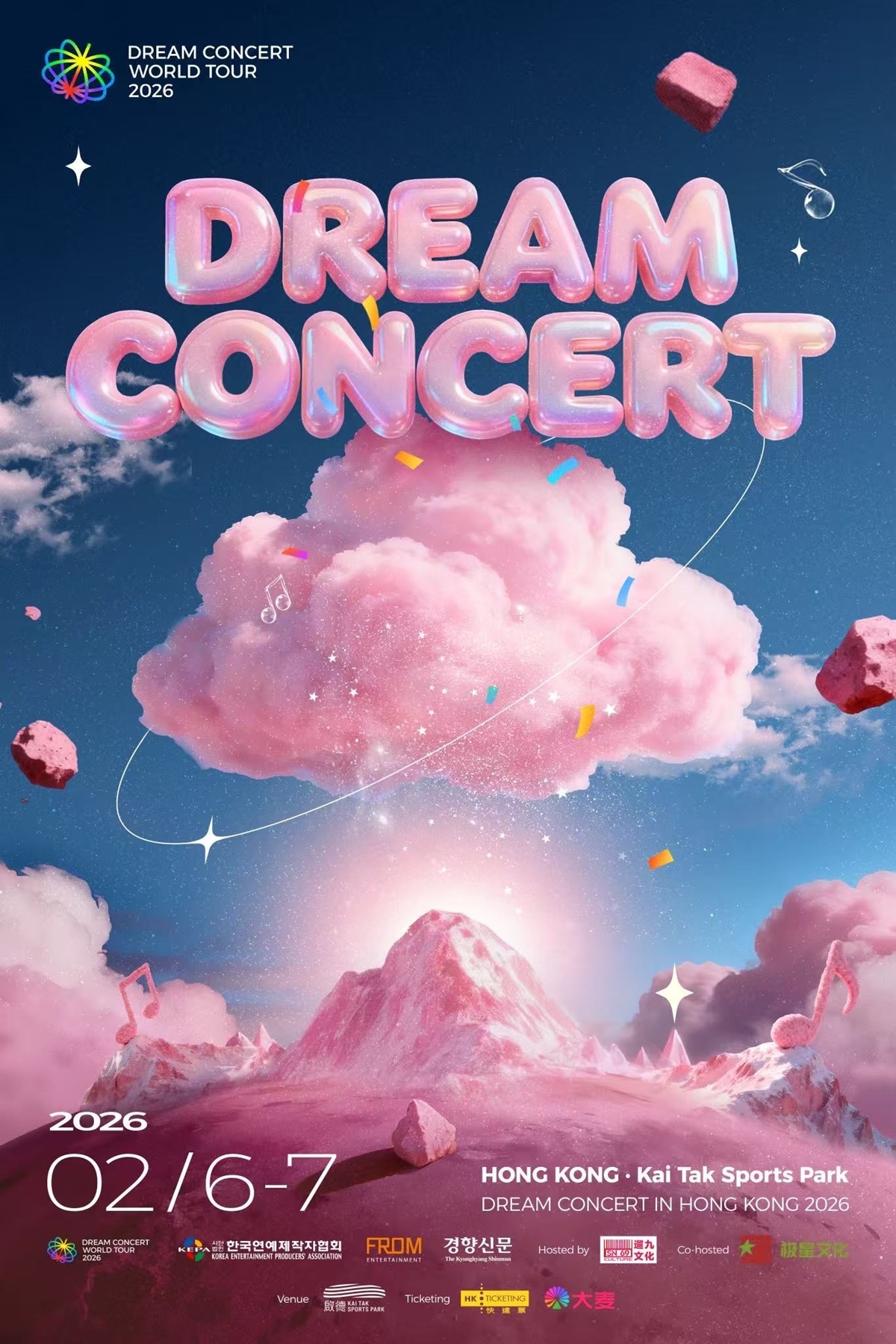 Promotional poster for ‘Dream Concert’ in Hong Kong (KEPA)
Korea’s iconic Dream Concert is moving ahead with a planned February event in Hong Kong, even as the brand faces a series of legal disputes, canceled overseas performances and growing criticism over its management.
The Korea Entertainment Producer’s Association, which holds the license to Dream Concert, said Monday that the concert will take place Feb. 6-7 at Kai Tak Stadium in Hong Kong and the performances will be broadcast nationwide in China via Hunan TV, one of the country’s major broadcasters.
KEPA described the Hong Kong concert as being “prepared as normal,” but unresolved legal conflicts over venue reservations and lingering fallout from previous overseas events have raised concerns among industry insiders and fans about whether the show can proceed without disruption.
Venue dispute escalates into legal battle
The Dream Concert in Hong Kong is co-hosted by KEPA and China-based Changsha Tonggu Culture Co., with From Entertainment serving as the organizer. The most serious controversy centers on a dispute over the booking of Kai Tak Stadium.
KEPA claims it completed a formal venue rental agreement and paid a deposit for the Feb. 6-7 dates. However, nCH Entertainment — the overseas concert agency affiliated with Korean national broadcaster MBC — countered that the dates had already been reserved for an overseas edition of “Show! Music Core.”
KEPA has accused nCH Entertainment of spreading false information to entertainment agencies, allegedly undermining casting efforts for Dream Concert. The association filed a criminal complaint with Gangnam Police Station in Seoul in November. In the aftermath of the dispute, the planned “Show! Music Core” Hong Kong concert was effectively scrapped.
Despite KEPA’s assertions, industry insiders argue that communication failures and administrative inexperience in overseas concert planning contributed to the escalation of the conflict, raising broader questions about the association’s accountability as a nonprofit organization.
“KEPA is almost a quasi-governmental body within the K-pop industry,” said music critic Lim Hee-yun.
“The Dream Concert has been held since the era of H.O.T., making it a flagship brand of K-pop — one that has grown alongside the genre’s history. To see that legacy tarnished is simply unacceptable. KEPA is a representative organization, comparable to the Recording Academy in the US.”
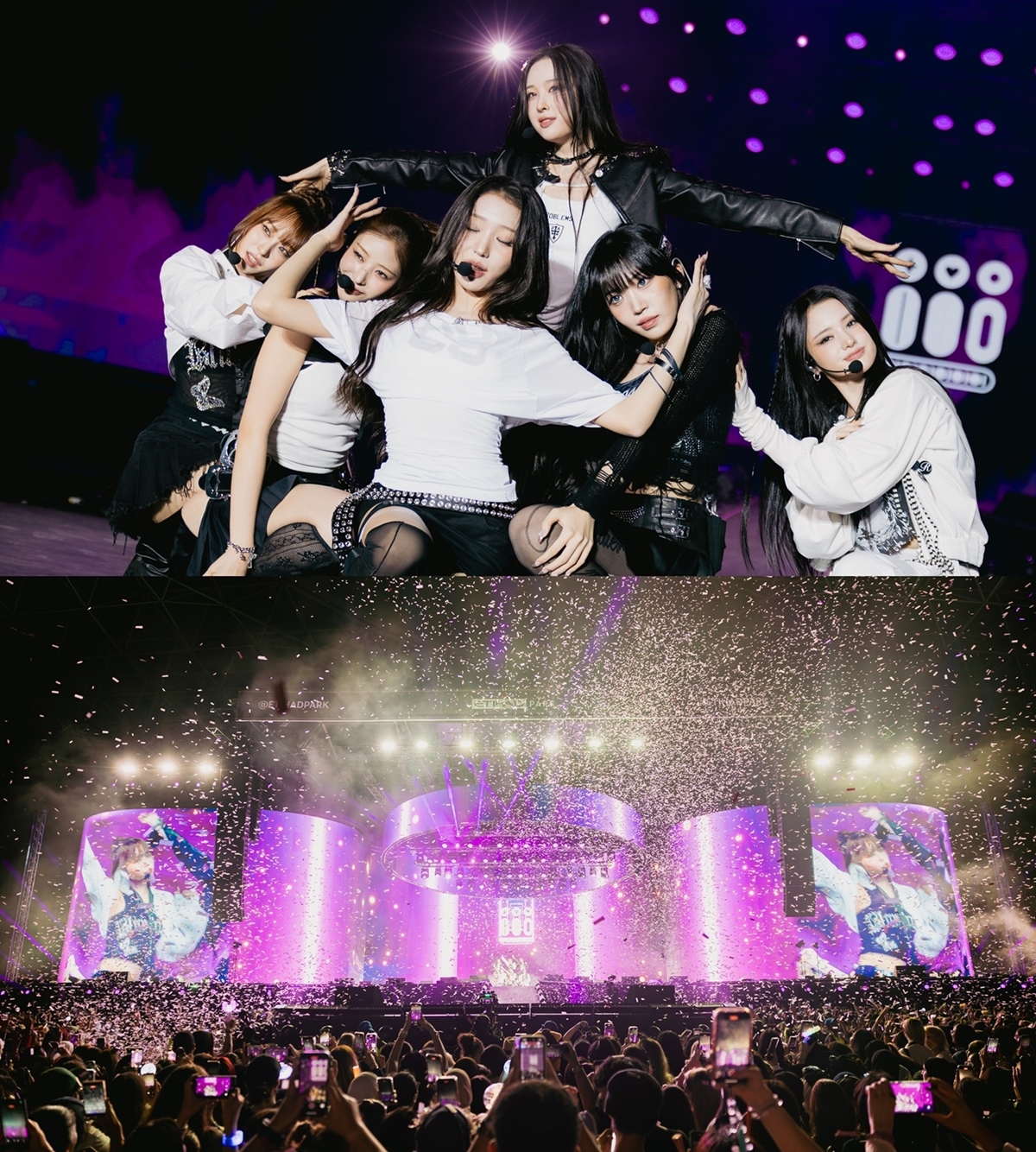 Girl group iii performs during the Dream Concert at Etihad Park in Abu Dhabi, the United Arab Emirates, in the top photo, while fans cheer during the show in the bottom photo. (KEPA)
Overseas troubles deepen concerns
The Hong Kong controversy follows a string of troubled overseas Dream Concert projects.
In November, Dream Concert Abu Dhabi held at Etihad Park in Yas Island drew backlash after last-minute lineup changes and reduced benefits for VIP ticket holders. Fans who purchased premium “Golden Circle” tickets — priced at more than twice general admission — complained that preshow sound check access was canceled for several headline artists, including members of Seventeen and Ateez.
Although KEPA said it only licensed the Dream Concert brand to local promoter Theory Eleven Entertainment and was not directly involved in operations, critics said the association failed to adequately manage brand oversight or respond to fan complaints afterward. Theory Eleven Entertainment, founded by CEO Sia Farr, is also the organizer behind the Off Limits Festival in Abu Dhabi.
KEPA and Theory Eleven Entertainment did not respond to requests for comment from The Korea Herald regarding the Abu Dhabi incident.
Earlier, a Dream Concert planned for September in Sanya, on China’s Hainan Island, was indefinitely postponed due to regulatory issues. Organizers initially cited “local circumstances” and promised to announce a new venue and date, but no update has been issued more than three months later. Industry analysts believe the event was effectively canceled after organizers failed to secure the necessary approvals from Chinese authorities — approvals that could not be verified through official government channels.
The Dream Concert held at Saitama Super Arena in Japan in 2023, marking the event’s first overseas edition, remains the only case to have proceeded without controversy. “Dream Concert World in Japan,” scheduled for August last year at Belluna Dome, was announced as being postponed indefinitely due to record-breaking heat and concerns over audience safety, but was effectively canceled.
Brand reputation at stake
KEPA has emphasized the symbolic importance of the Hong Kong concert, particularly its broadcast in China.
“Dream Concert is a symbolic brand that has represented K-pop for more than 30 years,” a KEPA official said. “The Hong Kong event and its broadcast in China go beyond a single concert and mark a renewed expansion of cultural exchange between Korea and China.”
However, industry insiders warn that unresolved legal disputes and operational uncertainty could further damage the credibility of a brand long regarded as one of K-pop’s flagship events.
jaaykim@heraldcorp.com