
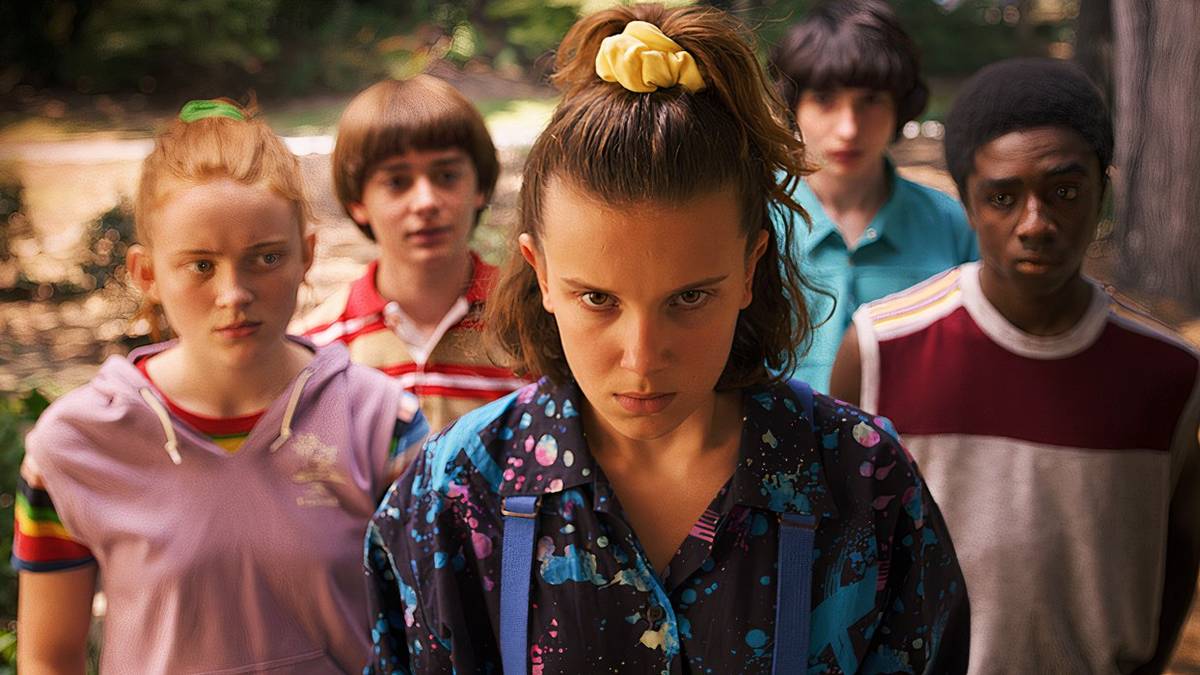
Since its premiere in 2016, Netflix’s Stranger Things has become a cultural juggernaut, and with the final two parts of Season 5 arriving soon, audiences have already logged 404 million viewing hours in the first half of 2025 alone. Yet even with a series that ranks among the biggest hits in streaming history, another show managed to surpass it, and it’s a sci-fi network series that began airing over 20 years ago. With a staggering 458 million streaming hours during that same period, this long-running favorite outperformed Netflix’s flagship series and reaffirmed its status as one of television’s most enduring shows nearly 15 years after its finale.
That series is Lost. Its renewed dominance may be surprising to some, but it also reveals something meaningful about what modern audiences are craving from their TV experiences. The resurgence is not only about nostalgia, because it also reflects what viewers feel is missing from contemporary streaming storytelling. Although Lost became famous for its sprawling mythology and endless fan theories, its real staying power has always come from its characters, and that emotional core is the reason it continues to resonate decades later.
‘Lost’ Changed the Way People Watched TV
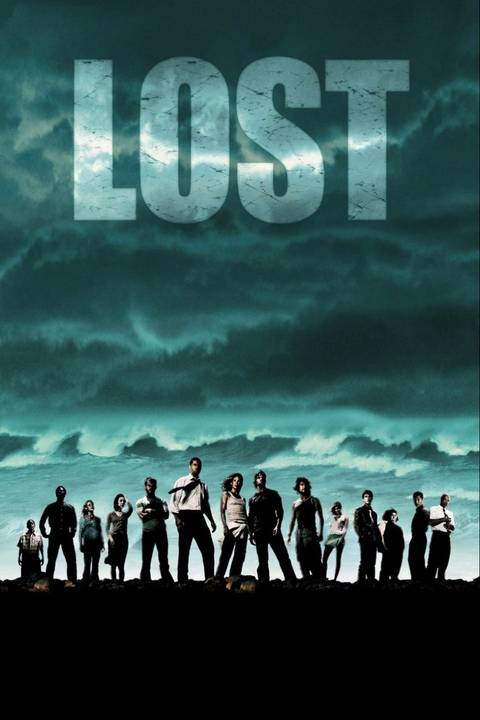
When Lost premiered in 2004, it immediately set itself apart from every other network drama on television. Created by Damon Lindelof, J.J. Abrams, and Carlton Cuse, the series followed the survivors of Oceanic Flight 815 after they crash-landed on a remote island filled with unexplained phenomena and shifting layers of reality. What began as a survival drama quickly expanded into an ambitious blend of science fiction, mystery, and character-driven storytelling. Each episode pulled viewers deeper into the island’s secrets while also revealing the complicated lives the characters left behind.
The show’s impact was amplified by an ensemble cast that quickly became one of the most recognizable on television. Matthew Fox anchored the series as Jack, the flawed but determined leader who constantly struggled with his need to fix what felt broken. Evangeline Lilly brought a quiet strength to Kate, whose past defined her as much as her search for redemption. Josh Holloway infused Sawyer with charm and vulnerability that made his evolution from con man to reluctant hero feel earned. Terry O’Quinn delivered one of the decade’s most compelling performances as Locke, a man whose unwavering belief in the island reshaped the show’s mythology. The cast only grew stronger with standout turns from Jorge Garcia, Harold Perrineau, Yunjin Kim, Daniel Dae Kim, Naveen Andrews, Michael Emerson, and many more who all helped to create a truly remarkable ensemble.
As the series went on, delivering 25 episodes in its first season alone and consistently long episode orders throughout, Lost invited viewers to engage with television in a completely new way. Weekly installments sparked massive online discussions and fan theories, turning the early internet into a communal space for decoding clues and debating the show’s mythology. That level of collective engagement is rarer in today’s fragmented streaming landscape, which is why returning to Lost now feels both nostalgic and refreshing. For many viewers, it offers the kind of immersive binge experience modern shows rarely provide, and it proves that today’s audiences want stories with the time and space to dig deeper.

Related
The 10 Best ‘Lost’ Episodes, Ranked
We have to go baaaaaaack!
How ‘Lost’ Used Longer Seasons to Build a World Viewers Still Return To
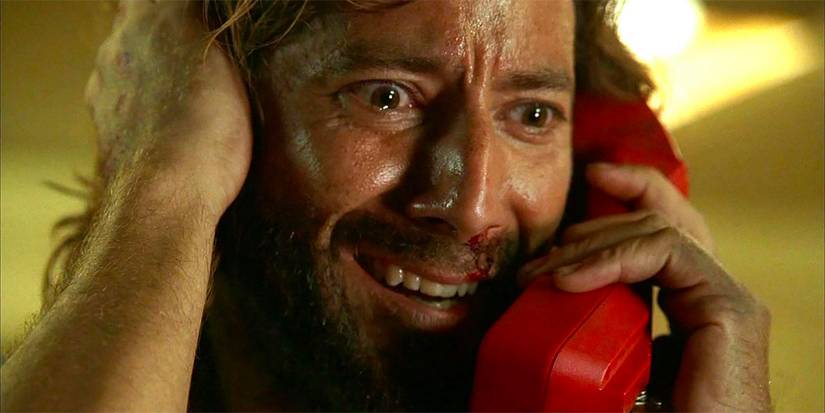
Henry Ian Cusick in Lost episode “The Constant”Image via ABC
One of the biggest reasons Lost has racked up such enormous streaming hours is its sheer episode count. Across six seasons, the series delivered 121 episodes, ranging from a strike-shortened 14-episode Season 4 to a massive 25-episode debut season. By comparison, Stranger Things will conclude after five seasons with only 42 total episodes. The math alone makes a difference, but the impact goes far beyond numbers. Longer seasons gave Lost a depth and scope that modern series rarely attempt, and that scale plays a major role in why viewers are returning to it now.
In today’s television landscape, where 12 episodes are considered generous and six or eight is increasingly common, Lost represents an immersive experience that feels increasingly rarer. Those longer seasons created room not just for the island’s mythology but for the characters themselves. With an ensemble as rich as Lost’s, the show needed, and deserved, that kind of space. While Stranger Things also has a large cast, it often leans more heavily on spectacle and plot, and many criticisms over the years point to the show sidelining characters who could benefit from deeper focus. Lost never had that problem. Episodes could slow down, take detours, and explore character psychology in a way that made stories like “Walkabout” and “The Constant” possible. These chapters didn’t just expand the mythology; they helped define why the series remains so beloved and why those episodes are still considered among the best in TV history.
While Lost racked up incredible numbers in 2025, the show will be leaving Netflix at the end of the year. Thankfully, viewers will still be able to watch it on Hulu, where it is expected to remain, since it is an ABC and Disney series. Lost’s resurgence shows exactly why the series continues to endure. Its long seasons allow audiences to settle into the world in a way shorter modern series rarely offer, and watching it feels like a full journey rather than a quick binge. Its renewed popularity suggests that the older television model of longer seasons, especially with a rich ensemble cast, is still something viewers want nearly two decades later. Lost surpassing Stranger Things may seem like an interesting statistic, but it is also proof that emotional connection, not just spectacle, is what keeps audiences watching and what keeps great television alive.
Release Date
2004 – 2010-00-00
Showrunner
Damon Lindelof, Carlton Cuse