
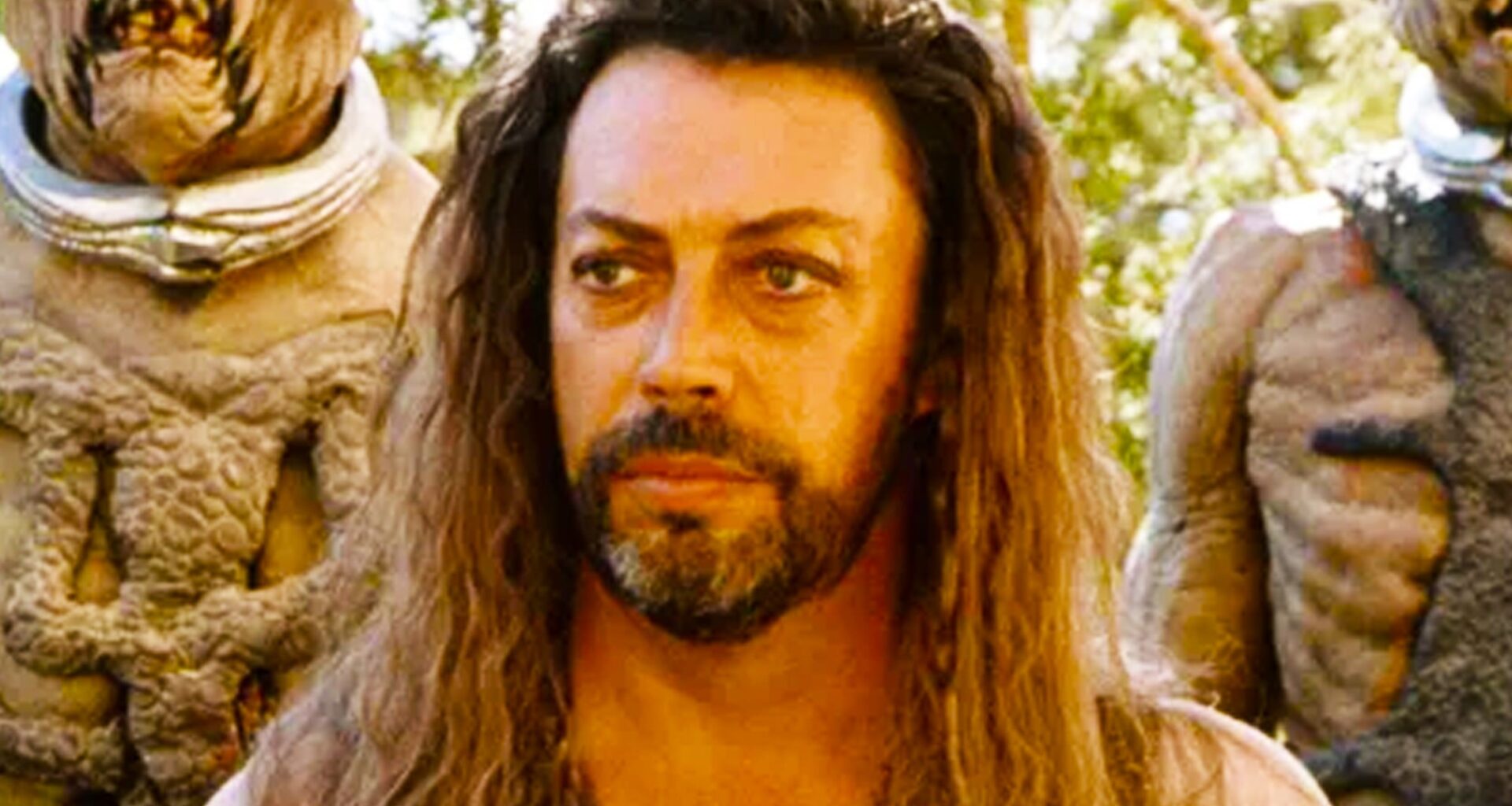
You might never have seen some of these brilliant yet underrated science-fiction TV shows from the 1990s that have been all but forgotten. Although visual effects might have been lacking, acting was often over-egged, and writing was regularly cliché and predictable, the ’90s were actually a great time for sci-fi fans. After catching the likes of 12 Monkeys, The Matrix, Independence Day, Total Recall, and many more in theaters, you could have come home to catch these sci-fi shows on the small-screen.
While there were some widely-praised and critically-acclaimed sci-fi TV shows during the ’90s, including the likes of The X-Files, Futurama, Star Trek: Deep Space Nine, and more, other shows weren’t so lucky. These sci-fi series didn’t receive the recognition and praise they may have deserved, and so have perhaps fallen out of the public consciousness altogether. Whether these shows get resurrected or lost to time is yet to be seen, but these seven sci-fi projects from the 1990s at least deserve more attention than they’ve had.
7) Strange World (1999)
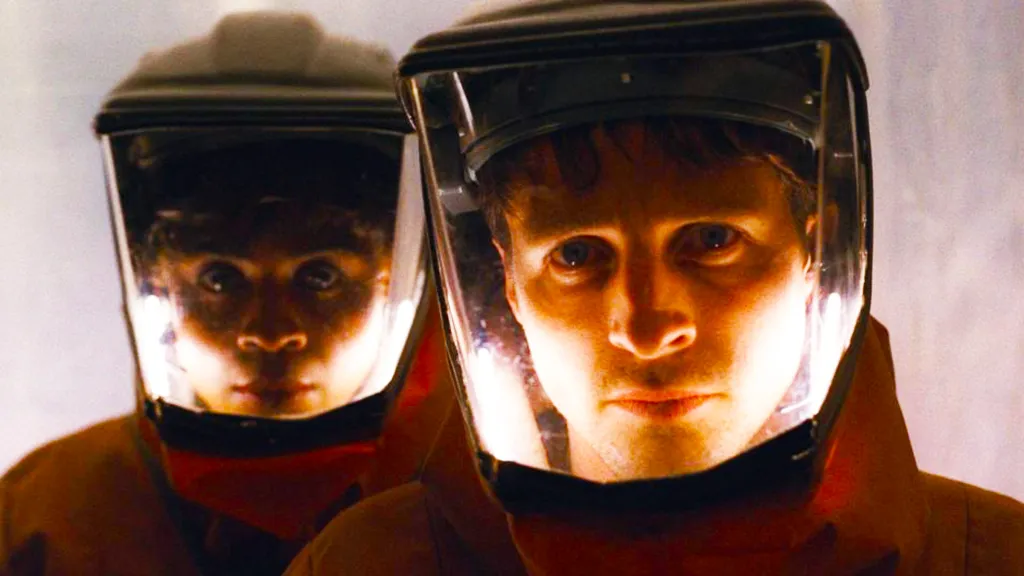
Originally premiering on ABC in 1999, only three of Strange World’s 13 episodes were aired before the network cancelled the series, so the show never got the chance to fully show what it was capable of. Strange World followed Captain Paul Turner (Tim Guinee), a doctor with the United States Army Medical Research Institute for Infectious Diseases (USAMRIID), who falls under the control of a mysterious organization that periodically, temporarily cures his aplastic anemia. The series explores a moody and compelling narrative examine chemical and biological warfare, so the series, by creators Howard Gordon (24) and Tim Kring (Heroes), deserved more recognition and a full-season release.
6) Lexx (1997-2002)
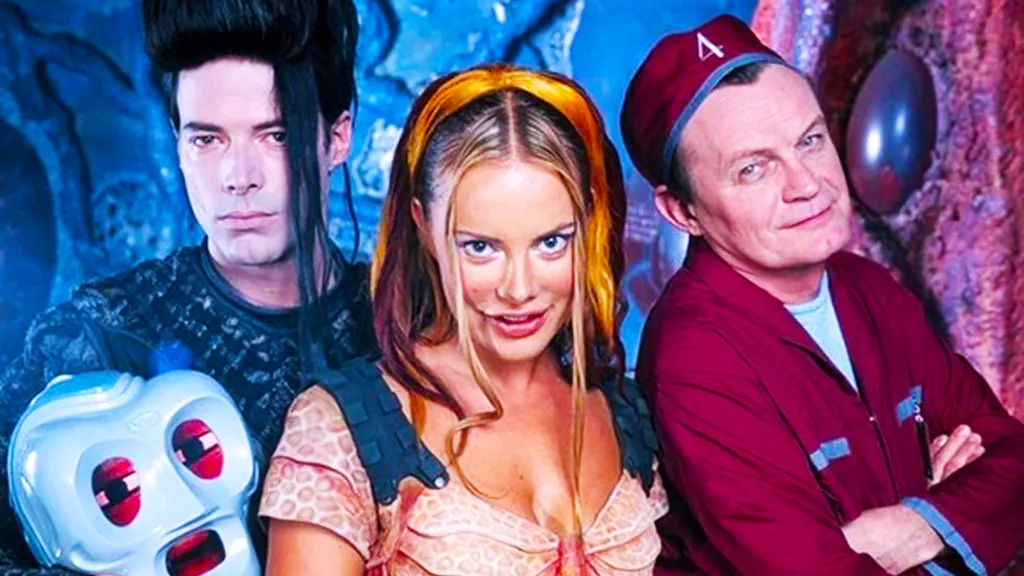
Sexy, campy, and twisted, but philosophically deep and emotionally raw, Lexx was often misunderstood. From the minds of Paul Donovan (George’s Island), Lex Gigeroff (Liocracy), and Jeffrey Hirschfield (The Outer Limits), Lexx explored the concept of the multiverse before it became mainstream. The crew of the spacecraft Lexx explored parallel worlds in this wacky and bizarre, but genuinely creative, innovative, darkly funny, and unique series. Lexx ran for four seasons, but never quite managed to garner a widespread audience, even though it tackled mature and relatable themes, just packaged in a funny and outlandish tale.
5) MANTIS (1994-1997)

You might not realize that MANTIS, which first aired on the Fox Network in 1994, introduced the first African American network superhero. Carl Lumbly—who has recently become known as the MCU’s forgotten super-soldier Isaiah Bradley—starred as Dr. Miles Hawkins, who creates a superpowered exoskeleton and armor after being shot in the spine and facing racial injustice. The hard-hitting themes and social commentary on display in MANTIS were revolutionary for network TV in the ’90s, and are still tragically relevant today, but the series flew completely under the radar. The series was developed by Sam Raimi and Sam Hamm (Batman), giving it a unique perspective, but poor ratings and Fox’s retooling led to its cancellation after 22 episodes, and it’s been forgotten in the years since.
4) Harsh Realm (1999-2000)

Inspired by the Harsh Realm comic book series from James D. Hudnall and Andrew Paquette, Harsh Realm follows characters thrust into the post-apocalyptic world of a virtual reality video game in which a nuclear bomb has ravaged the United States. Ahead of its time, innovative, and thought-provoking—and especially terrifying in recent years—Harsh Realm suffered from poor ratings which led to it being removed from the Fox Network’s schedule after only three of its nine episodes had released. The high-concept story deserved far more time to be developed, and this series is one from the ’90s that actually had a high production value and interesting visuals, giving it a great deal of unrealized potential. We’d love to see a Harsh Realm revival.
3) Dark Skies (1996-1997)
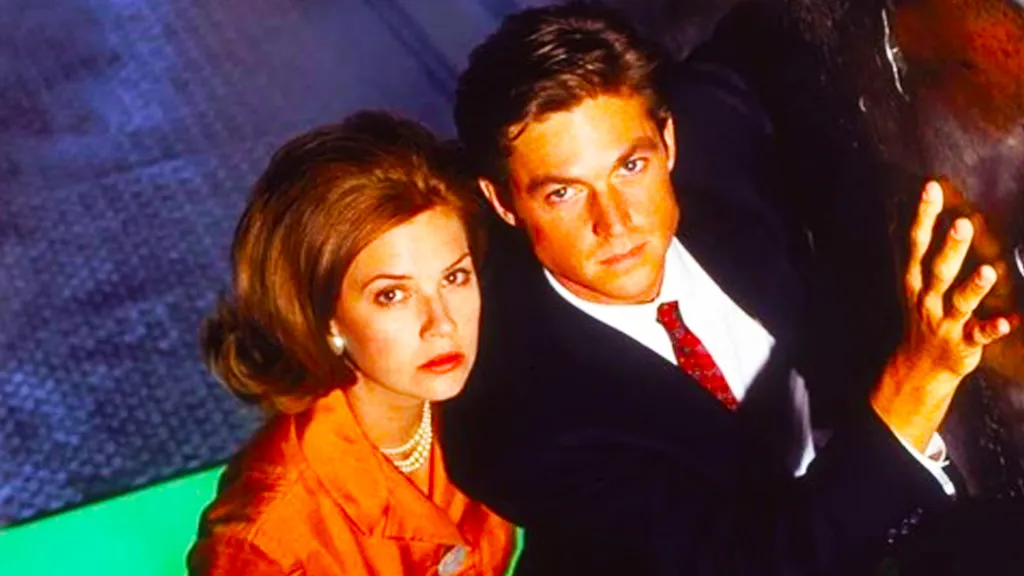
The massive success of Fox’s The X-Files spurred NBC to develop Dark Skies as a competitor, but the series failed to match the popularity of the larger show. Dark Skies followed John Loengard (Eric Close) and Kim Sayers (Megan Ward) through the 1960s as they attempt to stop the alien “Hive” from invading the Earth. In this world, aliens have been living among humans since the ’40s, but their existence has been covered up by the government, presenting an intriguing narrative for a huge wealth of stories. Creative, ambitious, and appropriately different from The X-Files, Dark Skies should have been billed as a similar series to be watched alongside The X-Files rather than competition, as its characters were compelling and its tone was stylistic and unique.
2) Prey (1998)
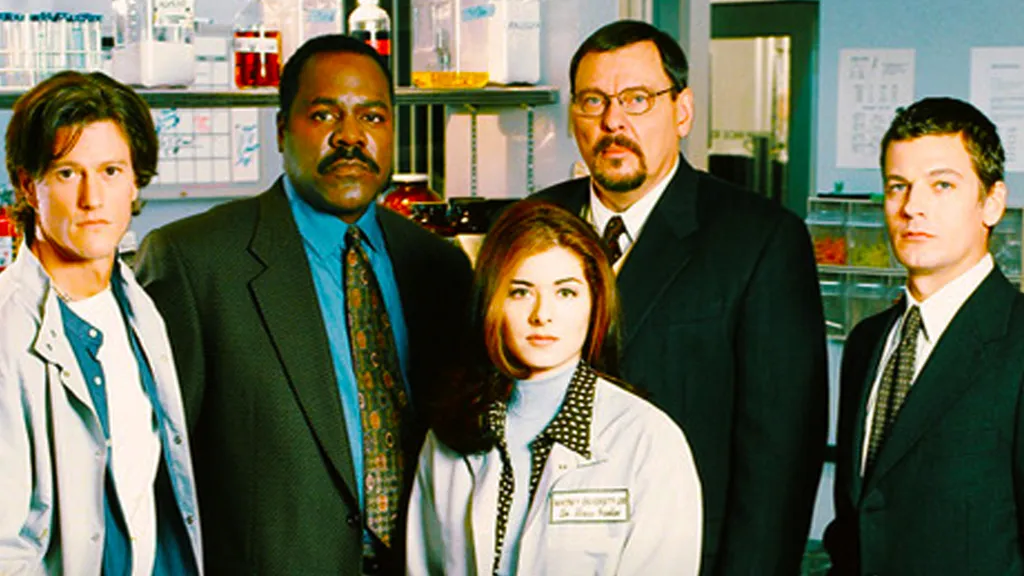
Unlike any other sci-fi show on TV at the time, Prey followed Dr. Sloan Parker (Debra Messing), who learned that many violent criminals, especially serial killers, share a large number of genetic markers that render them as genetically different from humans as humans are from chimpanzees. Sloan and her team realize these individuals are a new species of hominids who could replace Homo sapiens as they replaced Neanderthals, posing a unique, relevant, and interesting narrative centered on survival, the human condition, and aggression. Prey was ahead of its time when it came to serialized TV, and established intriguing lore surrounding the new Homo dominant, but never got the audience it deserved.
1) Earth 2 (1994-1995)
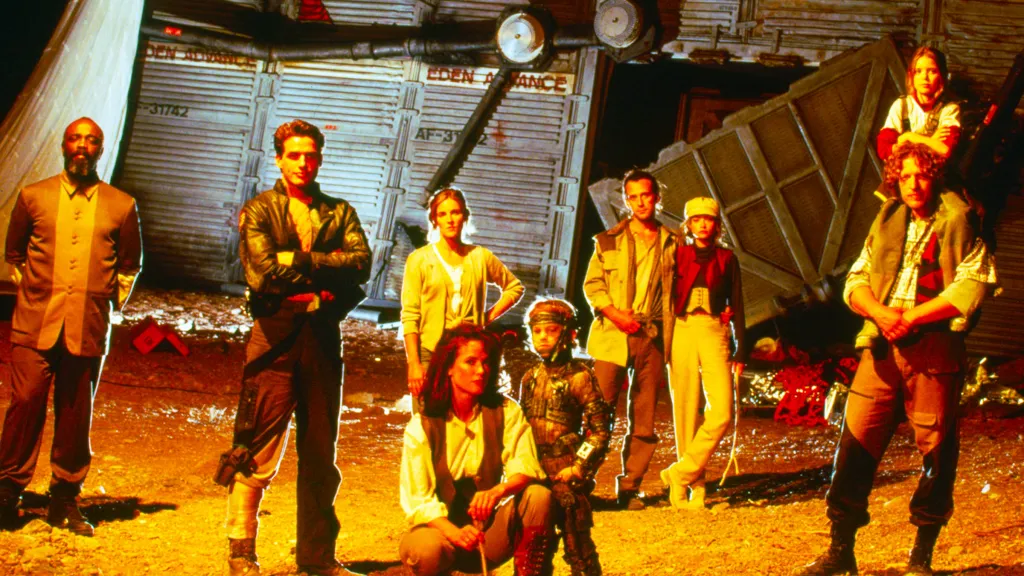
Despite landing a hugely successful premiere and being nominated for an Emmy, a Saturn, and various other accolades, Earth 2 has been almost completely forgotten. From the minds of Billy Ray (The Hunger Games), Michael Duggan (Millennium), Carol Flint (The West Wing), and Mark Levin (The Adam Project), Earth 2 followed a small expeditionary group traveling to Earth-like planet G889 to find a cure for an illness ravaging humanity, “the Syndrome.” Promising wide-scale sci-fi concepts, including colonizing an entirely new world, with an incredible cast boasting Clancy Brown, Tim Curry, Debrah Farentino, Terry O’Quinn, and more, and focusing on themes of environmentalism, family, and interpersonal relationships, Earth 2 deserved much more than just one season in the 1990s.
What do you think? Leave a comment below and join the conversation now in the ComicBook Forum!