
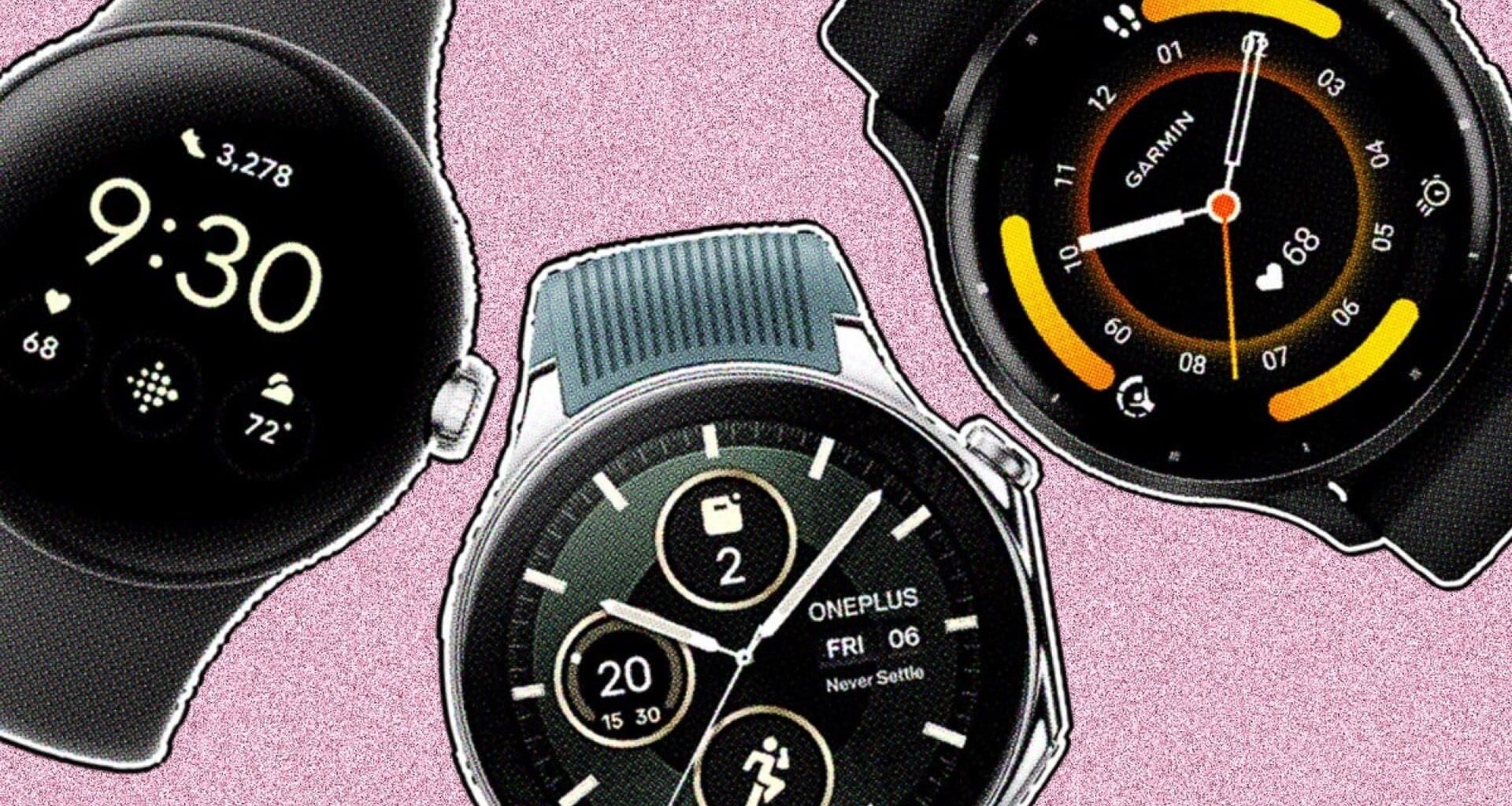
We’ve lived with every Android-capable smartwatch on the market—here are the best options
If you own an Android phone and are looking for the best Wear OS watch to pair with it, you have plenty of options to consider.
Google’s Wear OS is stronger than ever and now presents itself as a proper platform alongside impressive hardware. It’s also setting new standards for battery life, with many devices alleviating charging anxiety by offering multiple days of AOD functionality on each cycle.
Away from Google’s platform, though, there are also smartwatches from Garmin and Huawei that work brilliantly with Android phones. We’ve selected our three favorites from those two brands, as well as top Wear OS smartwatches from companies like Google, Samsung, and OnePlus.
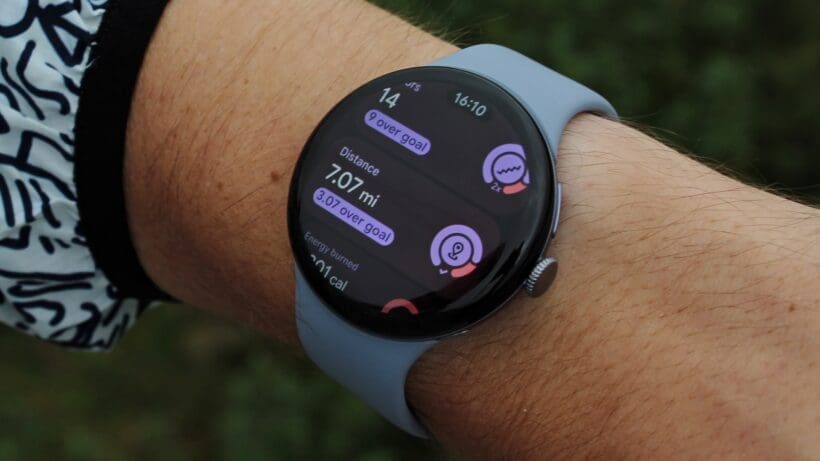
Google Pixel Watch 4: The best Wear OS smartwatch
 (Image credit: Wareable)
Advertisement
Specs and features
Size: 41 x 41 x 12.3mm / 45 x 45 x 12.3mm
Display: 1.2-inch / 1.4-inch ‘Actua 360’ AMOLED (3,000 nits)
Connectivity: Wi-Fi, Bluetooth, NFC, LTE, Dual-Frequency GNSS
Weight: 31g (41mm) / 38g (45mm) – without band
Chipset: Qualcomm Snapdragon W5 Gen 1
Battery life: Up to 40 hours (45mm)Phone compatibility Android
Storage: 2GB RAM; 32GB internal
Water rating: 5ATM
Sensors: ECG, cEDA, PPG, SpO2, skin temperature
Overview
Google’s fourth-generation smartwatch is a masterclass in refinement, addressing the few remaining weaknesses of its predecessor while doubling down on its strengths.
It retains its top spot as the best pick for most Android users by offering an expert blend of stunning design, polished software, and powerful, intuitive health tracking.
The signature domed pebble design is now complemented by a new ‘Actua 360’ display that dramatically reduces the bezels, creating a gorgeous, nearly edgeless effect.
While the elegant design is still more fragile than rugged alternatives, Google has also made it more repairable by redesigning the charging method.
Advertisement
Why we recommend it over rivals
The Pixel Watch 4’s software experience is its soul. The introduction of Gemini creates a genuinely helpful and intelligent AI assistant, while the new Material 3 Expressive design language makes Wear OS feel playful and delightful to use. The addition of dual-frequency GPS brings its tracking accuracy in line with the very best sports watches, and the new Quick Charge Dock is a massive quality-of-life improvement.
Its secret sauce remains the exclusive Fitbit integration, which provides some of the most accessible and insightful health and sleep tracking on any smartwatch.
Crucially, unlike Samsung, no key features are locked to a specific smartphone brand, making this a complete experience for any Android user. The only real downside is that battery life, while a solid two days with AOD on the 45mm model, hasn’t seen a major leap forward from its predecessor’s real-world performance.
Stunning, improved domed display
Faster, more convenient charging
Fun software with genuinely useful AI
Similar battery life to Pixel Watch 3 (45mm)
More repairable, but still easy to damage
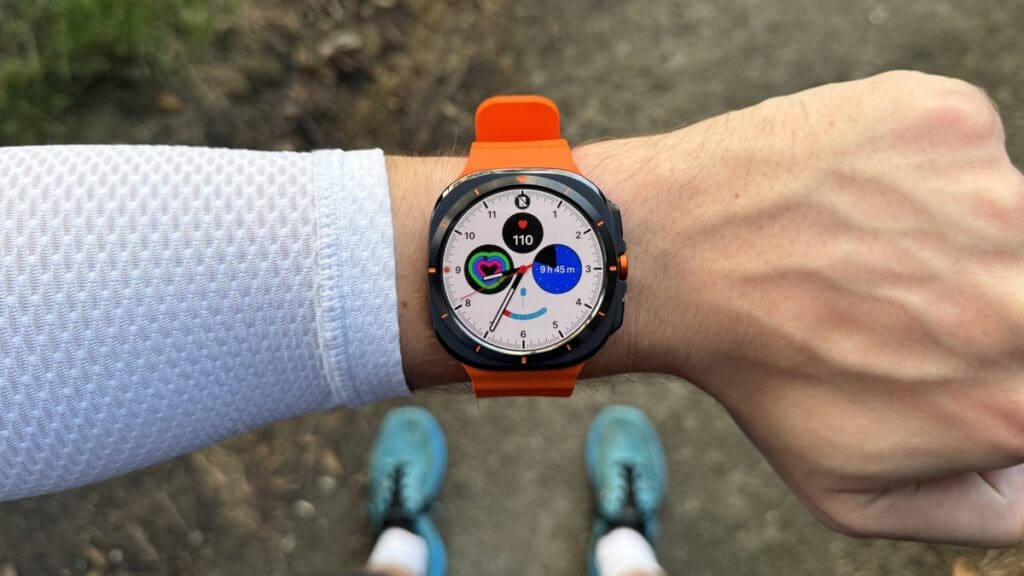
Samsung Galaxy Watch Ultra: Best premium pick
 (Image credit: Wareable)
Advertisement
Specs and features
Size: 47.4 x 47.1 x 12.1 (47mm)
Display: 1.5-inch Super AMOLED display; 480 x 480 resolution
Connectivity: Wi-Fi, Bluetooth, NFC, LTE, GPS
Weight: 60.5g (without band)
Chipset: Exynos W1000
Battery life: 48 hours AOD; 80 hours AOD off; 100 hours power saving
Phone compatibility: Android
Storage: 2GB RAM; 32GB internal (21GB available)
Water rating: 10ATM
Sensors: BioActive Sensor (includes heart rate, ECG, blood pressure, and blood oxygen monitoring)
Overview
First released in 2024, the Galaxy Watch Ultra is a high-end smartwatch that embodies Samsung’s new direction. It’s not without its quirks, but this remains the best Wear OS smartwatch to own if you’re looking for a sporty, outdoor style. And now, it’s even better, as the brand has released a slightly updated 2025 Galaxy Watch Ultra with increased internal storage.
It’s big, bold, and more than a little inspired by the Apple Watch Ultra line, yet this loose imitation hasn’t resulted in a tame experience. The Ultra is by far the most premium-feeling Android smartwatch, with its titanium frame (though not one for small wrists) suited to everything from vigorous workouts to sleep tracking.
The latest One UI 8 Watch software remains speedy and feature-packed. It also offers seamless integration with Google services and a range of healthy third-party apps. Navigating can be a bit of a chore compared to other watches, with the ‘Quick Button’ placement between Home and Back being slightly odd. We would much prefer the rotating bezel to the digital equivalent available.
Yet, this is a smartwatch experience that still feels full. There’s terrific accuracy and decent two-day AOD battery life to back it up, too. Heart rate tracking ran very close to our Garmin, placing it around the level of Google and Apple, while the dual-frequency GPS performed almost identically, which is a big tick in its favor.
Advertisement
Solid build and fun design
Excellent HR and GPS tracking
Cracking display
Sleep tracking is very detailed
Insane rotating bezel miss
Battery life feels inconsistent
Samsung phone required for some features
Looks ridiculous on smaller wrists
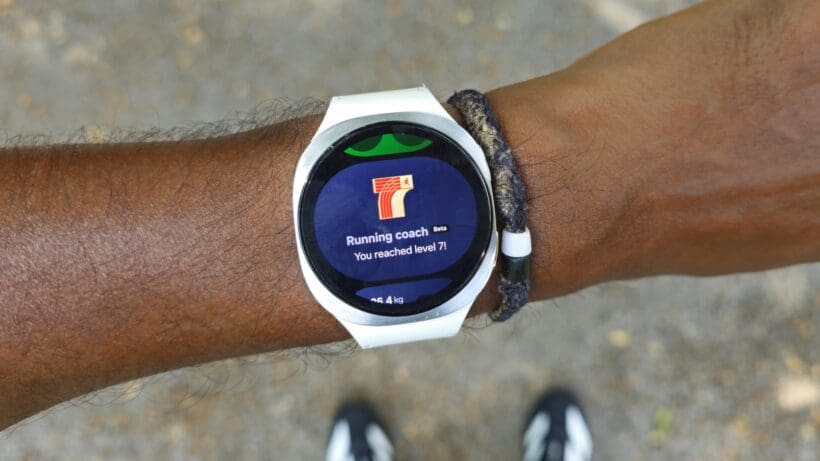
Samsung Galaxy Watch 8: Best for Samsung phones
 (Image credit: Wareable)
Specs and features
Size: 40 x 38.8 x 9mm / 44 x 42.8 x 9mm
Display: 1.3-inch / 1.5-inch Super AMOLED (3,000 nits)
Connectivity: Wi-Fi, Bluetooth, NFC, LTE, GPS
Weight: 28.7g (40mm) / 33.5g (44mm) – without band
Chipset: Exynos W1000
Battery life: Up to 30 hours (40mm) / up to 40 hours (44mm)
Phone compatibility: Android
Storage: 2GB RAM; 32GB internal
Water rating: 5ATM
Sensors: BioActive Sensor (includes heart rate, ECG, blood pressure, and blood oxygen monitoring)
Overview
After several incremental updates, the Galaxy Watch 8 feels like a significant and memorable step forward for Samsung’s standard smartwatch line.
Advertisement
The highlight is the new ‘cushion’ case design, which gives the watch a much-needed dose of personality and a more premium feel while retaining its minimalist look. This is paired with a stunning 3,000-nit Super AMOLED display that is a joy to use.
On the software front, the integration of Google Gemini is a game-changer, finally delivering the intelligent assistant support that Wear OS watches have long deserved. At the same time, tweaks to One UI make navigation cleaner.
Why we recommend it (with caveats)
The Galaxy Watch 8 is a superb smartwatch. For those with a Samsung phone, it’s a compelling, almost default choice. This is because key health features, such as ECG and blood pressure monitoring, remain exclusive to Samsung’s ecosystem. If you own a Samsung phone, this is the most feature-complete watch you can get. The heart rate accuracy is also impressively accurate.
However, for the wider Android audience, it falls just short of the Pixel Watch 4. Some health features, such as ‘Vascular Load’, feel like they’re still in beta, and the battery life on the smaller 40mm model is a significant weakness. This combination of feature-gating and a few unpolished areas makes it a fantastic watch for some, but not the best all-rounder for everyone.
The cushion case design is nicely implemented
Google Gemini is a huge upgrade
Wear OS 6 and One UI 8 work well together
New health and fitness features are a mixed bag
Barely a battery improvement on the Watch 7
Key health features remain exclusive to Samsung phone users
Advertisement
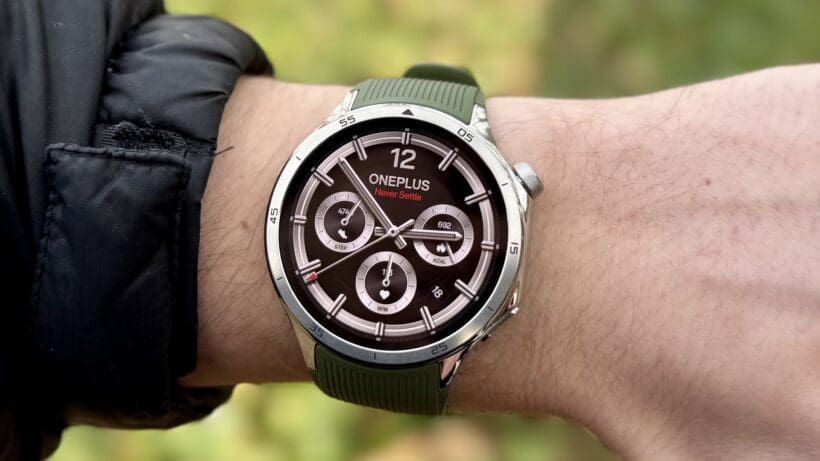
OnePlus Watch 3: Best of the rest
 (Image credit: Wareable)
Specs and features
Size: 46.6mm x 47.6mm x 11.75mm (excluding lugs and sensor)
Display: 1.5-inch AMOLED; 466 x 466 ppi; 2200 nits brightness
Connectivity: Dual-frequency GNSS, Wi-Fi, Bluetooth, NFC
Operating system: Wear OS 5 + RTOS
Weight: 49g without band (81g with band)
Chipset: Qualcomm W5+ & BES2800BP MCU
Battery life: Up to 120 hours (Smart Mode); three days AOD
Phone compatibility: Android 8.0 or later
Storage: 32GB ROM
Water rating: Swim-proof, 5ATM
Sensors: PPG, SpO2, ECG
Overview
After re-entering the smartwatch market in 2024 with a strong trio of second-generation watches, the OnePlus Watch 3 is the brand’s latest major update.
Due to its large and heavy case, the 2025 OnePlus smartwatch may not be the best fit for smaller wrists or those who are particularly active (though this has been alleviated by the addition of a 43mm version of the OnePlus Watch 3). There’s also still no LTE edition for those who desire untethered connectivity.
Still, it remains the best option right now for anyone seeking true multi-day battery life in a Wear OS watch. The secret to the battery’s longevity remains the brand’s clever dual-chip system. The Snapdragon W5 is used for power-intensive tasks, while the updated BES 2800BP MCU is used for low-power features like notification scanning and AOD.
Advertisement
This improved efficiency means the Watch 3 can go just that bit more than Google or Samsung’s watches. We found that around 70 hours of battery life is possible, even with AOD enabled in heavy use, making it the most long-lasting Wear OS watch on the market in this regard. It can also reliably stretch another couple of days if you disable AOD for the cycle.
OnePlus runs the latest version of Google’s software (Wear OS 5), and its RTOS skin is very palatable. Unlike some skins, the Watch 3 remained incredibly smooth during testing. It also features a neat set of new health options that bring it closer to its key rivals.
It’s not the perfect smartwatch. We still recommend Google’s 45mm Pixel Watch 4 over it—and the Galaxy Watch Ultra if your budget allows for it—but it’s the best of the rest. Just make sure you’re comfortable with its downsides before buying it.
Impressive three days of AOD time
Helpful tweaks to the design
Improved health features
No LTE option remains baffling
Only available in one case size
Looks virtually identical to Watch 2
Xiaomi Watch 2: Best budget Android smartwatch
Advertisement
Specs and features
Display: 1.43-inch AMOLED, 466 x 466 pixels, 326 PPI, up to 600 nits brightness
Dimensions: 47.5mm x 45.9mm x 11.8mm (excluding heart rate sensor)
Weight: 36.8g (without strap)
Battery: 495mAh, magnetic charging, ~45 minutes charging time, up to 65 hours typical use
Processor: Qualcomm Snapdragon® W5+ Gen 1, 4nm process
Storage & RAM: 2GB RAM, 32GB storage
Connectivity: 2.4GHz/5GHz Wi-Fi, Bluetooth® 5.2
Water Resistance: 5ATM
Sensors: Optical heart rate, accelerometer, gyroscope, ambient light, electronic compass, barometer
Navigation: Dual-frequency L1+L5 GPS, Galileo, Glonass, Beidou, QZSS
Compatibility: Android 8.0 and above
Overview
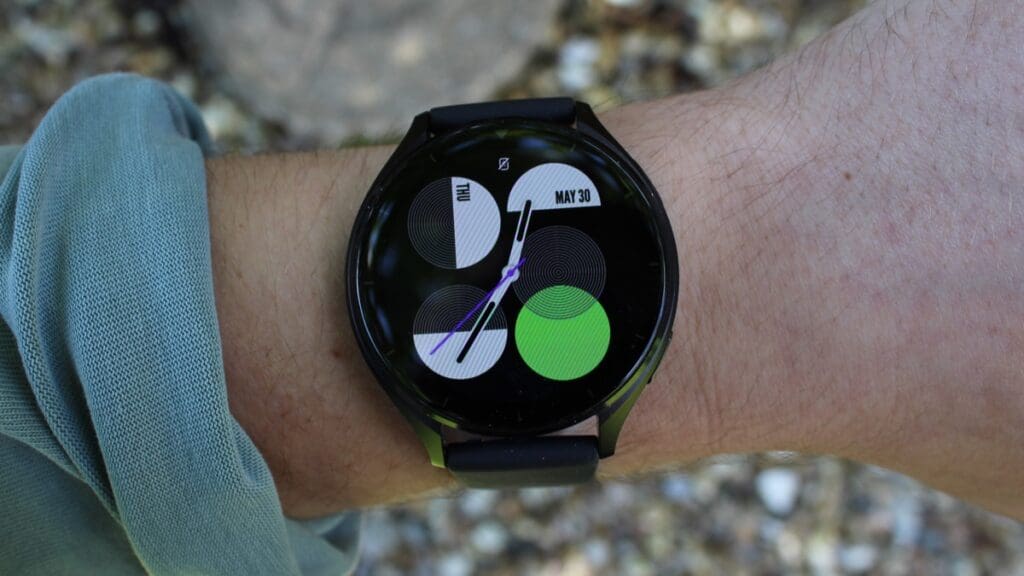
Though now a little long in the tooth, the Xiaomi Watch 2 remains the best budget Wear OS option to consider in 2025—buoyed by an unexpected Wear OS 5 update in August 2025.
The build quality and display are superb for a cheaper smartwatch, and it doesn’t feel like a sacrifice. It’s exceptionally light to wear and features a glorious full AMOLED display.
You also get the full suite of Google Play Store apps and Google Pay, making it significantly more capable than budget rivals in terms of smart features. It even boasts GPS, and, during testing, delivered a better heart rate tracking performance than its more expensive Pro sibling. While not the gold standard, casual gym-goers and runners will achieve usable accuracy.
As you would expect at this price, there are compromises. In real-world testing, we found the battery life to be limited to a single day, which seems somewhat outdated when most other Wear OS watches can comfortably surpass this.
Advertisement
It could also be replaced with a new generation in 2025—though, disappointingly, no rumors have surfaced to suggest this is in the works.
Superb price tag
Light and attractive design
HR accuracy is very solid
Battery life is very average
Mi Fitness is a glitch-fest
Doesn’t run Wear OS 4
Mobvoi TicWatch Pro 5 series: Best wildcard pick
Specs and features
Size: 50.1 x 48.0 x 12.2mm
Display: AMOLED; 1.43 inches; 466 x 466 resolution
Connectivity: GPS, Bluetooth 5.2, Wi-Fi
Operating system: Wear OS 4
Weight: 44.3g
Chipset: Qualcomm Snapdragon W5+ Gen 1 Platform
Battery life: 80 hours
Phone compatibility: Android 8.0 or later
Storage: 32GB
Water rating: 5 ATM (suitable for swimming in shallow water)
Sensors: PPG, SpO2, skin temperature
Advertisement
Overview
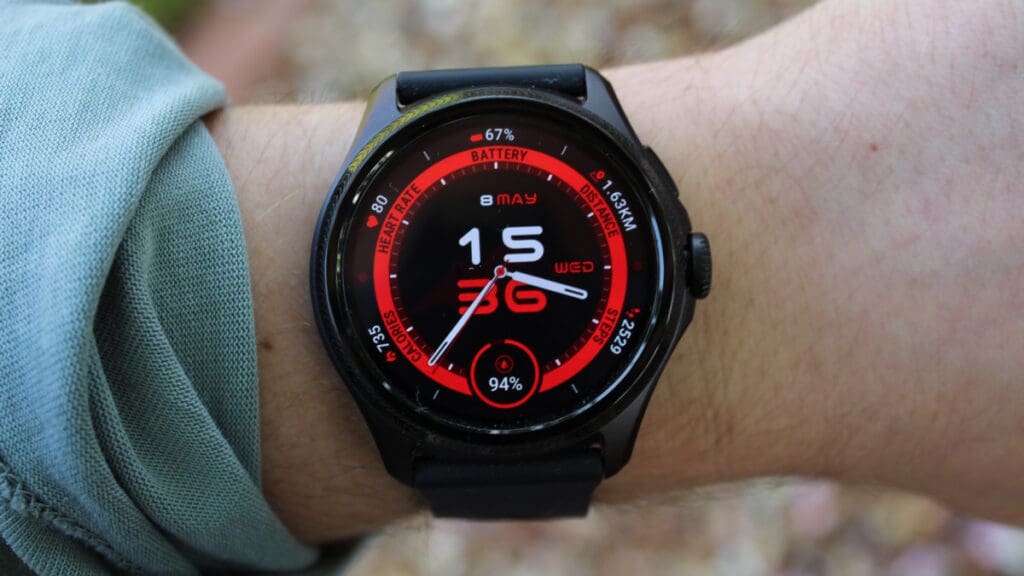
With its clever dual display, around four days of battery life, and consistent accuracy, the TicWatch Pro 5 is a solid pick for Android phone users.
Mobvoi also released the TicWatch Pro 5 Enduro and TicWatch Atlas in 2024. Yet, apart from slight changes to the case, these are essentially the same as the Pro 5.
No matter the design you favor, you’ll get the clever combination of the Snapdragon W5+ chip and the dual-layer low-power display. This yields battery life that remains relatively unrivaled from Wear OS rivals.
Our testing of all three designs revealed that they are suitable for workouts and health tracking, with VO2 max, blood oxygen, GPS, and HR data (for most workout types) within a healthy range.
Yet, the experience is far from polished, and the insights aren’t on the same level as Samsung or Google/Fitbit.
The mammoth case is also only a good fit for those with large wrists, and the omission of an LTE version compounds this. That makes it a non-starter for those who crave connectivity.
Advertisement
In December 2025, Mobvoi also removed all of its smartwatches from its online store, prompting fears over the future of TicWatch devices. The brand has yet to confirm this, but it’s perhaps reason to think twice about picking up any of its smartwatches for now.
Display tech is ingenious
Multi-day battery life
Activity and health tracking accuracy
Likely to be outdated soon
Tons of bloatware
No smart assistant
Two alternatives for Android users from our reviews
There are also different options for those unsure whether Wear OS is the right smartwatch platform. These picks still work well with Android smartphones and offer an alternative software experience to Google’s.
Garmin Venu X1
 (Image credit: Wareable)
Specs & Features
Size: 46mm
Display: 2-inch AMOLED with sapphire crystal
Connectivity: GPS, GLONASS, Galileo, Wi-Fi, Bluetooth
Operating system: Garmin OS
Weight: 40g (with strap)
Battery life: Up to 2 days (AOD enabled) / Up to 7 days (smartwatch mode)
Phone compatibility: Android and iOS
Storage: 32GB
Water rating: 5ATM (50 meters)
Sensors: SpO2, PPG (Elevate Gen 5), accelerometer, compass, thermometer
Advertisement
Overview
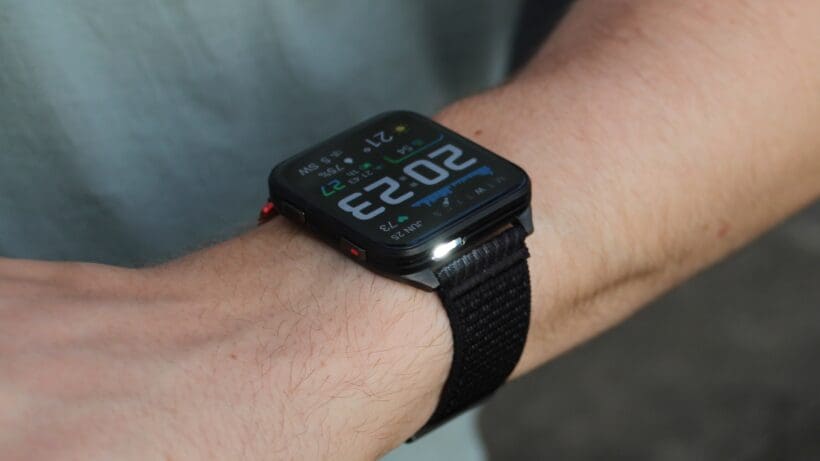
The Venu X1 is Garmin’s answer to the premium, design-led smartwatch space. It sheds the brand’s traditionally rugged aesthetic for an incredibly thin (7.9mm) and light titanium case that’s both stunning and supremely comfortable.
The vibrant 2-inch AMOLED display is protected by sapphire crystal and is easily one of the best on any sporty smartwatch.
While it pairs flawlessly with Android phones for notifications and calls, it’s important to remember this isn’t a Wear OS device; you won’t get the deep app integration or smart assistant features found on a Galaxy Watch or Pixel Watch. Instead, its strength lies in its world-class fitness ecosystem.
A superb Galaxy Watch Ultra alternative
This is a very advanced Garmin at its core; there’s a vast array of sports profiles, the full suite of training metrics, and the brand’s excellent native platform for offline mapping and coaching plans.
However, to achieve its slim design, it omits Garmin’s top-tier Multi-Band GPS and an ECG sensor. Our testing revealed that the standard GPS remains exceptionally accurate in most conditions, and the new Elevate Gen 5 heart rate sensor performed superbly, even during demanding interval sessions.
Advertisement
The major drawback, however, is the battery life. With the always-on display enabled, the Venu X1 lasts for just two days. This represents a significant departure from Garmin’s reputation for reliability and longevity, although it is still comfortably comparable to devices like the Galaxy Watch Ultra.
Incredibly thin, light, and comfortable design
Core sports tracking accuracy is outstanding
An LED flashlight—in this design!
Two-day AOD battery life
No ECG or dual-frequency GPS
No killer smart feature (like LTE) to differentiate it
Huawei Watch 5 series
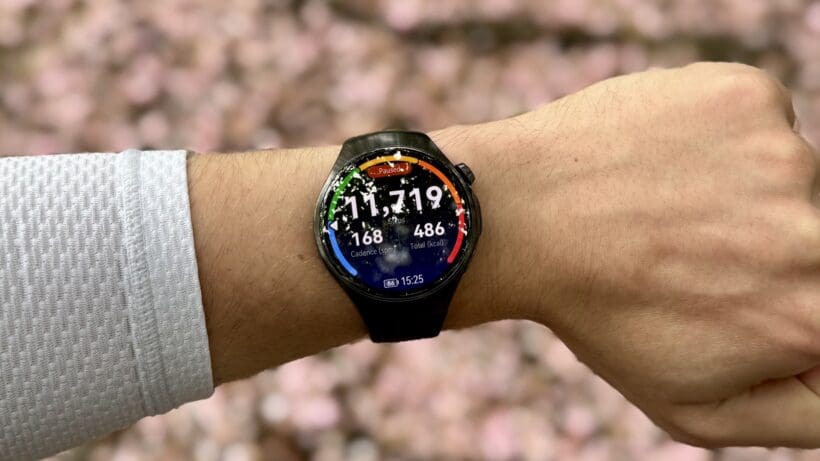
Specs and features
Size: 42mm or 46mm
Display: LTPO AMOLED
Connectivity: Dual-frequency GNSS, NFC, Wi-Fi, Bluetooth
Operating system: HarmonyOS 5.0
Weight of 42mm edition (without strap): 51g (steel); 48g (titanium)
Weight of 46mm edition (without strap): 63g (steel); 58g (titanium)
Chipset: Kirin A1 chipset
Battery life: 42mm: Up to 12 days / 46mm: up to seven days
Phone compatibility: Android and iOS
Storage: 32GB
Water rating: 5ATM / IP69K (dive-rated to 40m)
Sensors: SpO2, PPG, skin temperature, ECG (dual-sensing via ‘X-Tap’)
Advertisement
Overview
After a two-year hiatus, Huawei’s flagship Watch returns for its fifth generation, boasting refined materials and a novel ‘X-Tap’ sensor on the side of each case.
The mid-range Huawei Watch GT 5 and 5 Pro remain solid smartwatches for those on a budget, but the flagship Watch 5 offers the best experience from the brand in 2025. They all share the same version of Harmony OS, which, as a major downside compared to Wear OS, offers a limited app selection due to Huawei’s ongoing ban in the US.
However, improved health tracking (even if X-Tap felt slightly gimmicky in our testing) and added gesture controls combine to make this feel like a somewhat elevated software experience. The premium materials also ensure that this is one of the best-feeling smartwatches we’ve ever tested, albeit slightly let down by the display’s pronounced reflectiveness.
Tracking accuracy, sports features, and battery life
The Watch 5 also features the same sports tracking upgrades introduced in 2024’s set of watches: upgraded 3D course maps and green contours for golfers, on-wrist mapping for the dedicated trail running profile, and a design certified for recreational diving. Across the range, there are also new insights for runners, such as ground contact time and vertical oscillation. Additionally, those who prefer the saddle can turn their paired phone into a cycling computer.
Along with numerous sports modes, the Watch 5 models also boast dual-frequency GNSS technology and a refined version of the brand’s TruSense architecture. The GPS performed exceptionally well in our testing, even if the heart rate accuracy lags slightly behind what we’ve found through Garmin and Apple’s latest sensors and algorithms.
A big selling point, however, remains the battery life. You’ll struggle to match Huawei’s estimate unless you disable most features, but it still managed around 4.5-5 days with always-on display (AOD) enabled. Considering the display quality and brightness, that’s a significant achievement.
Advertisement
Premium design and build quality
Bright and crisp LTPO display
Superb AOD battery life
Limited app ecosystem remains
Not top-level workout HR accuracy
X-Tap sensor feels more novel than essential
Wear OS watch version checker
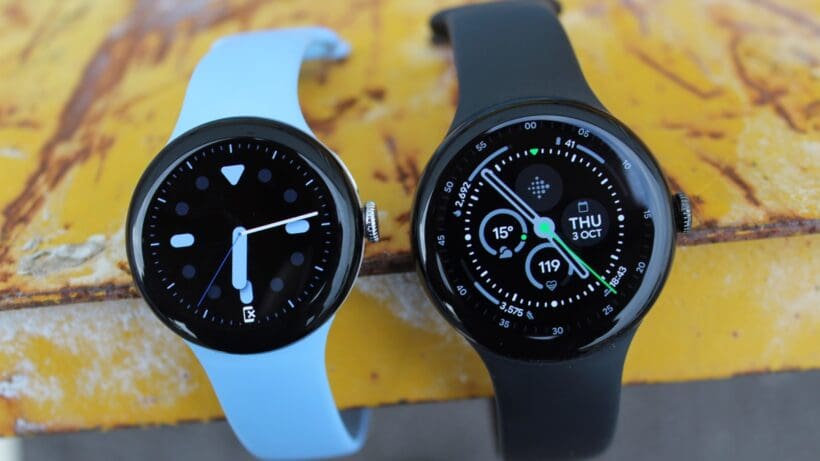 (Image credit: Wareable)
Confirmed to support Wear OS 6:
Google Pixel Watch 1-3 (given they can all run the Wear OS 6 preview)
Google Pixel Watch 4 (available from 9 October)
Samsung Galaxy Watch 8 series (available now)
Samsung Galaxy Watch Ultra (2024 and 2025 models)
Likely to support Wear OS 6 (or currently in beta):
Samsung Galaxy Watch 4-7 series
Samsung Galaxy Watch FE
OnePlus Watch 3 (and the 43mm edition)
Google Pixel Watch 3
Google Pixel Watch 2
Google Pixel Watch
OnePlus Watch 3
Samsung Galaxy Watch Ultra
Samsung Galaxy Watch 7
Samsung Galaxy Watch 4 / Galaxy Watch 4 Classic
Samsung Galaxy Watch 5 / Galaxy Watch 5 Pro
Samsung Galaxy Watch 6 / Galaxy Watch 6 Classic
Samsung Galaxy Watch FE
Xiaomi Watch 2
Xiaomi Watch 2 Pro
Advertisement
OnePlus Watch 2
OnePlus Watch 2R
Mobvoi TicWatch Pro 5
Mobvoi TicWatch Pro 5 Enduro
Mobvoi TicWatch Atlas
Watches compatible with Wear OS 3 or 3.5
Montblanc Summit 3
Fossil Gen 6
Skagen Falster Gen 6
Diesel Griffed Gen 6
Michael Kors Access 6
Razer x Fossil Gen 6
Citizen CZ Smart 2nd Gen
TicWatch Pro 3
TicWatch Pro 3 Ultra GPS
TicWatch E3
You can also find the latest info on Google’s OEM checker.