
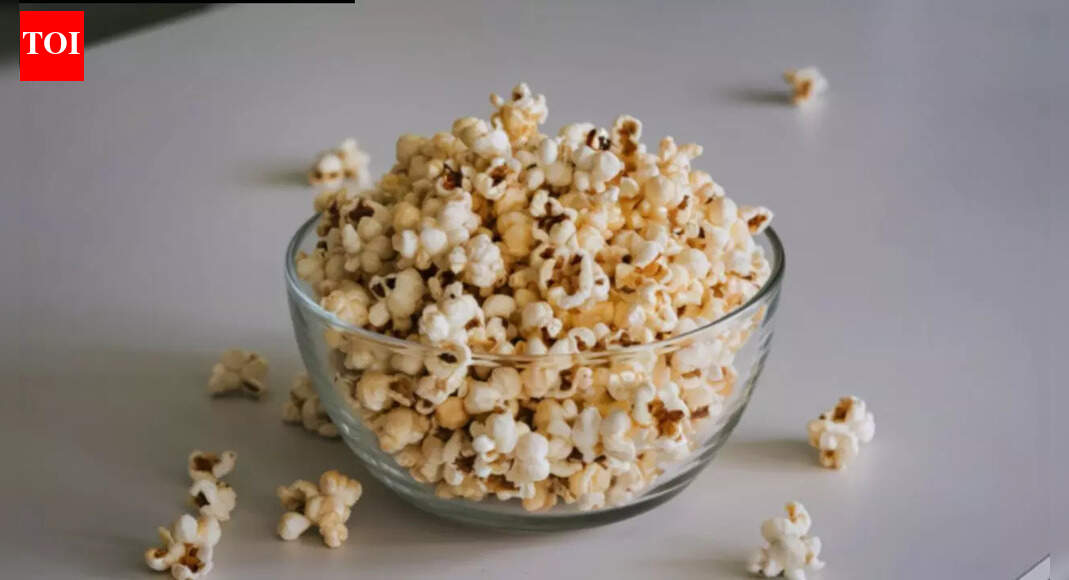
 Popcorn has a strange reputation. It is everywhere, from cinema seats to office desks, yet it is often dismissed as junk. That judgment misses something important. Popcorn is a whole grain, naturally high in fibre, and far less processed than most packaged snacks. What matters, though, is not just what it lacks, but what it contains. Recent research has shown that popcorn carries a surprising amount of antioxidants, especially when compared with many fruits and vegetables people assume are healthier. These compounds sit in the outer skin of the kernel and survive the popping process. It is not a miracle food, and it is not perfect. Still, for a snack so familiar, popcorn has quietly been doing more for our diets than many realise.
Why popcorn is more than just a snack
Snack foods rarely get much respect from nutrition experts, and for good reason. Many are loaded with sugar, salt, or fat, and offer little else. Popcorn sits slightly apart. It is made from whole corn kernels, which means the grain stays intact. Nothing is stripped away before it reaches the bowl.
Easy Ways to Boost Fiber Intake for Better Health
Anyone who has swapped crisps for plain popcorn knows it feels different. It fills you up. It takes time to eat. There is substance there. That matters more than people think.
The fibre content that supports digestion
According to a study namedAnalysis of Popcorn (Zea Mays L. var. Everta) for Antioxidant Capacity and Total Phenolic Content, one of popcorn’s biggest strengths is its fibre content. Fibre helps digestion, supports gut health, and keeps blood sugar levels steadier. Popcorn delivers this without needing added ingredients.A modest serving can contribute meaningfully to daily fibre intake, which many people still fall short of. Especially in Europe. This is not news, but it is often ignored when popcorn is discussed. Fibre does not shout. It just does its job.
Antioxidants hidden in the kernel skin
The most interesting finding from recent studies sits in the popcorn hull, also known as the pericarp. This outer skin contains phenolic acids, a type of antioxidant linked to reduced inflammation and lower risk of chronic disease. What is unusual is how these antioxidants are stored. They are bound tightly to the fibre structure, rather than floating freely. That makes them harder to detect at first glance. It also explains why popcorn has been underestimated.
Why popping does not destroy the benefits
Heat often reduces nutritional value. With popcorn, that assumption does not hold up well. Research comparing raw kernels with popped popcorn shows that the antioxidant capacity remains largely unchanged after popping. That is not what many would expect. Yet the data is consistent. The protective structure of the kernel seems to shield these compounds during heating. So the act of popping, dramatic as it looks, does not undo the good.
How the body accesses popcorn antioxidants
Because popcorn polyphenols are bound to fibre, they are released during digestion rather than absorbed immediately. In laboratory digestion studies, a significant portion becomes bioaccessible in the gut. This slow release may actually be beneficial. It allows antioxidants to act further along the digestive tract, where they are often needed. It is not instant nutrition. It works over time.
Popcorn compared with other whole grains
Whole grains are linked to lower risk of heart disease, type 2 diabetes, and high blood pressure. Popcorn belongs in that group, even if it is rarely treated the same way as oats or brown rice. Snacks already account for a large share of whole grain intake in some diets. That makes popcorn quietly important. Not ideal. Just useful. Sometimes health improvements come from small, realistic changes.
When popcorn stops being healthy
Of course, popcorn is not always the same product. Butter-heavy cinema popcorn, sugar-coated varieties, and flavoured microwave bags can cancel out many benefits. The base ingredient is strong. What gets added on top often is not. Plain air-popped popcorn, lightly seasoned, tells a different story. That is the version most studies are talking about.
A simple food with overlooked value
Popcorn does not need hype. It does not need to replace fruit or vegetables. It just deserves to be seen more clearly.As a whole grain snack with fibre and bioaccessible antioxidants, it fits into a healthy diet more naturally than many alternatives. It has been there all along.Most people simply never looked twice.(Disclaimer: This content is informational in nature and should not be considered medical advice. Always consult a healthcare professional for personalised guidance.)