
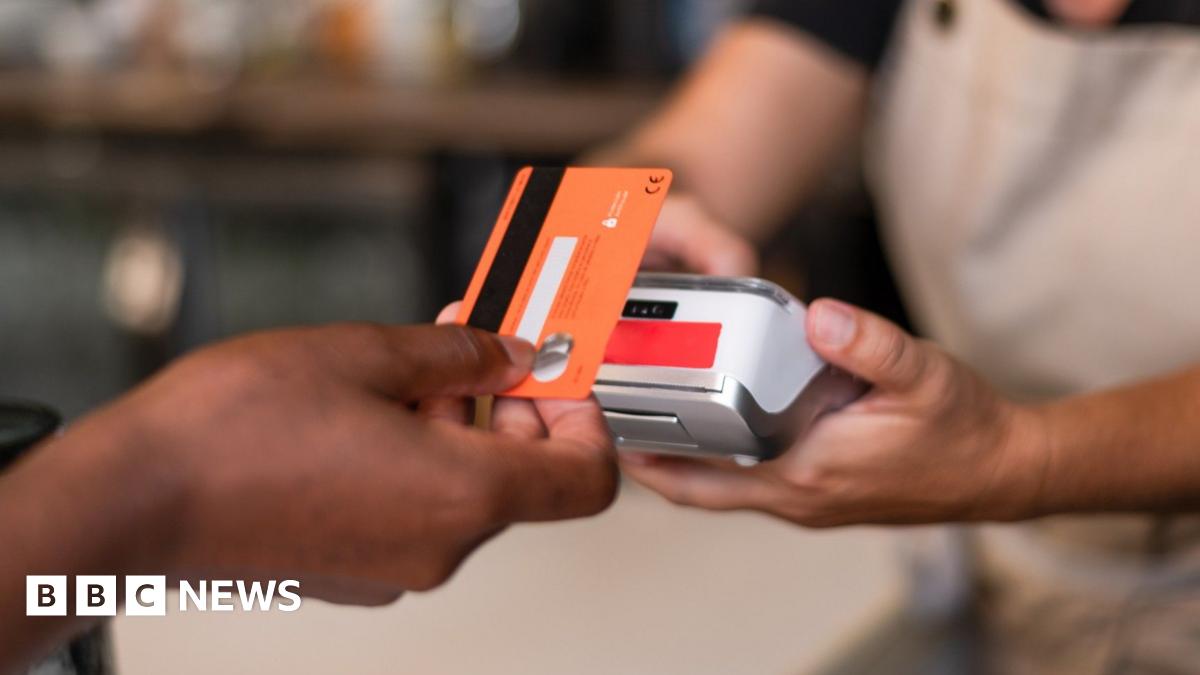
But concerns have been raised about cards becoming more attractive to thieves and fraudsters, when high-value payments can be made with a tap of a card.
Various protections are already in place, such as a prompt to enter a PIN after a series of consecutive contactless transactions are made.
Consumers would still get their money back if it was stolen by fraudsters, according to David Geale, executive director of payments and digital finance at the FCA.
“Contactless is people’s favoured way to pay,” he said.
Speaking on the BBC’s Today programme, Mr Geale said while the system works well, rigid limits could “slow things down”.
“So what we want to do is give banks and payment firms greater flexibility to set their own approach to contactless payment, where they see low risk of fraud,” he said.
In practice, he said that means banks and payment companies could choose a limit based on their customers.
“But what we’re really encouraging is that they’ll open up that flexibility for customers to set their own limits,” he added.
Other countries, such as Canada, Australia and New Zealand allow industry to set contactless card limits.
Jana Mackintosh, managing director of payments and innovation at UK Finance, which represents banks, said: “Any changes made in the future will be done carefully and ensure strong security and fraud controls remain in place.”