
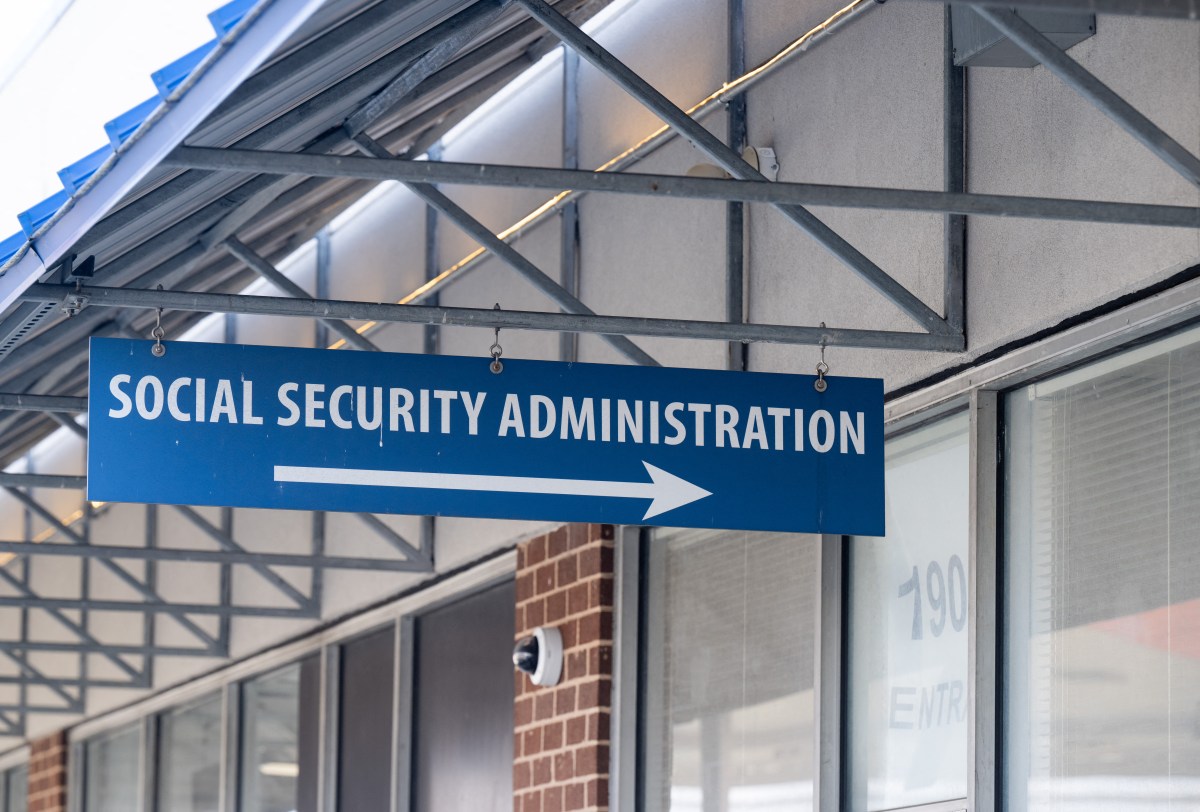
A report published by Barron’s on Friday pointed out some of the negative effects that artificial intelligence (AI) could have on the Social Security Administration (SSA), which is already facing a funding gap as early as 2033.
If AI cuts into more jobs, then the number of workers’ wages sustaining the social safety net program would get even smaller, with potentially widespread implications for current and future beneficiaries alike.
Why It Matters
Social Security is primarily financed through payroll taxes on workers and employers. These taxes flow into trust funds from which benefits are paid to retirees, disabled individuals, and survivors of deceased workers.
The Social Security Board of Trustees has repeatedly stated that the program’s trust fund may be depleted by 2033, at which point only about 77 percent of scheduled benefits could be paid unless Congress intervenes.
What To Know
Analysts have warned that AI and automation could significantly shrink the payroll tax base. As machines increasingly perform tasks once completed by human workers, especially in white-collar and mid-level jobs, this could lead to widespread job displacement or underemployment.
If fewer people are working or earning taxable wages, the Social Security system may collect less revenue, potentially accelerating the date when the trust fund runs dry.
Citing research from Penn Wharton, Barron’s reported that jobs that are highly vulnerable to be replaced by AI include administrative and back-office jobs, sales, management, and legal positions, while the least to be affected are building maintenance, construction, farming, and repair.
Research by the McKinsey Global Institute has indicated that up to 30 percent of work hours in the country could be automated by 2030, threatening millions of jobs. In addition, a recent report by the SSA’s Office of the Chief Actuary warned that faster-than-expected job losses due to technology could result in lower-than-projected payroll tax income.
“If the upcoming gap in Social Security funding at the end of this decade wasn’t concerning enough, now current and future beneficiaries have growing worries on the effects of AI on the program, as well,” Alex Beene, a financial literacy instructor for the University of Tennessee at Martin, told Newsweek. “Social Security relies on payroll taxes to fund benefits, and, if AI has the widespread negative effects on employment some are expecting, that could produce a rapid decline in money coming into the program to provide benefits for millions of Americans.”
Policymakers and think tanks have debated solutions, including raising payroll taxes, lifting the income cap, or diversifying Social Security funding sources, but so far, no legislation directly addressing the impact of AI on Social Security funding has advanced in Congress.
“The reality is this: Social Security is under serious pressure. If nothing changes in the next seven years, the program will face a budget shortfall that puts current benefits at risk,” Kevin Thompson, the CEO of 9i Capital Group and the host of the 9innings podcast, told Newsweek. “By 2033, the trust fund is projected to be depleted, meaning the program may only be able to pay out 70–75 percent of scheduled benefits. That’s not fearmongering, that’s math. More money is going out than coming in, and unless action is taken, the shortfall will impact everyone relying on the system.”
 What People Are Saying
Kevin Thompson, the CEO of 9i Capital Group and the host of the 9innings podcast, told Newsweek: “AI will absolutely disrupt the labor market, but not all disruption is negative. Yes, some jobs will be lost, and that will impact payroll tax revenue, which is what funds Social Security. But new types of jobs will emerge, just like they always do when technology evolves. A decade ago, no one thought “content creator” would be a viable career path. The same goes for trades and digital tech roles. New opportunities continue to grow.”
Alex Beene, a financial literacy instructor for the University of Tennessee at Martin, told Newsweek: “Whether or not this will occur remains to be seen, as we’re still early in the process of seeing AI’s actual effects on employment compared to expected ones. At the same point, it should provide consideration to voters and their representatives on future tax laws and how they can work to keep Social Security funded.”
Jen Burdick, an attorney at Community Legal Services of Philadelphia, helping people claim Social Security disability benefits, per Barron’s: “The more AI is removing large tasks, obviously that affects the workforce size. It’s not just that we’re going to have robot waiters, it also means that people aren’t paying into the trust fund.”
Lily Vittayarukskul, CEO and co-founder of Waterlily, a platform that uses AI to help consumers plan for future long-term care needs, per Barron’s: “Give it three to five years, and there will be what we expect to be significant job displacement.”
What Happens Next
AI will likely continue to spark conversations over its looming impact on Social Security and jobs more broadly.
“I don’t see AI as a harbinger for Social Security, but I do see it accelerating the need for serious conversations in Washington,” Thompson said. “Lawmakers will need to rethink how we fund this system, and those talks won’t be comfortable. But they’re necessary if we want to preserve benefits for the next generation.”