
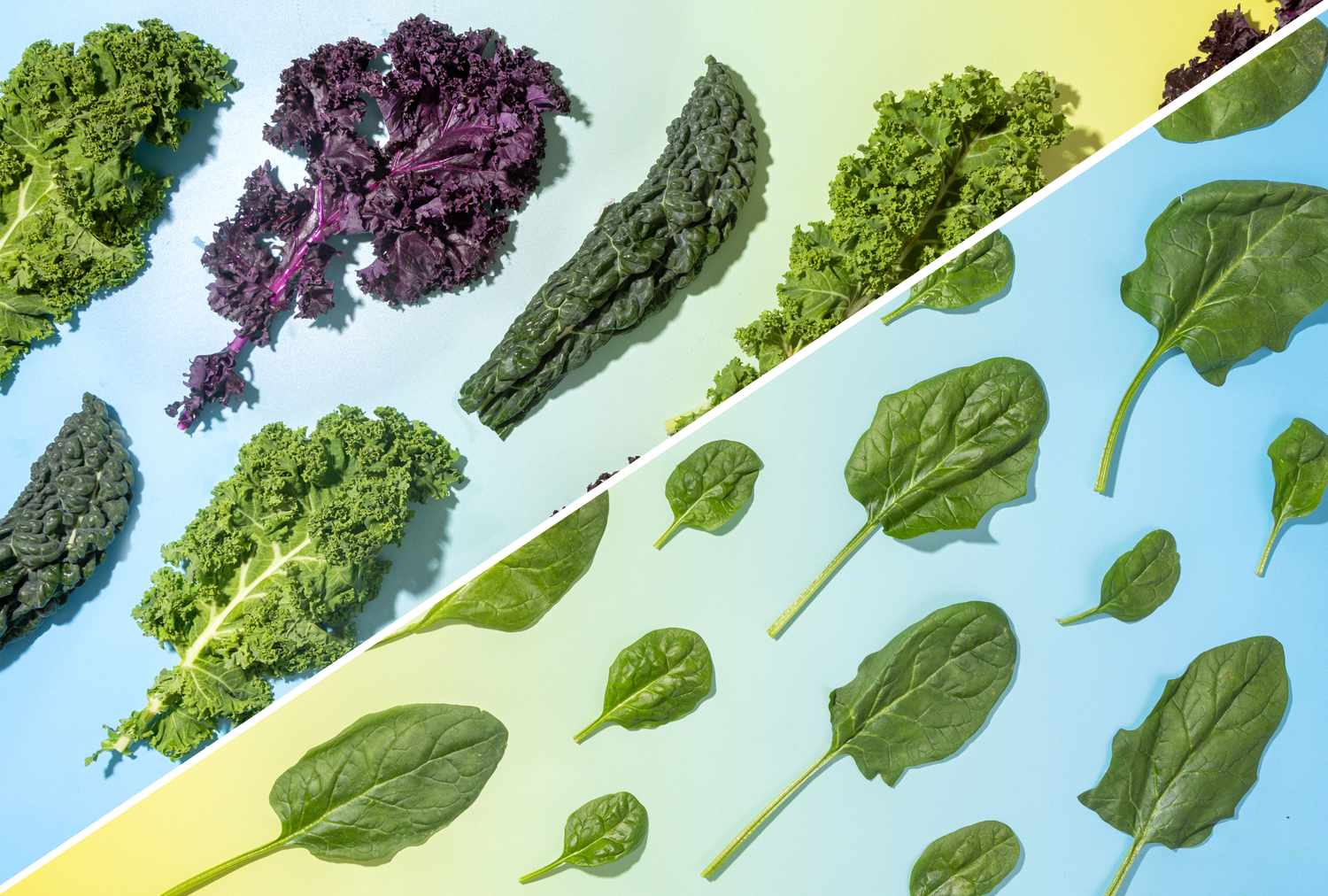
Kale has twice the vitamin C and packs more fiber for satiety and healthy digestion.Spinach stands out for its high plant-based iron and folate, fueling energy and growth.Taste, texture and individual health factors matter most, and enjoying both greens brings a wider range of health benefits.
Walk into the produce section of any grocery store, and you’re greeted by a wall of greens. For years, kale has enjoyed a reputation as the reigning king of superfoods, adorning everything from smoothies to chips. But right beside it sits spinach, the original powerhouse green that has been a staple in nutrient-rich diets for decades. It is a debate that fills health forums and confuses shoppers: Is the trendy, fibrous kale actually better for you than the tender, versatile spinach? Or are we just splitting hairs over two incredibly healthy options?
If you’ve ever bounced between a bunch of curly kale and a bag of baby spinach wondering which to choose, read on. We’ll break down their nutrition, health benefits and the most important factors when choosing the best leafy green for you.
Nutrition Content of Kale and Spinach
To understand the real difference between spinach and kale, we have to look at the numbers. Both greens are incredibly nutrient-dense, meaning they pack a lot of vitamins and minerals into very few calories. Below, we have broken down the nutritional profile for a standard salad-sized serving of each.
Spinach Nutrition
Here is the nutrition content of 2 cups (60g) of raw spinach, per the USDA:
Calories: 14Carbohydrates: 2.2gDietary Fiber: 1.3gTotal Sugar: 0.2gAdded Sugar: 0gProtein: 1.7gTotal Fat: 0.2gSaturated Fat: 0gCholesterol: 0mgSodium: 48mg
Kale Nutrition
Here is the nutrition content of 2 cups (42g) of raw kale, per the USDA:
Calories: 15Carbohydrates: 1.8gDietary Fiber: 1.8gTotal Sugar: 0.4gAdded Sugar: 0gProtein: 1.2gTotal Fat: 0.3gSaturated Fat: 0gCholesterol: 0mgSodium: 11mg
They’re both low in calories and fat, with small but meaningful differences in carbohydrates, fiber and protein content. The bigger differences emerge in their micronutrient and plant compound profiles, which influence their unique health benefits.
Health Benefits of Kale
Superior Vitamin C Content
Kale is a stellar source of vitamin C, with nearly twice as much as spinach per serving. Vitamin C supports collagen synthesis, acts as an antioxidant and is essential for immune health. As Carrie Gabriel, M.S., RDN, notes: “If you need more vitamin C, kale would be better.”
Higher Fiber for Digestion and Satiety
Kale is known for its tough texture, which is a visual indicator of its fiber content. Fiber is crucial for maintaining a healthy digestive tract and keeping you feeling full long after you eat. Because kale retains its volume and chewiness, it can be more satisfying in a salad than softer greens.
“Kale tends to have a bit more fiber—great for digestion, satiety and blood sugar balance,” says Jane Leverich, M.S., RDN.
Packed With Antioxidants
Kale is a source of powerful antioxidants like quercetin and kaempferol. These substances help counteract oxidative damage from free radicals in the body. Oxidative stress is believed to be one of the leading drivers of aging and several chronic diseases. The density of these compounds in kale makes it a formidable ally in long-term preventative health. Spinach has these compounds too, but not in the same quantity as kale.
Lower in Oxalates
One advantage of kale is lower in oxalate content. Oxalates are natural compounds found in many plants, including spinach, that can bind to minerals and reduce their absorption. Because kale contains lower levels of these compounds, the calcium and other minerals it provides are more bioavailable, meaning your body can absorb and use them more easily. For anyone looking to maximize their calcium intake from greens, kale may be a better choice.
Health Benefits of Spinach
Plant-Based Iron
For vegetarians, vegans or anyone looking to reduce their meat intake, spinach is a go-to source for iron. Iron is essential for creating hemoglobin, which brings oxygen to your body’s tissues. While plant-based iron (aka non-heme iron) isn’t absorbed as easily as animal-based iron, spinach provides a decent amount that can contribute to your daily needs.
Pro tip: Pair your spinach with a source of Vitamin C, like a squeeze of lemon, to improve bioavailability!
Incredibly Versatile
One of the biggest health benefits of spinach is how easy it is to eat a lot of it. Because it wilts down significantly when cooked and blends seamlessly into liquids, you can consume a massive serving of vitamins without feeling like you are chewing through a pasture.
“Spinach has a milder flavor and softer texture, which makes it incredibly versatile for smoothies, eggs, soups and quick sautés,” per Lily McNair, PSM, RDN, CCMS. This means you can easily add nutrition to breakfast, lunch and dinner with minimal effort.
Higher in Folate
Spinach is an excellent source of folate (aka vitamin B9), which is crucial for cellular function and tissue growth. It is especially important for those who are pregnant, but everyone needs folate to convert carbohydrates into energy and to produce DNA.
Higher in Plant-Based Protein
With protein being such a hot topic, it’s helpful to know which vegetables can give you an extra edge. Spinach offers a slight advantage here. While it’s not primarily considered a protein source like beans or tofu, it does contain a bit more protein than kale. For those looking to boost their plant-based protein consumption, adding a generous amount of spinach to meals can contribute to daily goals. Every little bit helps, and spinach delivers that extra plant-powered support.
Which Is Healthier for You?
So, who wins the battle? When choosing between the two, you have to consider not just the nutritional data, but your personal lifestyle and health history.
Consider Texture and Preparation
Often, the “healthier” vegetable is simply the one you enjoy enough to eat regularly. Kale requires a bit of work: it usually needs to be massaged with dressing or cooked down to soften its fibrous leaves. Spinach is ready to go right out of the bag.
“Kale is a hearty green with a stronger flavor and more structure,” per McNair. If you love a salad that has crunch and holds up to heavy dressings without getting soggy, kale is your winner. If you prefer a green that disappears into a pasta sauce or smoothie, spinach takes the prize.
Specific Health Considerations
There are a few medical factors to keep in mind. Spinach is high in oxalates, which can contribute to kidney stones in predisposed individuals. If you have a history of calcium oxalate stones, your healthcare provider might suggest limiting spinach or swapping it for kale, which is lower in oxalates.
Conversely, both greens are high in vitamin K, so if you take blood-thinning medication such as warfarin, you’ll want to keep your intake consistent—not suddenly increase leafy greens.
For most people, mixing up your greens and including both in your diet is ideal. “They’re different tools for different jobs. Choose based on health goals, medications, digestion and what people actually enjoy eating,” says McNair.
Including both in your rotation ensures you benefit from the iron and folate in spinach and the calcium and fiber from kale.
Our Expert Take
There’s no need to crown a single winner: both kale and spinach are both nutrient-dense foods that deserve a spot on your plate.
“Is one actually healthier than the other? Generally, no,” says Leverich. “They’re both nutrient powerhouses, and for most people, the ‘better’ choice is whichever one they’ll actually eat.” If you enjoy both, rotate them for a broader nutrient spectrum.