
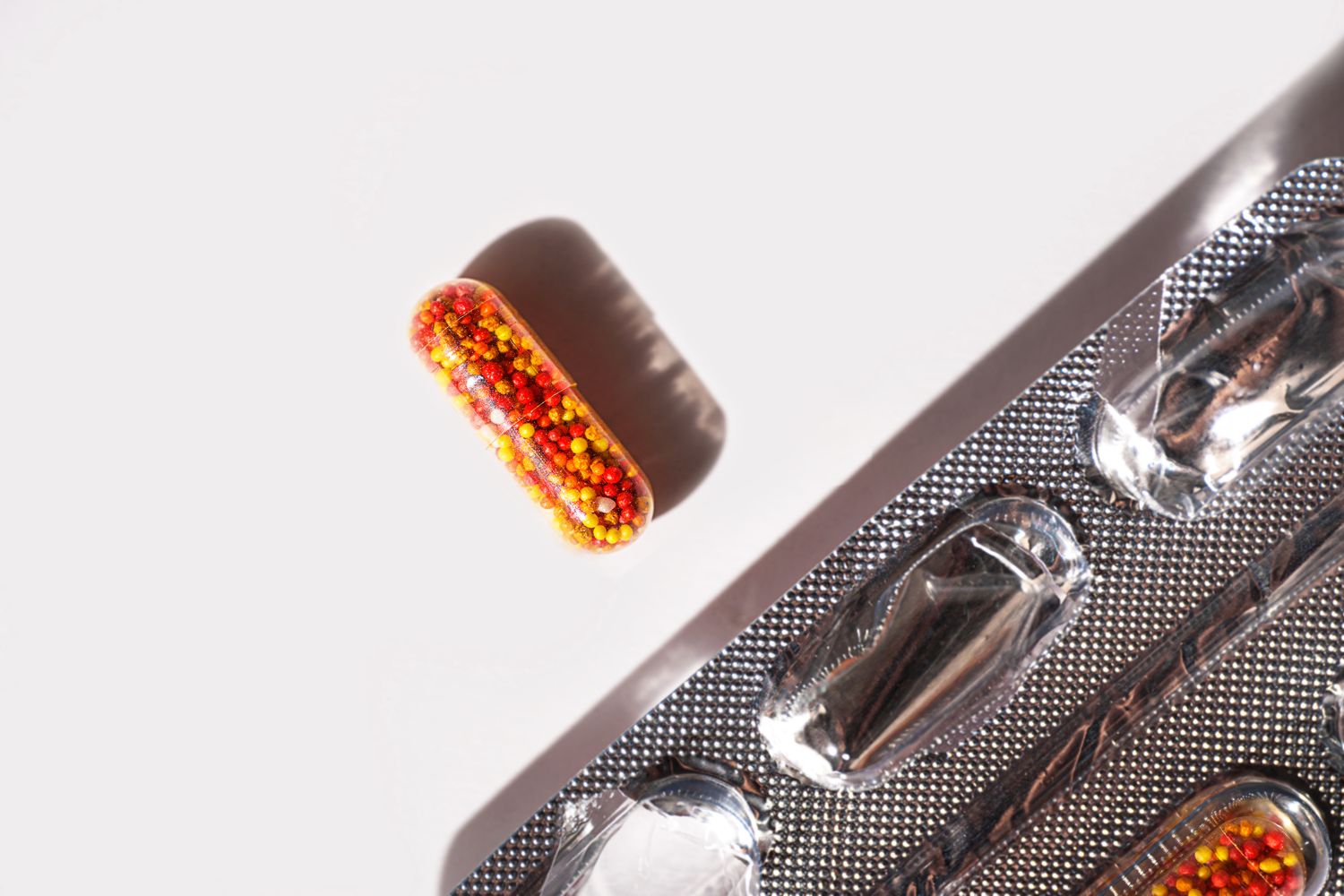
Vitamin B has been getting more attention as people look for ways to boost their energy and support their overall health. Many energy drinks now include several B vitamins, and social media conversations have raised awareness about vitamin B12 deficiency.
We asked Rebecca Andrews, MD, a professor of medicine at UConn Health and chair of the American College of Physicians Board of Regents, about what vitamin B12 actually does in the body.
Q: Why is vitamin B12 important for the body, and how do we know when we have a B12 deficiency?
Andrews: Vitamin B12 supports your body’s natural processes of energy production, such as the metabolism of carbs, protein, fats, and ultimately ATP (adenosine triphosphate). ATP is the direct energy source for cellular functions, ranging from muscle contraction to cellular and nerve signaling.
Vitamin B12 also facilitates the synthesis of DNA and red blood cells. Red blood cells carry oxygen to our tissues, which is critical for proper functioning. It’s also thought to help maintain myelin, the “insulation” around nerve fibers. Properly insulated nerve cells are a lot more energy efficient, expending less energy to get signals across. It is also important for memory and cognitive function.
While B12 doesn’t produce energy, it provides essential tools to allow your body to unlock energy from the food you eat. It also supports the necessary building blocks of other bodily reactions that maintain energy.
Why Would Someone Have a B12 Deficiency?
Blood tests for vitamin B12 aren’t part of routine screening, but a doctor may check your levels if you have symptoms like fatigue and muscle pain or conditions that raise the risk of deficiency.
A typical vitamin B12 level is around 250 pg/mL, but many healthcare providers aim for at least 450 pg/mL because newer research links levels below that range with functional deficiency.
If you take medications such as metformin for diabetes, proton pump inhibitors to treat acid reflux, or GLP-1 drugs for obesity, they might deplete B12 levels. Certain medical conditions, like pernicious anemia or Crohn’s disease, can also interfere with absorption.
If you follow a vegetarian or vegan diet, your doctor might recommend a B12 test as well. But even if you don’t eat meat, you’re likely to have fine B12 levels as long as you get enough protein. Keep in mind that drinking too much alcohol can also make it harder for the body to absorb this vitamin.
When Is a B12 Supplement Needed?
Most people get all the vitamin B12 they need from the foods they eat, such as beef, fish, chicken, eggs, and milk. And in the U.S., many breads and cereals are fortified with vitamin B12, so look for that on the package before you buy.
If a medical condition is causing the deficiency, your doctor may recommend vitamin B12 injections instead of oral supplements for better absorption.
Adults need about 2.4 micrograms of B12 a day from food, but supplements aren’t absorbed as efficiently, which is why prescribed doses can go as high as 2,000 micrograms. Your body will flush out what it doesn’t use. It’s important to follow instructions for follow-up blood tests to make sure your B12 levels are normal after supplementation or if a dose change is needed.
Self-medicating with vitamin B12 without a doctor’s guidance is not a good idea. Even though B12 is water-soluble (meaning excess amounts are usually flushed out in urine), taking more than your body can handle may still cause nausea, diarrhea, or headaches, especially in people who can’t clear excess B12 easily.
Verywell Health uses only high-quality sources, including peer-reviewed studies, to support the facts within our articles. Read our editorial process to learn more about how we fact-check and keep our content accurate, reliable, and trustworthy.
Thanks for your feedback!
What is your feedback?
Helpful
Report an Error
Other