
 Historic Hospitals / Dr H Blakeman

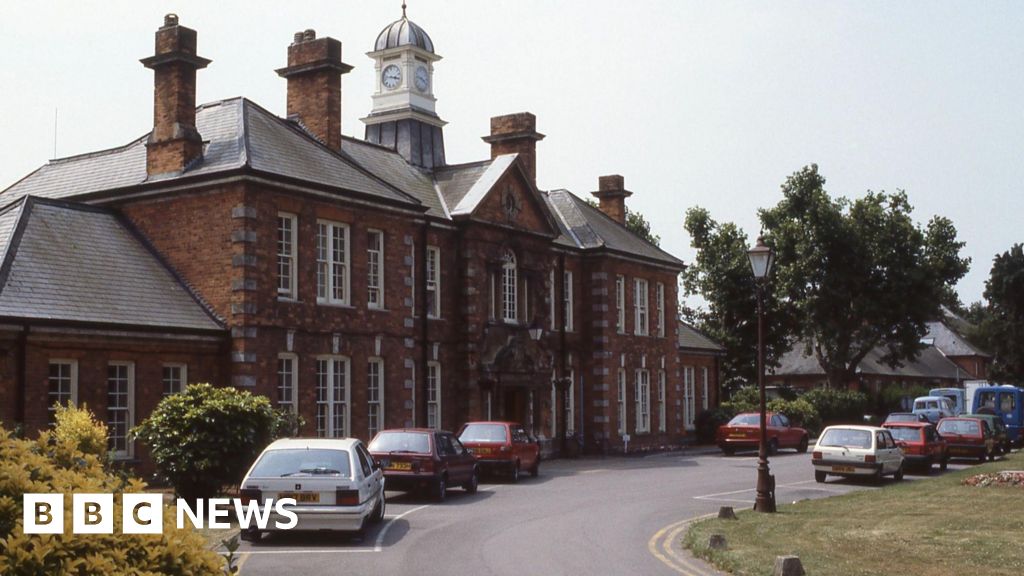
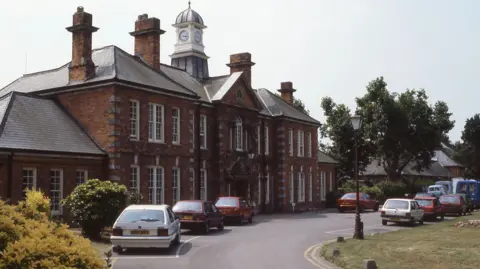
Graylingwell Hospital (pictured here in 1992) in Chichester was opened in 1897 featuring advanced treatment plans for patients
During the Victorian era, mental asylums had a reputation of treating patients with inhumane methods.
However, a West Sussex mental health hospital, built in the late 19th Century, was a pioneering institution with foundations in treating patients with compassion.
Alice Millard, West Sussex Records Office archivist, said Graylingwell Hospital in Chichester featured many advancements, including psychiatric treatments which had been developed in the 1800s.
“Before the Lunacy Act, there was a tendency to misunderstand and call people living with mental health illness as ‘criminally insane’, Ms Millard said.
“They would normally end up in jail or workhouses and be confined from society.”
When West Sussex County Council (WSCC) was founded, it purchased the Graylingwell Farm site to build the county’s own mental health institution.
 West Sussex Record Office
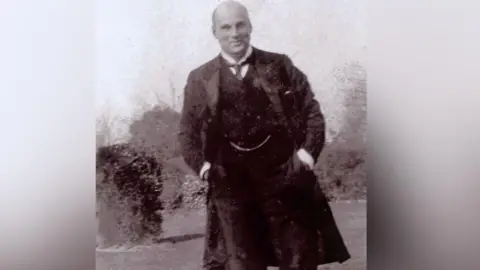
Dr Harold Kidd, the first Med Supt of Graylingwell Hospital, believed in treating mental health patients with care and compassion
Before the hospital was built, West Sussex patients were sent to Sussex County Asylum in Haywards Heath, which was overcrowding.
Graylingwell Hospital opened in 1897, and Ms Millard said the hospital’s first Med Supt, Dr Harold Kidd, had a “pioneering vision”.
“Dr Kidd wanted the hospital to treat people in a humanistic way, and he adopted progressive methods in treating patients,” Ms Millard added.
This included training nurses in psychology to better understand and communicate with patients, wards were designed to have a “homely atmosphere”, gardens, soft furnishings and music rooms.
“It was common in the 19th Century to restrain patients, but Dr Kidd wanted patients in Graylingwell to participate in activities like gardening to help improve wellbeing,” Ms Millard added.
“Dr Kidd believed in giving patients dignity. He was conscious that the word ‘asylum’ had stigma attached to it so Graylingwell was called a hospital instead.”
Ms Millard said the hospital was requisitioned during the First World War and soldiers started arriving in March 1915.
However, the hospital did not treat patients with war-related mental health problems.
 West Sussex Record Office
Graylingwell Hospital staff and patients planting potatoes
The hospital in later years
Afterwards, the hospital’s newly-constructed Summerdale block was used as a military hospital for the Second World War.
The hospital then resumed its services until it closed in 2001.
There are now residential homes on the site and former farm stables are set to be revamped into a creative hub.
“It’s important to remember the hospital’s history and its significance in being one of the trailblazers in mental health treatment,” Ms Millard said.
 Historic Hospitals / Dr H Blakeman
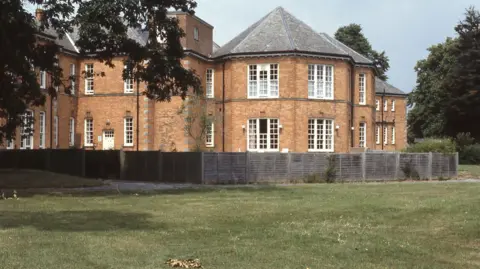
A patients’ pavilions on the east side of the main hospital complex. This photo was taken in 1992
Kelly Winstanley, national clinical lead for Mental Health Matters, said our attitudes towards mental health has changed.
“There’s more understanding about common types of mental health such as anxiety and depression,” she said.
“We have seen mental health more represented, for example celebrities being more open about their challenges on TV shows.”
Ms Winstanley said, however, some people still talk about certain mental health conditions without fully understanding it.
“These include Obsessive Compulsive Disorder, Attention Deficit Hyperactive Disorder and schizophrenia,” she said.
“The language we use to describe mental health does matter because it can make patients feel judged and stigmatised.”