
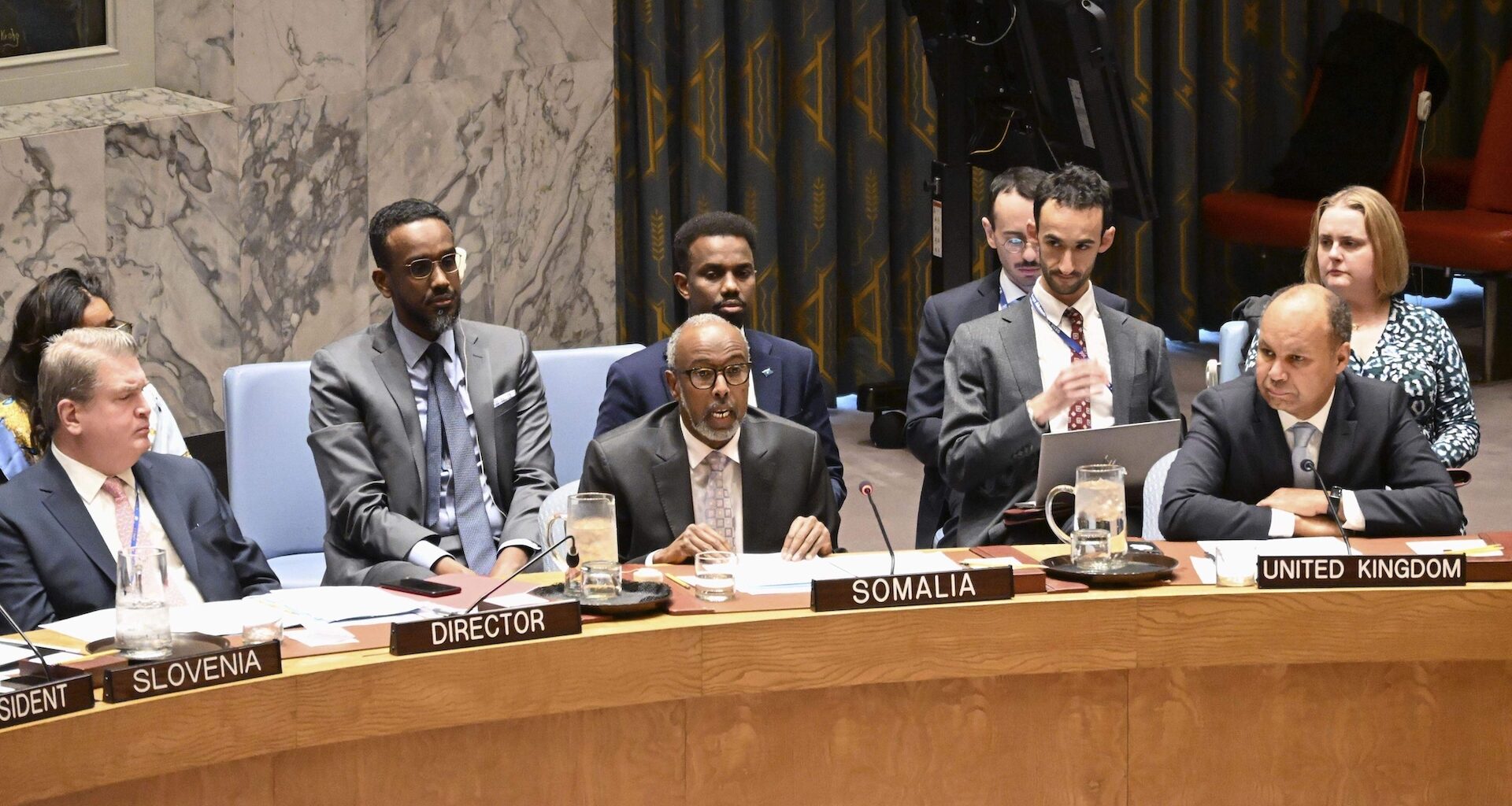
Israeli Prime Minister Benjamin Netanyahu triggered a global outcry last week when he announced the establishment of full diplomatic relations with the breakaway republic of Somaliland in northwestern Somalia. Within 48 hours of Netanyahu’s announcement, the African Union and the East African regional bloc that includes Somalia, the Intergovernmental Authority on Development, issued condemnations. Twenty African and Middle Eastern nations signed a joint statement denouncing the “illegal recognition.” The Arab League convened an emergency session in response, and Somalia, currently serving as a non-permanent member of the U.N. Security Council, secured an emergency meeting of the council Monday where most of its members—with the exception of the United States—spoke out against the move.
Somaliland declared independence in 1990 and functions as a de facto state, but until Israel’s announcement, no government had recognized it. For Somalia, which asserts sovereignty over Somaliland as a part of its internationally recognized territory, Israel’s recognition arrives at a particularly vulnerable moment. The federal government in Mogadishu is struggling to repel a sweeping offensive by the violent extremist group al-Shabab, and the new AU peace support mission in Somalia faces a severe funding gap due to spending cuts and delayed disbursements from the United Nations and the donor community. This shortfall threatens the mission’s ability to reimburse troop-contributing countries and conduct operations in territory controlled by al-Shabab.
To make matters worse, tensions are rising between the federal government of Somalia and the country’s member states ahead of national elections that, according to the constitution, are due to be held by May 2026. The main bones of contention are a proposed constitutional reform framework and President Hassan Sheikh Mohamud’s push for universal suffrage to replace Somalia’s indirect, clan-based electoral system. The states of Puntland and Jubaland, in particular, view these reforms as eroding their autonomy, and they and other opposition figures perceive the goal of “one person, one vote” as a ploy to extend Mohamud’s term. These disputes have occasionally escalated into armed clashes, undermining security cooperation and diverting resources from counterterrorism efforts.