

Published
31/12/2025 às 22:00
Updated
31/12/2025 às 22:01
A scientific expedition to the Serra do Divisor revealed the discovery of Tinamus resonans, a new species of bird described in the journal Zootaxa by researcher Marco Aurélio Crozariol and institutional partners.
Unique characteristics of the new tinamou species
A Tinamus resonans It belongs to the tinamous group and exclusively inhabits high-altitude areas of the Serra do Divisor mountain range. Scientists noted unprecedented combinations of plumage and vocalization for taxonomic confirmation.
The bird’s song is distinguished by long, powerful notes that echo off the mountain slopes. This rare acoustic effect inspired its scientific name. resonance, associated with local sound reverberation.
— ARTICLE CONTINUES BELOW —
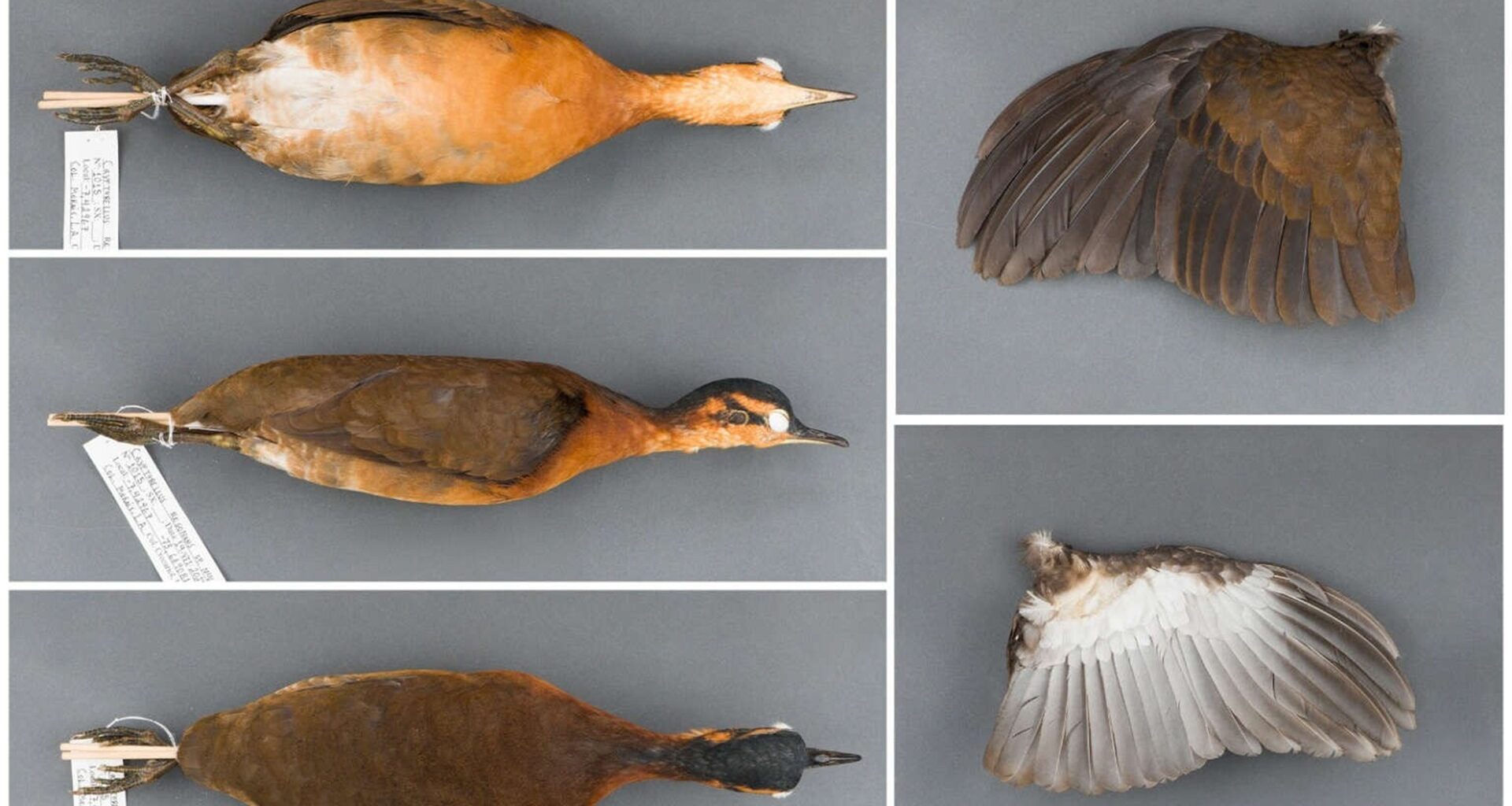
The Serra moorhen has a distinctive slate-gray mask-like pattern on its face. Its breast is reddish-brown, and its back is a uniform grayish-brown with no repetitions within the genus.
Data collection methodology and scientific importance.
Discovering a new species of bird is considered an extremely unusual event by researchers. The discovery necessitates the immediate collection of samples for deposit in scientific museum collections.
Marco Aurélio Crozariol participated in the investigation due to his extensive experience in fieldwork. He also has expertise in the technical preparation of bird specimens for museum collections.
Population estimates and restricted habitat
Expeditions have recorded the species at altitudes between 310 and 435 meters in the region. The habitat is a narrow transitional zone between submontane forest and dwarf forest.
The shallow soil and dense root system create a very specific environment. The study estimates the existence of approximately 2.100 individuals restricted to the Serra do Divisor massif.
Part of the collected specimens are currently deposited in the MHNCE/Uece collection. The institution contributed with fieldwork, technical documentation, and all the necessary taxonomic analysis.
Environmental preservation and threats to the territory.
The samples confirm the original characteristics of the described animal for future reference. Having these items in the collection makes the museum a center of reference in the knowledge of biodiversity.
Disseminating these discoveries brings the public closer to museums and demonstrates social relevance. This strengthens the scientific mission, increases institutional visibility, and attracts new partners and investments.
The Serra do Divisor is one of the least studied areas of Amazon Brazilian. There are proposals to downgrade the National Park to an Environmental Protection Area, allowing for infrastructure projects.
The discovery reinforces the importance of conserving the region against mineral exploitation. The find could contribute to strengthening ecotourism and preserving local biodiversity.
The research was developed by MHNCE/Uece, Museu Nacional/UFRJ, UFSCar, and the Secretariat of the Environment. The complete study with detailed data is available in the published scientific article.