
At HHGA, our annual Top 60 Best Hip Hop Albums of the Year is always a labor of love, distilling the year’s most impactful releases into a definitive ranking that celebrates the genre’s evolution and artistry. But as any true head knows, the line between the elite and the exceptional can be razor-thin. Beyond our main list, we curated an expansive roundup of honorable mentions—hundreds of strong contenders that deserved a shoutout, even if they didn’t crack the top tier. Some of these were solid efforts, while others were straight fire that were hard to leave off the main list.
That’s where this spotlight comes in: we’re diving into ten standout albums—often from high-profile artists—that barely missed the cut for our Top 60. These joints could easily have slotted into the lower half of the main list on a different day, edged out by the slimmest of margins in our deliberations. Whether it was a matter of recency bias, thematic depth, or simply how they stacked up against the competition, they represent the kind of quality that keeps Hip Hop thriving. Let’s break down why these notable omissions still demand your rotation.
Reuben Vincent & 9th Wonder – Welcome Home

Welcome Home unites Reuben Vincent with producer 9th Wonder on an album anchored in purpose, faith, and North Carolina roots. The record advances with consistent poise, molded by 9th’s production—soul samples that unfold gradually, drums that land crisp, bass that pulses with depth. These elements create openness; they offer Reuben space to articulate his thoughts.
Reuben raps with sharpness and feeling, characterized by development and poise. He conveys appreciation for his experiences and those who influenced him across the tracks. “HOMECOMING” launches with rooted assurance, while “QUEEN CITY” honors his city with precision and respect. “GOD’S CHILDREN,” featuring Ab-Soul, fuses recollection with insight, as the artists swap verses on inheritance and conviction. Entries like “ISSA DEE” and “GET IT GIRL” with Wale inject vibrant energy, loaded with drive and cadence, whereas “CUP OF LOVE (FOOLS)” alongside Raphael Saadiq turns toward harmony and sentiment.
The arrangement builds a distinct flow—initiating with arrival, progressing through pursuit and examination, concluding in recognition. 9th Wonder’s reliable oversight as producer sustains harmony, his approach directing Reuben without intrusion.
Nothing wrong appears in this album. It lasts an hour, and we value thorough creations like this over rushed 30-minute efforts. The experience glides effortlessly from beginning to close. The work just missed that extra spark for our top 60, though its fit there is evident.
Welcome Home asserts a rising rapper forming his presence with restraint and expertise. Lines hold clear aim, beats align with care. The music emphasizes links over spectacle, proof that Hip Hop progresses via persistence, skill, and sincere value for beginnings.
Chance The Rapper – Star Line
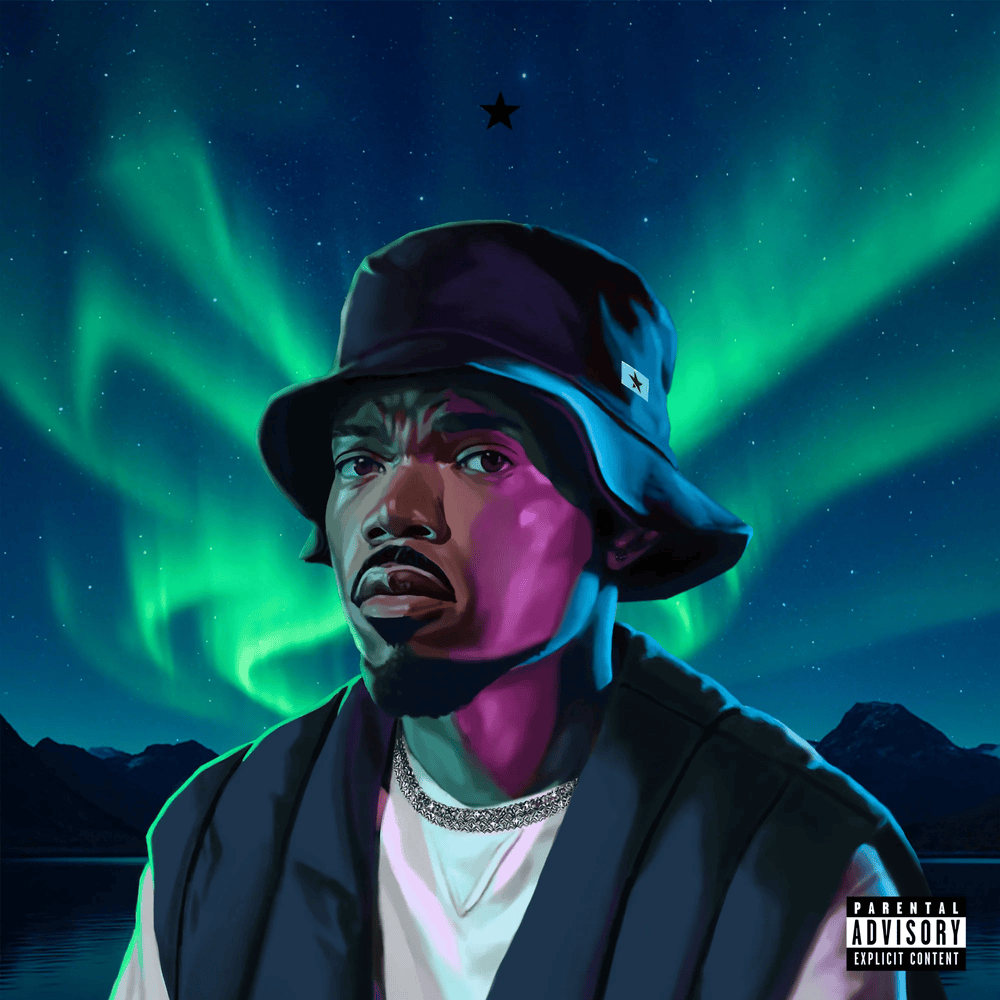
Star Line dropped as Chance The Rapper’s project following 2019’s The Big Day, blending lively Hip Hop with Chicago influences and soulful touches. The audio merges brass instruments and rhythmic patterns, reminiscent of warm evenings in the city. “Star Side Intro” starts with sharp percussion and Chance’s steady cadence, integrating ideas on advancement. “No More Old Men,” with Jamila Woods, radiates lyrical depth over keyboard notes, while “Drapetomania” pulses with vigorous low-end and rapid verses.
The collection varies in intensity. “The Highs & The Lows,” featuring Joey Bada$$, echoes earlier eras with groove. “Tree,” alongside Lil Wayne, proceeds at a leisurely tempo with mismatched sections. Chance’s wordplay excels on “Letters,” confronting conviction and unfairness with vigor. Producers DexLvL and Rodney Jerkins craft clean arrangements, although the extensive lineup spreads attention thin. Contributions from Jay Electronica and Jazmine Sullivan invigorate, whereas Young Thug’s addition weakens.
Maturity defines the content, delving into sober existence, fame’s dangers, and direction after hardship. Nostalgia infuses the energy of past mixtapes with polished layers and layered narratives. Vulnerability surfaces in accounts of recovery and strength. “Space & Time” delivers emotional weight as a follow-up to prior material. “Pretty” enchants with sturdy charm, and “Speed Of Light” expands into multifaceted sound. “Just a Drop” lands flat in spots.
We liked this album; plenty of highs exist. Lows appear too though, creating a mixed feel. The sing-songy parts fail to excite us. But highs dominate, and the general atmosphere impresses—a definite return to form after 2019’s spectacularly awful The Big Day. The record missed an extra edge for our top 60, though it was close. Lines carry intent, rhythms align deliberately. The music prioritizes substance over excess, evidence that Chance advances through dedication, technique, and authentic regard for origins.
JID – God Does Like Ugly
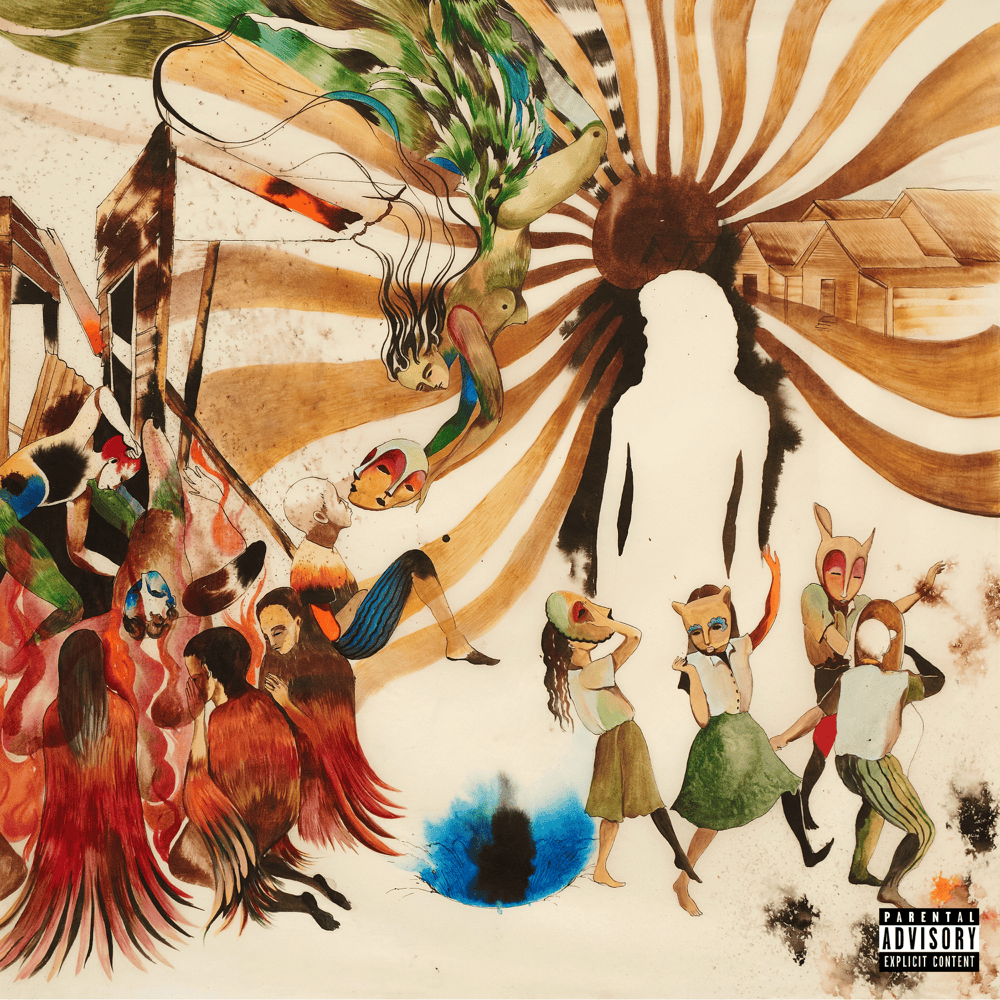
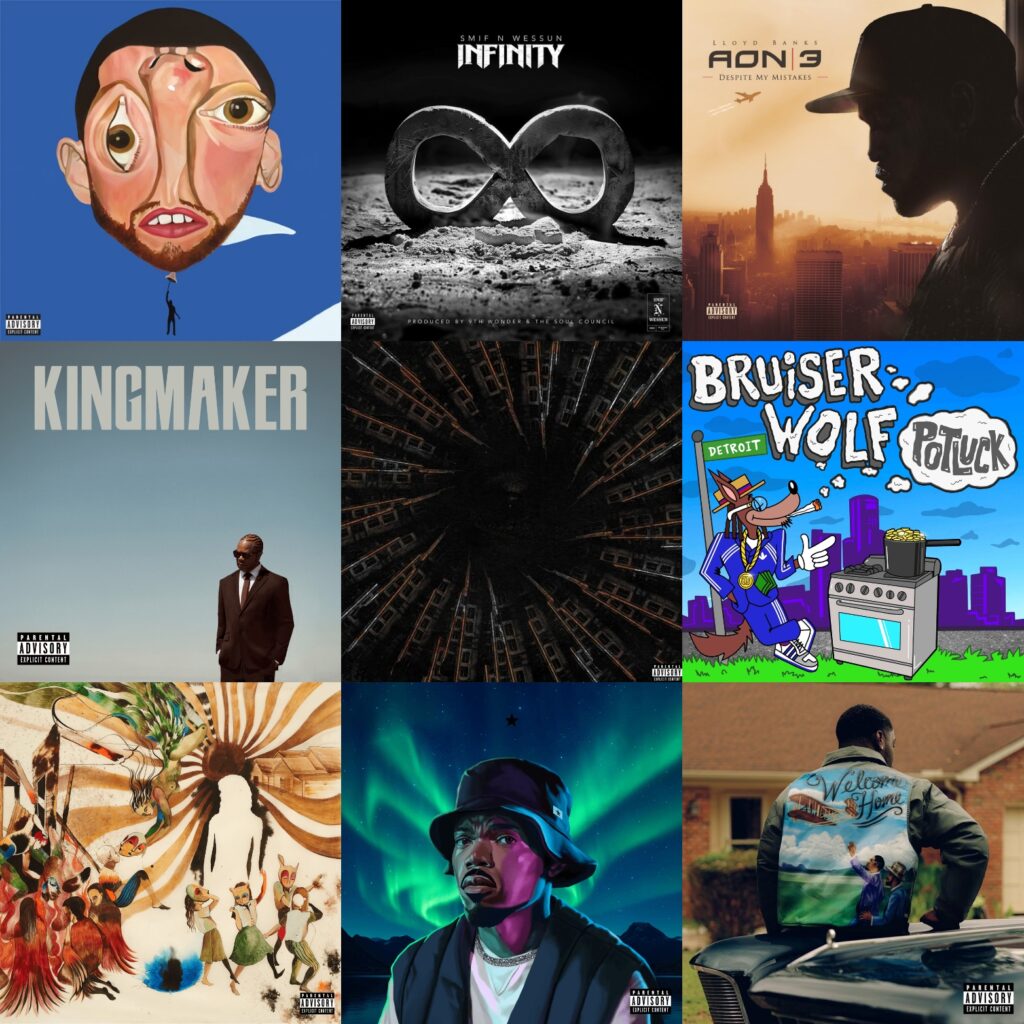
God Does Like Ugly is JID’s fourth studio album, a 15-track, 58-minute collection immersed in gritty, soulful Hip Hop, driven by the Atlanta artist’s intricate rhymes and persistent drive. Following 2022’s monumental The Forever Story, this record carries a turbulent, intense atmosphere, akin to a raw address amid urban glow. Production from Childish Major, Lex Luger, and Boi-1da incorporates distorted loops and deep low-end, forming an active, narrative-driven foundation. “YouUgly,” with Westside Gunn, begins with pounding 808s and abrupt shifts, JID’s quick-paced delivery cutting into examinations of recognition and hardship.
Audio elements evolve across the record, from the spiritual tones of “Glory,” where JID’s thoughtful lines on his brother’s imprisonment float over soulful cycles by Beatnick Dee, to the forceful, low-heavy “WRK,” an energizing piece with Southern rhythm. “Community,” featuring Clipse, stacks eerie vocals and thick percussion, as JID and Pusha T exchange detailed accounts of structural challenges. Intensity builds on “Of Blue,” a lengthy track with Mereba’s gentle singing and varied transitions, from quiet strings to lively brass, while JID explores belief and intent.
Appearances by Vince Staples, Ciara, and EarthGang provide variety, although “What We On” with Don Toliver shifts to slower, trap-focused sections that reduce pace. JID’s rhythmic accuracy dominates, particularly on “K-Word,” where Pastor Troy’s rough tone enhances string elements and JID’s narrative-driven verses. The finale “For Keeps” delivers a textured, appreciative look at ascent.
Spiritual elements define the material, addressing religion, economy, and parenthood with murky rhythms and open expressions. Lyrical agility appears in swift patterns and fluid changes. “VCRs” excels with smooth exchanges alongside Vince Staples. “Sk8” draws from bass styles, highlighting vocal range and bold arrangements, but this one is too ‘poppy’ for our tastes.
We admire the scope and ambition here; this ranks as one of two albums on this list that maybe should have made the main list. The more pop-oriented parts and a couple of skippable tracks in the middle caused it to just miss the cut. The work asserts an artist expanding his range with intensity and vision. Verses maintain focus, beats connect purposefully. The music stresses endurance over simplicity, indication that Hip Hop develops through commitment, proficiency, and true appreciation for foundations.
Bruiser Wolf – Potluck
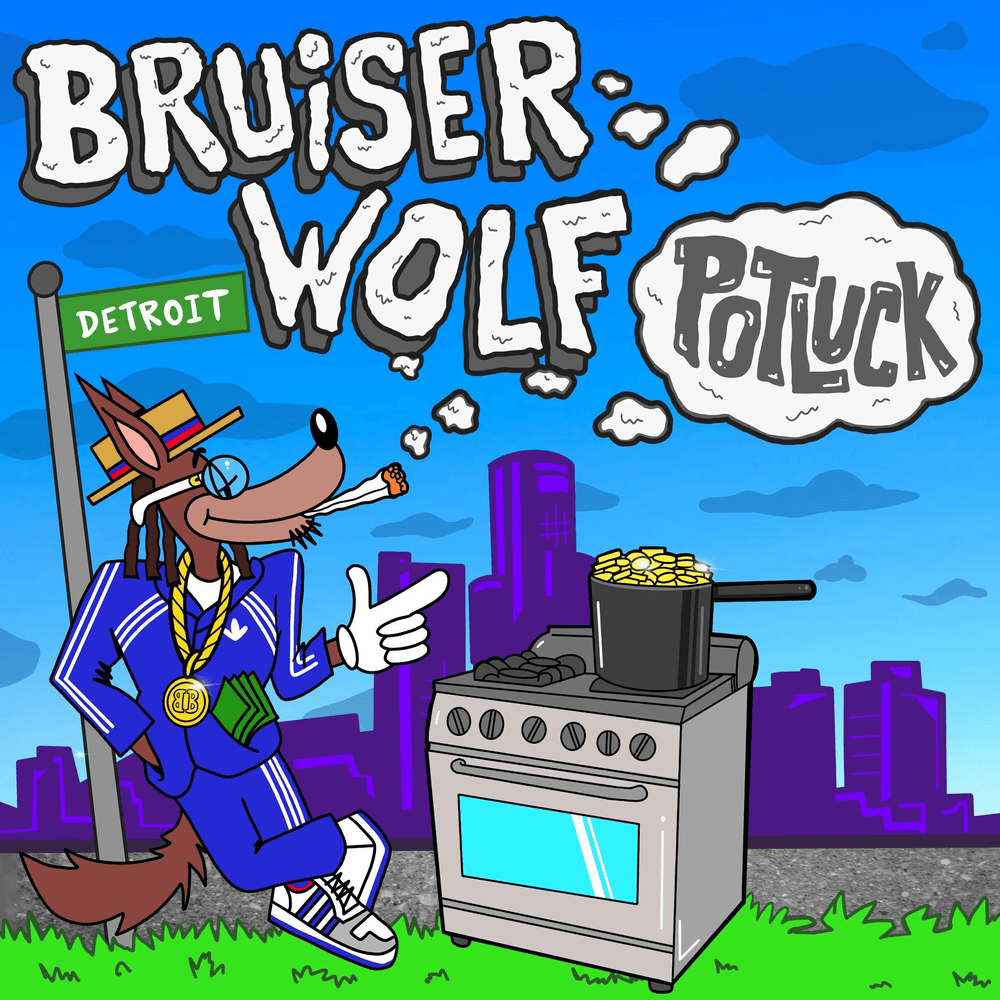
Potluck expands Bruiser Wolf’s approach, incorporating sharp humor, odd observations on street existence, and rhythmic chants across varied beats that range from aged samples to hazy trap and relaxed jazz. His voice defines the experience—part spoken, part intoned, broken into irregular patterns that alternate between comedic pauses and uneven spiritual cadence. On “Air Fryer,” Harry Fraud provides a repetitive loop where Wolf transforms appliance references into drug narratives, maintaining tension like a puzzle enclosed tightly. “Say No More” moves with an upbeat texture from Knxwledge, as Wolf confronts criticism and delivers quips with bold assurance.
Challenges emerge in the latter sections, where duration extends and some rhythms weaken, causing repetitions in the wit. Entries like “Whippin” and “Beat the Charge” succeed through stronger foundations in the audio and clearer refrains. “Fancy” surprises with glossy synth elements and concise exchanges alongside Fat Ray, resembling casual passes in a vehicle. The project lacks complete tightness, yet overflows with personality, unusual timings, and a unique presence in Hip Hop executed deliberately—imperfect, intentional.
Themes center on daily navigation amid maturity, blending family duties with trade realities. Critics note the mix of confrontational lines and lighthearted puns, with his elevated tone and dialogue-like flow standing out. Production draws from contributors like Jake One, Nicholas Craven, and F1LTHY, creating broad audio shifts from soulful arrangements to bold Detroit elements. “Pee-wee Herman” gains attention for its playful structure with Chilly Gonzales. “Trust Issues” draws acclaim for heartfelt examination of prominence and betrayal. “Guns & Squares” features crisp work and a notable appearance from Sir Michael Rocks. “Over Looks” ends with honest affection, hinting at narrative depth ahead.
We love Bruiser Wolf for his idiosyncratic style, but this style requires a specific mindset to engage with him; it lacks consistent pull for us. That explains the absence from the main list, despite abundant pleasures here. The album declares an artist refining his voice with eccentricity and flair. Phrases land with purpose, sounds link intentionally. The music favors individuality over conformity, sign that Hip Hop evolves via originality, mastery, and real esteem for sources.
Rome Streetz & Conductor Williams – Trainspotting
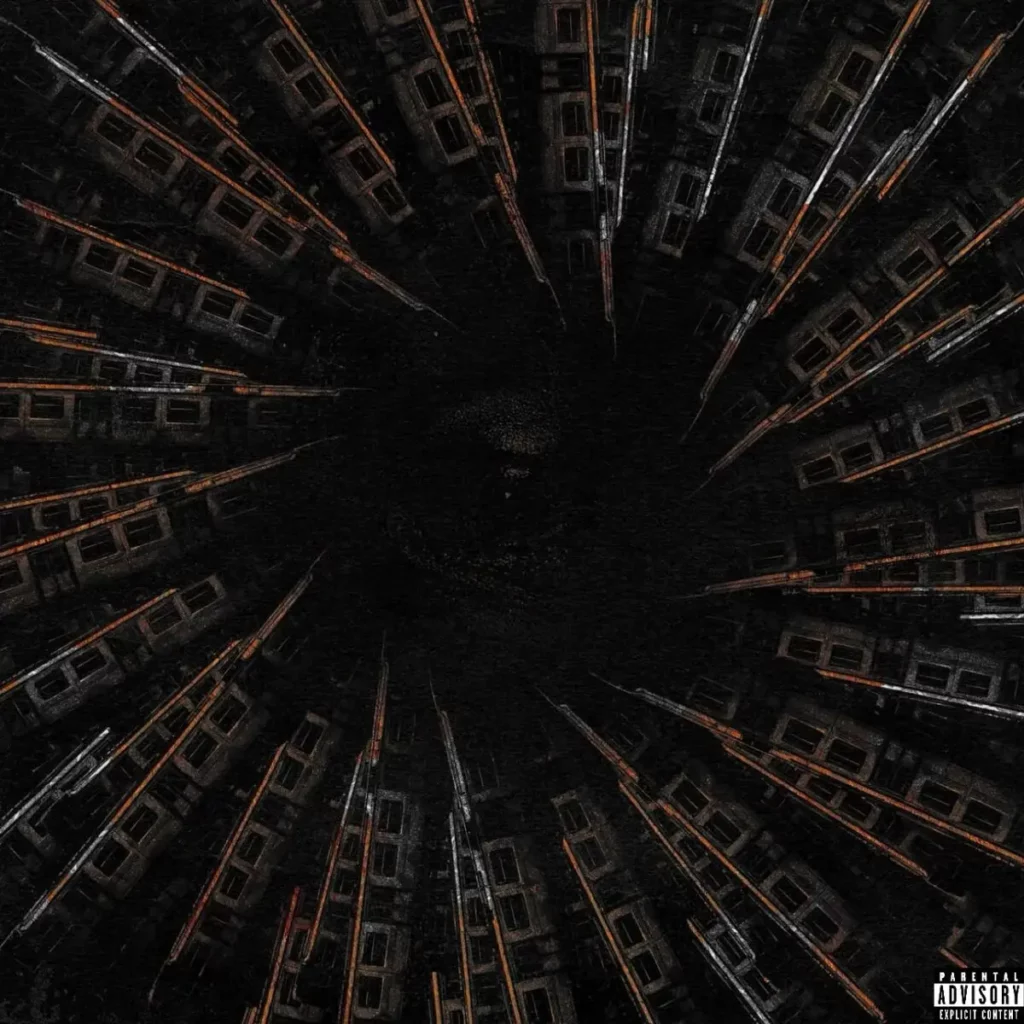
Trainspotting brings together Rome Streetz and Conductor Williams for a lean, deliberate collaboration that trades flash for focus. Over stripped-down yet layered production, Rome performs with his usual composure—nimble, incisive, fully in command. His delivery cuts clean through the grit of Conductor’s loops, his voice anchoring each track with surgical precision. Cuts like “Ricky Bobby” and “Rule 4080” show his instincts at their sharpest: vivid imagery, tight phrasing, no filler in sight. Method Man slides in for a grounded feature, though Rome never relinquishes control.
Conductor approaches the record with a minimalist touch—dry drums, looping textures, and incremental builds that leave plenty of space for Rome to operate. The formula builds momentum, but its repetition sometimes undercuts the tension it creates. His now-familiar producer tag—“CONDUCTOR, WE HAVE A PROBLEM”—becomes more of an irritation than a rallying cry as the record unfolds. At times, the production’s looping structure slips from hypnotic into redundant.
At just 33 minutes, Trainspotting ends quickly, perhaps too soon. Its brevity keeps it tight and disciplined but leaves room for what could’ve been a deeper or more expansive statement. Even so, the chemistry between rapper and producer holds strong. Rome’s craft is front and center—intricate cadences, clean transitions, and a rhythmic authority few peers can match—while Conductor’s warm, analog sound grounds the performance in texture and grit. “Resource Room” stands as a highlight for its clarity and momentum, encapsulating the project’s best balance of tone and control.
Rome Streetz has long proven himself one of the generation’s premier emcees, and Trainspotting reinforces that reputation, even if it stops short of full immersion. We prefer other Rome Streetz releases like his Nose Candy series and his masterpiece Kiss The Ring; this one plays more like a concentrated study—dense, disciplined, and deliberately narrow. The overuse of Conductor’s producer tag and the project’s brevity kept it off our main Top 60 list, but not without serious consideration.
In the end, Trainspotting stands as a reminder of what makes Rome Streetz so reliable: precision, patience, and respect for the fundamentals. It may not reinvent his formula, but it reaffirms his consistency—and that’s no small feat in a landscape chasing short-term peaks.
Xzibit – Kingmaker
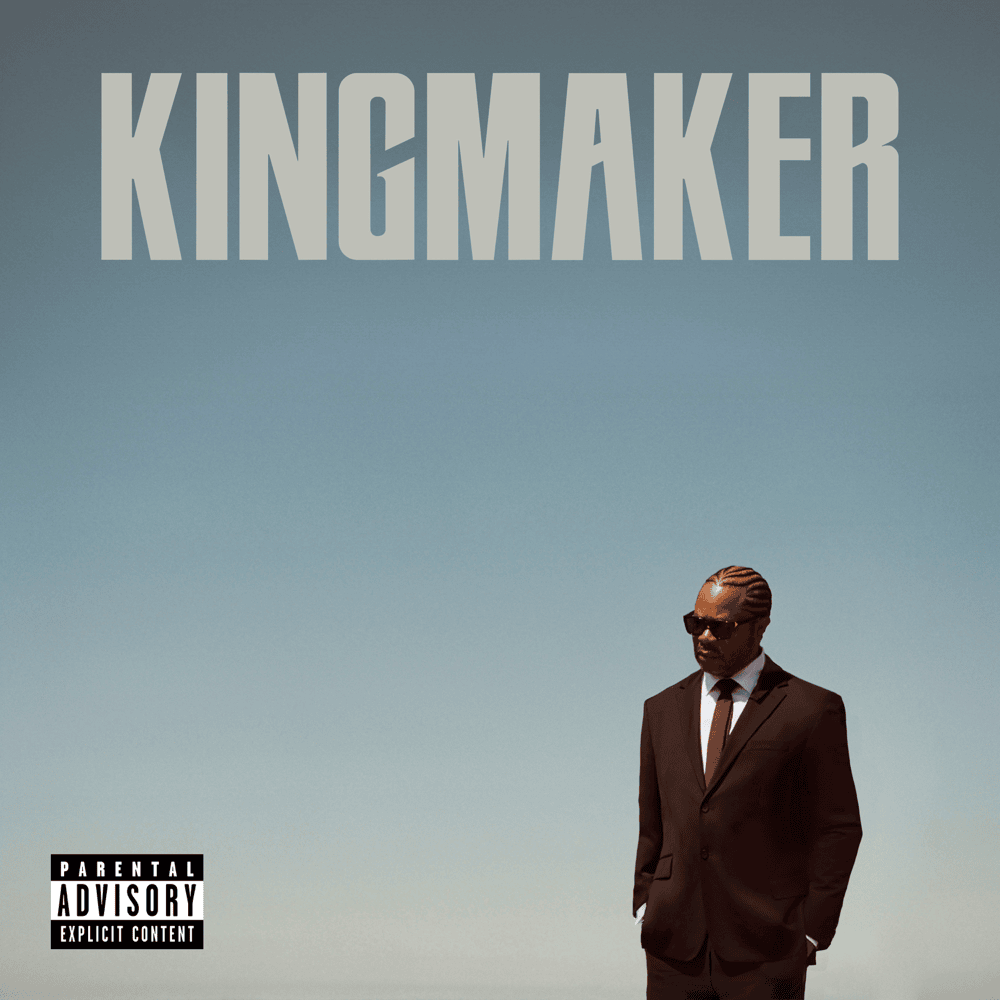
2025 was a strong year for Hip Hop veterans. Nas led the charge with his Legend Has It series, but in that same light, Xzibit returned with Kingmaker—a commanding, late-career project that showed his craft still cuts deep. While West Coast contemporaries like Snoop Dogg, Too Short, and especially Ice Cube struggled to regain form with their 2025 drops, Xzibit moved in the opposite direction, refining his voice with precision and control.
Kingmaker opens with power and balance. The beats hit hard, loaded with live instrumentation and thick low-end grit. Xzibit moves through each track with the timing of someone who never left. “Play This at My Funeral” and “Been a Long Time 2” hit with direct energy—tight drums, strong presence, no excess. “The Moment” brings Busta Rhymes and JasonMartin into the mix for a burst of high-tempo chemistry, while “Earth Is Over” leans into horn-driven realism that fits Xzibit’s tone with ease.
The production varies from sharp boom-bap to smooth, mid-tempo weight. “Leave Me Alone” finds him locking into a slower, organ-based pocket alongside Dr. Dre, while “Crash,” with Royce da 5’9”, adds technical precision and focus. Guest appearances from Redman, Ice Cube, King Tee, T, and B-Real give the record color without crowding Xzibit’s authority.
His writing is tight and experienced. He draws from memory without nostalgia, using short, direct phrases that carry weight. Not every track hits with the same force, and some production choices lean toward filler, but his consistency never wavers.
Kingmaker is confident and grounded—an album that reminds listeners that Xzibit is still one of the West’s most disciplined voices. The record avoids trend-chasing and stays rooted in skill, rhythm, and perspective. It isn’t flashy, but it carries purpose through every verse and every bar.
Lloyd Banks – A.O.N. 3: DESPITE MY MISTAKES
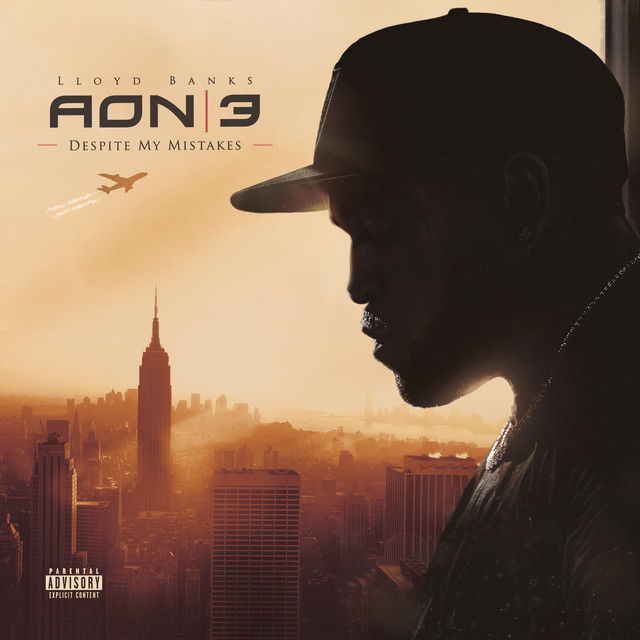
With A.O.N. 3: Despite My Mistakes, Lloyd Banks dropped another reminder that experience can sharpen an emcee’s edge. Released in April as he turned 43, the Queens veteran delivered his 20th mixtape with the same composure and focus that made his early G‑Unit run so distinct. The project extends his All or Nothing series with a heavy mix of reflection, grit, and tactical rhyme work.
The album runs long—67 minutes across eighteen tracks—and works through piano-driven loops, slow drums, and ghostly samples. The tempo stays low, giving Banks the space to weave detail through tight rhyme structures and deliberate pacing. The production keeps a shadowed atmosphere, rarely breaking from its midtempo pulse. That consistency fits his introspective tone but also limits variety; by the album’s back half, the beats start to blur into each other.
Lyrically, Banks sounds sharp and deliberate. His punchlines are fewer, replaced by measured accounts of time, loyalty, and restraint. “Despite My Mistakes” with Styles P sets the mood: weathered perspective and earned composure. “Endangered Innocence” with Ghostface Killah deepens the tone over Nicholas Craven’s soulful loop, while “1982” with Ransom reaffirms Banks’s technical form. Cuts like “High Powered” and “No Info” stand near the top—dense with layered verses and timing that shows his pen remains disciplined.
The guest list brings capable voices without breaking the album’s uniform tone. The structure—three full verses per track—reminds listeners how few rappers still treat songs with that attention to form. If anything held Despite My Mistakes back from the main list, it was the production’s sameness, not Banks’s performance.
Alongside JID’s God Does Like Ugly, this was the closest to inclusion on our main list—a focused, mature, technically precise project that confirms Lloyd Banks hasn’t lost a step, only refined his control.
Smif-N-Wessun – Infinity
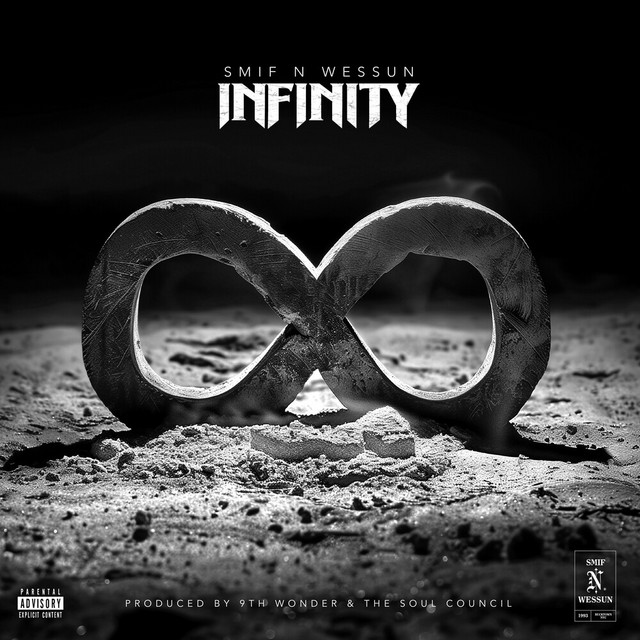
Infinity is Smif-N-Wessun’s seventh studio album and their first in six years—a return shaped by reflection and polish. Tek and Steele link with The Soul Council for fourteen tracks that lean smooth and measured rather than raw and combative. The result is a crisp, focused project that trades street grit for composure.
The title track, produced by Khrysis, opens on steady drums and mellow bass, Tek’s line “We here forever” setting the tone. The mood stays grounded from there. “Medina” with Pharoahe Monch hits hardest—Sndtrak’s gospel-streaked loop and Monch’s verse spark the record’s most charged moment. 9th Wonder’s “Enjoy Ya Life” offers a soulful drift with Steele’s reminder to “make the best of the time we got,” while “On My Soul” with Buckshot brings familiar Duck Down chemistry—loyal, laid-back, confident. “Bad Guy,” produced by Nottz, closes the album on a darker charge, guitars cutting through the calm.
Guests like Conway the Machine, Ghostface Killah, and a posthumous Sean Price appearance keep the energy rooted in lineage. The production is airtight—every snare gleams, every vocal sample placed with care. That precision, though, edges toward gloss. The R&B hooks, like Ralph Tresvant’s turn on “Shine,” cool the impact more than they enhance it. Where earlier albums thrived on rough texture, Infinity opts for smoothness.
Lyrically, Tek and Steele stay in control. Their bars speak from experience, their flows careful and exact. The problem isn’t performance—it’s uniform tone. The beats begin to melt together, keeping the record from hitting harder.
Infinity is mature and consistent, built with steady craft. The production’s polish outweighs its bite, but Smif-N-Wessun’s skill keeps the core intact. Their voices remain distinct, even when the beats around them shine too brightly for their shadows to fully stretch. Still, in the shadow of Nas’ Legend Has It series, another strong 2025 effort from a veteran act.
Mac Miller – Balloonerism

Balloonerism, recorded in 2014 but released more than a decade later, is Mac Miller’s second posthumous album and one of the most quietly affecting Hip Hop releases of 2025. It pulls from a point when Miller was drifting into jazz-fusion experimentation, searching for balance between darkness and peace. The production is loose and atmospheric—warm basslines, soft drums, and slow-moving chord changes tying it all together.
The tracks bleed into one another with a dreamlike precision. “Mrs. Deborah Downer” rides on a lazy groove that feels lived-in, while “Stoned” floats on delicate percussion and fuzzed guitar tones. “5 Dollar Pony Rides” pairs jittery piano with a somber narrative about escapism, and “Rick’s Piano” moves from quiet humor into meditations on heaven and fear, a portrait of vulnerability that now carries heavier meaning. The near twelve-minute “Tomorrow Will Never Know” lingers in its own stillness, mixing voice notes, unanswered calls, and layered keys into something haunting.
Miller’s voice is weary but deliberate. His delivery blurs singing and rapping, carried by phrasing that sounds improvised but never careless. The musicianship behind him—Thundercat’s bass work, airy keyboard touches, and subtle drum programming—gives the record an organic pulse. There’s intimacy here, but not sentimentality. Every track sounds like a thought that turned into a groove before fading away.
We liked Balloonerism a lot. As far as posthumous albums go, it’s cohesive, personal, and technically rich—music built from instinct rather than formula. The only reason it missed our main list is its age; the material naturally is not new. We realize that logic feels shaky when we included Big L on the main list, but there you go. Old material or not, Balloonerism is a full and human record, proof that Mac Miller’s creative reach was still expanding, even in unreleased corners of his archive.
KRS-One – Temple Of Hip Hop Global Awareness
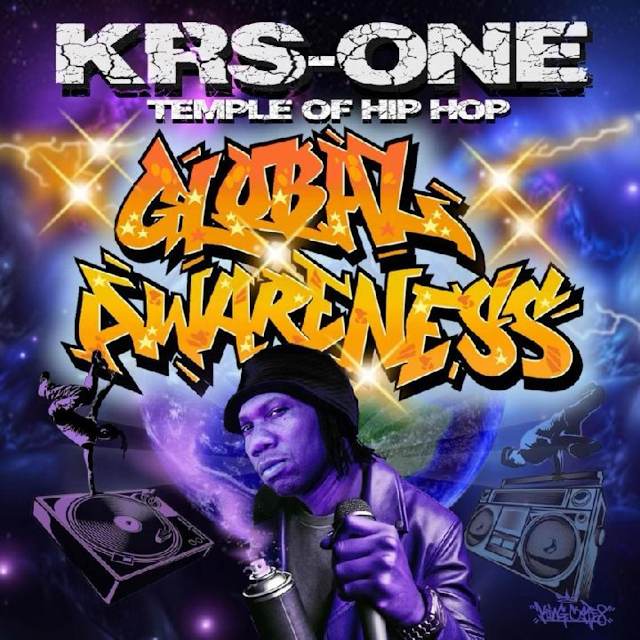
KRS-One’s Temple of Hip Hop Global Awareness arrived in 2025 with little noise—no campaign, no rollout, just The Teacha moving on his own code. Quietly released alongside a European tour with cheap homemade cover art, the album is stripped down to its core: sharp bars, dry snares, and an unshakable conviction in Hip Hop’s roots. At 59, KRS still raps with the physicality of a live performer. His voice is raw, commanding, and assertive, every syllable landing with purpose.
The album runs about 35 minutes, built from skeletal beats and loose arrangements clearly designed for stage performance. There are no featured producers listed, and the sound stays rough—the kind of unvarnished energy that defined By All Means Necessary decades ago, only leaner. “Street Rap” and “Let It Go” deliver classic KRS grit, turning minimalist backdrops into lessons. “Aight” hits with call-and-response energy made to light up small venues, while “50 More Years of Hip Hop” scans as both defiance and prophecy, with KRS declaring he’s still not done preaching the culture’s creed.
When the mix tightens, the old brilliance flickers. “The Sound You Miss” plays out like a manifesto for purists, and “How Long Demma Steal” channels his Caribbean lilt into a pointed cultural critique. The record’s tone shifts between sermon and cipher, the voice of a man whose rhythm reflects decades of repetition and belief.
The rough edges remain part of the appeal. The lo-fi presentation underscores his independence but limits replay value; these ideas often sound like sketches rather than finished statements. Still, Temple of Hip Hop Global Awareness proves KRS-One hasn’t slowed. His cadence still punches hard, his perspective hasn’t diluted, and his self-declared mission—to keep Hip Hop informed, not commercialized—still holds. We only hope that, at least one more time, KRS connects with a top-tier producer (DJ Premier? Apollo Brown?) and a proper label push. Those beats and that promo muscle could give his pedigree the louder stage it deserves. In a year when many veterans left strong marks, a KRS-One drop should have been a much bigger event.
As it is, Temple of Hip Hop Global Awareness is a very low-key reminder of why KRS One is one of the GOATS.