
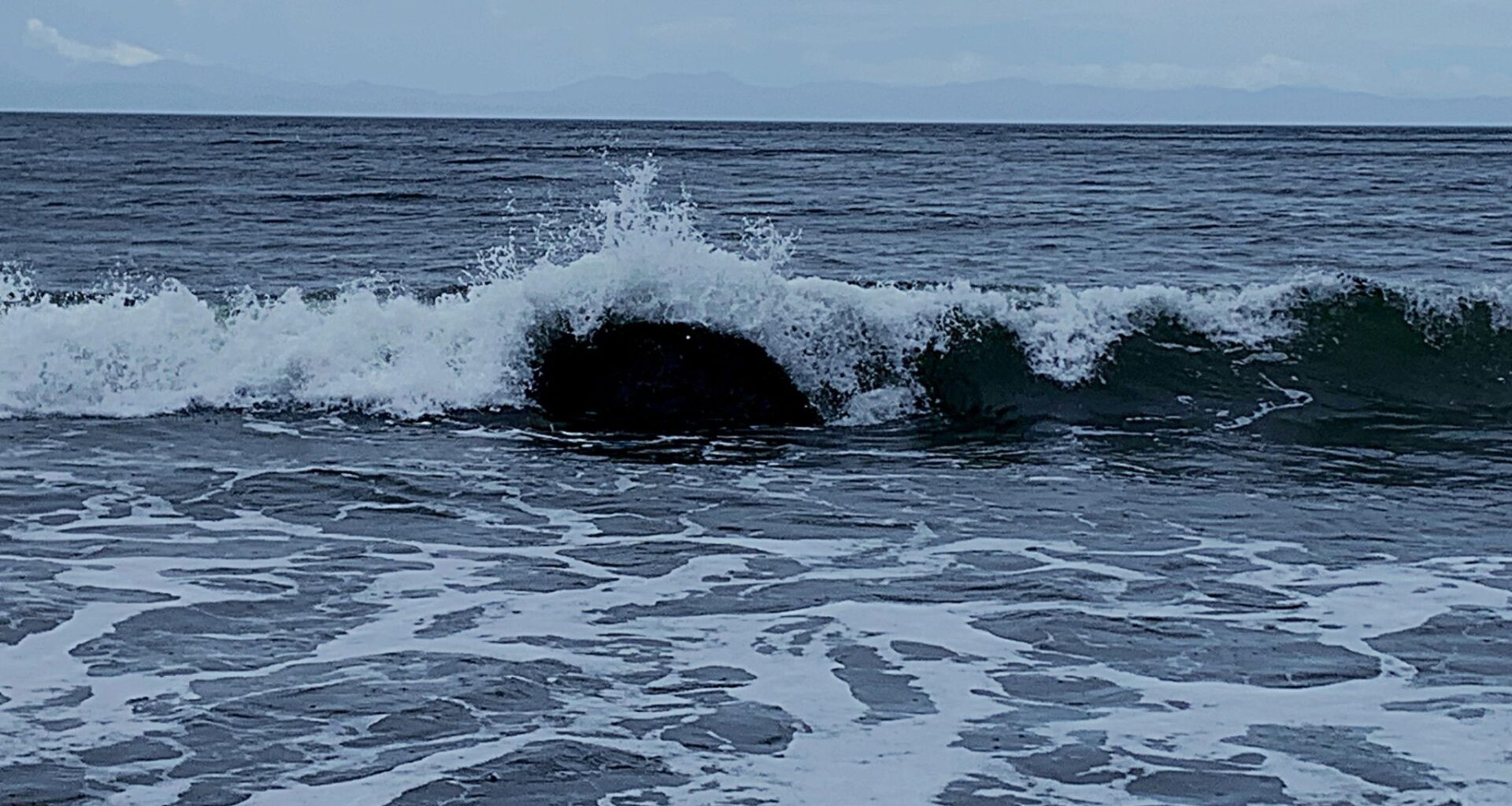
A combination of factors has led to Environment and Climate Change Canada (ECCC) issuing a coastal flooding statement for Metro Vancouver.
ECCC states that the South Coast is entering a period of high astronomical tides as Earth reaches perihelion, or when the Earth is closest to the sun. ECCC refers to the high tides as “abnormal.”
That, combined with a low-pressure system, has led to an increased risk of mild or moderate flooding along the Metro Vancouver coast.
ECCC says that the falling pressure in the region could lead to elevated water levels, increasing the risk of coastal flooding.
The statement is in effect for this weekend, with Sunday bringing the highest chance of coastal flooding.
“The exact track and timing of the low-pressure centre remain uncertain at the moment. Wind strength will be contingent on the position of the low,” ECCC said in its statement.
It adds, “Moderate winds and storm surge can lead to washed-up debris and erosion along coastal areas. Minor to moderate coastal flooding is likely along exposed shorelines, especially in the low-lying areas.”
ECCC also adds that there’s a risk of “locally significant flooding,” particularly in places where onshore winds “compound on the highest tides.”
“Roads and walkways may be difficult to navigate due to flooding and/or debris, such as driftwood and rocks.”
Wet conditions could make things worse as Metro Vancouver is potentially in for lots of rain over the next week, according to the latest ECCC forecast. There’s also a chance of snow.

ECCC