
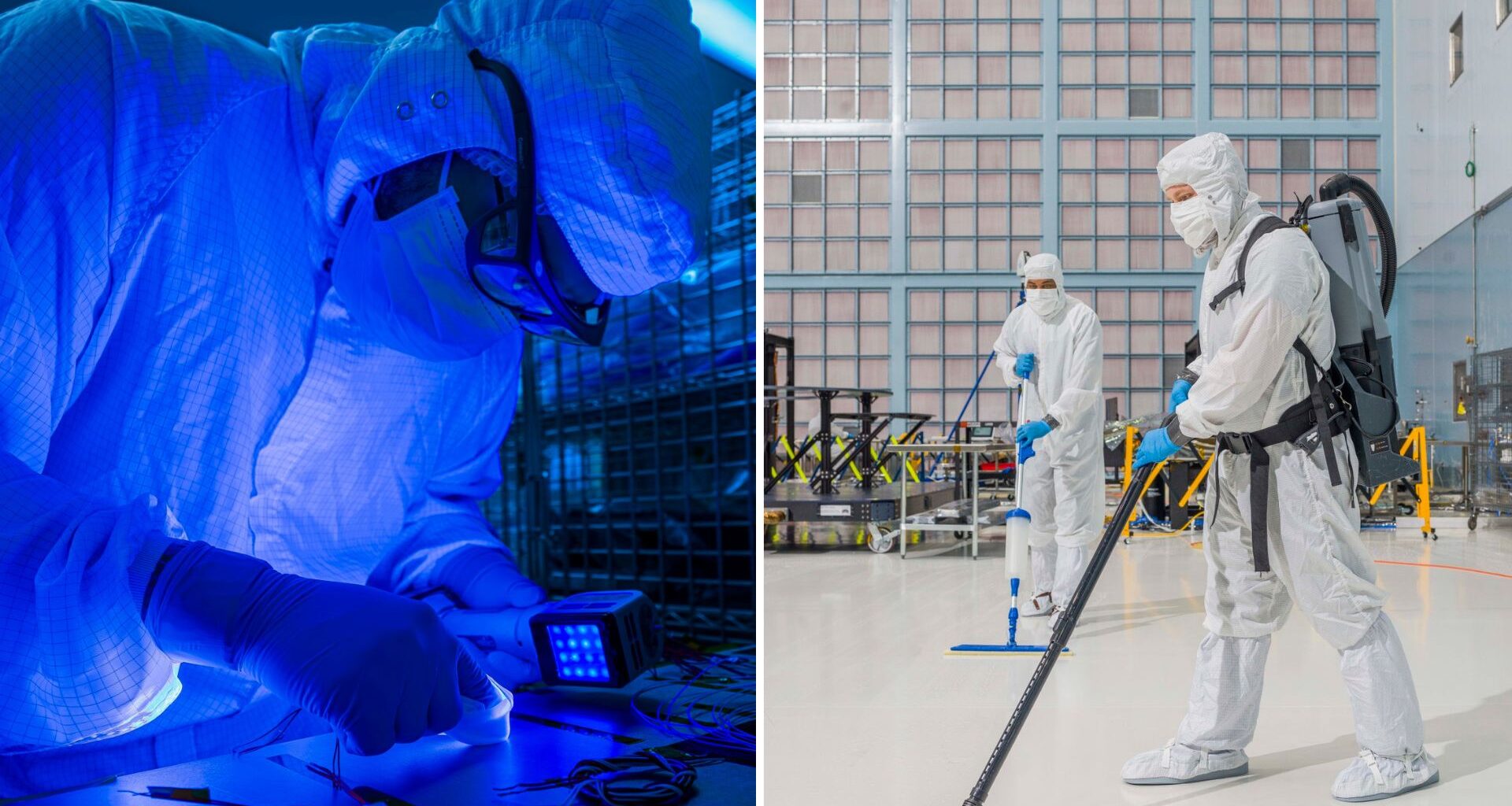
NASA has some of the cleanest rooms in the world to prevent contamination. But some microbes have found a way inside these sterilized spaces.
Scientists have discovered 26 new bacterial species that survived the extreme sterilization protocols of NASA cleanrooms during the assembly of the Phoenix Mars Lander at the Kennedy Space Center in Florida.
It’s a revelation that has scientists both scratching their heads and buzzing with excitement. These tiny organisms survived blasts of radiation, intense chemical scrubbing, and near-zero humidity.
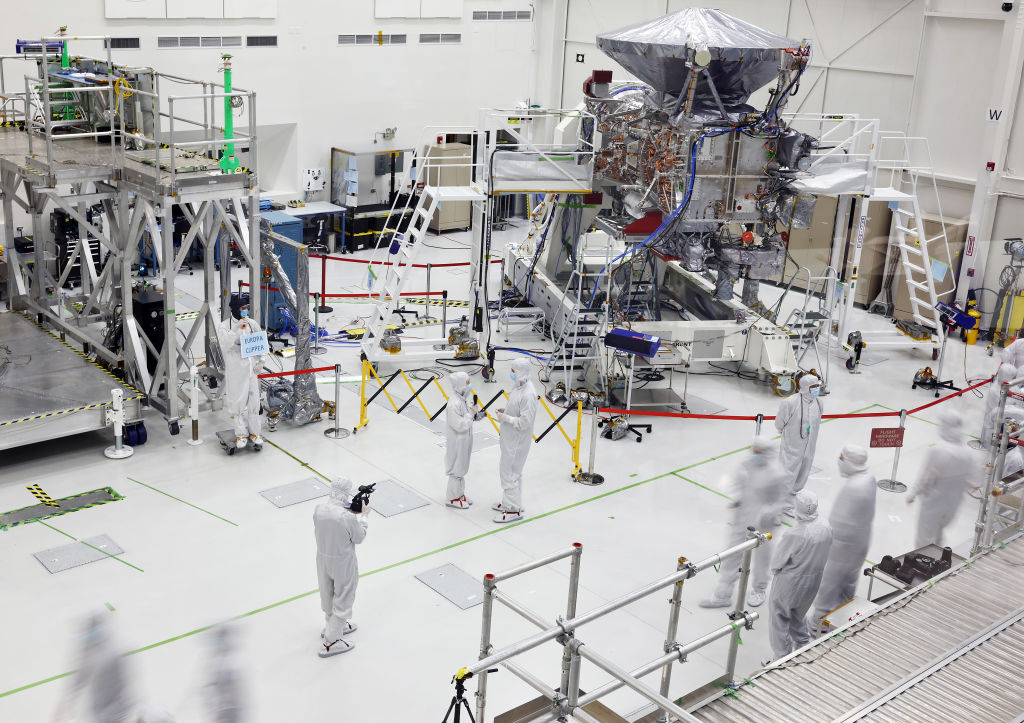 A look at NASA’s cleanroom assembly facility. Photo by Mario Tama/Getty Images)
Cleanroom survivors
NASA’s assembly facilities are specifically designed to be inhospitable to microbial life.
Continuously filtered air, strict humidity controls, repeated chemical treatments, UV light – every measure is taken to prevent Earth organisms from catching a ride to other worlds. Yet, these new species adapted.
In 2007, NASA researchers collected 215 bacterial strains from the floors of the Phoenix lander’s assembly facility at various stages of mission preparation.
While scientists at the time lacked the tools to identify these microbes, advancements in DNA sequencing over the last 17 years have finally allowed them to map the genetic profiles of these species.
An international research team has now identified a suite of genetic tricks these hardy bacterial species have evolved that acts like a “multilevel defense” to survive extreme sterilization.
These include the ability to form sticky biofilms that anchor them to surfaces, robust DNA repair mechanisms to counter radiation damage, and the capacity to form tough, dormant spores that endure even the most punishing conditions.
This raises a critical question: Could these ultimate hitchhikers survive a journey to Mars?
Alexandre Rosado, a professor of Bioscience at King Abdullah University of Science and Technology in Saudi Arabia, stated, “Several species do carry genes that may help them adapt to the stresses of spaceflight.”
Live Science reported that the microbe’s survival would depend on how it handles harsh conditions both during space travel and on Mars. However, these factors have not yet been tested by the team.
Planetary simulation battle
To assess the risk of interplanetary contamination, researchers are constructing a planetary simulation chamber at King Abdullah University of Science and Technology.
This chamber, set for pilot experiments in early 2026, will recreate the brutal conditions of spaceflight and Mars, like low pressure, high radiation, and extreme temperature swings. The goal is to observe how these hardy microbes fare.
Understanding whether these microbes can bypass existing safeguards is vital for planetary protection, as any organism that survives NASA’s cleanrooms could potentially compromise the biological integrity of alien worlds.
Moreover, as these microbes can survive standard sterilization, Rosado notes they serve as “excellent test organisms” for space agencies.
For NASA, these findings will undoubtedly lead to refined decontamination protocols and enhanced detection systems to ensure spacecraft remain sterile.
Up next, researchers plan to implement standardized, long-term sampling across multiple cleanrooms to better understand microbial persistence.
Apart from their resilience, these bacteria reportedly serve as a biological goldmine for Earth-based industries.
Some microbes possess unique metabolic genes that enable them to produce antimicrobial polymers for medicine, antioxidants like zeaxanthin for eye health, and molecules with anticancer properties.
These bugs could lead to the development of novel biomolecules for use in food preservation, healthcare, and industrial iron capture.