
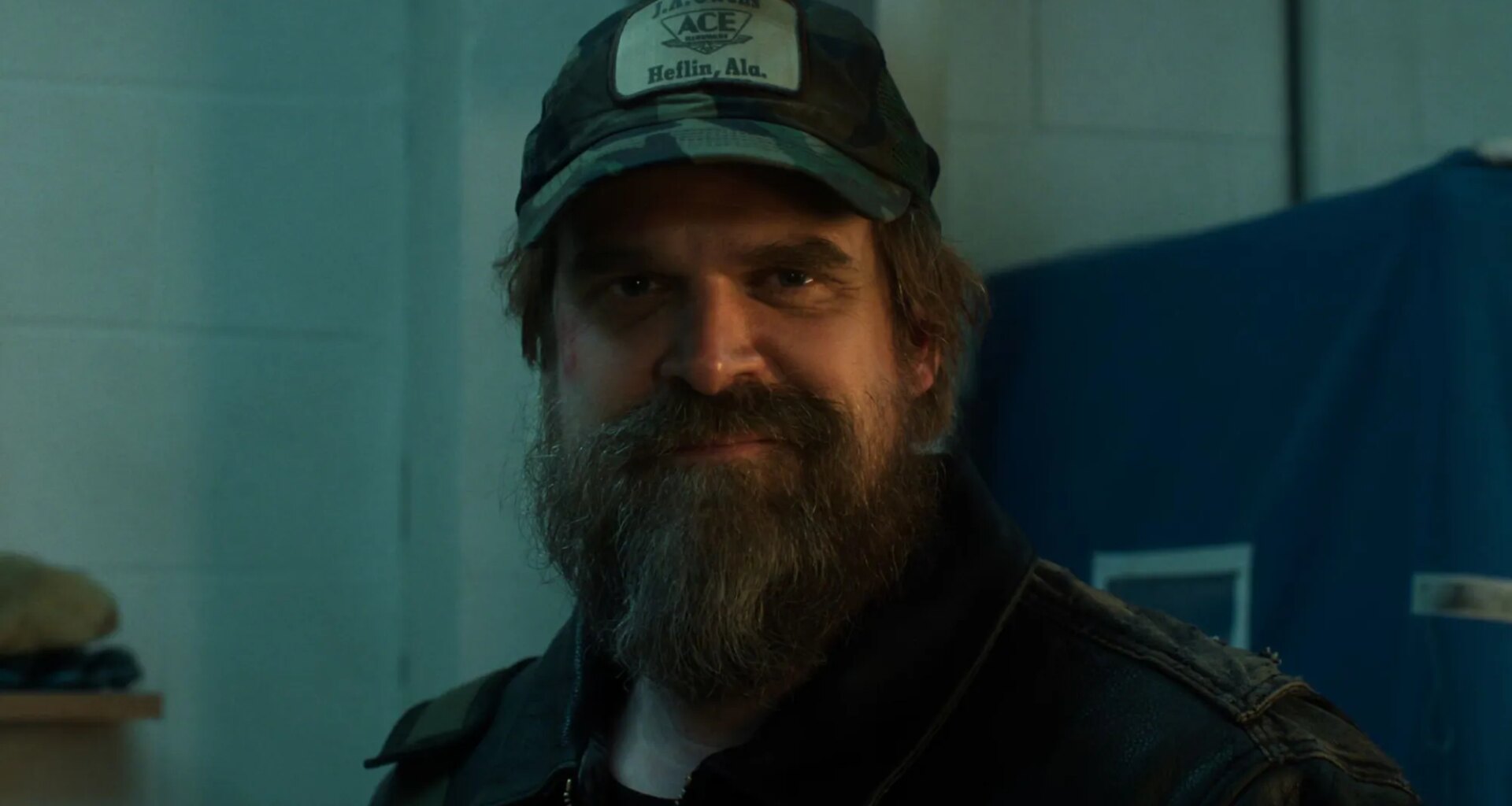
Ending Stranger Things was never going to be simple, and everyone knew it. The series spent nearly a decade occupying a rare space in pop culture, on TV, and in people’s lives, going far beyond Netflix hit status to become a reference point for nostalgia, addictive and charismatic characters, and accessible horror for a wide audience. The problem is that finales carry enormous expectations, and every creative choice risks feeling either excessive or painfully safe. The final episode, however, made it clear that the Duffer Brothers were less interested in big speeches and spectacle, and far more focused on closing the story in a thoughtful and coherent way, looking both at the characters and at the show’s own creative journey.
Anyone who has followed Stranger Things since the beginning knows the series has always been built in layers: there’s the central plot, the emotional subtext, and a meticulous attention to details that only fully land in hindsight. The finale follows that same logic (even if it has a few flaws here and there, naturally). Instead of relying on a massive, shocking twist or a cliché goodbye, the last episode leans into smaller moments that say much more than they initially seem to. And that’s exactly where the Montauk mention comes in — a detail that may have slipped past part of the audience, but carries significant weight for anyone familiar with the show’s origins.
Stranger Things Referenced Its Original Concept in the Series Finale
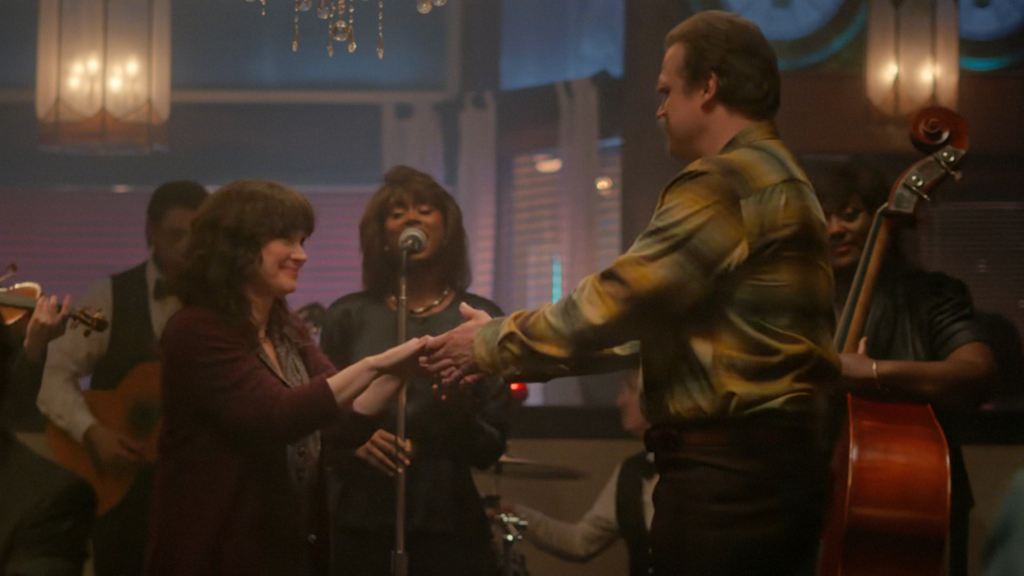 Image courtesy of Netflix
In the epilogue of the series finale, Hopper (David Harbour) and Joyce (Winona Ryder) are on a date at Enzo’s restaurant, reflecting on the future. During their conversation, plans for life, their engagement, and the idea of moving on after everything they’ve been through naturally come up. That’s when the sheriff of Hawkins mentions a job offer to become chief of police in Montauk, New York, suggesting not only better pay but a real chance to start over, far away from Hawkins. But even though it may sound like just another throwaway line, the choice of that specific location is anything but random.
Montauk was the starting point for everything. Before Hawkins even existed as an idea for Stranger Things‘ setting, the series was literally called Montauk and was meant to take place there, inspired by real conspiracy theories involving secret government experiments. Bringing that name up in the final episode is a clear way of acknowledging the show’s origins without needing to explain them outright. It’s the kind of Easter egg audiences love, and it’s especially clever considering how organically it’s woven into the story. Montauk comes to represent not only a new beginning for Hopper, but also a creative “what if” for the series itself — a reminder that the story could have gone down a very different path.
That choice also reinforces something that has always set Stranger Things apart from similar shows: it knows how to use nostalgia without becoming trapped by it. Instead of recycling ’80s references or familiar imagery, the finale looks inward, reflecting on the project’s own construction. This is a more internal kind of nostalgia, one that doesn’t require viewers to catch the reference for the scene to work, but rewards those who do.
And tying this moment to Hopper only makes it more effective, since from the very first season, he’s been defined by loss and emotional stagnation. His arc has always been about struggling to imagine a different future. Ending the series with him seriously considering a change, in a place loaded with meaning for the creators, is a smart connection between character development and metatext. It doesn’t feel like a coincidence tossed into the script, but a deliberate choice to close two cycles at once.
The Reference to Stranger Things‘ Original Concept May Be a Hidden Spin-Off Hint
 image courtesy of netflix
And if you factor in what the Duffer Brothers have already said about the end of the show not being the end of the Stranger Things universe, it’s easy to see why many fans believe they’ve already caught on to what the spin-off might be about.
In a recent interview with The National, the creators revealed that the series finale would include a small spoiler hinting at their next project. “There’s one small scene in the finale that gives a hint as to what the spin-off will be,” Ross Duffer said. “We’ll see if people pick up on it.” Meanwhile, speaking to Screen Rant, Matt Duffer offered more specific insight. “(…) it really is a completely different story and a completely different location with completely different actors and characters. So it’s its own. It’s really its own entity,” he explained. Considering that and Hopper’s line, we probably wouldn’t see him. Still, it’s entirely possible that the character was simply used as the gateway for the idea to explore Montauk in another time. Who knows?
 image courtesy of netflix
Either way, a spin-off set in that place would make sense not only because of the show’s history, but because it would allow the creators to explore the same kind of conspiratorial, science-driven horror that inspired the original concept without artificially extending the story of Hawkins. It’s a way to expand everything without wearing out what’s already been told. And considering that Stranger Things was originally meant to be exactly that, maybe the last ten years gave the creators the time and perspective to finally tell that story in a more mature, compelling, and attention-grabbing way.
In the end, the series says goodbye without tying up every single loose end in the universe it built, but it makes one thing clear: it knows exactly where it came from and where it could go next. This isn’t about stretching success for the sake of it, but about acknowledging that good ideas don’t always need to die — sometimes they’re just saved for the right moment. Whether Montauk will once again take center stage in what can now comfortably be called a franchise remains uncertain. But the way this small hint was planted in the final episode shows that the Duffer Brothers chose to close Stranger Things looking forward, without ever losing sight of the past that made it all possible.
What do you think? Leave a comment below and join the conversation now in the ComicBook Forum!