
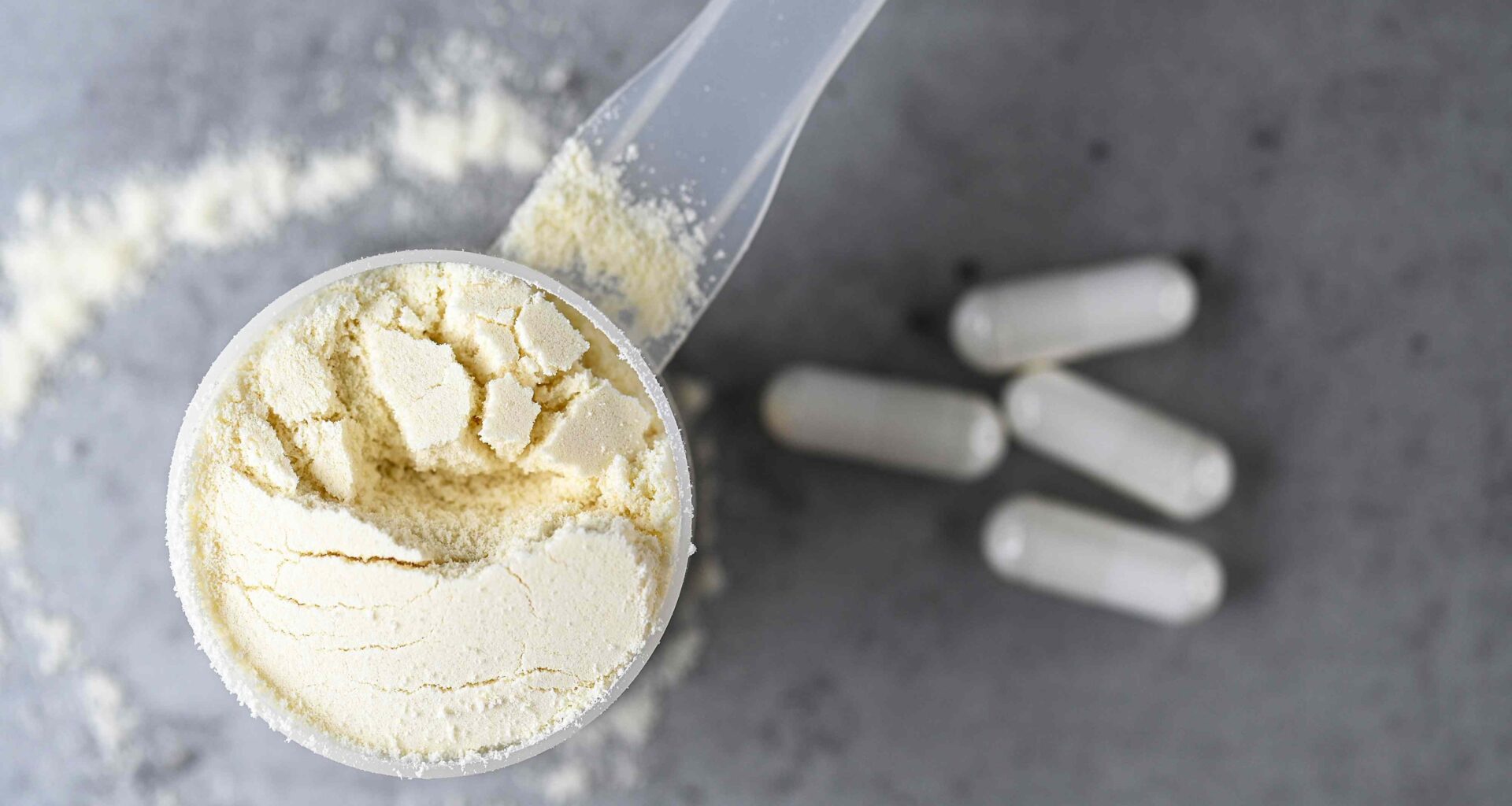
Creatine is one of the most popular supplements for improved exercise and physical performance. Possible side effects caused by creatine include weight gain, nausea, diarrhea, muscle cramps, and heat intolerance.
The most commonly reported side effect of creatine is weight gain. This increase in weight happens because creatine brings water into your muscles. The increase in water (also known as water retention) can make it seem like you have gained weight.
Creatine is “osmotically active”, meaning when you have creatine in your muscle cells, it brings water with it. This can cause water retention and lead to weight gain. Creatine may also help increase your muscle mass, potentially leading to changes in your weight. However, you are likely using creatine for this muscle increase.
Any signs of weight gain should go away after the first 1 to 2 weeks of taking creatine. Water retention is more likely if you are taking a “loading” dose of creatine. A loading dose is a higher dose of creatine, taken to maximize the amount of creatine stored in the body.
The usual loading dose is 20 to 25 grams daily for 5 to 7 days. The typical daily maintenance dose of creatine (3 to 5 grams per day) is less likely to cause water retention.
Nausea and diarrhea are two gastrointestinal (GI) side effects reported with creatine use. These are reported more commonly during the phase of creatine loading.
Nausea is likely caused by the large amount of water and creatine ingested, while diarrhea is likely caused by creatine pulling water into your intestines.
Muscle cramps and muscle stiffness are also reported side effects of creatine. Many studies reporting this were conducted in athletes, who also used various supplements and exceeded the recommended dose of creatine.
Researchers initially thought that the cramping was caused by dehydration. However, studies have not shown that this is true. Some studies have even shown that creatine helps to relieve muscle cramps.
More research is needed on the topic to understand how creatine affects the muscles.
When taking creatine, you may feel overheated, especially in warm environments. This feeling (also called heat intolerance) is thought to be caused by the supplement.
However, studies are conflicting on if this is true. It is more likely that heat intolerance is caused by exercise or physical activity. More research is needed on this side effect.
Though creatine side effects are not dangerous or common, they can be bothersome. To lower your risk for these side effects, consider doing these things:
Stay hydrated: Keeping your body hydrated lowers your risk of side effects. Being hydrated also causes you to urinate (pee) more, which helps eliminate excess fluid in your body.
Stretch: Relieve muscle cramps and stiffness by stretching regularly before and after exercise. Stretching carefully while you have a muscle cramp or stiffness can also help with the uncomfortable feeling.
Eat less salt: Excessive salt intake can increase your risk of water retention. If you notice that you are retaining more water than usual, consider reducing your salt intake.
Consult a healthcare provider if you have any questions or concerns about creatine side effects.