

 Many of us have grown up on this catchy jingle: Sunday ho ya Monday, roz khao ande! From time to time, our elders, too, have chimed in and echoed similar sentiments. Since the dawn of wellness consciousness, eggs have been a breakfast staple, a quick protein intake, and one of the most convenient options for a wholesome meal. As they do for adults, eggs really pack a punch when it comes to nutrition for kids. They’re loaded with good stuff—high-quality protein, vitamins like B12 and D, important minerals, choline, lutein, and healthy fats. All these nutrients help with brain power, strong muscles, and a healthy immune system. For years, people worried about the cholesterol in eggs, but research now says they’re fine for most kids over 2. In fact, eggs show up in all the major guidelines for young children. So, if you’re wondering how many eggs are right for a 5-year-old, you’re not alone.
Why eggs matter for growing kids
Eggs aren’t just a quick breakfast—they’re a real nutrition boost for children. One large egg has about 6 grams of top-notch protein, which kids need to build muscle, tissue, and all those enzymes that keep things running smoothly. There’s also choline, which is tied to brain development and thinking skills, plus lutein and zeaxanthin for healthy eyes. Eggs bring more than just protein to the table; they deliver a whole set of vitamins and minerals kids need every day.
Understanding children and their eating habits
Experts in the US Dietary Guidelines for Americans actually put eggs on the list of nutrient-rich protein foods that help kids eat well and grow up strong. Lean proteins like eggs are a big part of their advice for balanced meals.
How many eggs are suitable for a 5-year-old?
There’s no hard-and-fast rule from the experts about a daily egg limit, but most nutritionists say 1 to 2 eggs per day works well for kids between 1 and 8 years old. This amount gives growing kids the protein and nutrients they need, without overdoing it or crowding out other foods.Nutrition specialists back this up—they see eggs as a safe, healthy choice as long as they’re part of a mix with other foods like veggies, fruit, whole grains, dairy, and different proteins (meat, fish, beans). A 5-year-old will get the most benefit from eggs when they’re just one part of a colorful, varied plate—not the only thing on it. 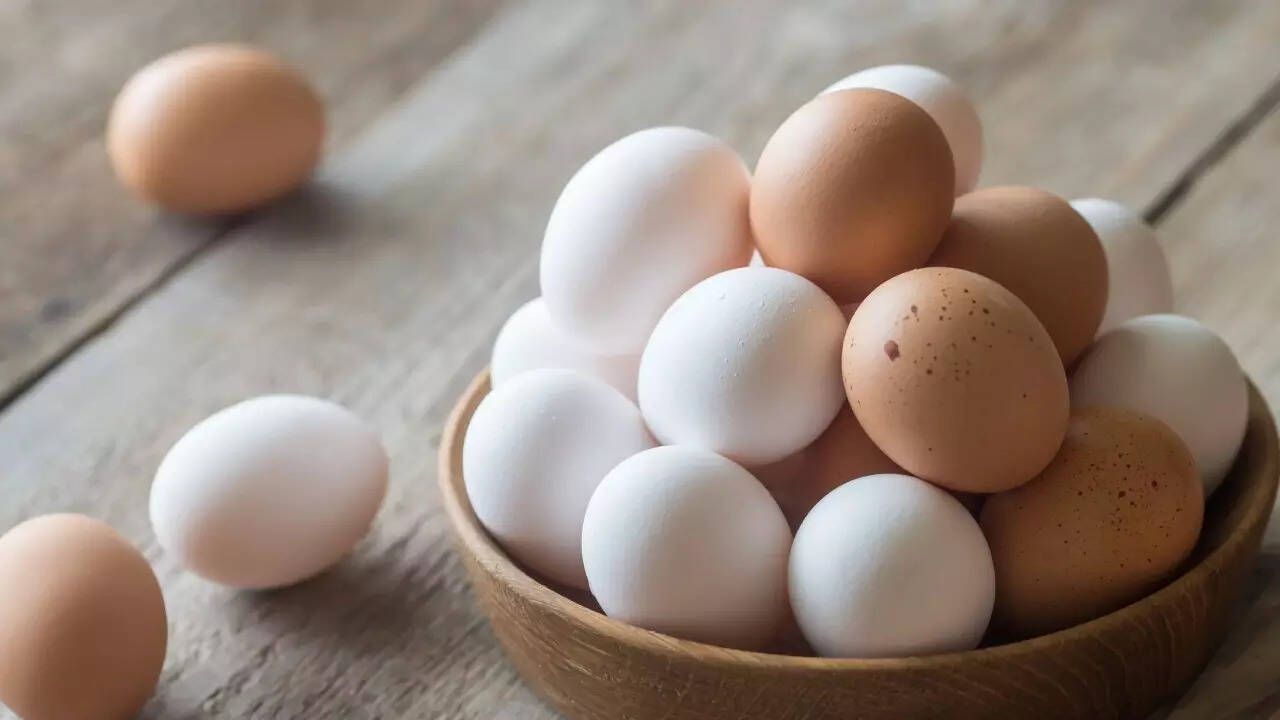
What eggs bring to the table
Studies show that kids who eat eggs tend to get more of the nutrients their bodies need—protein, good fats, DHA, choline, vitamin D, and more—compared to kids who skip eggs. All these nutrients play a part in keeping energy up, brains sharp, and bodies growing.Still, eggs aren’t a magic bullet. They work best as part of an overall healthy diet. Most guidelines now focus less on single foods and more on building a balanced eating pattern, with eggs, lean meats, beans, and dairy all in the mix.
Eggs in a balanced diet
For most 5-year-olds, eating up to two eggs a day fits perfectly into a healthy routine. The real trick is variety. Here’s what a well-rounded diet looks like:Fruits and veggies for vitamins, fiber, and antioxidantsWhole grains for steady energyDairy or fortified alternatives for calcium and vitamin DOther proteins, like fish, chicken, beans, or nutsMixing it up makes sure your child gets everything they need, not just what eggs have to offer.
Any downsides to watch out for?
Egg allergies are a thing, especially in younger kids—about 9% under age 4, though most outgrow that by 4 or 5. If you’re adding eggs for the first time, watch for any signs of a reaction, especially if allergies run in the family.For most healthy kids, the cholesterol in eggs isn’t a problem when they’re eating a balanced diet. Experts don’t really stress about cholesterol limits anymore. The focus is on overall eating habits. 
Quick tips for parents
For parents who want to offer their children a holistic nutrition:Offer 1–2 eggs a day with other foods—like scrambled eggs with veggies, a boiled egg with fruit and toast, or an omelet full of colorful vegetables.Always pair eggs with other groups—whole grains, fruit, dairy, or beans—to cover all the nutrient bases.Watch for allergies and check in with your pediatrician if you see anything odd.Keep things interesting with different proteins and plenty of plant foods to round out your child’s nutrition.Always remember, eggs do make a great addition to a kid’s diet, but the best results come from balance and variety.