
In a statement after the stabbing, the Sheriff’s Office said an on-site deputy “intervened immediately, restraining the suspect and securing the scene.”
The union representing sheriff’s deputies went a step further, placing a sponsored post in all-capital letters on Instagram saying that a “deputy sheriff saved Ward 86 from a rapid mass casualty stabbing.”
“This is exactly what deputy sheriffs are supposed to do on high-risk units: be close enough to stop an attack in progress and protect frontline healthcare workers,” Ken Lomba, president of the San Francisco Sheriff’s Association, said in a press release.
The Sheriff’s Office declined to comment for this story.
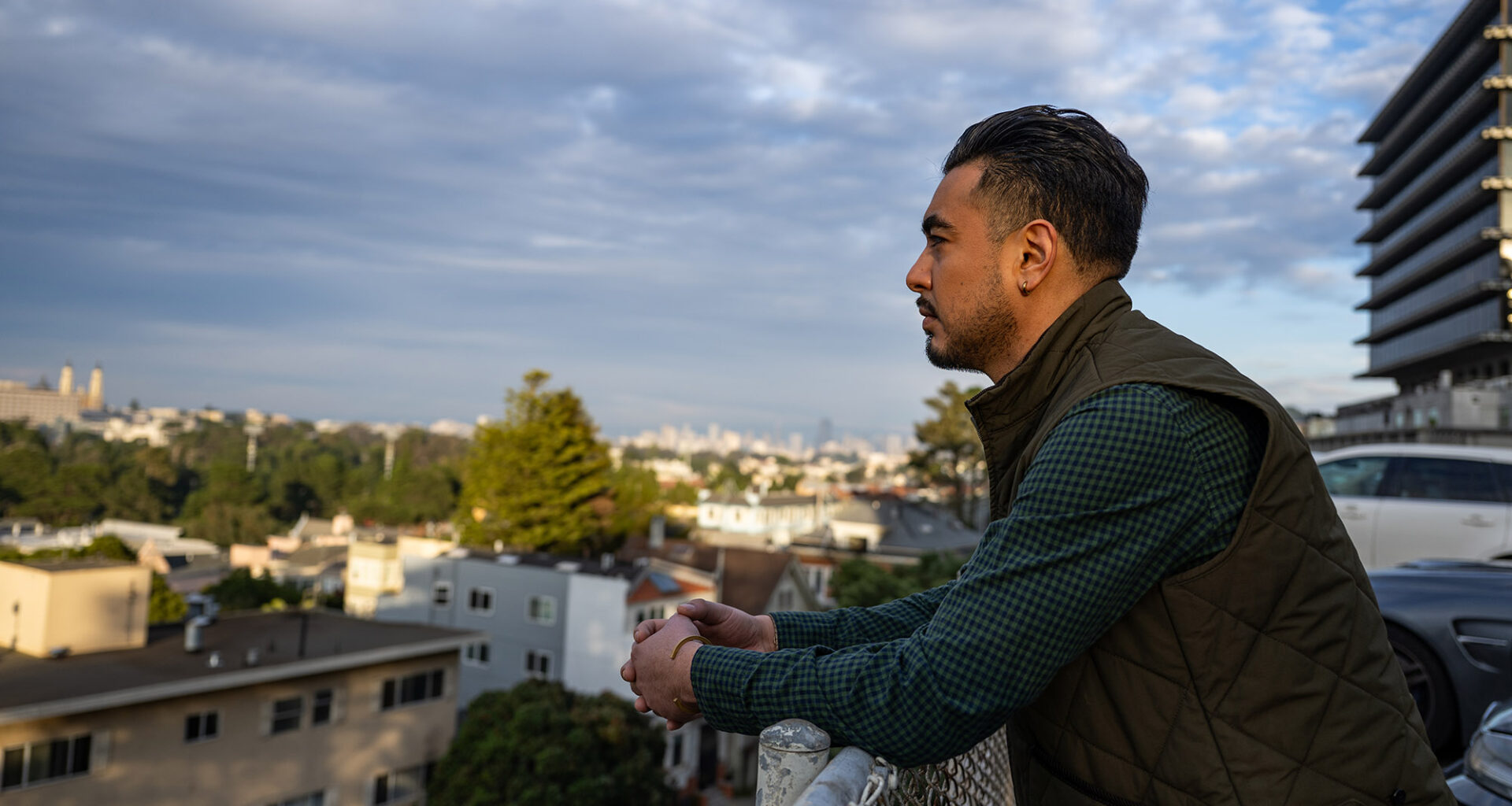
Alvarez, 32, said he sees the department’s sponsored post regularly, making it hard even to take a break from reality with a social media scroll. Both the post and the city’s official description feel like a blow on top of the trauma he’s still processing from that moment he jumped in to try to save Rangel, whom he looked up to as a fellow queer Latino on the ward.
Multiple Ward 86 social workers told KQED, some on the condition of anonymity, that Alvarez was the first person to intervene in the attack, and eyewitnesses said the suspect dropped the 5-inch knife after being pulled off Rangel, with a deputy intervening shortly afterward.
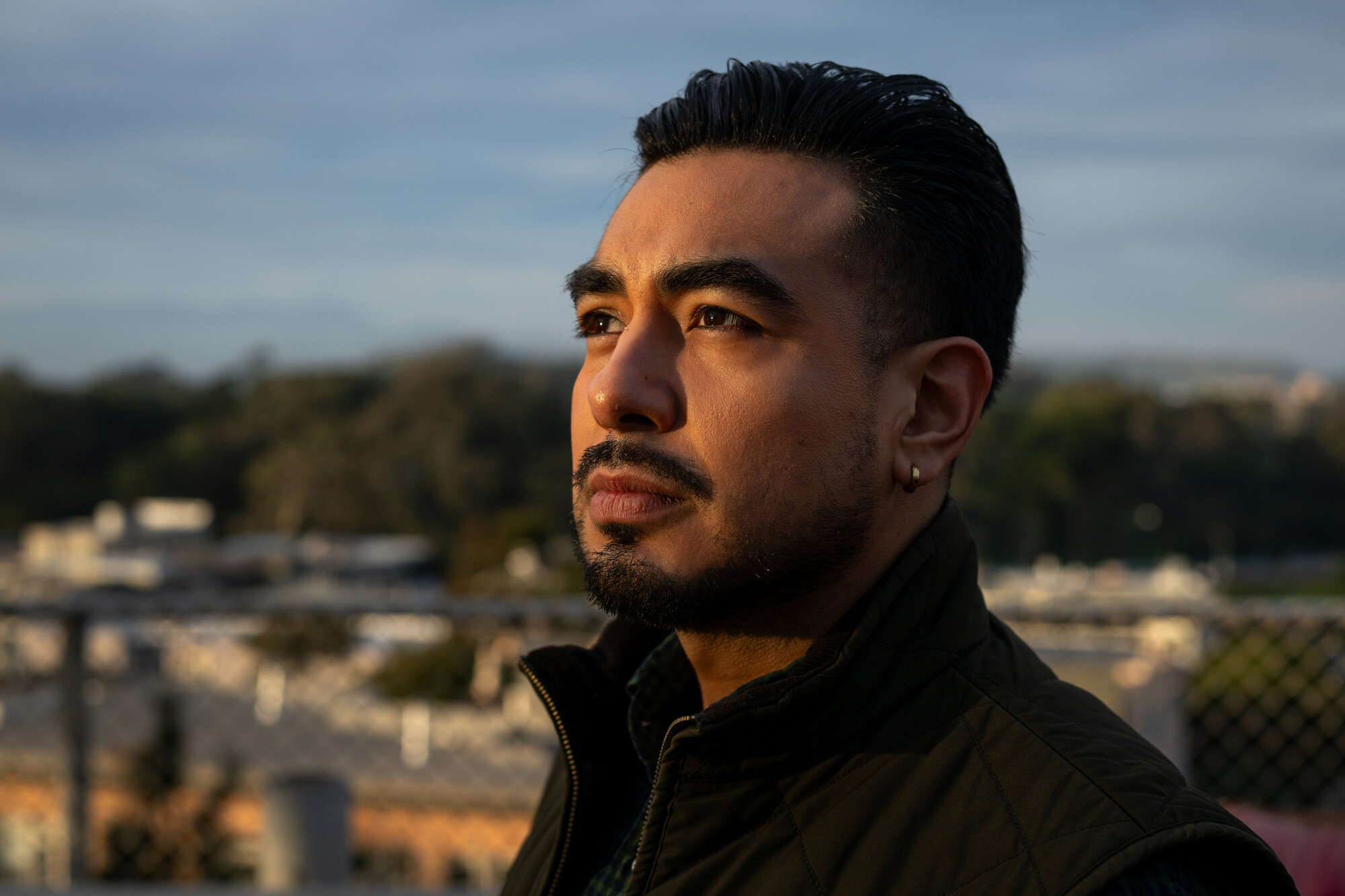 Alex Alvarez, a clinical social worker, stands on a parking garage at UCSF Parnassus campus in San Francisco on Dec. 30, 2025. (Beth LaBerge/KQED)
Officials at UCSF directed Ward 86 staff not to discuss any aspects of the incident unless university legal counsel is present, according to an email reviewed by KQED.
“The sheriff’s deputy did not intervene immediately during the attack. Ward 86 staff — not law enforcement — physically intervened to stop the assault,” reads the collective statement from staff. “The attacker remained unrestrained for several minutes after the assault ended.
Staff had to repeatedly direct the deputy to remove the attacker from the scene.”
Tortolero-Arriechi allegedly stabbed Rangel in the shoulder and neck. He has been charged with murder in connection with the fatal stabbing, according to the District Attorney’s office, and he is scheduled to enter a plea on Wednesday. After his arrest, he was hospitalized at San Francisco General and was recently discharged from the psychiatric ward and transferred to county jail.
“A life was lost, and that is never something we take lightly. I give my condolences to Mr. Rangel’s family, friends, and colleagues,” his attorney, Deputy Public Defender Sylvia Nguyen, said in an email. “Being a social worker — working behind the scenes in all aspects of medical care, serving residents who are most in need of resources and support — is often a thankless job that people do out of the goodness of their hearts. It’s clear he made an impact on so many lives.”
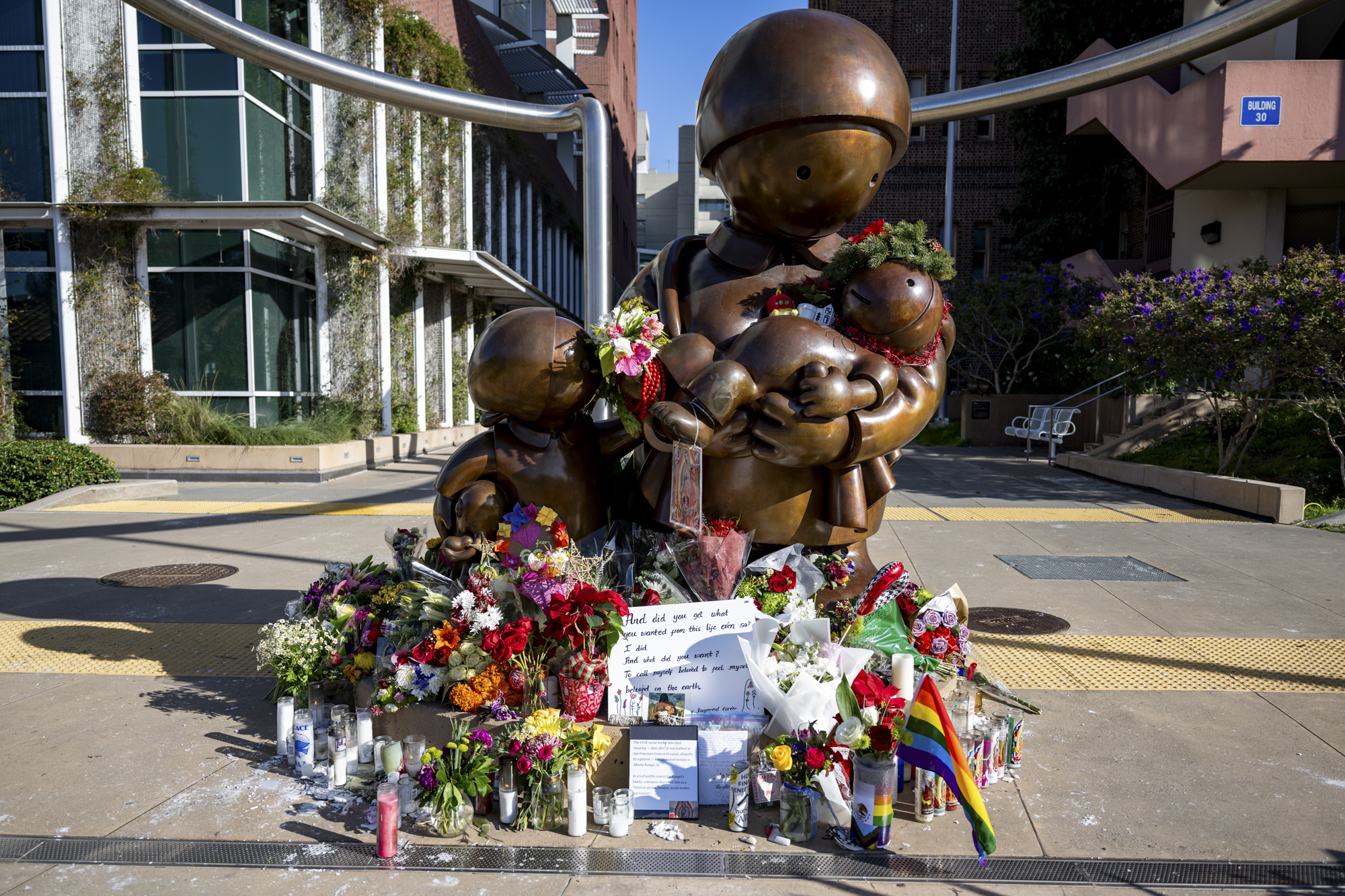 A memorial for social worker Alberto Rangel, who was fatally stabbed on Dec. 4 at Zuckerberg San Francisco General Hospital, outside the hospital on Dec. 9, 2025. (Beth LaBerge/KQED)
The hospital has increased security and law enforcement presence in the ward, which did not have metal detectors prior to the incident, by tightening control over access points and adding weapon-detection technology.
“We are implementing immediate security enhancements to protect staff and patients, while also advancing long-term structural changes to prevent future incidents,” a spokesperson for the Department of Public Health said in an email. “In addition, the city is engaging an independent security firm to objectively review the Ward 86 incident and our safety practices systemwide. These assessments will inform both immediate corrective actions and long-term investments.”
The city reported the incident to the California Department of Public Health, Cal/OSHA and the Joint Commission, which evaluates and accredits healthcare organizations.
One social worker said the hospital made some crisis counselors available and told workers they can visit San Francisco General’s trauma and recovery center for group processing sessions, but accessing those services has not been straightforward.
In the meantime, staff have been told to report back to work, with a welcome breakfast scheduled for this morning. Several said they still don’t feel safe enough to return yet.
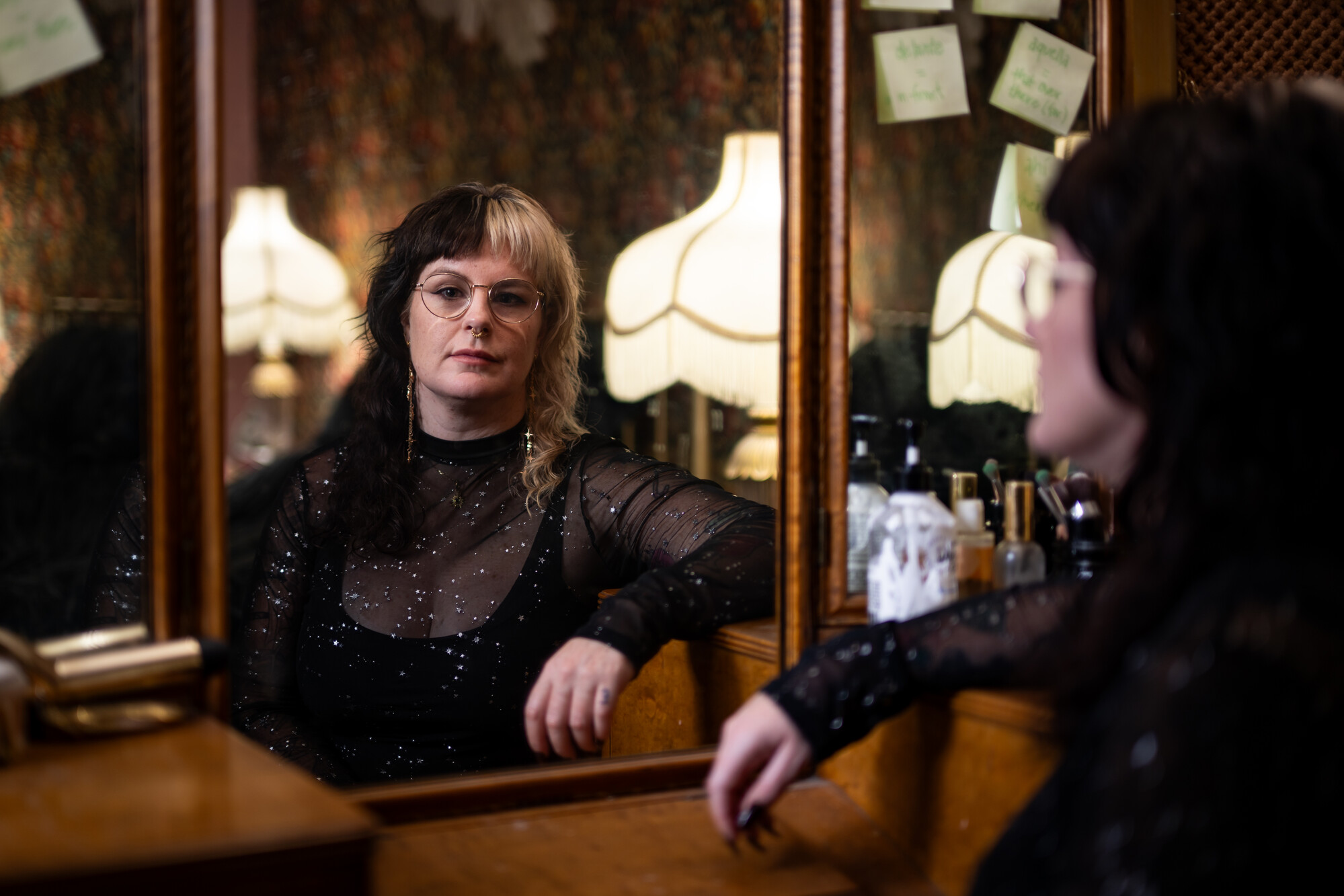 Lindsay Felten sits in her apartment on Dec. 20, 2025. Her colleague Alberto Rangel was fatally stabbed at Zuckerberg San Francisco General Hospital on Dec. 4, 2025. (Beth LaBerge/KQED)
“My colleagues and myself experienced a really traumatic incident that should have been prevented,” said Lindsay Felten, a clinical social worker at Ward 86. She said that the lack of support from management has felt like “adding salt to a wound.”
Felten and other Ward 86 staff are calling for protected time off, as many are now navigating both the trauma of the event and paperwork for additional therapy needs and workers’ compensation. Others are dipping into their sick leave and vacation bank to give themselves more time to heal.
“We’re being told they did everything they could, that the sheriff saved the day, when the way we see it is like we showed up for ourselves,” Felten said. “We kept our other patients and colleagues safe.”
Alvarez is seeking workers’ compensation and has yet to return to the ward. “I’ve been too nervous to go back,” he said. “I will avoid the area. I don’t even drive by it.”
Threats and risky situations were not uncommon at San Francisco General before the incident last month. The hospital is known as a “safety net” for many of the city’s most vulnerable, and that often means taking in patients who are turned away from other places due to behavior, needs or because they are on Medi-Cal.
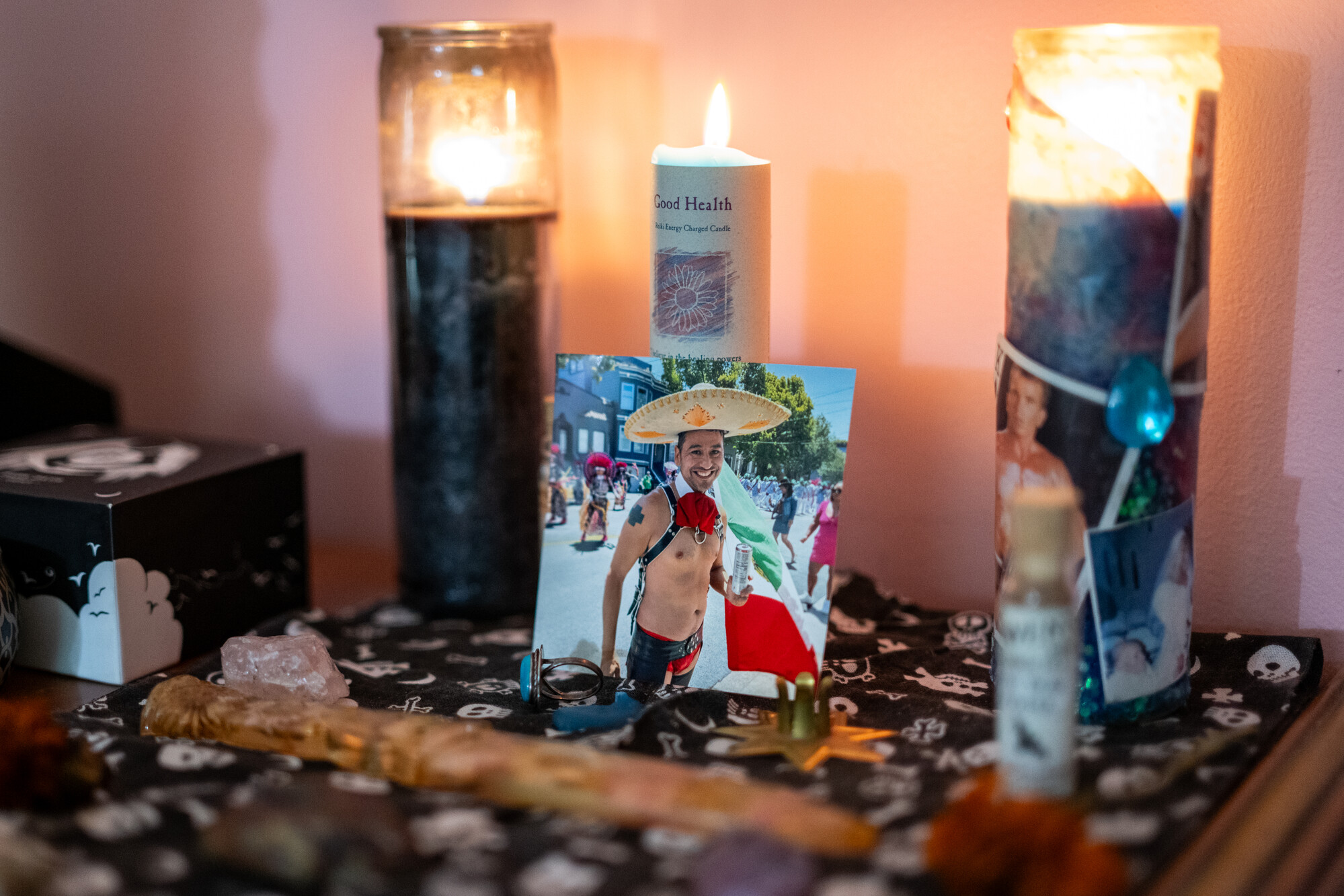 An altar honoring Alberto Rangel sits in Lindsay Felten’s apartment on Dec. 20, 2025. (Beth LaBerge/KQED)
Ward 86 started as the first-ever dedicated HIV/AIDS outpatient clinic in 1983, at a time when the government and many medical institutions turned a blind eye to the epidemic.
The clinic still performs essential HIV care, and over the years, the population it serves has grown increasingly complex. Many patients are extremely low-income and come in with dual diagnoses, including substance use disorder and other mental health challenges.
The fatal stabbing has intensified debate over hospital security for both workers and patients.
Alvarez, who was in the midst of finals for pre-med classes he’s taking at City College at the time of the attack, wishes there was more he could do in Rangel’s final moments. He’s hoping to one day become a physician’s assistant or doctor.
“It cemented,” he said, “why I want to do this.”