
When it comes to making New Year’s resolutions or, really, goals at any time of the year, it’s important to be realistic. And rather than focusing solely on weight loss at any cost, dietitians urge you to consider building nutrition habits that offer longer-term health benefits.
“Saying you’re not going to eat any sugar or sweets is definitely unrealistic,” Theresa Gentile, a registered dietitian and spokesperson for the Academy of Nutrition and Dietetics, tells TODAY.com, and that kind of thinking only sets you up for failure.
Similarly, a lot of people set out to lose weight but don’t have a plan for how, leading them to feel “discouraged and disgruntled and going back into the same cycle of dieting,” Gentile says.
Instead, “building sustainable — potentially stackable — habits that can last a lifetime and don’t feel so dreadful is really the key in making changes,” registered dietitian Grace Derocha tells TODAY.com.
As you start to figure out what habits might help you, pay special attention to the connections between your food choices, sleep, exercise and hydration, Erin Palinski-Wade, registered dietitian and author of “2 Day Diabetes Diet,” tells TODAY.com.
You could use something like a food-tracking app, or you could simply reflect on your how cravings or habits change after a night of bad sleep, for instance, Derocha says. “If I have a plan to work out but I don’t get enough sleep, it’s probably not happening,” she says.
On the flip side, “if you start building a better habit routine with just one or two things, other things can fall into place more easily,” explains Derocha, who is also a spokesperson for the Academy of Nutrition and Dietetics.
Here are the habits dietitians recommend building to use as your foundation for better food choices and an overall healthier life.
Focus on Fiber
All three of the dietitians TODAY.com spoke to included getting enough fiber in their list of healthy habits, suggesting that fibermaxxing is here for good.
“The best thing you can do for your overall health is to boost your intake of dietary fiber each day,” says Palinski-Wade.
Eating enough fiber is linked to better gut health and heart health, as well as blood sugar control. Fiber adds volume to your meals and and increases that sense of fullness and satiety after eating, which can support weight management efforts, Palinksi-Wade says.
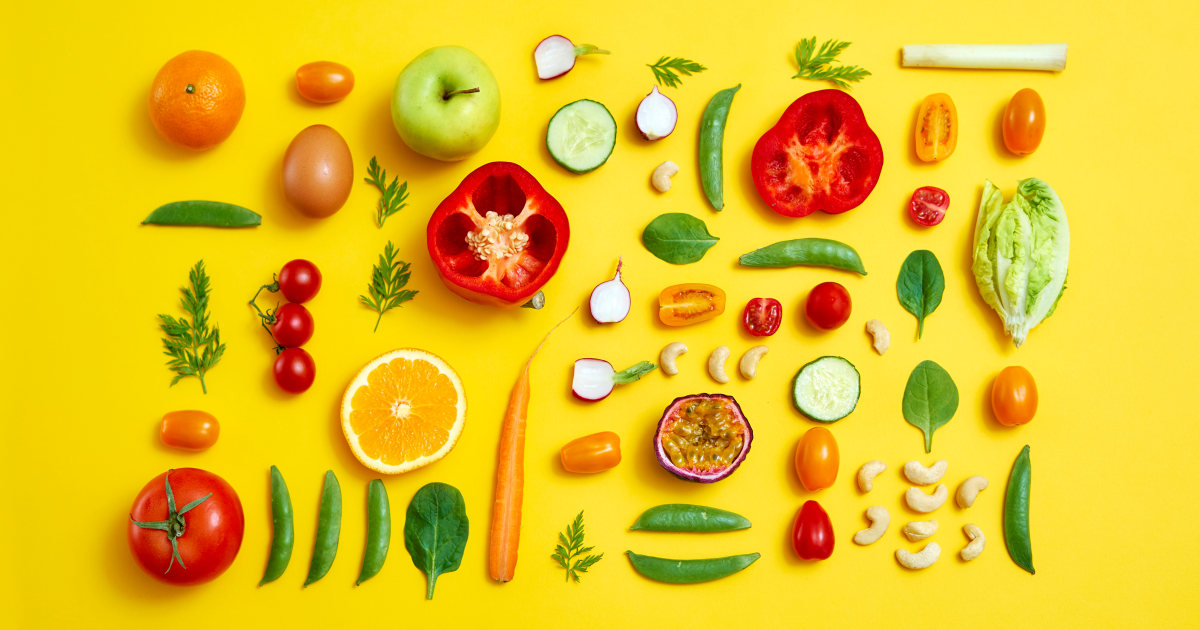
Adults should aim to get between 25 and 40 grams of fiber every day, Derocha says, but most of us fall far short of that. One easy way to eat more fiber is to fill half your plate with produce at every meal and snack, Palinski-Wade says, since fruits and vegetables are excellent sources of fiber.
Gentile gives her clients similar advice: “If you can pair or anchor a fiber-rich food, or even just a fruit or a vegetable with every meal, or in between meals as snacks, then you’ve at least got three day in your diet,” she says.
Get Enough Water
You may not realize it, but “even a slight decrease in hydration can impact appetite, energy and mood,” Palinski-Wade says. That’s why she and Derocha both recommend making water a goal this year.
Derocha, who admits she’s struggled with drinking enough water in the past, has found it helpful to drink a large glass first thing in the morning. Starting in college, she made a rule for herself: “When I woke up, before I could have coffee, I had to drink a 16-ounce glass of water,” she says, “and then my reward was my coffee.” Now, it’s a daily habit that she doesn’t have to think about.
Palinksi-Wade also recommends carrying a water bottle with you during the day “as a visual reminder to drink,” she says. Just making it a goal to drink 8 ounces of water with every meal or snack can go a long way to keeping you hydrated, she adds.
Prioritize Good Sleep
Think of getting enough quality sleep as another foundational healthy habit.
“Sleep is often overlooked when we’re talking about overall health and nutrition,” Derocha says. “But it does directly impact our hunger hormones, our cravings, our insulin sensitivity and our energy levels.”
In fact, you’ve probably already noticed that “when you don’t get enough sleep, you usually don’t do your best nutritionally the next day,” she says.
First, if getting enough sleep is a challenge for you, take the time to build a bedtime routine or what Derocha calls a “wind-down routine.” That could include limiting screen time, stretching, brushing your teeth or your skin-care routine, for instance.
That will help prime your body and mind to fall asleep quickly, and make winding down something you can look forward to.
Build Movement Into Your Day
These days, it’s easy to stay on the couch watching TV, Gentile says. In so many ways, “laziness is built into our society,” she explains, so “we really have to be proactive to include movement in our day.”
Similar to the way she recommends anchoring fiber in your diet, she suggests adding some form of physical activity in your day, like going on a walk at lunchtime — no matter what. “Unless you decide to do it, it may not happen,” she says.
Small choices, like parking a little farther away from the store or getting off the subway a stop early, can help add a bit more activity to your day without a specific workout, Gentile adds.
And keep in mind that workouts don’t have to be time-consuming. You can get many of the benefits of exercise with just 10 minutes of activity.
Give Gardening a Try
If you’re looking for a new screen-free hobby in 2026, Derocha recommends giving gardening a try.
Derocha and her husband are avid home gardeners. There’s plenty of research showing that gardening increases the amount of vegetables you eat while supporting mental wellbeing and an overall positive relationship with food, she notes.
“People are more likely to eat what they grow, and gardening can add that gentle movement and stress reduction from being outdoors,” she says.
Of course, not everyone has the space or resources for a full fruit and vegetable garden, and you should have your soil tested before you start growing, Derocha advises. But even maintaining a windowsill herb garden has benefits, she says. Herbs and spices can make nutrient-rich vegetables more exciting to eat and help reduce sodium intake.
“What you can grow, based on your soil or your climate, can really help inspire how you meal plan and meal prep,” she adds.