
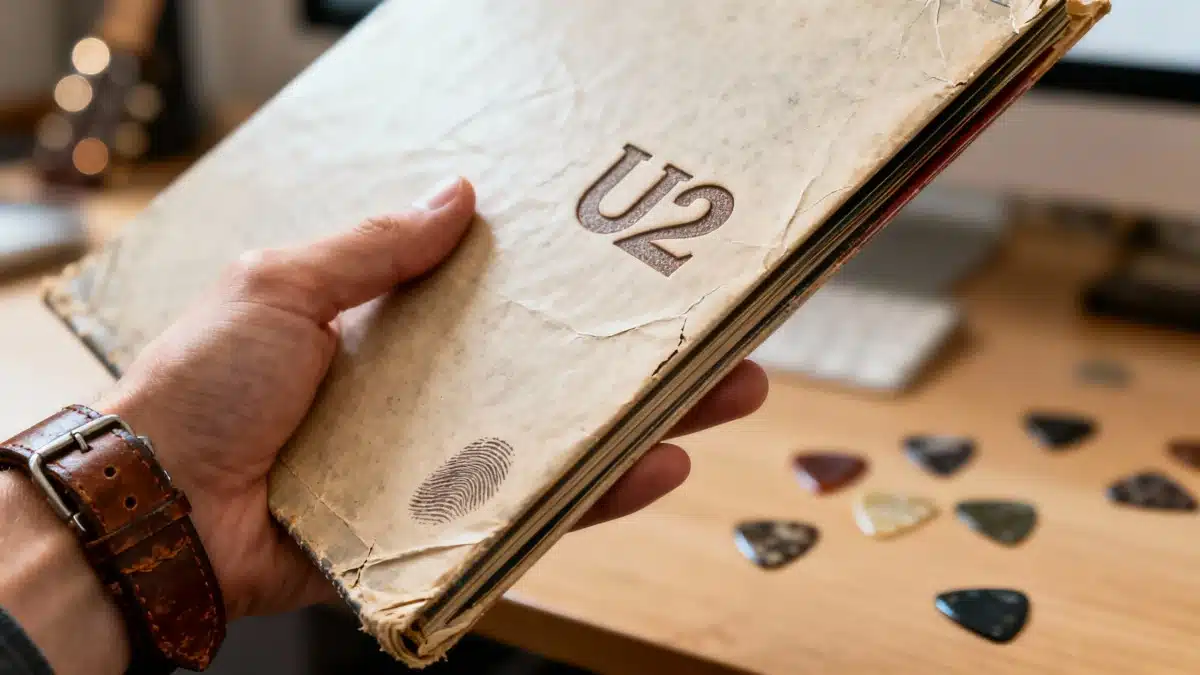
The story of U2 and Apple is an irresistible mix of rock, tech, big ambitions, and what might just be the music industry’s most expensive missed opportunity. Everyone remembers the moment in 2014 when U2’s album magically appeared in their iTunes account—sometimes whether they wanted it or not. But the true intrigue goes back a decade earlier, to a negotiation that changed the way music and technology cross paths. So, how did a request for a handful of Apple shares turn into U2 working for free, supercharging Apple’s image, and missing out on millions in the process? Buckle in for the tech-meets-rock story you didn’t know you needed.
When Rockstars Chase Silicon Valley: The 2004 Negotiation
In 2004, U2—legendary more for music and activism than brand deals—found themselves drawn to Apple’s inventive advertising and the iPod revolution. The future was digital, and Bono & Co. wanted a seat at the table. Rather than asking for a typical, hefty endorsement fee in dollars, U2 aimed higher: they wanted shares in Apple, betting that owning a piece of the company would mean hitching their fortunes to the tech star rising out of Cupertino, California.
Back in those days, Apple was still a company finding its legs, with its stock languishing around $6 per share. For U2, it seemed like a no-brainer: ride the wave and maybe cash in big when the future arrived.
But Steve Jobs, the famously visionary Apple CEO, had other ideas. He swiftly shut down their stock request, replying bluntly:
“It’s out of the question.”
No matter how iconic the band, Jobs wasn’t about to part with even the smallest slice of Apple. Giving away equity was, to put it mildly, a non-starter in his book.
From Shares to… Working for Free?
Steve Jobs, however, knew the value of association. He was betting U2 wouldn’t walk away from an alliance with Apple, stock grant or not. So instead of giving away shares, he persuaded U2 to work for free—yes, really. But there was a catch: U2 would help design and promote a special edition iPod, the first of its kind.
This U2-branded iPod broke from Apple’s iconic white, debuting in sleek black with a striking red control wheel. It wasn’t just an MP3 player; it was a collector’s item, instantly coveted by fans and giving Apple even more street cred.
U2 also contributed their song “Vertigo” as an iTunes exclusive, and, for the first time, put their entire back catalog online. The arrangement worked out brilliantly for Apple, who won the branding jackpot, while U2 got eye-watering visibility (if not the windfall they’d hoped for). The decision not to take shares, however, would haunt them later.
The Payoff That Never Was
Hindsight is notoriously 20/20. By 2025, Apple stock isn’t at $6 a share—it’s over $200 per share. Even a modest bundle of stock from 2004 would now be worth a small fortune. Bono would later admit, reflecting on the deal, with a mix of admiration for Apple’s trajectory and a touch of regret:
“Apple was on its way to the stars, and we had the chance to ride along, but looking back, we should’ve negotiated better.”
Still, the partnership did wonders for U2 overall, launching their name into the digital era and the history books. Bono’s main takeaway? When the deal is huge, don’t shortchange yourself.
iTunes, Songs of Innocence, and the Tech Journey
U2 and Apple didn’t stop with that first collaboration. In 2014, Apple famously beamed U2’s album “Songs of Innocence” into every iTunes account worldwide—no opt-in required. What was meant to be a benevolent gift turned into an Internet-wide moan, as users protested about the surprise album taking up device space. Bono later offered a sheepish apology:
“At the time, it seemed like a great idea, but clearly, the public didn’t feel the same way.”
Fast-forward to 2025, and U2’s partnership with Apple appears reborn: “Bono: Stories of Surrender”—a documentary based on Bono’s memoir—debuts exclusively on Apple TV+. This time, Apple ups the ante with an immersive 8K release designed for Apple Vision Pro, so fans can feel like Bono is singing their life story right in their living room. That’s a long way from iPod days and a sign of just how deeply the two brands’ stories remain entwined.
From iPods to digital exclusives, from unexpected albums to high-tech documentaries, the story of U2 and Apple is a wild ride of artistic ambition, business lessons, and the sometimes painful price of vision. For Bono, it’s never been just about the money:
“Apple was heading straight for infinity, and we were lucky to ride along on their journey.”
This tale proves that trailblazing partnerships require strategy, a splash of luck, and plenty of flexibility. Money missed, maybe, but U2’s influence on Apple—and vice versa—remains unquestionable, forever woven into the legacy of Steve Jobs and the soundtrack to our digital lives.
In 2004, U2 could have walked away with Apple shares at just $6 apiece. By 2025, those same shares are worth over $200 each—a massive missed payday for the band.
For more stories where tech meets culture, head over to Glass Almanac—your one-stop destination for the latest in augmented reality, science, trending TV, and everything in between. Stay ahead of the curve, one insight at a time.