
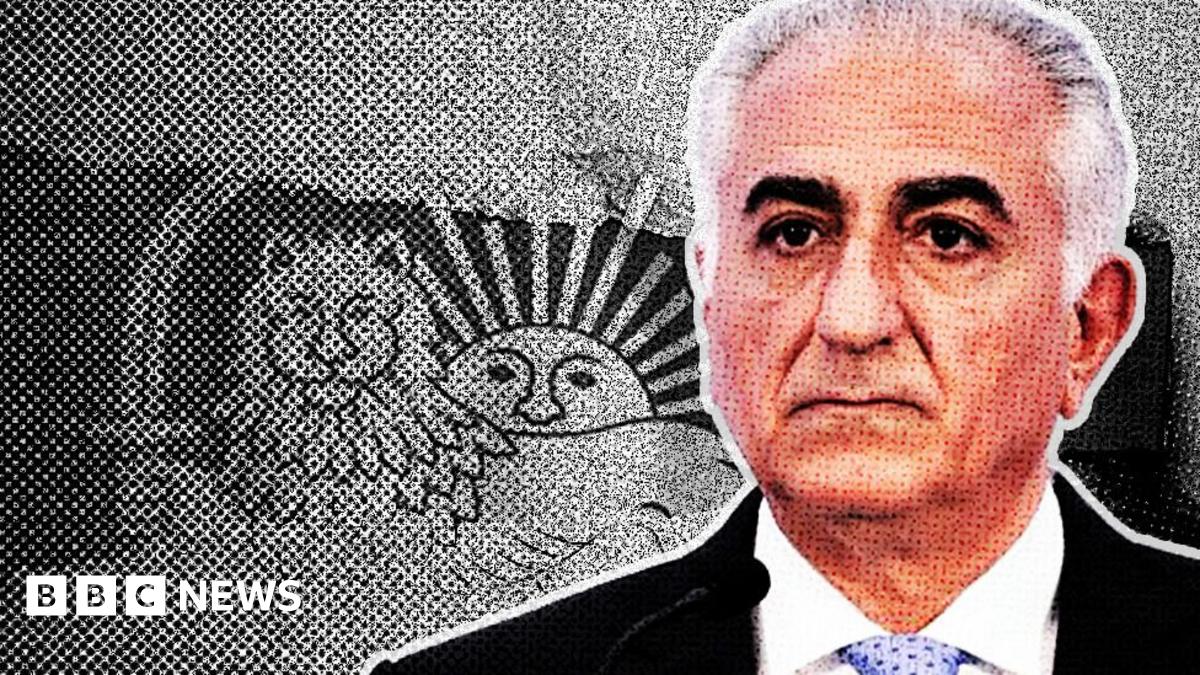
Groomed from birth to inherit Iran’s Peacock Throne, Reza Pahlavi was undergoing fighter pilot training in the United States when the 1979 revolution swept away his father’s monarchy.
He watched from afar as his father, Mohammad Reza Shah Pahlavi – once backed by Western allies – struggled to find refuge in another country and ultimately died of cancer in Egypt.
The sudden loss of power left the young crown prince and his family stateless, reliant on a dwindling circle of royalists and well-wishers in exile.
In the decades that followed, tragedy struck the family more than once. His younger sister and brother both took their own lives, leaving him the symbolic head of a dynasty many thought was consigned to history.
Now, at 65, Reza Pahlavi is once again seeking a role in shaping his country’s future.
From his home in a quiet suburb near Washington DC, supporters describe him as low-profile and approachable – a frequent visitor to local cafés, often accompanied by his wife, Yasmine, without visible security.
In 2022, when asked by a passer-by whether he saw himself as the leader of Iran’s protest movement, he and Yasmine reportedly replied in unison: “Change has to come from within.”