
He’s not a nutritionist, he’s not a fitness expert and he doesn’t have an app. But Sunna van Kampen, a 37-year-old father of two from Devon, has become a go-to expert for shoppers wanting to find healthy, inexpensive options to put in their weekly shop. His no-nonsense advice on social media has amassed millions of followers, and now his new book, The Good, the Bad and the Healthy, which is already a bestseller, encourages all of us to start making simple, clever swaps to improve our immunity, as well as our overall health.
Van Kampen, who lives in Totnes with his wife and toddlers, aged one and three, has spent the past decade researching how to get better nutrition into our diets. His curiosity was sparked when friends and colleagues noticed that he always seemed to be unwell. “They were saying, ‘Weren’t you just sick last month? How come you’ve got another cold?’” he recalls.
At that point, in his mid-twenties and working in marketing for Barclays in the City, Lemsip had become his best friend. He couldn’t understand why he kept getting ill. “I ran marathons and 10Ks in my spare time, for fun,” he says. “I played football and went to the gym. I was eating well — chicken breasts, rocket, parmesan. I thought it was really healthy, but I was getting five or six colds every winter. I started to think, why am I so unlucky?”
• Read more expert advice on healthy living, fitness and wellbeing

After yet another cold, a GP sent him for blood tests. The results were a shock: Van Kampen was nutrient-deficient — especially in vitamins D and B12, while his magnesium and zinc levels were sub-optimal. His diet, heavy in protein and with little variety, wasn’t nearly as healthy as he considered it to be. “It meant that my immune system wasn’t functioning properly, so I was catching everything going,” he says.
He saw a nutritionist and overhauled his diet, eating a more diverse range of meat, fish and vegetables, and the constant colds cleared up. His interest in nutrition deepened when, in 2015, his girlfriend (now his wife), Anya Garnis, a former professional on Strictly Come Dancing, was diagnosed with the serious inflammatory bowel disease ulcerative colitis. Together the couple threw themselves into researching how to finesse their diet and manage her symptoms, cutting out most UPFs and the hard-to-digest additives, emulsifiers and stabilisers often added to modern foods. Van Kampen began sharing his tips on social media, where he has built up a following of more than 1.3 million across Instagram and TikTok under the handle @tonichealth, showing healthier swaps in the supermarket.
It was Van Kampen’s father, Mouni, who helped him to realise that other people might be interested in making similar tweaks. In his seventies — and “stubborn”, says his son — he refused to give up his nightly glass of wine and large bag of crisps.
• Why we should eat beans every day — and which are the healthiest
“For years I’d been telling him to look at this health study or that health study, but he wouldn’t engage,” he says. “Then one birthday I bought him a subscription to a brand of baked cheese snacks as a healthier replacement for his crisps. And because I wasn’t asking him to make a sacrifice he stuck to it.”
It was a lightbulb moment. “Most people care about their health and want to do something about it, but the amount of energy they’re going to put into it is really small,” he says. “They don’t want to read a study or science book because they haven’t got time. They just want to be told what to do and crack on.”
That’s exactly what Van Kampen has spent the past few years doing: sharing videos on Instagram and TikTok (“We get anything from 30 to 50 million views a month”), in which he trawls supermarkets, pointing out the simple swaps we can all make to easily improve our diets.
Many of us, he says, have been going wrong by thinking about food purely in terms of calories, protein or carb content. “We do need to ask first: is this food nutritious?” Given we’re in peak cold and cough season, with the latest strain of “super flu” still doing the rounds, anything that can boost our immune systems is surely welcome.
• Ultra-processed foods — just how bad for us are they?
Van Kampen says: “Vitamins and minerals are like fuel for the immune system, so the more we eat vegetables, fruit and have a nutrient-filled, balanced diet, the more robust our immune system will be.” This might sound obvious, but what’s less obvious is how easy it is to make the dietary changes.
He suggests small swaps that can add up to make a difference: kefir for gut health, of course; buying chestnut mushrooms instead of white ones; red apples instead of green; red onions instead of white. “The darker the fruit or vegetable, the more antioxidant polyphenols they contain,” he says.
Low-fat dairy is another example, once hailed as better for our waistlines. “All the nutrition in dairy is in the fat and full-fat versions that will have gone through less processing. So gold top, full-fat milk is going to be the most nutritious and easy to digest. We get sucked into marketing trends, whether for ethical reasons or weight loss, and totally forget about nutrients.”
Most nutrient-devoid of all, of course, are UPFs. Yet they dominate our diets — you’ve probably read the horrifying statistic that they make up 57 per cent of the foods we eat in the UK, putting us behind only the US in the world rankings.
To make the point, Van Kampen compares recipes for a classic biscuit of the sort our grandparents might have eaten in the 1950s with the ingredients list of modern, shop-bought cookies. You can guess which one is stuffed with preservatives, sugar, emulsifiers and stabilisers. “It is quite scary,” he adds. “Having a cup of tea and a biscuit used to be fine. We’ve just made it bad.” (If you’re buying a packet he recommends rich tea biscuits, for the relatively low sugar content.)
• Why parmesan cheese and cold potatoes are fitness foods — yes, really
He doesn’t think we need to feel nervous of supermarkets or to ditch them for expensive “whole food” shops and personalised food plans, however.
“I shop in the supermarket every week. I just don’t go down certain aisles where there are pies, ready meals and pizzas,” he says. “Instead I’ll go to the dairy aisle, the fruit and veg aisle, the eggs and maybe some bread — even Hovis has launched a sourdough.
“We shouldn’t be scared of the food we eat — if you slip up and have one ultra-processed meal here or there, it’s not going to kill you — it’s about making the majority of our choices good ones.”
Nor does that always mean choosing the most expensive option or buying organic all the time. Van Kampen emphasises that there’s no need to spend money on the latest trend or supplement — although he is a fan of the new M&S Nutrient Dense range, aimed at people taking GLP-1 weight-loss drugs and who need more nutrition from smaller meals.
He shops at Tesco and Sainsbury’s, his two nearest supermarkets. One of the main drivers is where he can buy his favourite Greek yoghurt — Yeo Valley, which is high in protein and low in sugar because of the straining process used to make it.
He does splash out on free-range chicken — “unhealthy animal, unhealthy meat” — and chooses sourdough bread, containing only flour, water and salt, instead of a sliced processed loaf. Supermarket own-brand cream cheese is another winner, often cheaper and with a simpler ingredient list than big-brand alternatives.
His basic principle is “as minimally processed as possible, with as low sugar as possible and the most nutrients possible”. Although, with two young children, it’s not always easy. “My three-year-old loves pizza and pasta, and we’ve had fresh bananas all winter because they can’t do without those,” he admits. “I can’t pretend we’re perfect. But if you try to choose the best option on the shelf, you’ll be on the right path.”
• What is ‘protein-washing’ and are you being fooled by it?
BreadHave a pitta instead of a bagel
Supermarket pitta bread typically has lower density and fewer additives, which means less strain on the digestive system.
Swap regular white bread for sourdough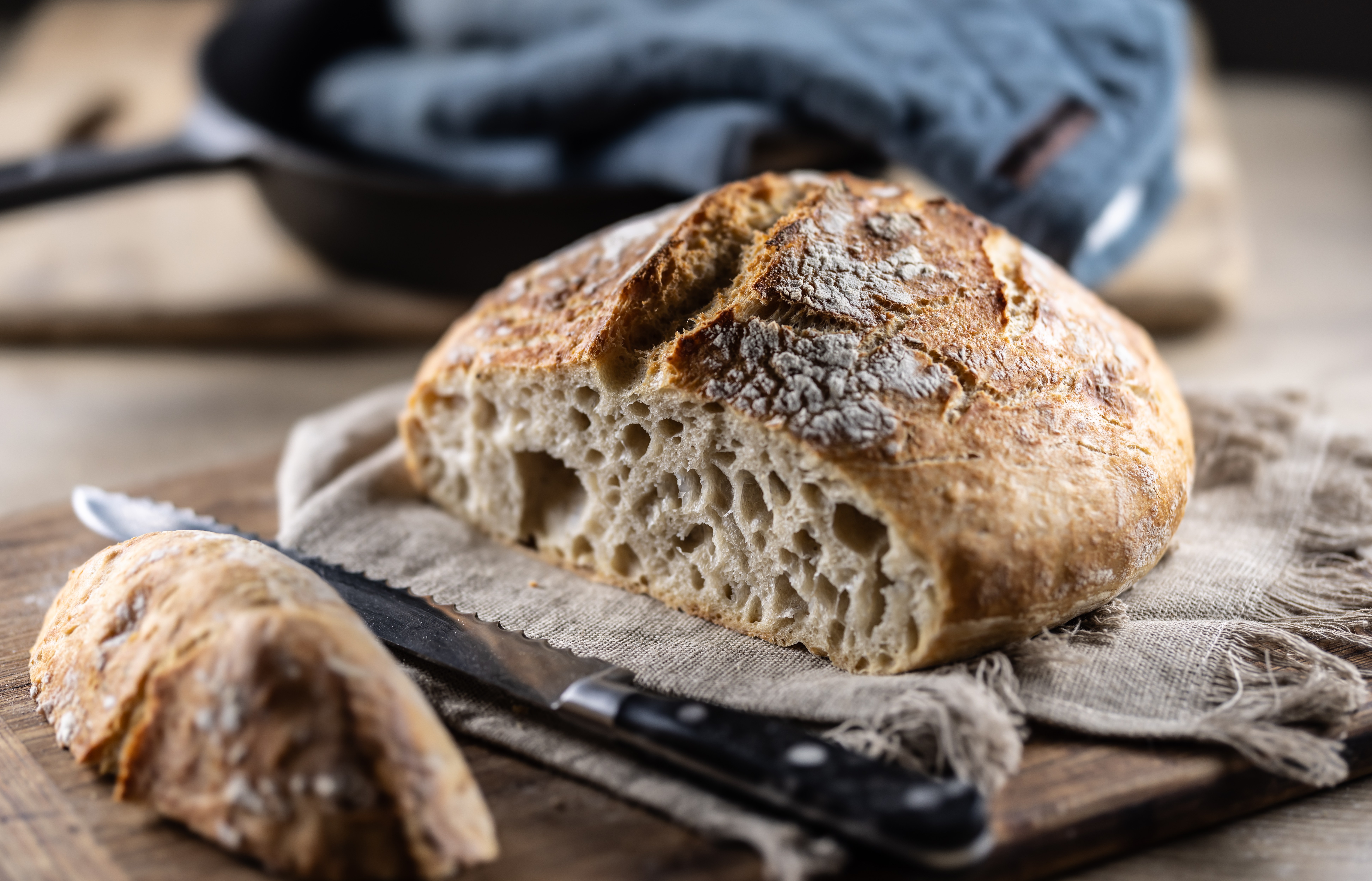
The fermentation process that makes sourdough helps produce prebiotics, which feed the beneficial bacteria in your gut, supporting long-term digestive and immune health. It also helps lower its glycaemic index (54 compared with a conventional loaf at 71), helping to slow blood-sugar release. Sourdough bread also contains about 40 per cent less sugar per 100g than most other breads.
DairyDrink full-fat milk
For years we were told to choose skimmed or semi-skimmed milk to cut down on the fat in our diets, but science now tells a different story — whole milk is the most complete and nutritious choice. It contains about 3.6 per cent fat, which makes it more satiating, and importantly the fat is what stores a lot of the nutrition in milk, such as the vitamins A, D, E and K. These nutrients are crucial for immune function, bone health and hormone balance.
• Full-fat is back: why shoppers want whole milk and butter
Swap regular yoghurt for Greek yoghurt
Greek yoghurt is thicker and creamier than other varieties because it is made by fermenting yoghurt in tanks then straining out the liquid during the final steps. The process results in a product with a higher protein content and less sugar. In addition, it provides probiotics for gut health and calcium for strong bones. Avoid zero-fat flavoured yoghurts with a long list of chemical ingredients.
• The best yoghurt for your gut health — is it Greek, skyr or kefir?
Choose kefir over yoghurt drinks
Yoghurt drinks are often marketed as a convenient way to top up your probiotics but most contain two and a half to three teaspoons of sugar per drink and just one or two strains of bacteria. Kefir, on the other hand, is a traditional fermented milk drink made with live kefir grains, containing dozens of strains of bacteria and yeasts. This diversity gives kefir a much broader probiotic profile, which many studies suggest is better for supporting gut health and digestion.
Have butter instead of margarine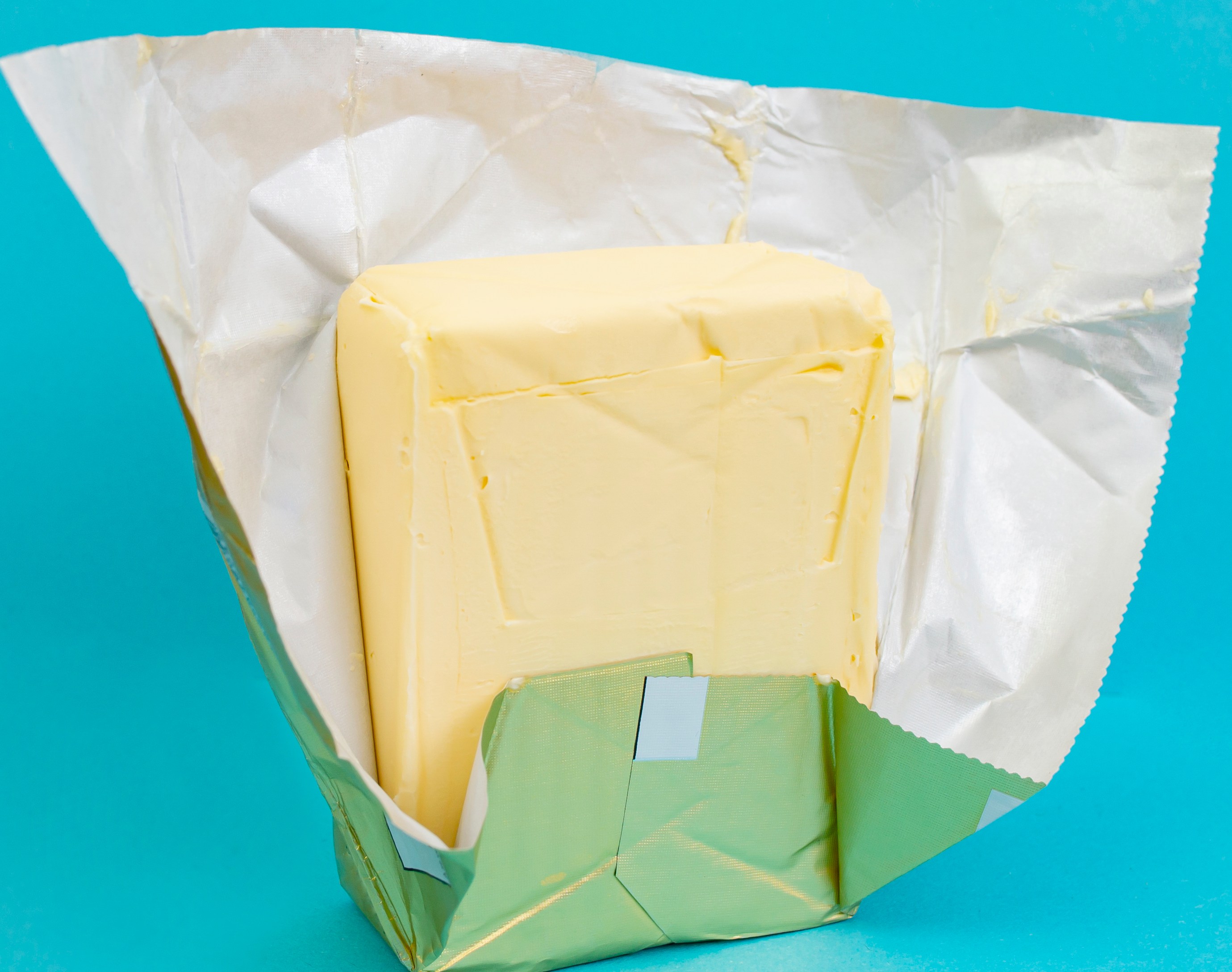
Margarine is a man-made product originally created as a cheap butter substitute and often contains ultraprocessed oils, artificial emulsifiers, preservatives and colourings. Butter, on the other hand, is a whole food made from churned cream and maybe a touch of salt. It’s rich in fat-soluble vitamins such as A, D, E and K2, and contains butyrate, which is a short-chain fatty acid that supports gut health and reduces inflammation.
Buy supermarket own-label cream cheese instead of branded ones
I’ve noticed that the well-known leading brands often contain added gums and stabilisers that can irritate digestion. Instead, check the label on the supermarket’s own brand and you may find it contains just one ingredient — milk.
Always choose free-range eggs
Eggs are nature’s multivitamin and a simple upgrade from caged eggs to free-range improves both the hens’ welfare and your nutrition, as free-range hens have daily outdoor access, with more vitamin D and omega-3s in the yolk of their eggs. One study shows that the vitamin D3 content of egg yolk was almost four times higher in chicken groups that were exposed to sunlight.
MeatMince — buy the higher-fat version
Compared with the leaner 5 per cent packet, 20 per cent fat minced beef has plenty of fat-soluble vitamins and nutrients — and that’s not all. A good mince will also contain fragments of tendons, ligaments and connective tissue, which are fantastic natural sources of collagen.
• Minced beef on toast — the hot new party snack (yes, really)
Collagen is a protein full of amino acids that supports the structure of your skin, hair and nails. It also plays a vital role in maintaining the integrity of your joints and connective tissues. By choosing minced beef with 20 per cent fat, you’re getting a broader nutritional profile, including as much as 15g collagen, which you might well pay a lot of money for if it was a supplement.
Try ribeye steak over fillet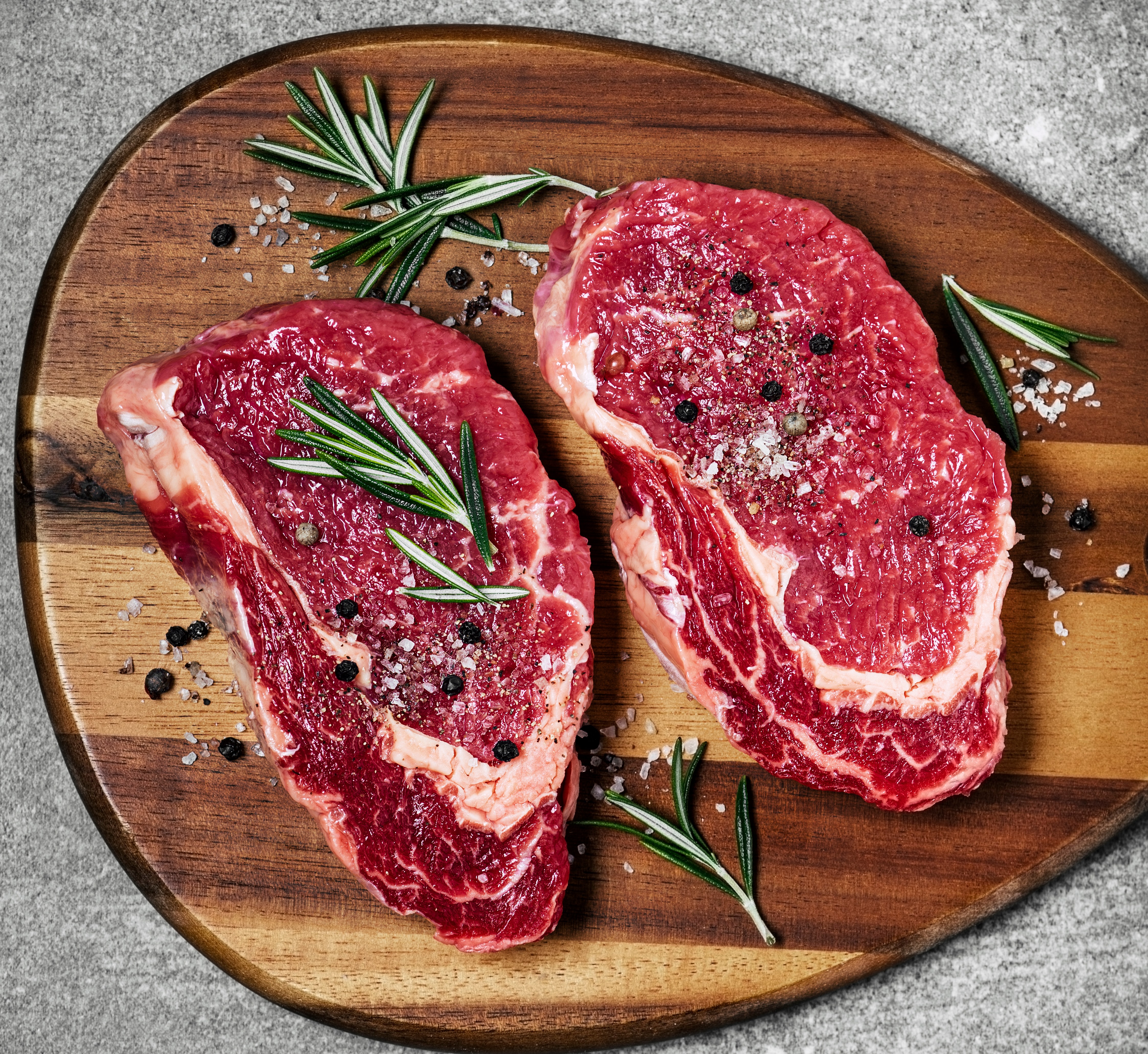
Ribeye is a delicious treat with added fat, which offers more fat-soluble vitamins for 30 per cent of the price of more expensive cuts.
• Midlife diet: 10 food rules for men (yes, you can eat steak)
Ditch the chicken breasts and buy thighs (bones in) instead
Most people have a longstanding preference for chicken breast because it’s lean, low in fat and easy to handle. But there’s a lot of goodness stored in the parts we usually discard, such as the skin, bones and darker meat cuts like chicken thighs and legs, which are richer in essential nutrients such as collagen, zinc, iron and fat-soluble vitamins A and K2. Plus they have more flavour.
FishChoose frozen wild salmon over fresh farmed salmon
Because they have the freedom to roam and eat their natural diet of plankton and smaller fish, the flesh from wild fish is much richer in omega-3 fatty acids, vitamin D, selenium and a powerful antioxidant called astaxanthin. These nutrients are great for brain health, inflammation control and heart protection. By contrast, farmed fish are typically raised on processed feed, which lowers their nutritional quality and increases harmful chemical residues.
Wild salmon is more expensive but try heading to the freezer section. If you swap your weekly two farmed fresh salmon fillets for wild frozen fillets, you’ll save about 25 per cent and increase the quality of your nutrition.
• Eating oily fish once a week could stave off middle-age memory loss
Swap boneless fillets for whole fish
A whole fish provides not just the fillets but the skin and bones too, which are rich in collagen, calcium and other minerals. Use the bones to make a broth and you’ll stretch your money further while nourishing your body more deeply.
Pasta and riceOpt for whole-wheat pasta
Switching from white pasta to whole-wheat is a great swap as it retains the bran and germ of the wheat kernel, making it higher in fibre and micronutrients compared with refined pasta. For whole-wheat you are getting 7.6g of fibre per 100g or 25 per cent of your daily intake. That’s nearly triple what you’d get from standard white pasta. The extra fibre slows digestion, improves satiety, supports gut health and helps stabilise blood-sugar levels.
Choose wild rice instead of white rice
Technically a grass, not a true rice, wild rice is higher in protein, fibre and antioxidants than white and brown rice. It also has fewer calories and carbs.
• Half the calories: What to swap to cut your intake now
Fruit and vegSwap those Spanish strawberries for a home-grown pear
Aim for seasonal produce. The fresher the fruit, the more nutrients it packs. Shorter travel time helps preserve vitamins and antioxidants — in the winter, on a lorry from Spain, it may take five to seven days for that strawberry to reach your shelf. And while the fruit may look fresh, vitamins like C and B, as well as other antioxidants, start to degrade the moment the strawberry is picked.
Have a royal gala apple instead of a golden delicious
In general, the darker the fruit or vegetable, the higher the polyphenol count. Even within apple varieties, a dark red royal gala will have more nutrients per gram than a golden delicious.
Choose a romaine lettuce over an iceberg
It contains higher levels of vitamin K, folate and antioxidants.
• Top ten healthiest salad leaves
Have a kiwi instead of a banana
There’s more vitamin C, vitamin K and fibre in a kiwi.
Opt for red onions, not white
Red onions contain higher levels of polyphenols and quercetin (a naturally occurring plant pigment with powerful antioxidant and anti-inflammatory effects) than white onions.
OilsOpt for extra virgin olive oil over sunflower oil
Most seed oils — sunflower, rapeseed and corn — are highly refined. Extra virgin olive oil is made by simply pressing olives — no chemicals, no high heat. It is packed with polyphenols and antioxidants that have been shown to lower inflammation and protect against heart disease, so is worth the cost.
SnacksSwap chocolate hazelnut spreads for pure nut butters with cocoa
Nutella isn’t healthy. That jar of chocolate hazelnut spread is 56 per cent sugar and only 13 per cent nuts, making it more of a confectionery than a breakfast choice. If you can’t resist that chocolate hit, have a look for nut butters blended with cocoa to deliver the same indulgent flavour but with far more protein, fibre and healthy fats. Some contain only 9 per cent sugar and more than 63 per cent nuts.
Swap a freshly baked cookie for a digestive
Freshly baked cookies are 40 per cent sugar (27g per 66g cookie), which is more than six teaspoons of sugar. Their high sugar content and large size mean they are best avoided. Shortbread dramatically cuts the sugar to 17 per cent (2.6g per shortbread piece). Or try a digestive, which is 15.5 per cent sugar (2.2g per 15g biscuit).
Have nuts instead of crisps
One standard bag of crisps contains about a tablespoon of oil. Eat a bag a day and that’s more than two litres of low-quality vegetable oil a year. Switch to nuts and seeds. They might be higher in calories but you get protein, fibre, nutrients and good healthy fats, all of which makes them more satiating and reduces the likelihood of overeating.
• 14 foods you should eat every week (including chocolate)
Switch from milk chocolate to 70 per cent dark
Standard milk chocolate often contains only 25 per cent cocoa, bulked out with large amounts of sugar — as much as 54g per 100g. Switching to 70 per cent dark chocolate will halve your sugar intake to 29g and potentially double your antioxidants, which support blood flow and reduce oxidative stress.
Try dark chocolate Maltesers instead of M&Ms
There’s 32 per cent sugar in an 88g bag of dark chocolate Maltesers compared with 66 per cent for M&Ms. That’s still seven teaspoons of sugar and 93 per cent of your daily sugar allowance, but it’s a huge sugar saving per bag.
• How a chemical in dark chocolate could slow down ageing
Ditch the Skittles for Berry Hearts
Skittles pack a whopping 74 per cent of sugar. Rowntree’s Berry Hearts (35 per cent sugar) still feel like a treat but the sugar content is more than halved.
DrinksSwap riesling for sauvignon blanc
Swap sweeter varieties of white wine for dry crisp and refreshing whites that will cut your sugar intake per glass. Riesling has 6g sugar per glass, sauvignon blanc 1.5g. When it comes to red wine, have pinot noir (0.7 to 1g) instead of malbec (2g).
Choose beers with a lower alcohol content
Lighter beers aren’t just for taste; the lower alcohol content equals fewer carbs and calories for your body to deal with. You may think going from a 5 per cent beer to a 4 per cent one is an insignificant difference but it’s a 25 per cent reduction in calories.
The Good, the Bad and the Healthy: How to Make Smarter Daily Choices by Sunna van Kampen (New River £10.99). To order a copy, go to timesbookshop.co.uk. Free UK standard P&P on orders over £25. Special discount available for Times+ members