
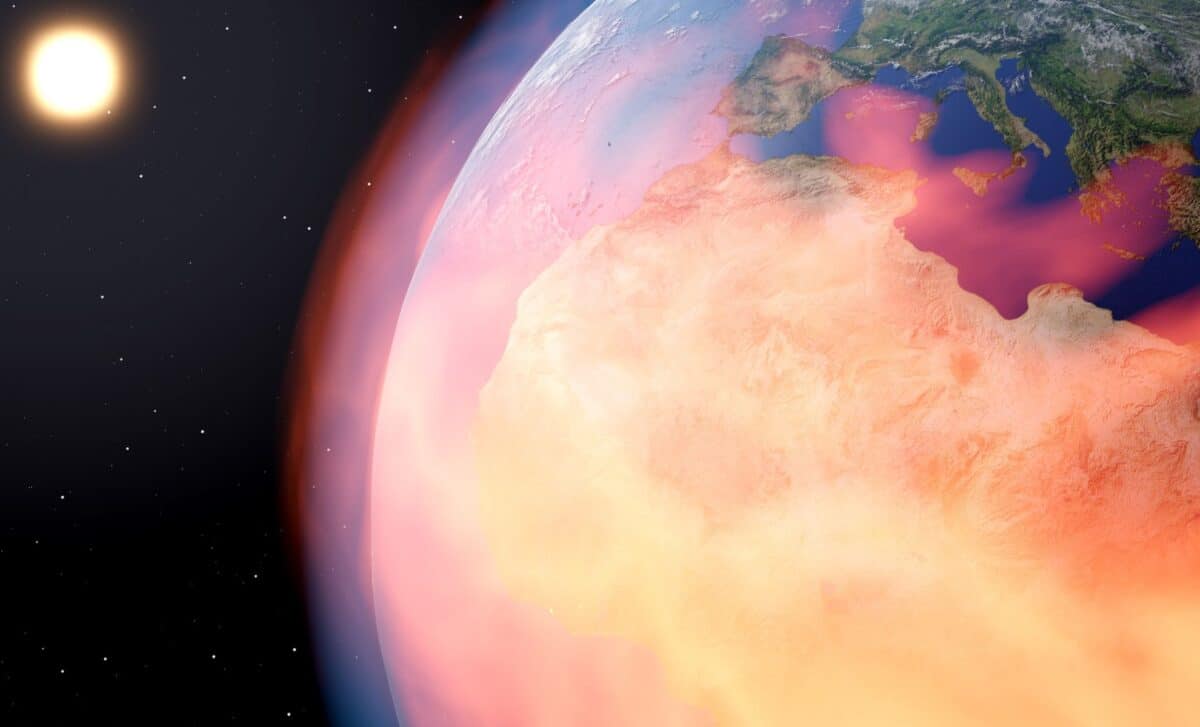
In 2025, Earth’s oceans quietly hit a new heat record, absorbing a staggering 23 Zetta Joules of energy, roughly equivalent to 37 years of global energy consumption. This unprecedented figure underscores the continued and accelerating rise in ocean heat, a troubling sign of the broader climate crisis. The oceans, which have been absorbing more than 90% of the excess heat trapped by greenhouse gases, are driving some of the most extreme weather events the world has seen.
What does this mean for the planet? The short answer is that the impacts of this warming are already being felt, from stronger storms and rising sea levels to more frequent and intense weather extremes.
A Record-Breaking Year for Ocean Heat
According to a recent study published in Advances in Atmospheric Sciences, 2025 saw the highest ocean heat content on record since scientists began tracking it. This year’s ocean heat gain is an astonishing number, one that’s hard to wrap your head around. The findings come from an international team of over 50 scientists using data collected from institutions all over the world.
What stands out is that this is the ninth consecutive year in which ocean heat content has hit a new high. This steady increase in ocean heat isn’t just a fluke; it’s part of a long-term trend that’s been building since the 1990s. With each passing year, the waters absorbs more heat, and the implications of that are becoming harder to ignore. While thisheat may seem invisible, it’s fundamentally reshaping the planet in ways we’re only beginning to understand.
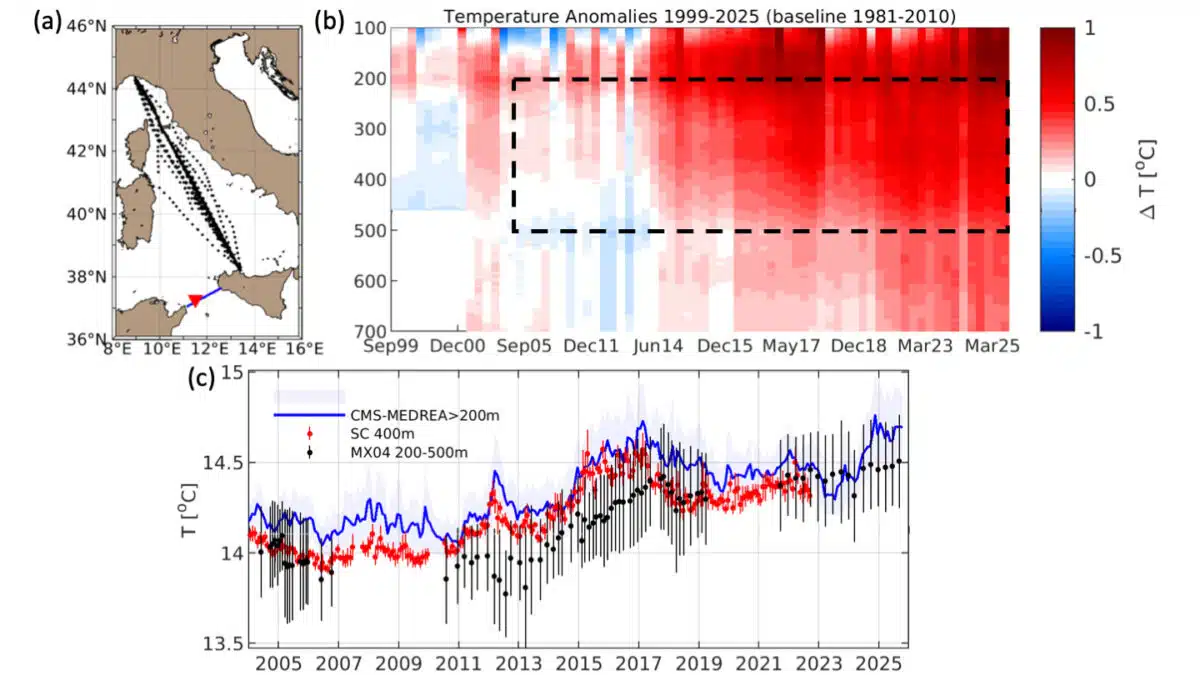 Graphs showing sea surface temperature anomalies from 1999 to 2025. Credit: Advances in Atmospheric Sciences
Uneven Warming Across the Globe
It’s important to note that ocean warming isn’t happening evenly across the globe. In 2025, about 16% of the global ocean surface reached its highest heat levels ever recorded. And, about 33% of the ocean saw its warmest years on record. These aren’t small differences, regions like the tropics, South Atlantic, North Pacific, and Southern Ocean are warming at a faster rate, which has implications for the way weather systems behave. As you might imagine, this uneven warming can lead to unpredictable and extreme weather events, from massive storms to heatwaves and droughts.
The tropical oceans are particularly concerning because warmer waters there fuel more intense storms. The same heat that drives stronger hurricanes also increases evaporation, which contributes to intense rainfall and flooding.
In some regions, likeSoutheast Asia and thePacific Northwest, the result has been catastrophic flooding. Meanwhile, in other parts of the world, such as the Middle East, we’re seeing longer and more severe droughts. All of this is tied directly to the increasing heat, which is turning the dial on weather patterns and making them more extreme.
Ocean Heat Fuels Extreme Weather Events
In 2025, global sea surface temperatures reached their third-highest level on record, about 0.5°C above the 1981-2010 average. This rise in temperatures played a major role in intensifying extreme weather events, such as storms, floods, and droughts. For instance, devastating floods occurred in Southeast Asia, while prolonged droughts affected the Middle East. These conditions are directly linked to higher ocean heat, which not only affects local climates but also alters global weather patterns and contributes to the intensification of tropical cyclones.
Ocean warming also has consequences for rising sea levels, as warmer water expands, further exacerbating the impacts of extreme weather events. The heat stored in the saltwater influences the atmosphere, weather, and ecosystem stability. As the oceans continue to absorb more heat, powerful storms, rising seas, and unpredictable weather will become the norm.