
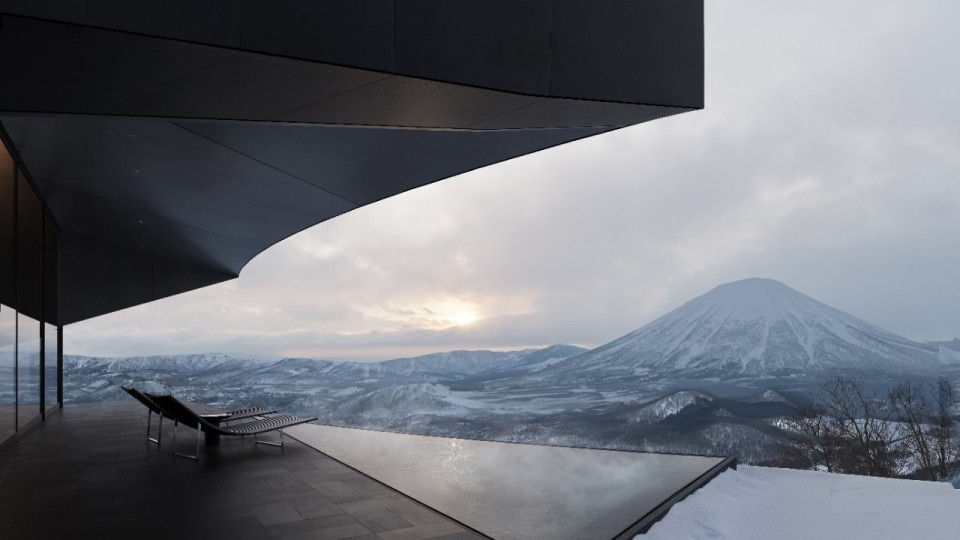
There are three forces behind the emergence of NOT A HOTEL. On one hand, the spread of hybrid work has challenged the distinction between living and traveling; on the other, the crisis of the traditional second home, increasingly seen as rigid and burdensome. Added to this is the rise of a public that wants to inhabit multiple places throughout the year, not out of a nomadic impulse, but through a combination of professional mobility, a search for well-being, and the need for flexibility. These shifts converge around a very concrete need: to experience more places without multiplying infrastructure, management, and costs.
In this context, NOT A HOTEL is often read as an implicit response to the gradual erosion of the short-term rental model. In recent years, the “Airbnb effect” has begun to crack under the pressure of stricter regulations in major cities, market saturation, and increasingly uneven quality standards. The promise of feeling “at home anywhere” has frequently translated into an unpredictable experience, while demand grows for spaces that are reliable, curated, and recognizable.