
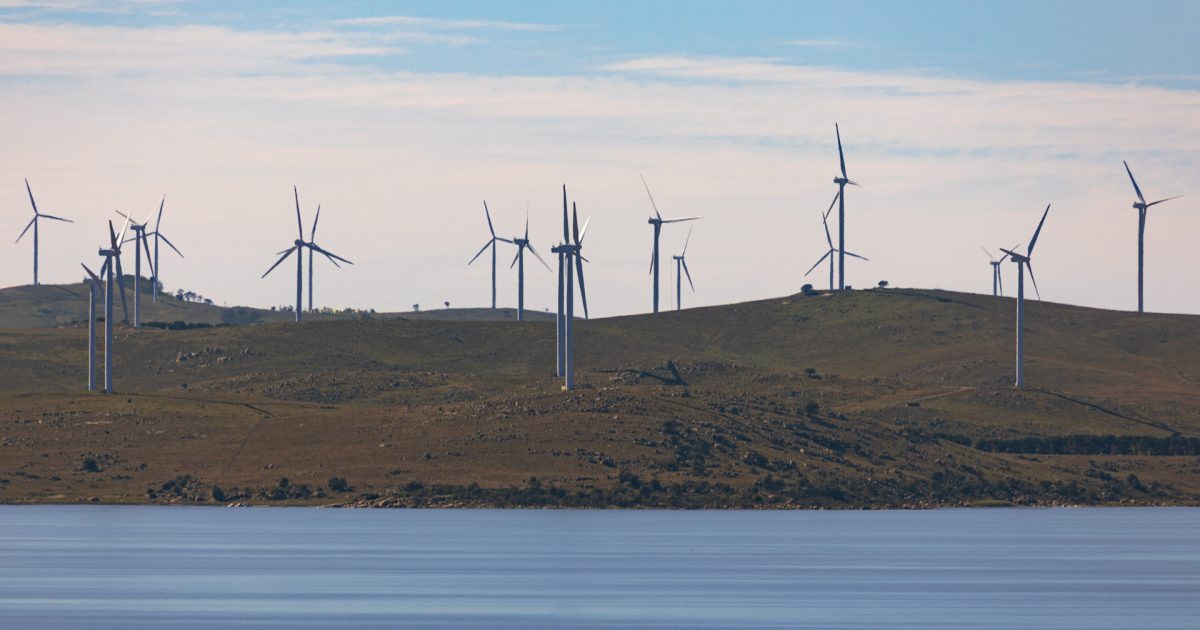
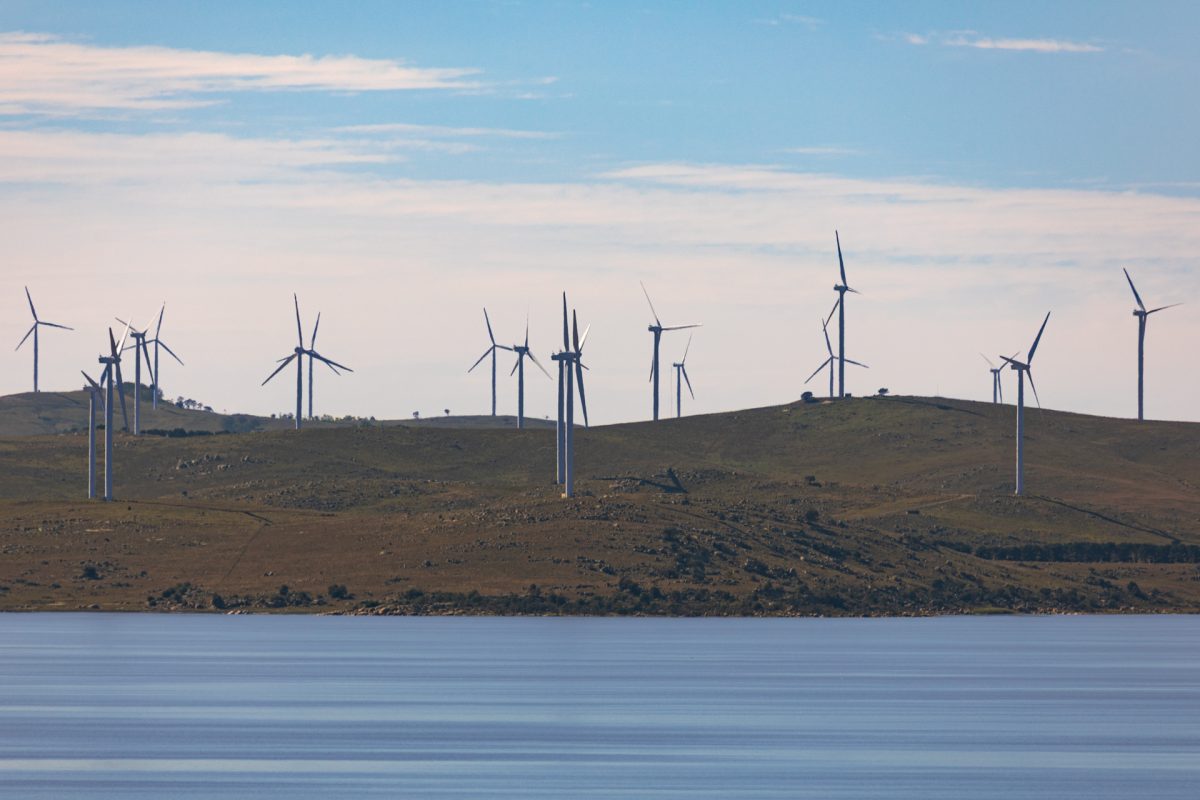
How should landowners weigh the promises of renewable energy? Photo: Michelle Kroll.
Across regional Australia, renewable energy developers are pitching wind and solar farms to the people who own the ground they want to build on.
Landowners are under no obligation to entertain the idea, but those who do will need to take on lengthy negotiations and review complex documents.
For that reason, there’s one piece of advice MV Law’s accredited property law specialist Jennifer Jaeschke would give them.
“Ask the developer to cover your legal costs,” she says.
“Developers will often agree to this, but impose a cap. The trick is making sure the cap actually reflects the complexity of the job. These documents are multi-layered agreements tied to exceptionally technical projects.
“Ask your lawyer for an estimate of costs first, so you can negotiate a cap at the right amount.”
As you consider whether hosting a renewable energy farm is the right move for you, some considerations go beyond the fiscal.
To start, renewable projects can be divisive in certain communities.
“Landowners can feel pressure to reject the idea even if they’re personally open to it,” Ms Jaeschke says. “Sometimes the loudest voices aren’t the people who’ll actually have a stake in the agreement, but they can still shape whether signing on feels socially possible.”
If a landowner is willing to entertain the idea, the dance begins with a document called a terms sheet. A summary of what the parties are negotiating, this document holds no more obligation than a sketch on the back of a napkin.
“Developers will sometimes shop the same proposal around to multiple landowners at once, hoping to secure the footprint they need,” Ms Jaeschke says.
Should talks progress, the next document is where things get real with an “option to lease”. This binding, formal agreement sets the tone for the entire project.
It includes an option period of typically two to five years, during which the developer must figure out whether they can actually get the project off the ground.
In that window, the landowner must grant certain access for studies and approvals and agree not to make changes that undermine the site’s viability.
This is where due diligence becomes as critical as rainfall.
“Often, the people landowners are negotiating with are almost like salespeople; front-end operators who assemble the project before handing it to investors,” Ms Jaeschke says.
“That’s not necessarily a red flag, but landowners should ask for the details of their previous projects and crucially, their long-term intentions.
“Are they planning to sell? Will there be international investors involved? Any number of factors might impact your view on the decision.”
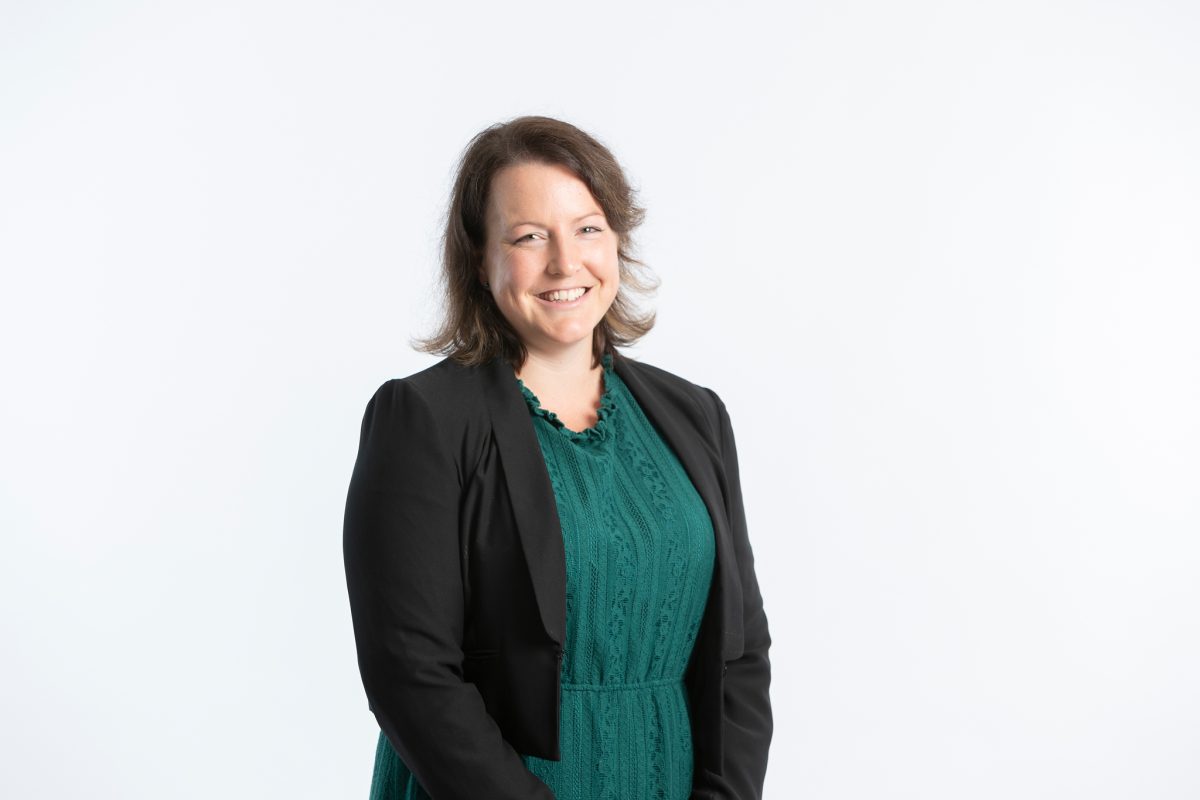
Jennifer Jaeschke advises landowners on the long-term legal impacts of wind and solar farm agreements. Photo: MV Law.
Once the project graduates to a full lease — typically 25 to 30 years, with extension options that can stretch it out to 60 — clarity becomes everything.
Ms Jaeschke says while a lease may coexist with farming (and many do), it won’t exist in a vacuum.
“The exact land area, what rights are granted and how those rights interact with existing operations need to be nailed down early,” she says.
“For farmers, that means thinking about stock movements, crop rotations, access routes, fire plans, weed management and, increasingly, biodiversity credits.
“Depending on the nature of the renewable energy project, easements may be required where an energy developer requires accessways, installation of electricity and powerlines or rights over airspace. The granting of an easement will usually restrict the landowner’s use of the affected land.”
There’s also the matter of legacy. Long leases outlive people.
“If you have an intended inheriting family, it’s a good idea to make them part of the conversations,” Ms Jaeschke says. “They will, after all, eventually be the ones living with the decision.”
Ms Jaeschke says the question that comes up most often is whether a landowner is getting a good deal.
In black and white terms of strictly dollars and cents, only a valuer can answer the question. Market rates depend on project size, technology, location and competitive interest.
But for many landowners, money isn’t the only currency when it comes to renewables.
For some, a renewables lease represents something more stable than rainfall.
“A wind or solar lease can effectively drought-proof a property, ensuring your entire income is not contingent on unpredictable factors like the weather and crop yields,” Ms Jaeschke says.
“Developers will also point out the environmental and possible social benefits of being part of the renewable energy movement.
“What matters is that landowners know the rules of the game, ask the right questions and take the time to decide whether this is the future they want built on their land.”
For more information, visit MV Law.