
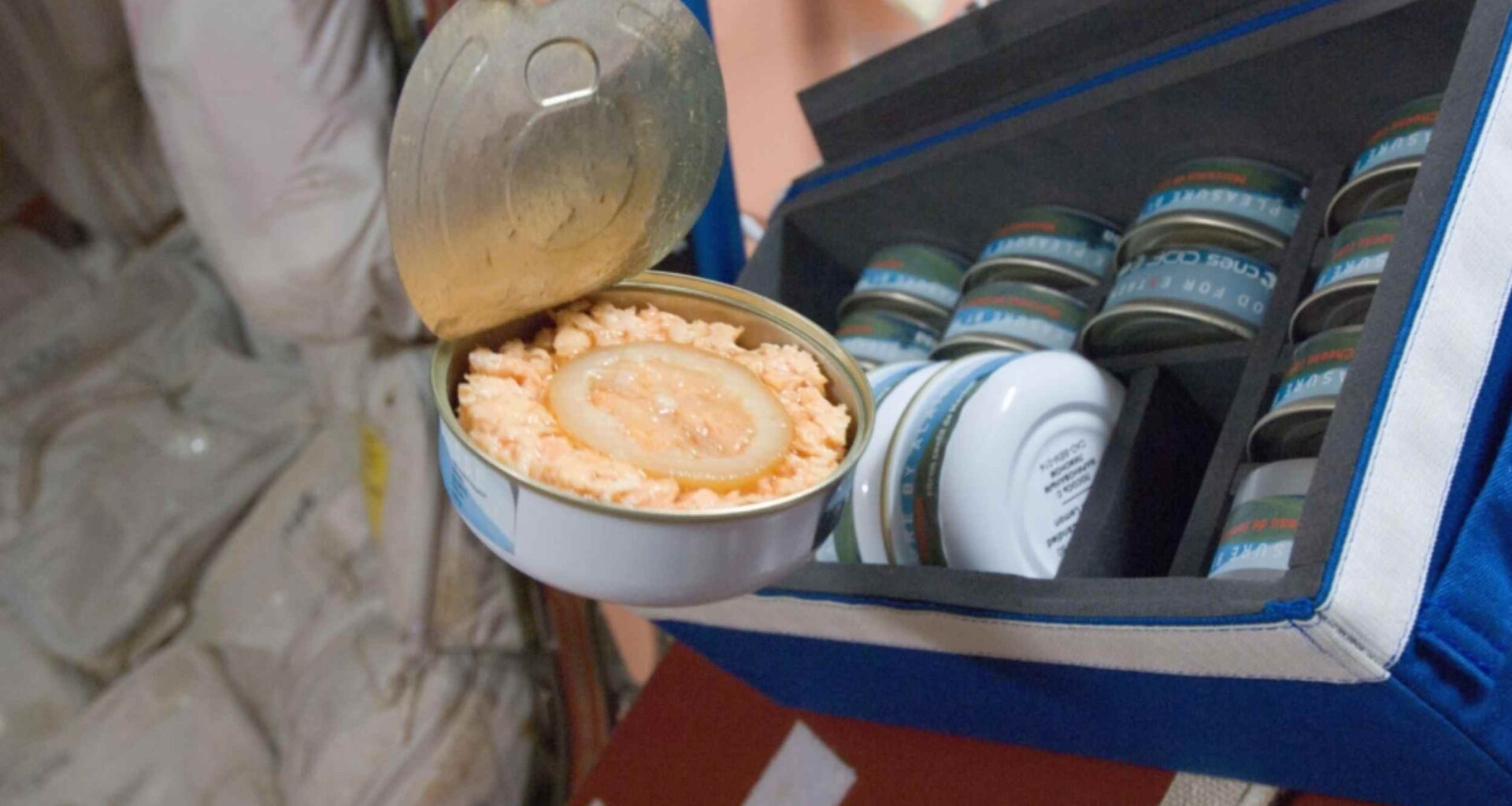
The HOBI-WAN project, a food-production test in weightlessness, launched an eight-month study on the International Space Station.
The European Space Agency (ESA) wants this effort to make protein powder from bacteria, cutting resupply for Moon and Mars crews.

Leadership for the work comes from ESA, where Angelique Van Ombergen serves as Chief exploration scientist and studies how spaceflight conditions affect the human body, with a focus on keeping crews healthy and autonomous.
Funding flows through Terrae Novae, a program aimed at sustained exploration beyond low Earth orbit.
Eliminating resupply missions
Long missions expose a basic limit, because food and water mass grows quickly as crews travel farther from Earth.
Deep-space missions can face launch delays and missed deliveries, so planners look for food systems that refill themselves.
A crew-made diet also reduces storage needs and spoilage, which matters when every cubic inch is assigned.
At the center of the work is Solein, a protein-rich powder made by Solar Foods in Finland instead of crops or livestock.
Solein grows from fermentation of Xanthobacter, so the bacteria build biomass while feeding on hydrogen, oxygen, and carbon dioxide.
This process avoids farmland and sunlight, which could matter when a habitat stays far from Earth.
HOBI-WAN and bacteria
The approach relies on hydrogen-oxidizing bacteria, bacteria that gain energy by reacting hydrogen with oxygen, to grow edible cells.
A bioreactor, a sealed vessel that keeps microbes warm and mixed, holds a nutrient solution and the bacterial culture.
Gas fermentation, microbes grow using gases rather than sugar, turns CO2 into biomass for astronaut food.
Operating in microgravity, near weightlessness that changes how fluids behave, creates challenges because gas bubbles do not rise normally.
Buoyancy, the upward push that makes bubbles rise, disappears in orbit, so engineers need forced mixing and careful venting.
Microgravity can also change where microbes settle, which can affect oxygen delivery and increase clumping.
Hydrogen, oxygen, and nitrogen
Handling hydrogen and oxygen in tight spaces raises safety risks, because accidental mixing can create an explosive atmosphere.
“Gas safety is also of great importance,” says Arttu Luukanen, Senior Vice President at Solar Foods.
OHB (OHB) System and Solar Foods are designing cartridges that inject gases into liquid without letting droplets escape.
Instead of ammonia, the system uses urea, a nitrogen-rich waste chemical from human metabolism, to help bacteria build amino acids.
Urea breaks down into usable nitrogen inside the culture, so the cells can assemble proteins as they copy genes and divide.
Space crews already track urine and air chemistry, so the design could connect cleanly with waste handling systems.
HOBI-WAN fits in a locker
All hardware is built for a standard ISS middeck locker, with an incubator and control electronics packed inside.
Sensors watch temperature, gas flow, and growth signals, because small drifts can change how many cells form per day.
Astronauts will pull samples from three separate experiments, then store the material for later analysis.
Work begins with a ground-based science model, where engineers test pumps, sensors, and growth control under normal gravity.
Flight hardware comes next at OHB, because space systems must run autonomously and survive vibration, radiation, and long storage before activation.
A later ISS run will show whether the bacteria keep producing while astronauts handle sampling.
Closing the life support loop
Carbon dioxide from breathing and oxygen from life support could feed the system, keeping molecules in use longer.
The National Aeronautics and Space Administration ISS system already recovers water by reclaiming urine and humidity condensate for reuse.
A food reactor would add another sink for carbon, because microbes lock CO2 into new cell material.
Protein is the target, but crews also need calories, vitamins, and menu variety to stay healthy.
Space diet studies show appetite can drop during stress, so foods that mix into familiar recipes may help compliance.
Medical teams also track nutrients, because long missions demand stable metabolism and digestion for safe daily work.
Importance of HOBI-WAN
Success would give mission planners a fresh protein source that scales with crew size and mission length.
OHB has built ISS payload hardware for over two decades, and that experience supports certification work.
Reliable on-board protein could free cargo space for science gear, spare parts, and shielding.
Lessons from the system may also guide Earth technologies that make microbial protein with less land and fresh water.
An analysis estimated over 10-fold higher protein yield per land area for solar-powered microbial protein.
“The insights we gain here could also help address global challenges on Earth” says Jürgen Kempf, Project Manager at OHB.
Success depends on flight hardware running quietly for months, without leaks or clogged tubing.
Longer missions would then require larger reactors, foods crews are willing to eat regularly, and energy systems that remain dependable over time.
Photo: ESA.
—–
Like what you read? Subscribe to our newsletter for engaging articles, exclusive content, and the latest updates.
Check us out on EarthSnap, a free app brought to you by Eric Ralls and Earth.com.
—–