
It takes ‘seconds’ to installTalya Honebeek Content Editor – Spare Time, Katherine McPhillips and Emily Sleight Reviews & Affiliates Writer
18:47, 11 Jan 2026
Taking a few seconds to look for gaps around your home and then seal them is the best way to keep rodents away(Image: Getty)
Many of us like to be tucked up indoors in the winter, but we’re not the only ones seeking warmth, as rats and mice frequently move inside during the colder months. There’s nothing worse than catching movement from the corner of your eye and discovering you’ve got a rodent problem, and if you don’t tackle it swiftly, it can escalate.
However, many homeowners are wary of using poison due to safety concerns, and whilst numerous natural solutions exist to deter rodents, their effectiveness isn’t guaranteed. Instead, experts at the British Pest Control Association have advised that it’s better to invest time in preparing your home by searching for any cracks through which rodents might enter.
They explained: “Mice only need a gap of 6mm to gain entry (roughly the diameter of the eraser end of a pencil).
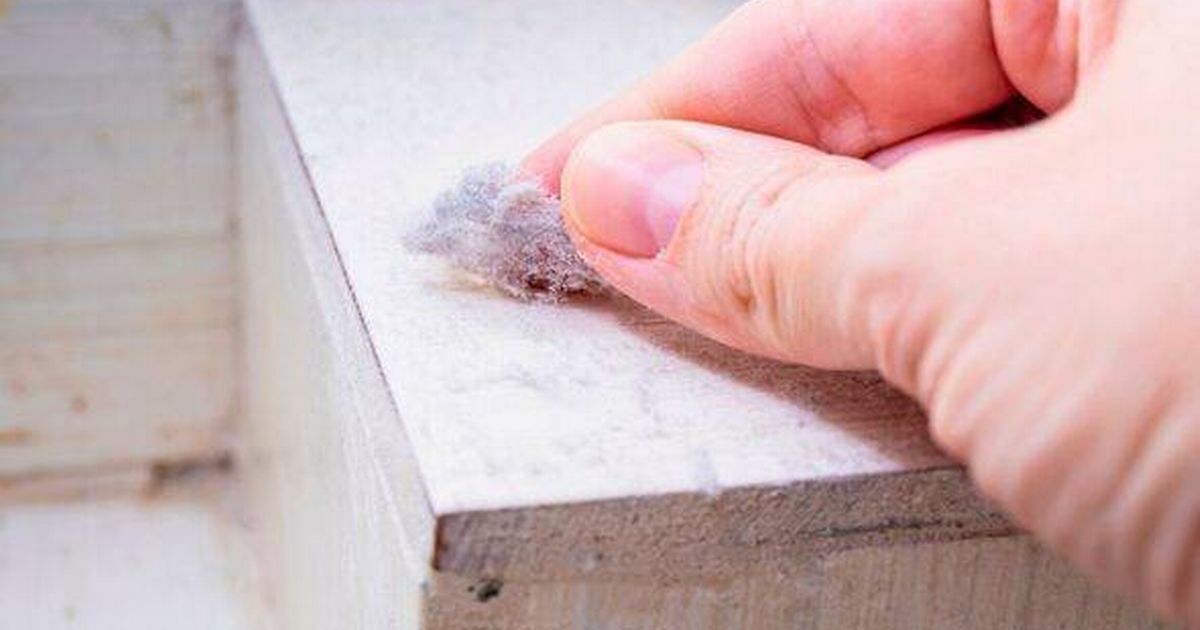
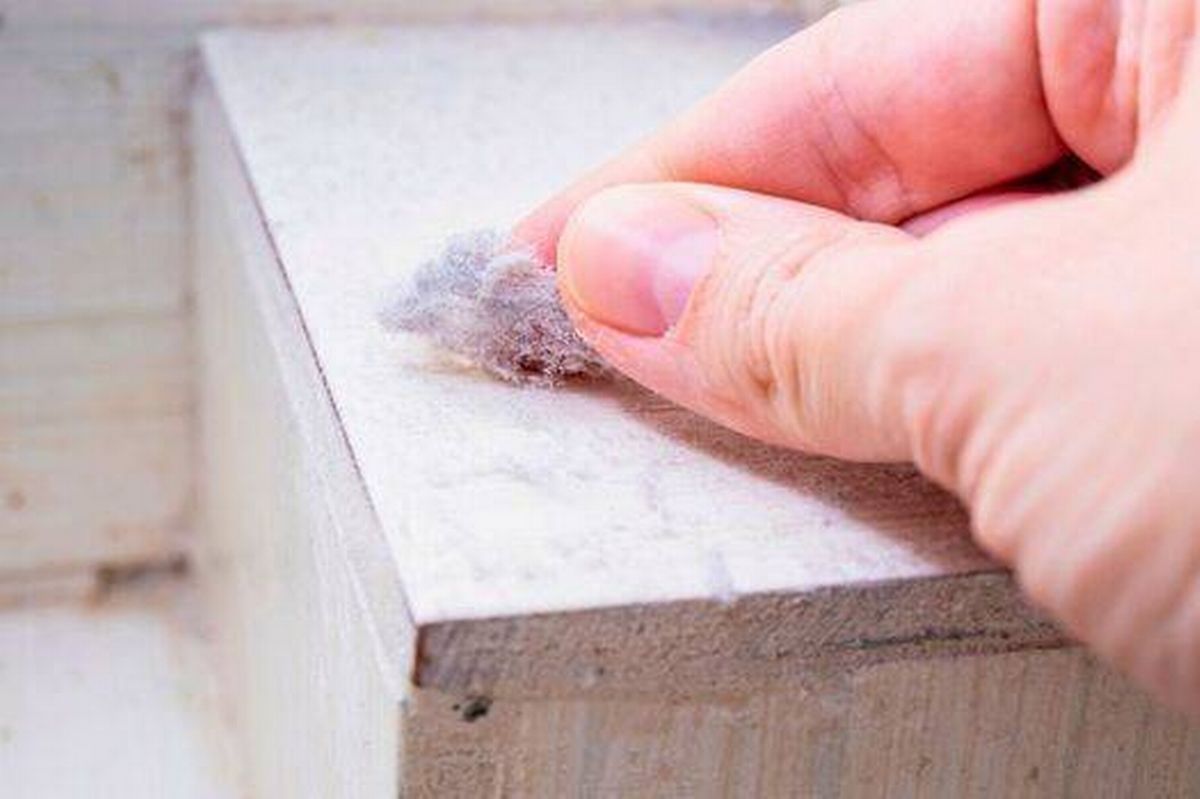
“You will need to search for any potential entry points and seal these up with wire wool embedded in quick-setting cement.”
Rodents can only infiltrate a property if there are cracks or gaps present, as they can squeeze through remarkably small spaces provided they find any tiny openings.
Whilst some entry routes are obvious, such as damaged areas around doors or windows, there are other locations many homeowners overlook.
Some of the most frequent ways rodents access homes include unsealed areas in skirting boards and gaps between floor and wall junctions.
It’s also worth inspecting areas around fireplaces, inside closet corners and between pipes under sinks or washing machines.
While it may seem straightforward to seal up your home, taking a moment each day to check common nesting areas is the most effective way to prevent rats and mice from invading your home during winter.
All you need to do is look for any cracks close to the floor, and then stuff some wire wool into any damaged areas.
The expert advised: “You should focus on low level gaps first as these are the most likely areas for mice to enter. You can then consider any higher up vents or gaps.”
Wire wool, also known as steel wool, is an effective deterrent against rodents due to its tough material that rats and mice cannot bite through. Its flexibility allows it to fit into tiny holes that rodents could potentially use as entry points, acting as a physical barrier they cannot breach.
Once you’ve placed steel wool around your home, it’s beneficial to use a sealant like cement, caulk or expanding foam to make it as airtight as possible and permanently keep mice and rats at bay.