
Show summary Hide summary
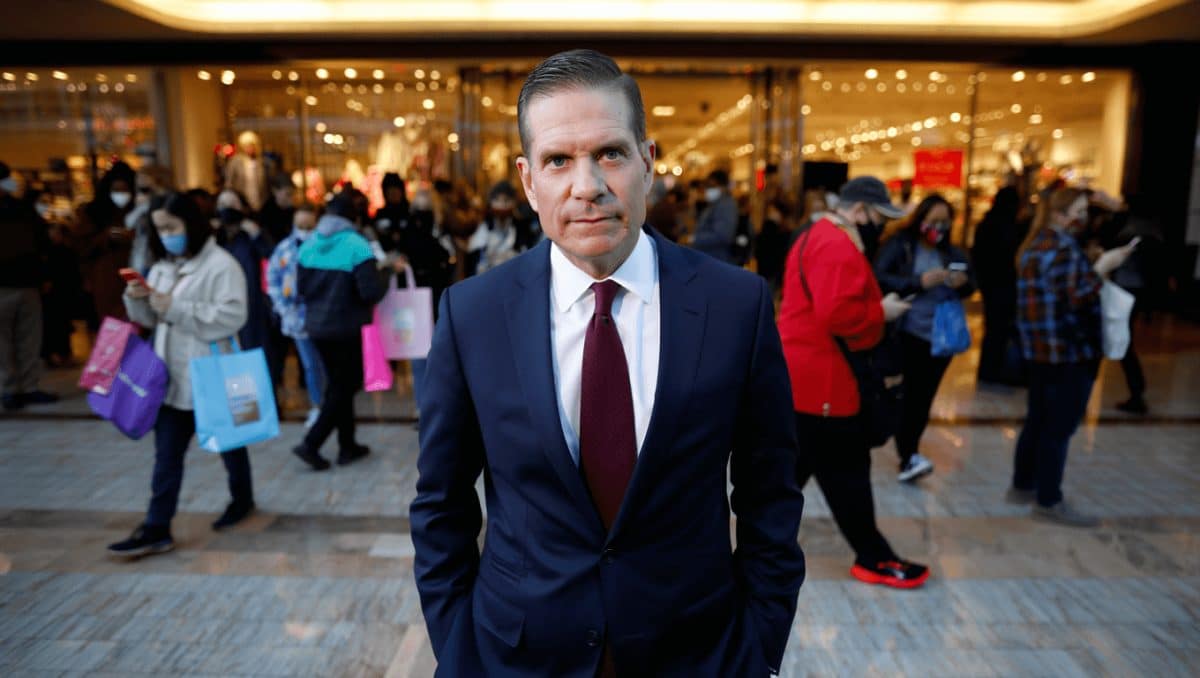
The head of the National Retail Federation says this Thanksgiving weekend is shaping up to be the biggest on record, with retailers reporting strong demand across stores and online. If the prediction holds, millions of shoppers could push sales, deliveries and return volumes higher than in previous years — with implications for staffing, shipping and inventory management.
NRF President and CEO Matthew Shay has signaled that consumer appetite remains robust despite lingering inflation and higher interest rates. Retailers point to earlier promotions, expanded digital offers and continued appetite for gifts and seasonal goods as the main drivers of heavier-than-usual traffic.
What retailers are watching this weekend
Merchants and logistics firms are monitoring several pressure points in real time: in-store staffing levels, website performance during peak hours, and carrier capacity for last-mile deliveries. Analysts say an unusually strong weekend can ripple through the supply chain for days, increasing return processing and delaying next-week restocks.
Smaller chains and independent shops may benefit from shoppers seeking alternatives to big-box promotions, while major national brands risk lost sales if online checkouts or payment systems slow under volume. Payment methods, buy-now-pay-later plans and gift card redemptions are all likely to shape where and how consumers spend.
How this matters to shoppers
For consumers, a record weekend could mean deeper discounts on some items but also longer shipping times and tighter stock on popular products. If you’re planning purchases that require fast delivery or easy returns, check seller fulfillment promises before buying.
Expect delays: Peak shipping volumes commonly increase delivery windows and can push return timelines past the holidays.
Price volatility: Discounts may vary widely across retailers; flash deals can be time-limited and stock-dependent.
Store traffic: In-person shopping may still offer bargains and immediate pickup options, but be prepared for crowds at peak hours.
Channel trends to watch
Retailers have been emphasizing omnichannel strategies for years. This weekend will test whether investments in buy-online-pickup-in-store, curbside pickup and site performance translate into smoother shopping experiences and higher conversion.
Channel
Expected pattern
Likely consumer behavior
In-store
High foot traffic
Immediate purchases, more impulse buys, use of pickup services
Online
Spikes during promo windows
Search for deals, reliance on reviews, mobile-first browsing
Omnichannel (BOPIS, curbside)
Strong demand
Customers choose convenience and faster fulfillment
Operational and policy implications
Retailers will need to balance aggressive promotions with realistic fulfillment promises. Expect more public communications about return policies, delivery cutoffs and order-tracking updates as companies try to manage consumer expectations and avoid reputational damage.
Labor is another key factor. Many stores have increased seasonal hiring in recent years, but staffing shortages remain a risk for both stores and distribution centers. That could affect checkout times, restocking and customer service quality.
What to do as a buyer
Shop smart: verify estimated delivery dates, compare return and price-matching policies, and consider in-store pickup for urgent items. Keep receipts and track orders closely — record demand can lead to unexpected delays or backorders.
And if the NRF’s prediction proves accurate, the broader retail sector will be watching whether strong holiday spending continues into the new year — a key signal for retailers, investors and policymakers about consumer resilience.
Give your feedback
★★★★★
Be the first to rate this post
or leave a detailed review